Brütal Legend
Game
2 documents in the library are about Brütal Legend, from writers such as DiGRA and Jason Schreier. Each has a summary and key insights with the page they come from.
Connections
Each row is a game or company named alongside Brütal Legend, each column a document, oldest first. A mark means that document names it. Select a row to see those documents.
Documents about Brütal Legend
Jason Schreier21 min
How Double Fine Survived The Xbox Bloodbath
Double Fine Productions, the San Francisco-based studio led by Tim Schafer, has returned to independence following a seven-year tenure under Microsoft’s Xbox division.
- After seven years under the Xbox umbrella, Double Fine has returned to independence following a shift in Microsoft's corporate strategy under Sarah Bond, which prioritized higher profit margins over the studio's niche, quirky output.
- The transition to independence involved a grueling negotiation process in June 2026, resulting in Double Fine securing ownership of its intellectual property and necessary runway capital, though the studio was forced to lay off 23 employees.
- Double Fine is pivoting to a 'Double Fine Action Labs' model, focusing on smaller, experimental titles and rapid prototyping to mitigate the financial risks associated with high-budget game development.
Jason SchreierSep 2026
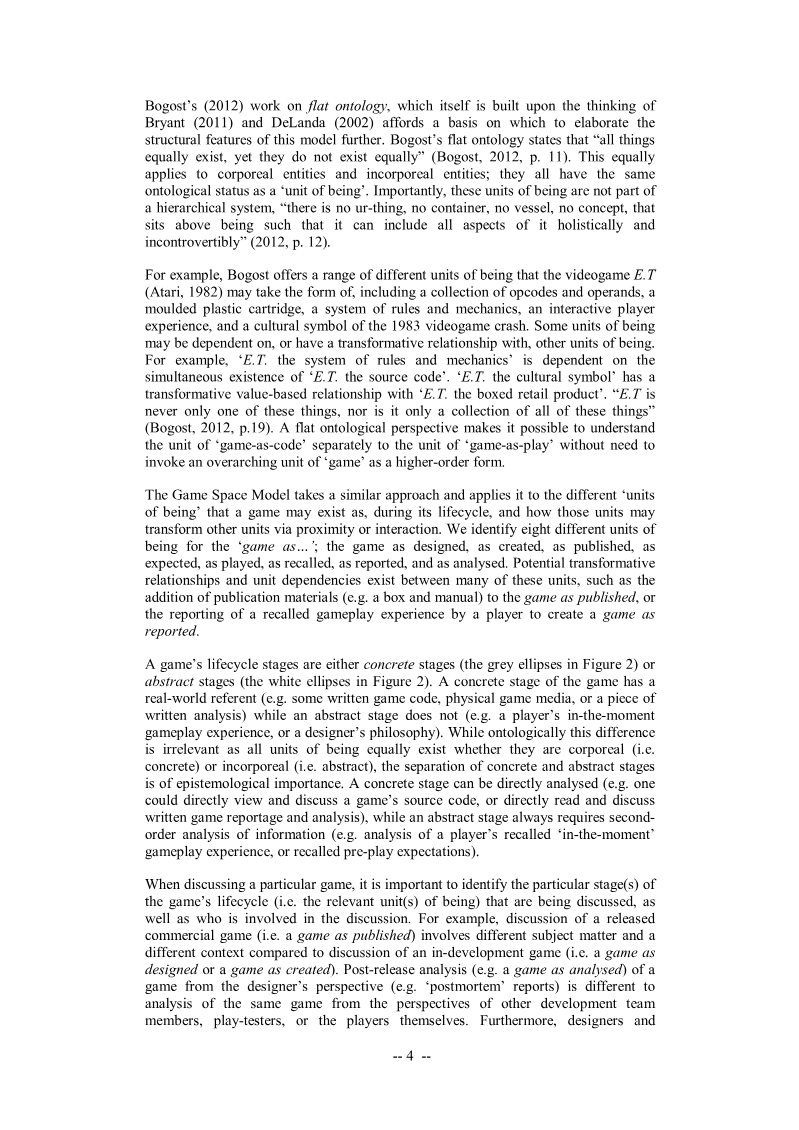
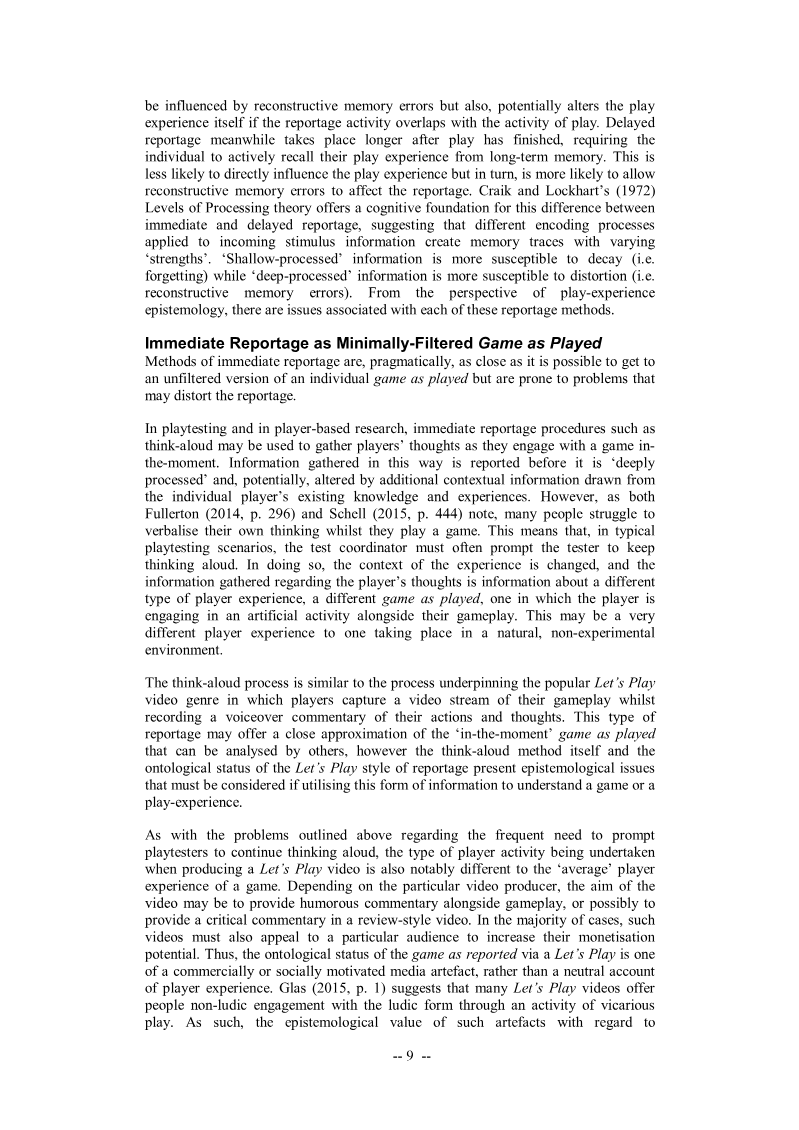
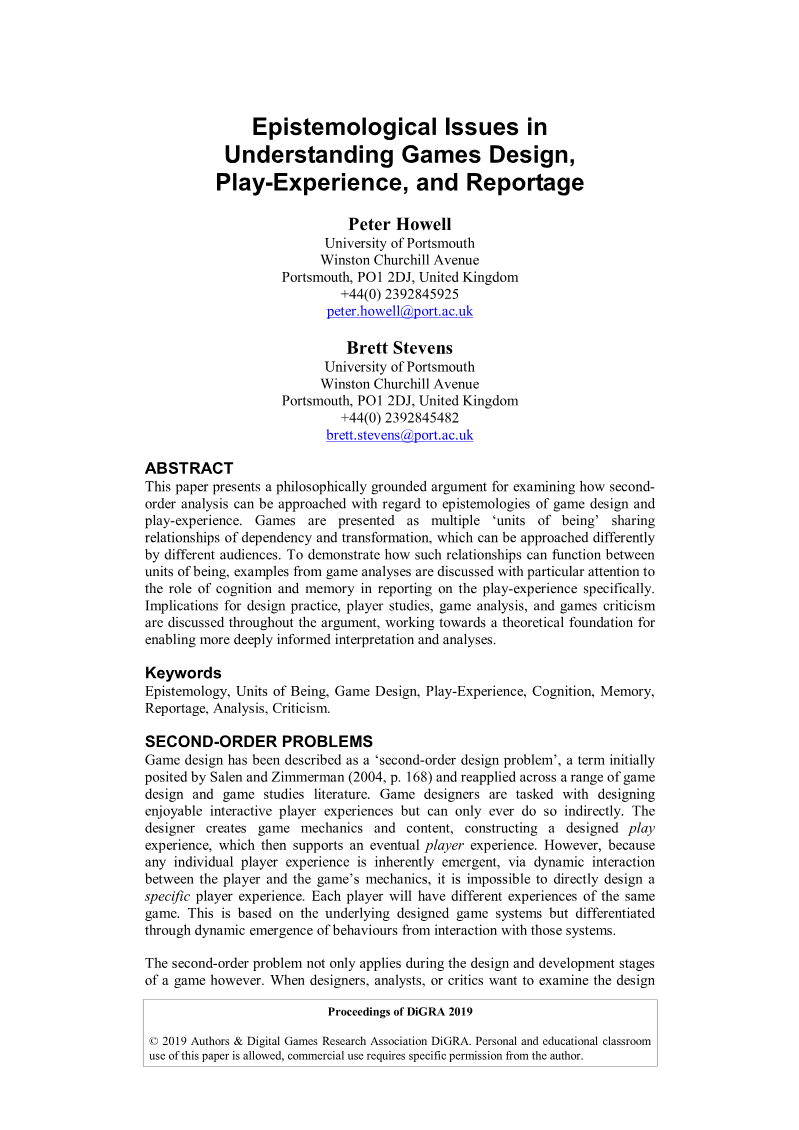
Whitepaper14 pages
Epistemological Issues in Understanding Games Design, Play-Experience, and Reportage
This paper examines the epistemological difficulties involved in understanding games at three stages: their design, their play, and their subsequent reporting and critique.
- Designing and analysing games are both 'second-order' problems: designers only indirectly shape player experience, and analysts can reach in-the-moment play only through reconstructive, error-prone memory and reportage.
- The authors propose a flat-ontology 'Game Space Model' in which a game exists as multiple linked 'units of being' (designed, created, published, expected, played, recalled, reported, analysed), and argue that critics and designers must specify which unit they mean.
- A mismatch between player expectations and actual gameplay tends to produce strongly negative post-play criticism, as seen with Amnesia: A Machine for Pigs, Brütal Legend, and No Man's Sky.
DiGRAJan 2019
Companies behind it

As the documents state it.