1 free read left. Create a free account for unlimited reading + AI research.
Create free accountArticle The Game Business
1 free read left. Create a free account for unlimited reading + AI research.
Create free accountArticleThe Game Business
Asha Sharma's leadership prioritizes Halo, Gears, and Fallout.
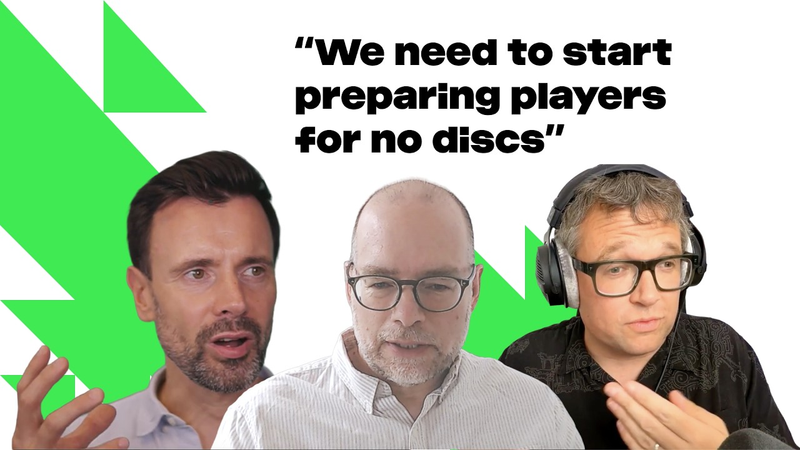
The global gaming industry is currently undergoing a fundamental structural transformation characterized by a transition toward digital-first distribution and a move away from traditional, high-cost publishing models. A primary driver of this shift is the decline of physical media, exemplified by the decision to cease PlayStation disc production by 2026. While this transition promises increased profitability through digital channels, it has triggered significant concerns regarding long-term game preservation, antitrust implications, and the erosion of consumer choice within the retail sector.
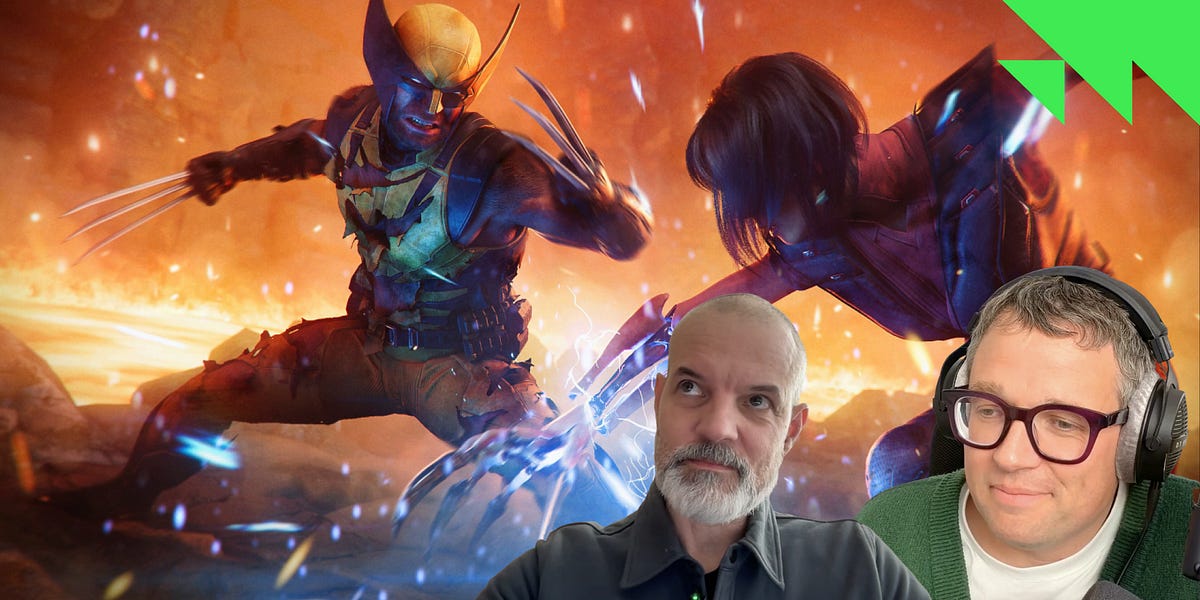
Internal instability is particularly acute at Xbox, where leadership is navigating a contentious pivot back toward console hardware and legacy franchises like Halo and Gears. This strategy, intended to stabilize the company amidst a contracting console market, has resulted in internal friction, studio closures, and a prioritization of core brands over experimental projects. Simultaneously, the broader industry is grappling with a contraction in the media landscape and the unsustainable nature of rigid, long-term development cycles that rely on the assumption that every title will achieve breakout success.
To mitigate these risks, publishers are increasingly adopting flexible, modular publishing strategies that prioritize agility and data-driven resource allocation. By leveraging decentralized development, lower-cost regions, and elastic external resources, firms are attempting to move away from the over-scaling associated with traditional AAA development. This shift toward a more reactive, sustainable operational model is viewed as essential for navigating an oversaturated market. Ultimately, the industry is entering a period of necessary recalibration, where success is increasingly defined by realistic budgeting and the ability to adapt to real-time market trends rather than the pursuit of massive, high-risk production cycles.

The Game Business · 2026

The Game Business · 2026

The Game Business · 2026

The Game Business · 2026
The Game Business · 2026
The Game Business · 2026

The Game Business · 2026
The Game Business · 2026
The Game Business · 2026

The Game Business · 2026

The Game Business · 2026

The Game Business · 2026