1 free read left. Create a free account for unlimited reading + AI research.
Create free accountArticle International Journal of Games and Social Impact
1 free read left. Create a free account for unlimited reading + AI research.
Create free accountArticleInternational Journal of Games and Social Impact
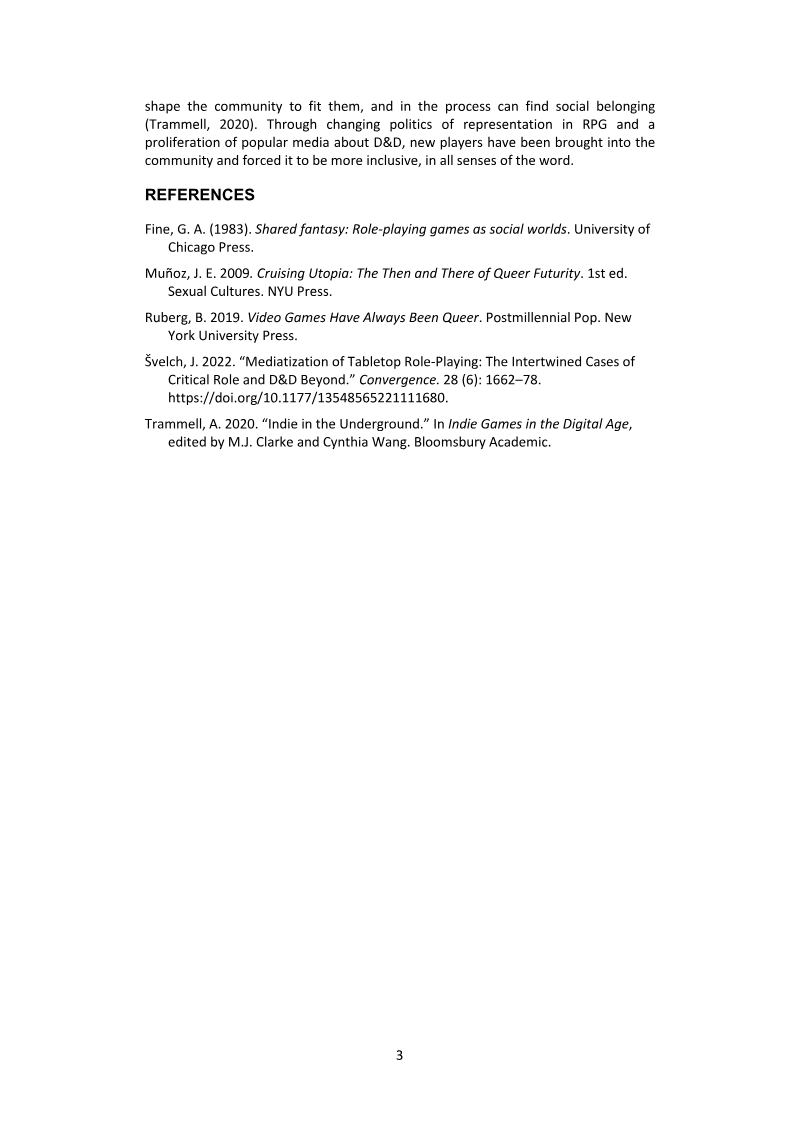
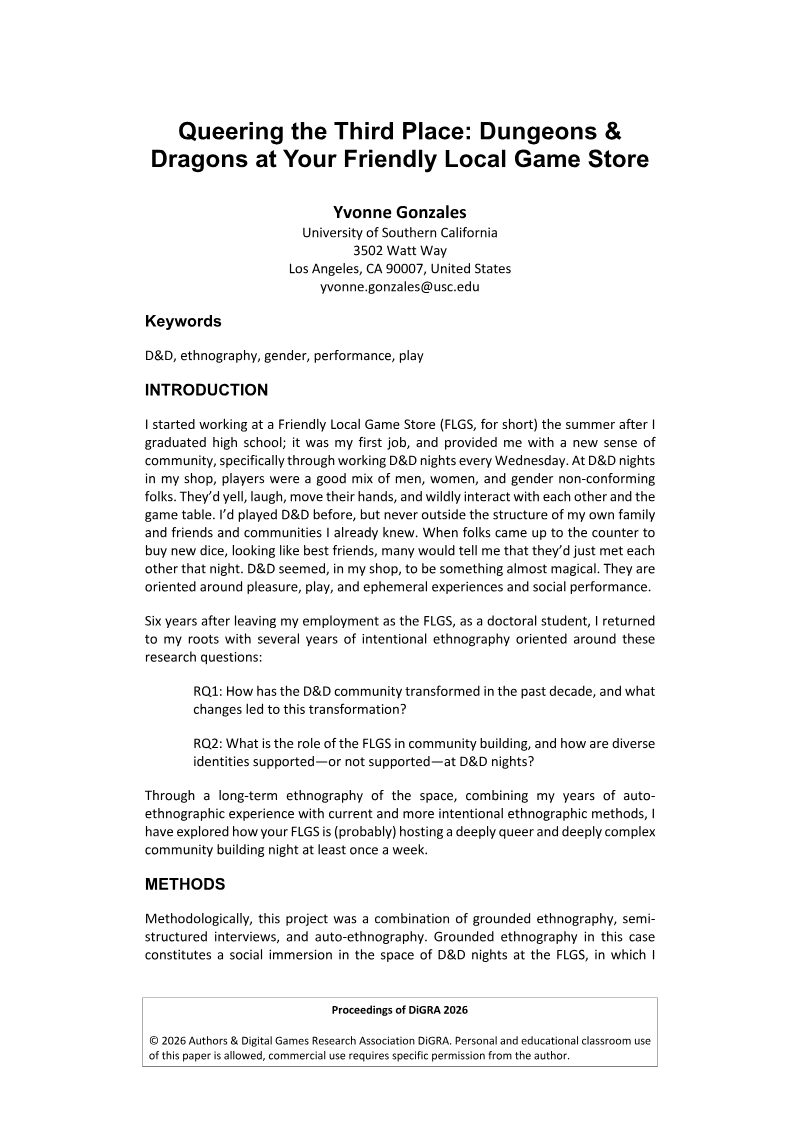
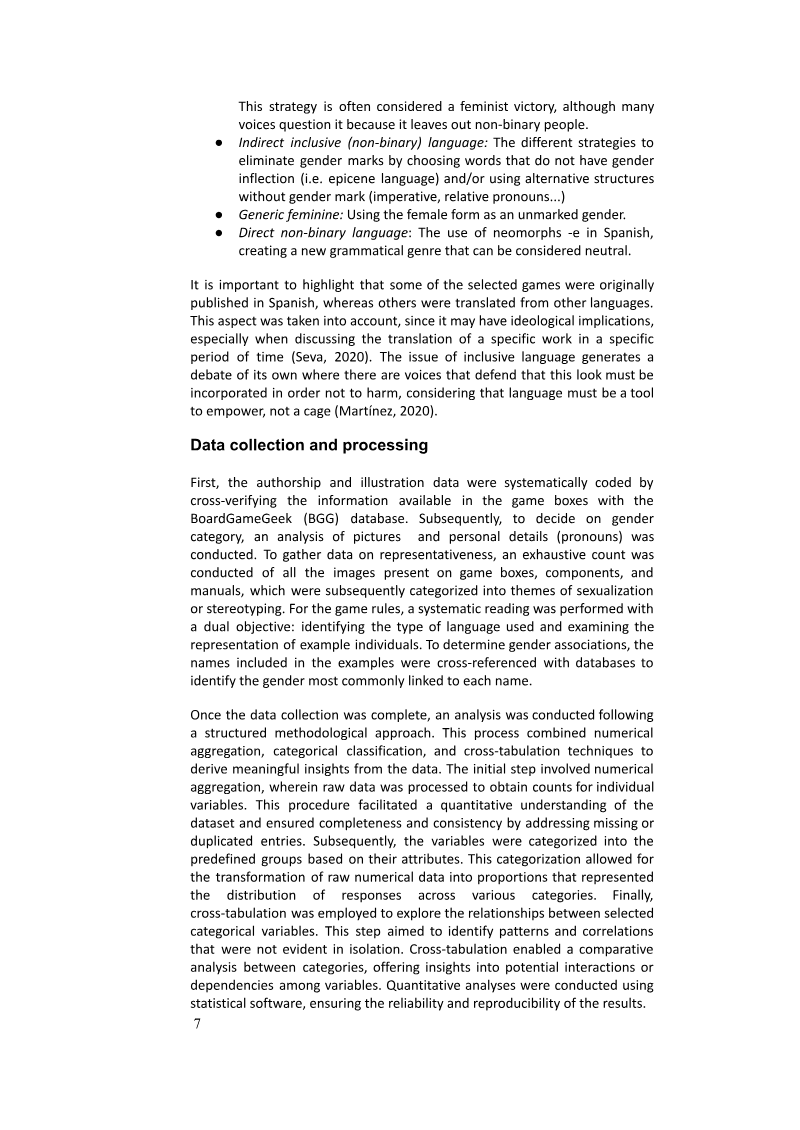
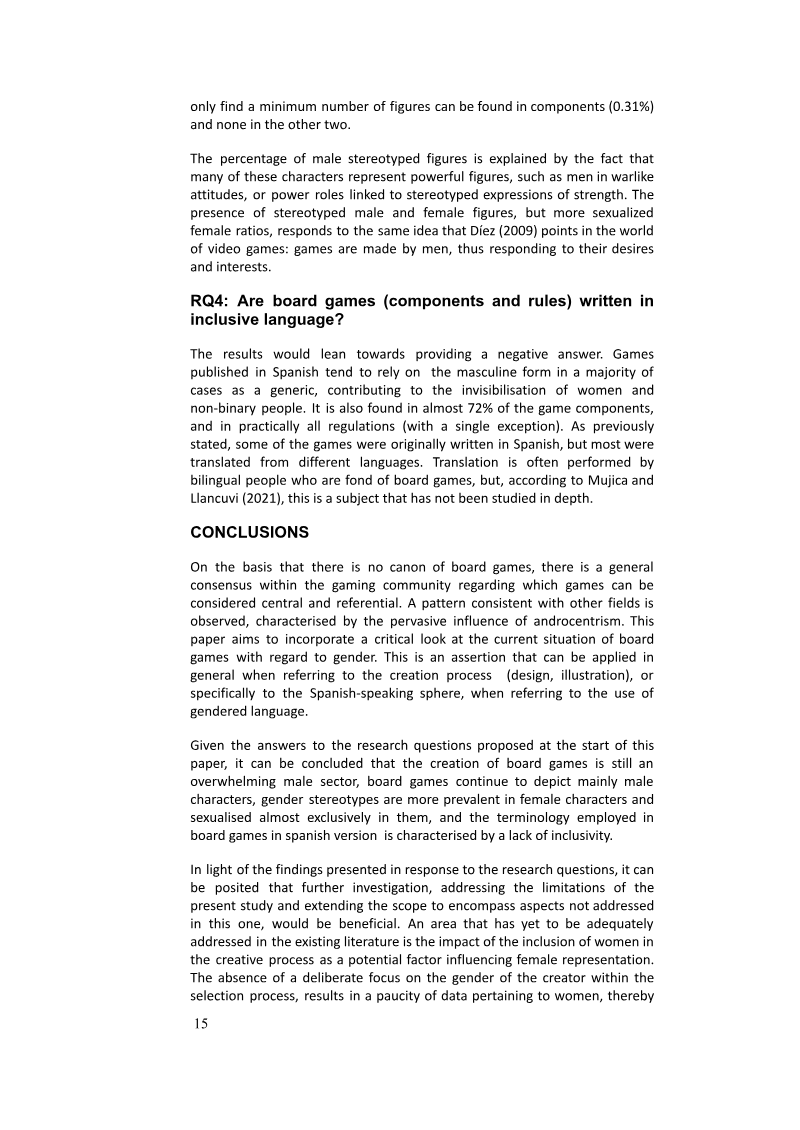
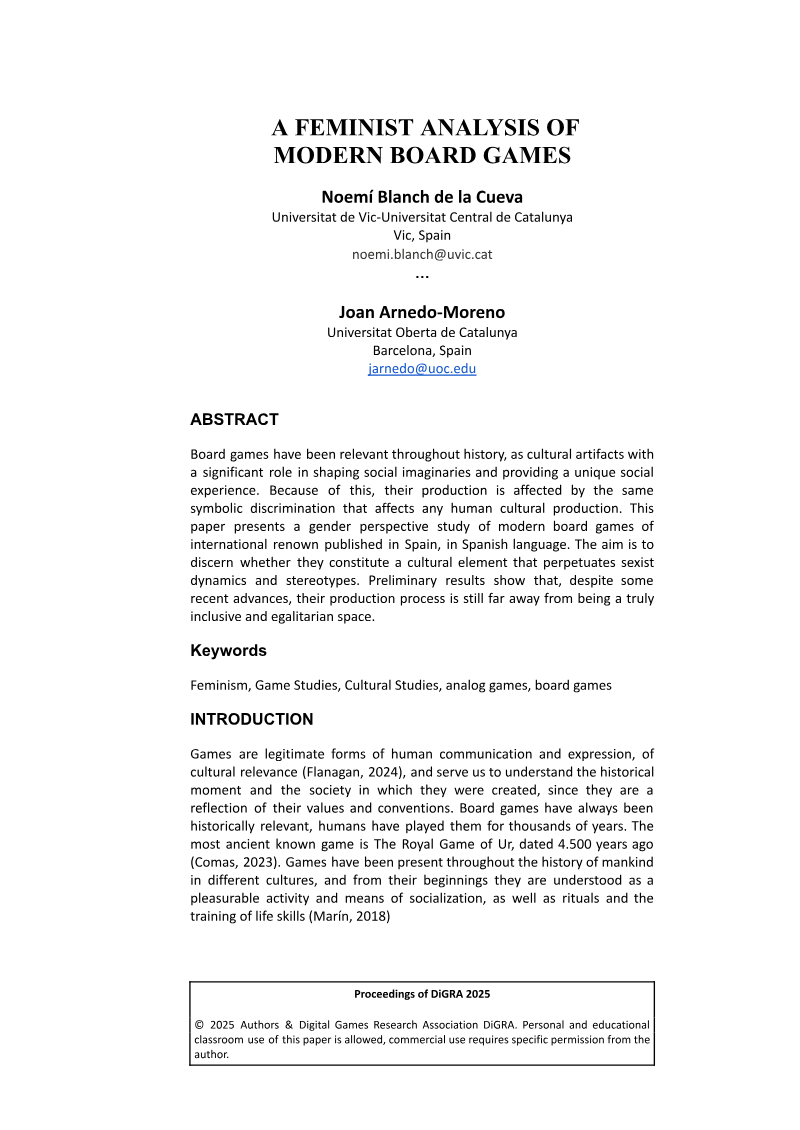
Women make up roughly 25 percent of board game players. Among top-rated 2018 games, only about 2.4 to 4.1 percent of designers were women.
The analysis argues that the underrepresentation of women and non-binary designers in board gaming is best understood as a question of who feels welcome to play and study games in depth. Drawing on data showing women make up roughly 25 percent of players, the analysis contends that stereotypes, both implicit and internalized, combined with the scarcity of women and non-binary players, help explain why so few designers come from these groups. Among top-rated games from 2018, only about 2.4 to 4.1 percent of designers were women, and among the top 400 games in 2023, only 2.7 percent of designers were white women and 0.5 percent were white non-binary people.
The central thesis is that gender stereotypes, reinforced by media, family, and institutions, steer women and non-binary people away from the hobby and from design work. Supporting evidence includes the male dominance of board game covers and characters, with men accounting for 76.8 percent of characters among the top 200 games on BoardGameGeek in 2023, as well as the disproportionate unpaid labour women carry, which leaves less time for leisure. The analysis also points to community norms that function as "invisible ropes" and to the social, playtesting-dependent nature of game design as further obstacles.
The final argument holds that women and non-binary people are pushed out of the hobby through stereotypes, social rejection, and hostile environments, including harassment, exclusion from decision-making, and inadequate facilities. Citing neuroscience showing that social rejection activates pain-related brain regions, and historical accounts of women inventors, the analysis concludes that the rarity of women and non-binary designers is less surprising than the fact that any have succeeded at all. It calls for greater diversity among designers, arguing this would broaden the hobby's offerings and make it more open to people of every gender.
International Journal of Games and Social Impact · 2026
International Journal of Games and Social Impact · 2026
International Journal of Games and Social Impact · 2026
International Journal of Games and Social Impact · 2026
International Journal of Games and Social Impact · 2026
International Journal of Games and Social Impact · 2026
International Journal of Games and Social Impact · 2026
International Journal of Games and Social Impact · 2026
International Journal of Games and Social Impact · 2025
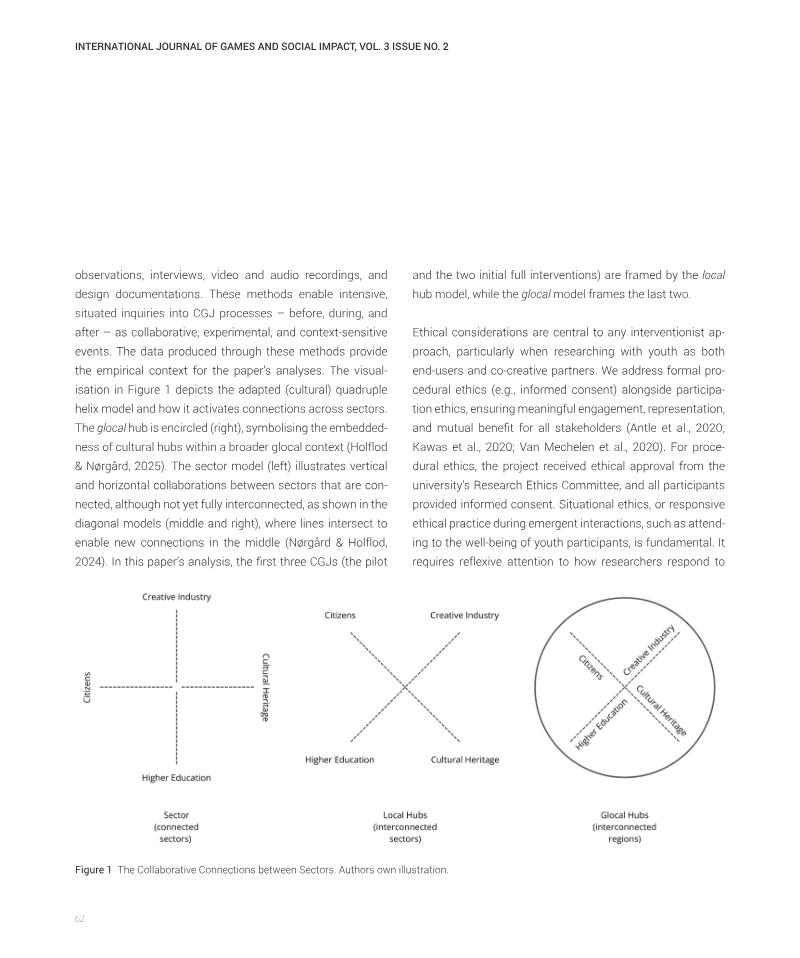
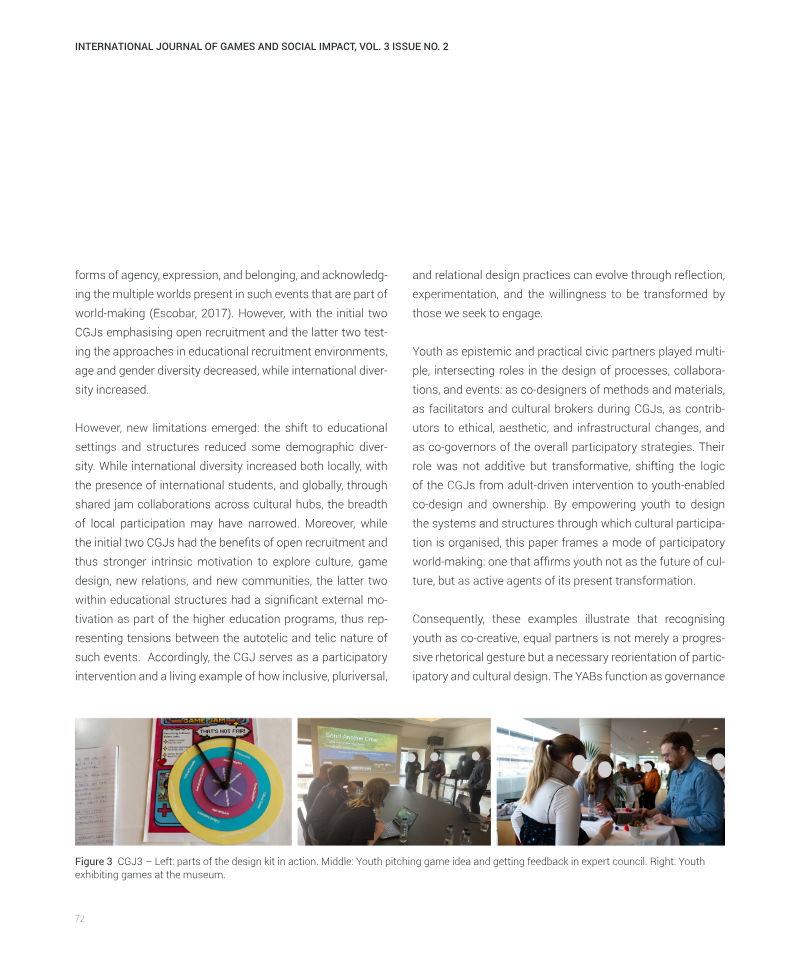
International Journal of Games and Social Impact · 2025
International Journal of Games and Social Impact · 2025
International Journal of Games and Social Impact · 2025
European Conference on Games Based Learning (ECGBL) · 2026