1 free read left. Create a free account for unlimited reading + AI research.
Create free accountArticle The Game Business
1 free read left. Create a free account for unlimited reading + AI research.
Create free accountArticleThe Game Business
The market saw 168 titles announced alongside a 57 percent surge in social engagement. This growth masks underlying instability in the industry.
The global video game industry is currently navigating a period of intense volatility, characterized by a saturation of content and shifting monetization models. During the 2026 summer showcase season, the market saw a 14 percent increase in game announcements, totaling 168 titles, alongside a 57 percent surge in social engagement. However, this growth masks underlying instability, as evidenced by widespread cost-cutting measures at major publishers like Ubisoft and the integration of in-game advertising by firms such as Electronic Arts. The sheer volume of new releases, exemplified by the thousands of demos featured at Steam Next Fest, has made discoverability a primary challenge for developers and publishers alike.
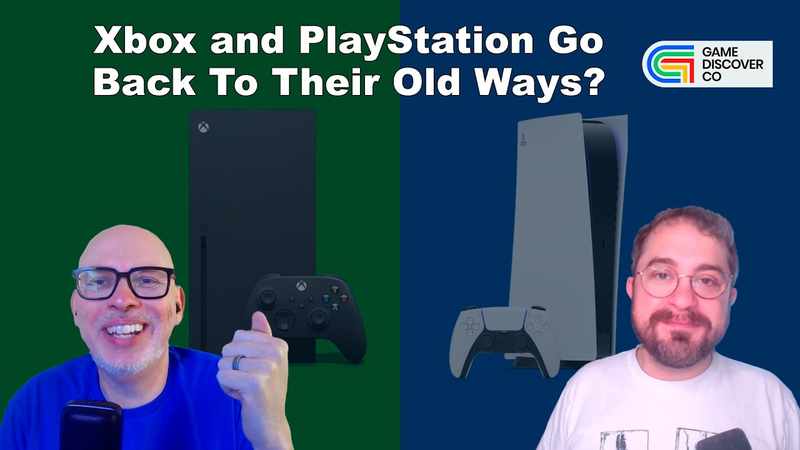
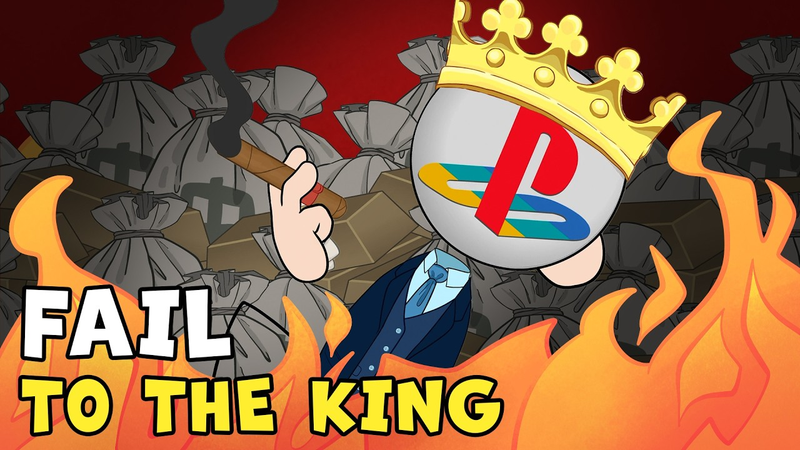
Within this competitive landscape, Xbox faces a critical inflection point. Despite an aggressive, multi-year acquisition strategy aimed at expanding its footprint across mobile, PC, and subscription services, the division has failed to achieve sustainable profitability. Financial performance has stagnated to the point where the platform generates less revenue than peripheral gaming entities like YouTube. This lack of focus has resulted in a bloated organizational structure that has struggled to leverage its vast portfolio of intellectual property effectively, necessitating a comprehensive and painful strategic reset.
To regain stability, Xbox is pivoting away from unfocused expansion toward a more disciplined, centralized model. This transition prioritizes the revitalization of core AAA franchises and the optimization of existing console operations over further studio acquisitions. As the industry grapples with the decline of traditional gaming journalism and the transition toward digital-only media, this shift represents a broader trend of retrenchment. Ultimately, the success of this reset depends on the company’s ability to reconcile its past structural excesses with the current economic reality, where profitability and operational efficiency have become more vital than sheer market presence.
The Game Business · 2026
The Game Business · 2026
The Game Business · 2026
The Game Business · 2026
The Game Business · 2026
The Game Business · 2026
The Game Business · 2026
The Game Business · 2026
The Game Business · 2026
The Game Business · 2026
The Game Business · 2026
The Game Business · 2026