1 free read left. Create a free account for unlimited reading + AI research.
Create free account
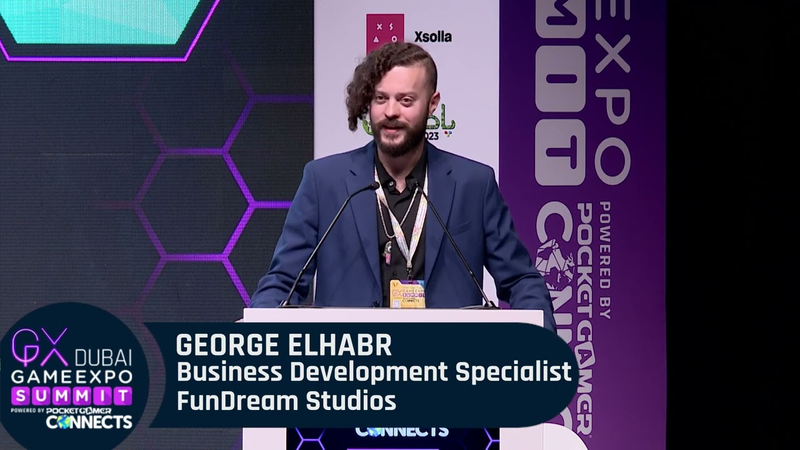
What They Didn't Tell You About Making Games - George Elhabr, FunDream Studios
Key insights
6 takeaways- 01Founders must transition from creative roles to business-oriented leadership, prioritizing financial projections, budgeting, and active product advocacy over purely artistic pursuits.
- 02Leaders must ruthlessly prioritize tasks and manage human capital to avoid scope creep and team burnout while ensuring alignment with long-term studio goals.
- 03Development success requires rigorous planning, including a concrete business plan and a production roadmap that accounts for marketing, localization, and post-launch support.
- 04Marketing and brand identity must be integrated into the development process from the start to validate market demand and prevent the risk of building a product that lacks an audience.
- 05Studios should actively solicit player feedback throughout the entire development cycle to ensure the final product meets market needs.
- 06Defining specific, measurable objectives is essential for maintaining team motivation and navigating the financial and operational complexities of the game industry.
Ask AI about this video
Transcript
the next up on this stage is a solo talk about what they didn't tell you about making games and I'm going right to the stage George from fun Dream Studios coming up George hey guys so I actually kind of rebranded this talk now it has a more spicy name it's called house starting a game studio is like running a pirate ship I think there's some similarities here so bear with me let's check it out first of all who am I why should you listen to me well I have over seven years experience in the games industry um I ran my own studio in Beirut Lebanon for five years doing mobile games working with International clients and partners around the world in Qatar UK
Japan Etc shipped games did everything from actually coding myself on Unity to you know then hiring people having to bring in projects having to fundraise bring in Partners Etc so I've had to wear pretty much all the hats that have to do with the running a game studio and I've also worked in business development and project management for other companies and so I've dealt with teams not just for my own company but for other people's companies and of varying sizes both in office and remote currently I also do consultings on all aspects of game development whether that's actual production or business and I am doing some Biz Dev for fund Dream Studios they're a studio based in Turkey working on a PC and console project that's basically a roguelike shooter game where you attach different body parts to get new powers like you know you attach an arm have a fire ability attach a new leg have lightning
ability so check out their website fundreamgames.com so why did I come up with this talk well basically you know when I started my own Studio years ago I wish I had someone who was asking me a bunch of obvious questions um because a lot of the points I'm going to bring up are actually obvious points and obvious questions but sometimes you think you have the answer but have you really thought of it so what I'm here to do today is to invite you to ask some questions over and over again until you feel like you really have the answer for that it can be very overwhelming if you're starting a studio for the first time you know you have to do everything from actually registering the company to finding people to figuring out what to do and running all the day-to-day stuff and the big picture sometimes slips away so I hope at least today I can help refocus on the big picture and remind you of what you're actually dealing with when running a game Studio so there's a lot of similarities to running a studio as there is to running
a ship you want to make sure you get to a certain destination you want to make sure the ship stays afloat it doesn't sink um and you want to you know take care of everyone working on the ship and make sure you can survive the journey so to make it more spicy let's make it a pirate chip I feel like game developers are often like Pirates you know we're passionate Bunch we like to be motivated by you know a lot of passion so if you're running a pirate ship you're the pirate Captain you're taking care of things you're keeping an eye on everything you're making sure you know you're not sinking you're also taking care of a crew you put together a crew you motivate them you keep them together you make sure they can survive and do the mission and obviously you need to chart the course you need to have somewhere to go you need to have a path to go through and you need to be going towards some island with some treasure on it and along the way you're managing a bunch of resources you have water you have food you know you want to actually survive the long journey
you also have to have an identity you want to announce your presence you want to wave your flag you want to be sending out Communications and building alliances and all of that means you're handling Communications and you have to go through dangers that are sometimes hidden Stormy Waters things you don't even know are going to be difficult on your path you need to find a way to to tough through it to stay afloat and to just finish the journey even though things get hard and obviously you want to get to the treasure so let's break down how some of these have parallel parallels concretely when it comes to running a game studio so starting with you being the captain pirate first of all like I said this is going to be a bunch of obvious points that I invite you to really think about so number one have a vision now might sound obvious right but I have to admit maybe the first two years when I was running my startup I don't think my vision was that clear like sure we
had an idea of what we were bringing to the world but in concrete terms did we actually think about it deep enough did we validate if the world needs what we're trying to provide you have to ask yourself a bunch of existential questions that can be quite difficult and maybe even depressing sometimes but make sure to ask yourself those questions so why does the world need you do you have think about it do you have an actual strong answer for that why does the world need you that's going to guide a lot of things when it comes to running your studio it's going to affect who you hire it's going to affect the projects you work on it's going to affect who your fundraise from so make sure you have a very good answer to this question and obviously it can change just make sure that you update it and you always have an answer try not to find yourself for long periods of time not having an answer to this question number two also sounds obvious right be a leader
but what does it actually mean when I first ran my studio like I said I was a programmer I was working inside unity and someone just had to step up and take the role of leading the studio you know doing all the day-to-day things that weren't actual production you could say I almost reluctantly became the CEO and maybe in the beginning I wasn't really taking responsibility for being the leader you need to be the person setting standards you need to be the person who's sending a criteria for how things are done and what is the quality bar that you're aiming for and what's acceptable and not acceptable when it comes to the work you do people who join you want to be led they want to understand what they're working towards very clearly and they want to understand the very clear criteria for what constitutes a good job and what constitutes a bad job be that person be the person who makes it very clear what is the bar that you're aiming for and also be the person making decisions there's often a lot of different
directions you can go and it can be overwhelming for Creative people to think of all the possibilities so you know oftentimes when you limit the canvas people can be more creative so make sure that you actually make the decisions and don't forget to motivate the people you work with you know you're working with human beings who you know are powered by Passion this is an important one you know a lot of us come from a gaming background maybe we were just nerds playing games when we started our own companies I can tell you I grew up an introvert but I had to become extroverted there was no other way like you have to be going up on stage you have to be pitching the product you have to be letting the world know about what you're doing so if you're not already used to being extroverted get used to it it's definitely required and if you're not a numbers person become one you know you are running a business at
the end of the day it's not enough to just know how to make games you are operating a machine you know with certain numbers with input and output and unless the formula makes sense the whole ship's going to sink so become a numbers person and you're going to need this for a lot of things you know budgeting Financial projections anyone who might want to invest in you wants to know what kind of numbers you need how much money do you need to be spending how much money do you expect to make you need to have numbers for that let's talk about running your crew or your team so first of all obviously find the right people but what does that really mean this links back to the vision when you establish a vision you establish what you're working towards and how you're working towards it find the people who can help you do what you're trying to do in very concrete terms so what does that mean that means assessing people to make sure that they're the right people you want to
work with that means taking a chunk that's exemplary of the work that they might have to do day to day and giving that to them as an assessment making sure they can get the job that you want them to do done um I found over the years that the more specific my assessment process was the better the results sometimes you could hire thinking this person is an all-around good talent but you just find out they're not the right person for the specific thing you need so make sure to assess in very specific terms and very specific tests for whoever you're trying to find also I mean a startup can mean people wear many hats but you want to be careful about that you don't want to just be bringing people on board to do whatever is needed this week you need to assign clear responsibilities people like to know what they're there for um write down in specific terms what are the short and long-term expectations what are you expecting from this person what are his exact responsibilities
and try not to change that too often obviously there might be change required along the way but if you're changing people's responsibilities and expectations too often you're just creating chaos so make sure to be very clear about what do you expect from people and try not to change it too often then you have to motivate the people you work with you're not working with machines you're working with human beings and you need to understand their career goals why are they here what is their long-term Vision how do they see what they're doing now fitting in into their long-term plan try to create an environment where people feel like they are growing with the product that you're building with the game that you're developing and don't forget to communicate it doesn't feel great when you're working somewhere where people don't really know what's happening what's changing what is going on behind the scenes why are we doing what we're doing um and also you might never find out that someone's feeling disillusioned or burnt out or not even excited for
example you need to talk to people have one-on-ones with with the people you work with don't just have the meetings where everyone kind of quietly shows up and then logs off have one-on-ones with your people just like having a treasure map you want to have a clear destination for what you're doing with your studio and what I would say is do business first remember that you're running a business you're not just making a game and a business means you need to have a business plan you need to understand how are you going to spend your money you need to understand how are you going to make money have a business plan that's number one and number two is making a game so don't forget that order you are running a business when it comes to making the game make sure to Define it as well as possible research the market test the concept make sure what you're trying to make is something people want um and make sure that what you're making
is something you you and your team are good at so this also goes back to the vision and and the people that you hired make sure that the skills that your team has are the ones needed for this game obviously you need to also plan out your entire Journey so have a production plan with the roadmap and Milestones and schedules and importantly priorities because things might change along the way and you need to know what can go out and What needs to stay that's prioritizing have a publishing plan how are you going to release how are you going to go to the market are you going to self-publish do you want to work with a publisher don't leave this question to the last you know when it's too late when you've already made the game try to think of this from the start and obviously stick to the plan now change is inevitable but don't just be jumping at the latest Trend or the latest keyword try to stick to a plan get things done plan out the journey and actually execute it and finish it if you
just keep changing all the time you're just going to end up burning yourself and your team out so try to stick to the plans you come up with and if you adjust them have good reasons very good reasons for why you're changing the plan like like it's written here it's better to ship a game than run out of time and money so try to stick to the plan you also have to manage resources so the main resources you're going to be dealing with are time money and human resources so when it comes to time have you accounted for everything making a game is not just building the game making a game is development it's art it's sdks it's localization it's QA and testing it's creating marketing assets trailers things to put on social media it's planning for a soft launch it's maintaining the game and updating it and fixing bugs make sure you've planned out everything don't just plan for building the game what if you then run out of time and money you need to plan out the entire schedule
and you also want to choose the best launch Windows make sure you're releasing during a time that's actually good for your game not during a time where the market is swamped with other releases and your game is not seen so first resources time second resource money obviously you need money to sustain your team you need money to maybe do some small marketing tests but after you've set up your schedule calculate how much money you need to get that done and try not to be too like too tight with the way you plan money like if you plan that you need a year to finish your game do you have enough money if everything goes wrong let's say it takes you twice the amount of time is that doable try to understand how much leeway you have in that time things will go wrong so make sure you have extra don't just plan for exactly the resources you have and obviously you need to manage human resources and that means your staff that means your team motivation energy and
involvement you know the longer a project drags on the higher the risk you have of losing key people who are important to the project and also you need to build and maintain relationships and connections with Partners in the industry who couldn't make your games successful next you need to worry about identity so build from the start with marketing in mind these days especially you can't just put a game out there and have it succeed you need to be thinking from the start what is the hook of your game make sure that your game has a segment in the market that's that's healthy and that you can release and figure out how you'll be doing the marketing before committing to the game itself if it's a dead end in terms of marketing what's the point of developing the game itself make sure that you know at least have an idea of what the main way that you're going to Market your game is going to be and you know sometimes that means you
have to build your game in a way that it's marketable there's no other way around it you can't just build the thing you want and hope people want it so plan for marketing also create an identity you know logo a tone that you use on social media some branding that's recognizable and consistent and send out Communications you know have a newsletter have social media set up for your studio and for your games have a press kit for if someone wants to write an article about your game can they easily go to your website and find all the information you need next let's talk about the dangers you'll have along the way things will go wrong I can guarantee that so but stay realistic and stay positive um I'm going to focus on this stay positive part because it can get tiring but you need to find a way to actually enjoy it
be ready to adapt re-prioritize give up on features or even on the whole game idea if it comes to that but find a way to actually stay realistic and stay positive and it will be more work than you thought building games is hard it's one of the hardest things I've had to do I used to work in software development before and I have to say building games is harder I mean you're doing entertainment and Technical challenges and marketing challenges all at the same time be ready for the tough challenges and find ways to enjoy them and don't navigate in the dark don't build a game not tell anyone about it and then when it's done try to Market it that's too late make sure that you're actually going in the right direction don't spend a year working on a game and then find out no one wants it that's going to destroy your studio that's gonna that's gonna mean you spent a year of resources and there's no recovering from that make sure that you can test with new
players as often as possible make sure you can get feedback and advice from people along the way sometimes you might even change your plan based on the feedback you get and don't wait to find problems hunt them down go out and seek out these problems and try to solve them along the way and most importantly finish the journey finish the game don't keep adding features we have this tournament in the games industry called scope creep you know if you don't actually say that this is the game I'm gonna make and I'm just going to finish it the game might take forever you might run out of all your resources before you even get to put your game out now what is the treasure that you're after do you actually know what you're trying to achieve what does success look like this year don't have some kind of generic metrics like I just want to make money no be very specific what is your goal it could be money it could be a successful game
it could be recognition ideally sure it's all of those things but it's not always going to be the case that you can achieve all those things so pick your priorities your strategy might differ based on what your priorities are if you just want to get attention you know that's one way to approach things maybe you just want to get funding maybe you want to just build a name this year figure out what your goal is and optimize everything you do based on that goal and then after you've determined what your treasure is is your treasure actually worth it I mean like I said making games is hard what's the potential of the treasure you're seeking what's the potential of the best case scenario that you're seeking does it actually excite you does it motivate your team can everyone stay excited for two years or however long it takes to build your game so that you may reach that treasure and also where is your treasure are you searching for your treasure in the right place are you sure
and is it still there you know remember you're not the only pirate out there in the sea everyone's trying to reach the treasure maybe someone already took it maybe the market segment you're working towards has already been served make sure that you keep an eye on the treasure and who else is trying to search for it and finally are you digging deep enough and what I mean by that is don't just do the minimum and expect things to go right even if you make the perfect product the perfect game for the perfect Market Niche are you giving it the best chance are you giving it the best quality that it can have in the time you have are you targeting the right people in the best ways possible are you maximizing your chances of success so many times people build the right game but they just have something missing or they don't know how to reach the right people and maybe in a year someone makes the same game with a small tweak or manages to reach the same audience and the same game idea succeeds so just make sure
that you give it your all try everything and that's it for me so happy treasure hunting and you can add me on LinkedIn I'm happy to consult with anyone who's starting out the new you know I always wish there was someone to ask me tough questions like this when I was starting out so I'm always happy to speak and check out fundream.games they're building some cool stuff and thank you
Summary
Running a game studio is a complex, high-stakes endeavor that requires the strategic mindset of a pirate captain navigating a ship. Success depends on maintaining a clear vision, managing a crew, and effectively navigating the unpredictable waters of the game industry. Founders must transition from purely creative roles to business-oriented leadership, ensuring they possess a deep understanding of financial projections, budgeting, and the necessity of being an extroverted advocate for their product.
The core of studio management lies in rigorous planning and resource allocation. Founders must define their mission clearly, validate market demand, and establish a concrete business plan before development begins. This includes creating a realistic production roadmap that accounts for all development phases—including marketing, localization, and post-launch support—while avoiding the common pitfall of scope creep. Because time, money, and human capital are finite, leaders must prioritize tasks ruthlessly and maintain consistent communication with their teams to prevent burnout and ensure alignment with the studio’s long-term goals.
Marketing and identity must be integrated into the development process from the outset rather than treated as an afterthought. Studios should identify their target audience, build a recognizable brand, and actively seek player feedback throughout the development cycle to avoid the catastrophic risk of building a product that lacks market interest. Ultimately, success requires defining specific, measurable objectives—the "treasure"—and ensuring that the team remains motivated and focused on the path to reach it. By treating the studio as a business first and a creative project second, founders can better navigate industry challenges and maximize their chances of delivering a successful, sustainable product.






















Comments