ArticleMobile Dev Memo
What Does Apple’s New CEO Mean for the App Store?
21 Apr 20261 pages~2 min full read
The leadership transition at Apple, scheduled for September 1, 2026, marks a significant shift in the company’s executive structure. Tim Cook is set to transition from his role as CEO to executive chairman of the board, while John Ternus, the current senior vice president of Hardware Engineering, will assume the position of CEO. Additionally, Johny Srouji has been appointed as the new chief hardware officer, consolidating the company’s focus on its core hardware divisions.
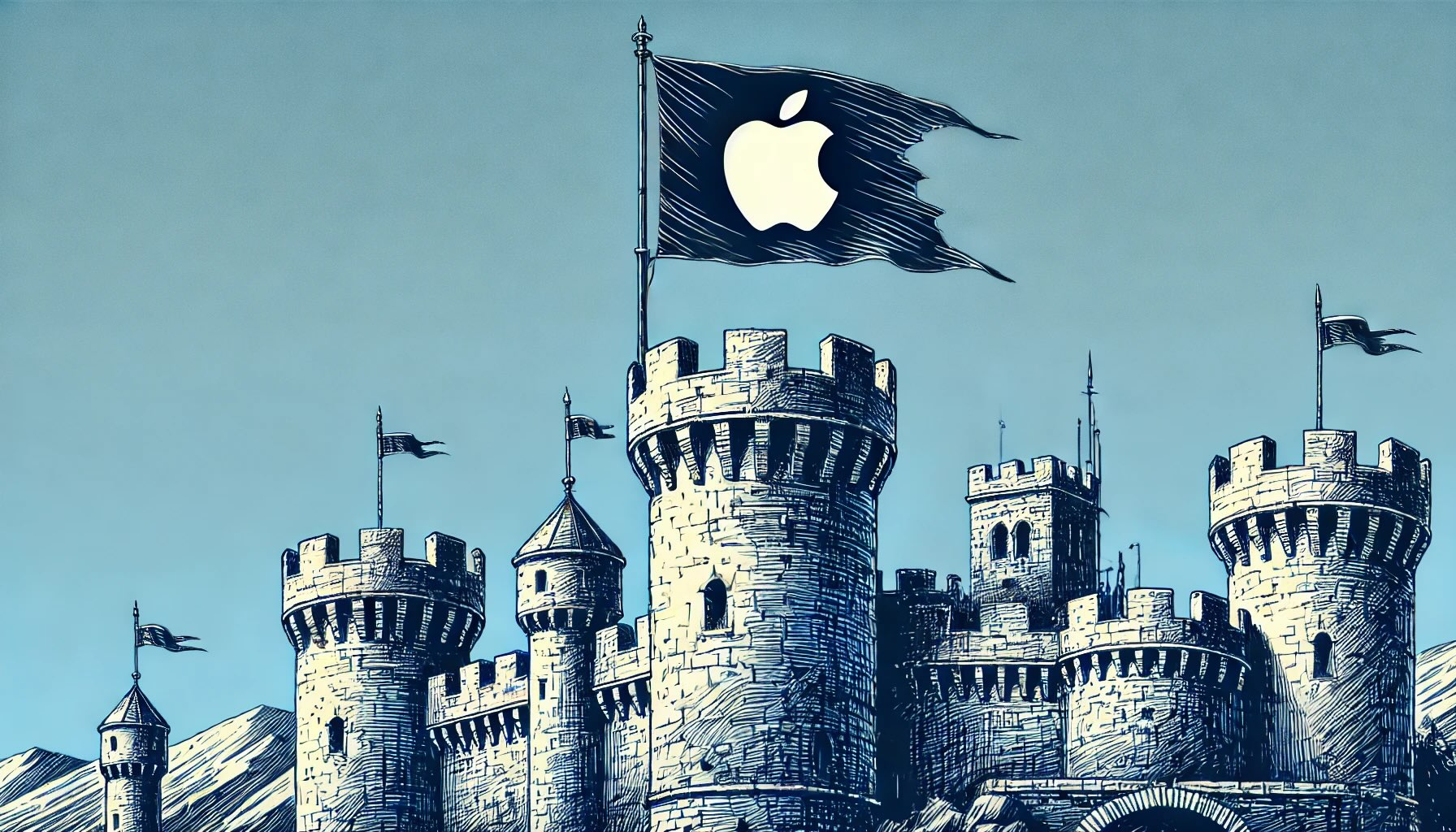
This change in leadership raises critical questions regarding the future strategic direction of the App Store, which has long been a focal point of regulatory scrutiny and revenue generation under the outgoing administration. By elevating leaders with deep roots in hardware engineering and technology, the company signals a potential shift in how it balances its proprietary ecosystem with external developer demands. The transition suggests that the future of the App Store may be increasingly viewed through the lens of hardware integration and technological infrastructure rather than purely as a software-driven service platform.
While the full implications of this transition remain subject to ongoing analysis, the move reflects a broader trend of aligning executive leadership with the company's hardware-centric business model. As the industry monitors these developments, the primary concern for stakeholders is whether this new leadership will maintain the existing App Store policies or pivot toward a more flexible approach in response to global market pressures and evolving competitive landscapes.

Mobile Dev Memo · 2026
Mobile Dev Memo · 2026

Mobile Dev Memo · 2026

Mobile Dev Memo · 2026
Mobile Dev Memo · 2026

Mobile Dev Memo · 2026

Mobile Dev Memo · 2026
Mobile Dev Memo · 2026

Mobile Dev Memo · 2026
Mobile Dev Memo · 2026

Mobile Dev Memo · 2026

Mobile Dev Memo · 2026

Almedia · 2026
Sensor Tower · 2026

Sensor Tower · 2026

AppLovin · 2026

Sensor Tower · 2026
Modern Times Group · 2026
AppMagic · 2026
InvestGame · 2026

Sensor Tower · 2026

Sensor Tower · 2026
Coda · 2026

InvestGame · 2025