Key insights
6 slides
What changed
Steam China moves developers from unregulated access to strict approval.
Valve prepares to launch a localized version of its platform. The primary concern is the transition to a market requiring strict government approval.
Regulatory shift. Steam China shifts the market from an unregulated environment to one requiring strict NPPA government approval.
Key number
Fewer than 100 import games were expected to receive approval in 2020.
The pipeline for foreign titles is extremely limited. This contrasts with the thousands of titles released annually on the global Steam storefront.
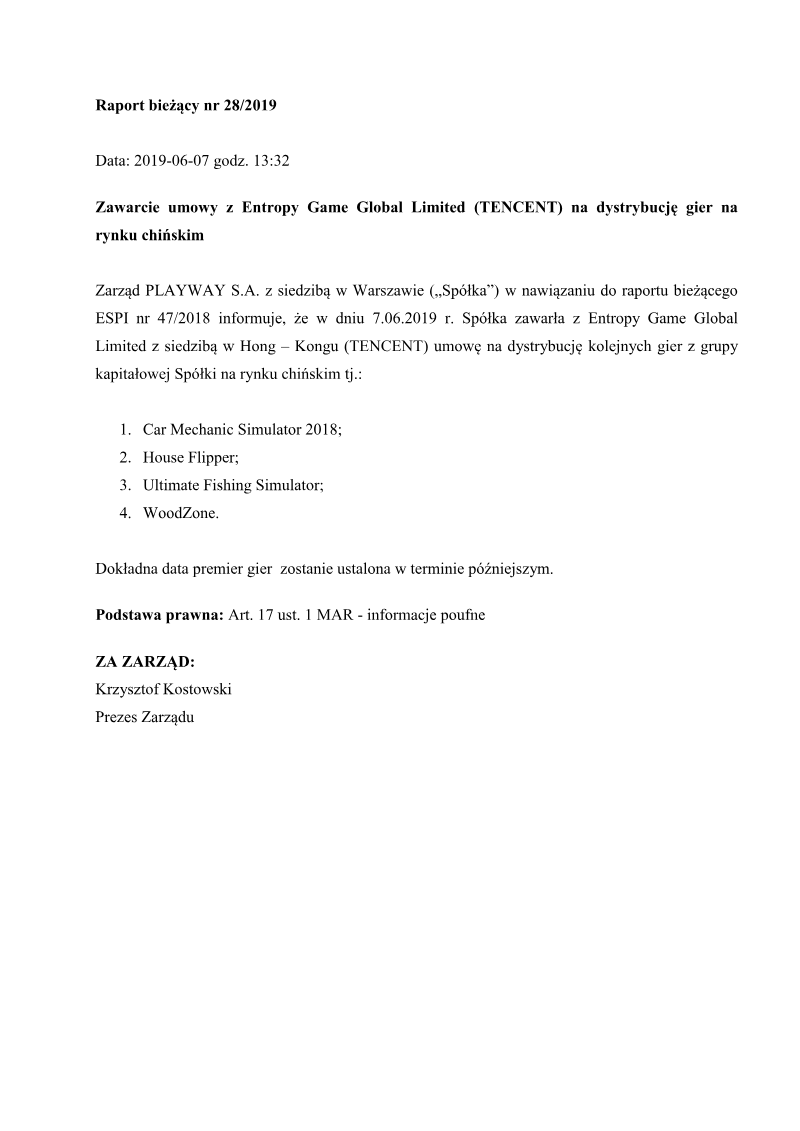
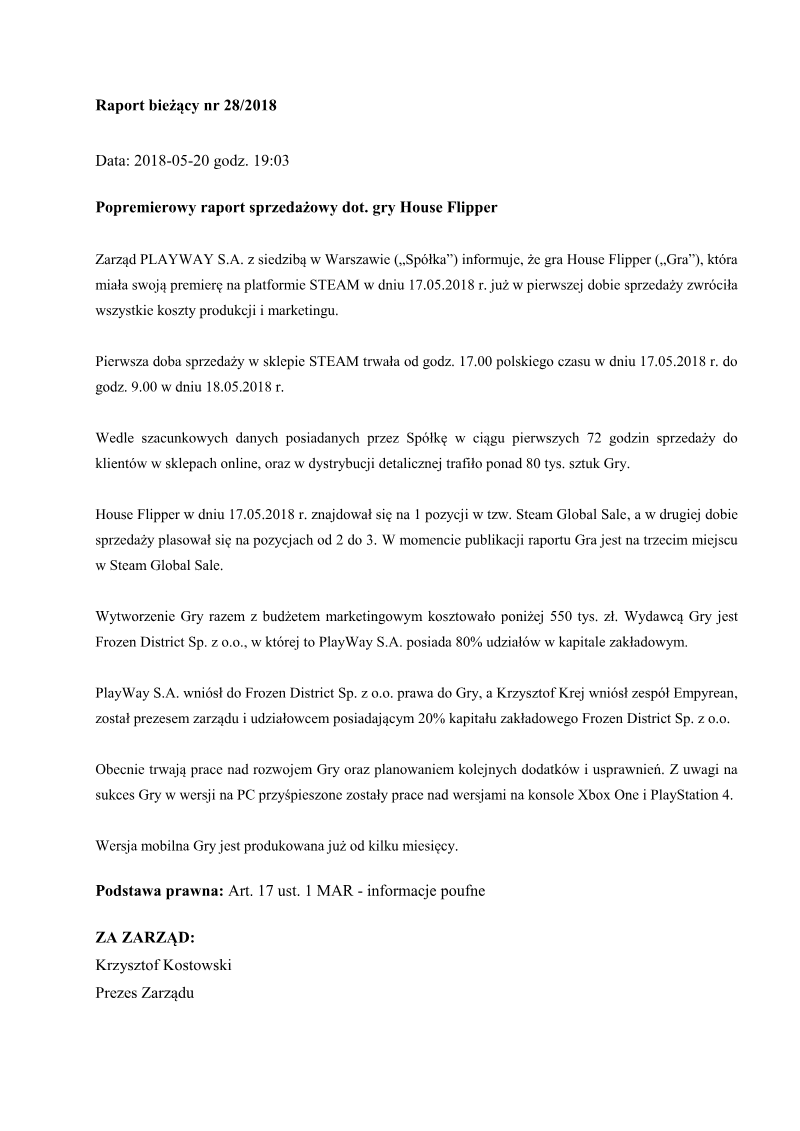
Barriers to entry
Compliance requires a local partner and adherence to stringent standards.
Developers must secure a local Chinese publishing partner. Content touching on sensitive topics faces a high probability of rejection.
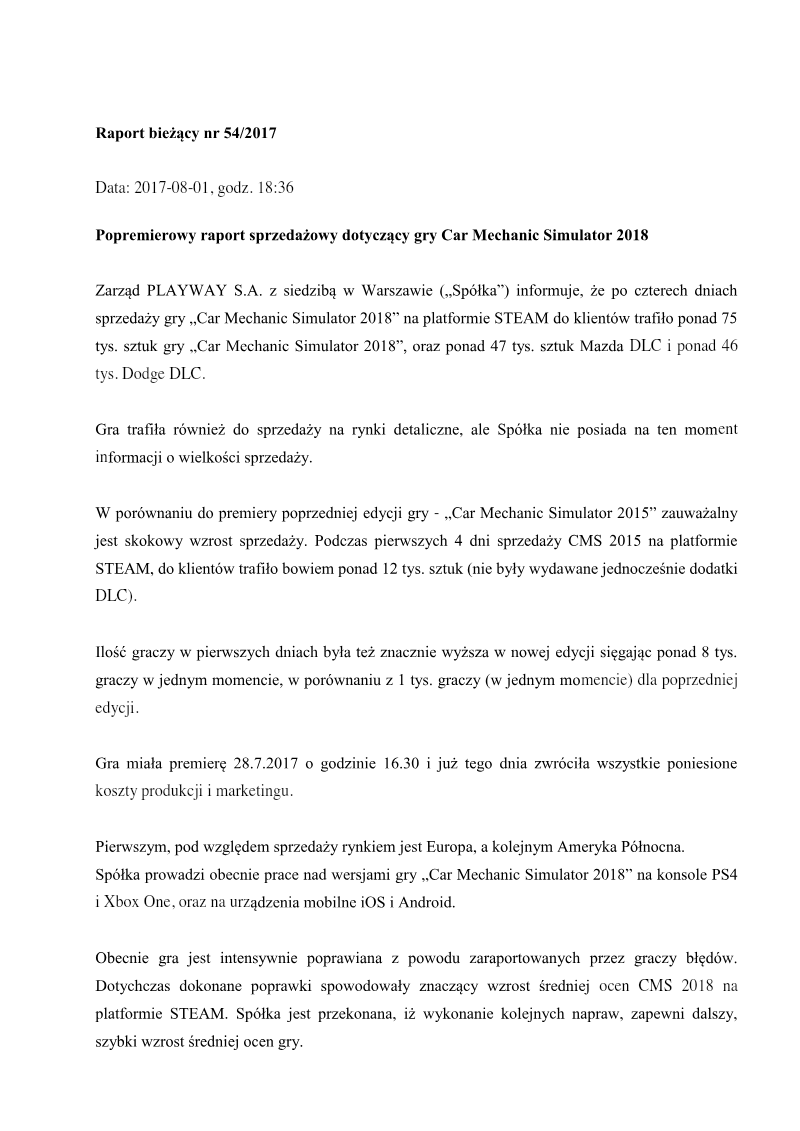
Revenue reality
China's net revenue contribution is often closer to 9% to 18%.
Some games derive 10% to 27% of unit sales from China. Lower regional pricing and higher refund rates reduce the actual contribution to net revenue.
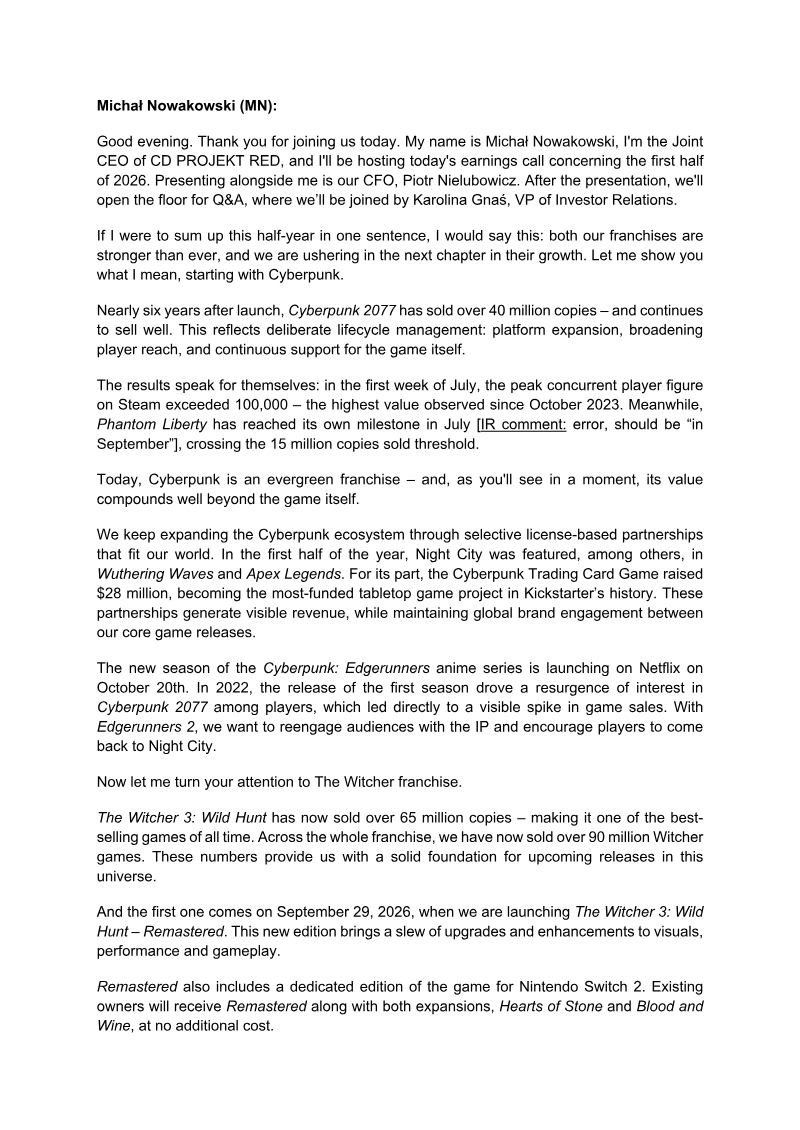
Market disruption
An exclusive Steam China model threatens historical developer access.
Developers have historically relied on the global platform to reach Chinese audiences. The potential transition to an exclusive model represents a major disruption.
The outlook
The trend points toward a more restricted, government-sanctioned environment.
The prospect of obtaining an ISBN license is viewed as unlikely for most independent developers.
Restricted outlook. The trend points toward a more restricted, government-sanctioned environment for digital entertainment in China.
1 / 6
Ask AI about this report