Loading the document
1 free read left. Create a free account for unlimited reading + AI research.
Create free accountWhitepaper DiGRA
1 free read left. Create a free account for unlimited reading + AI research.
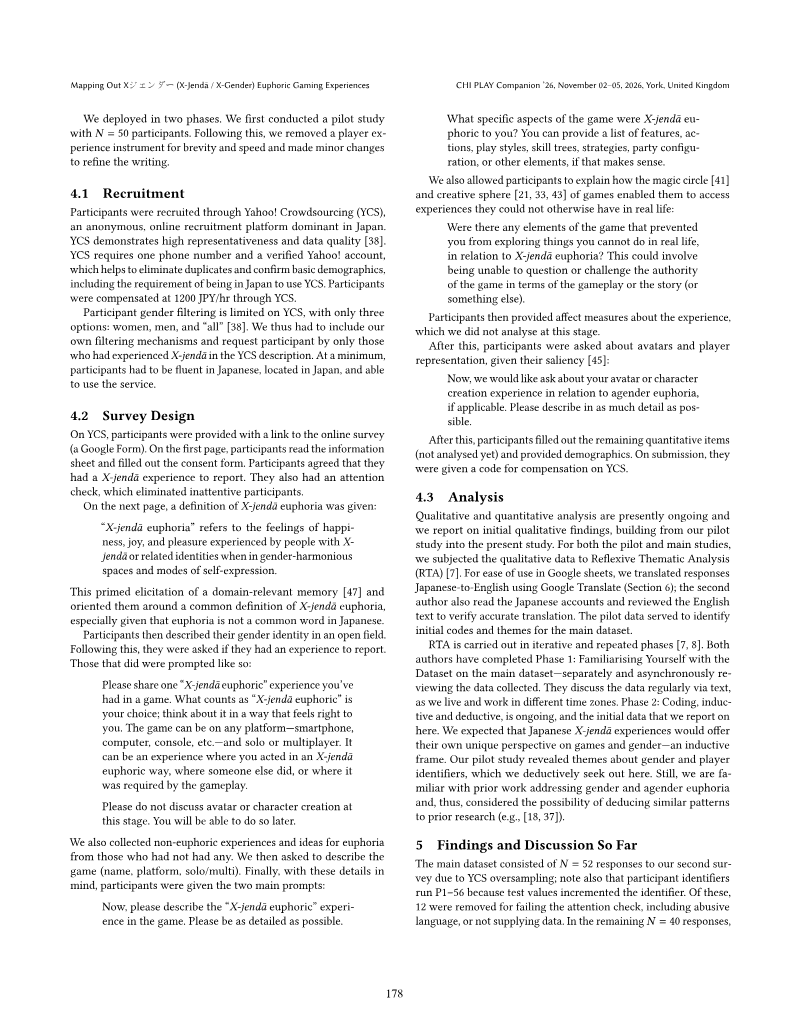
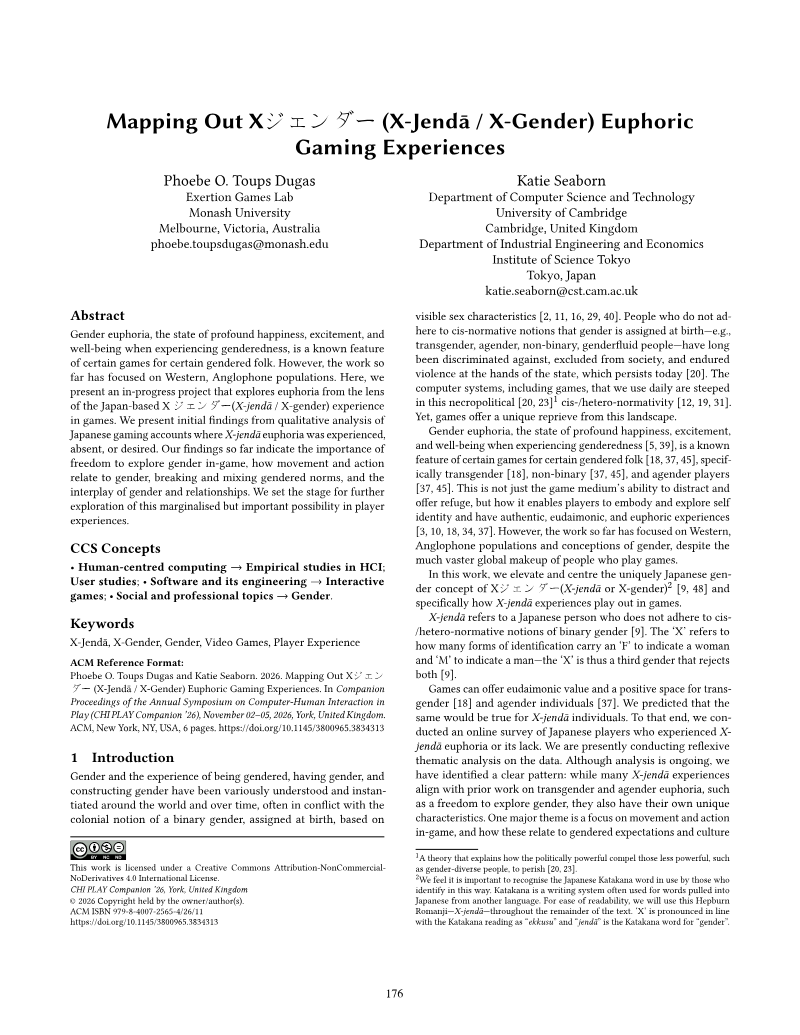
Create free accountWhitepaperDiGRA
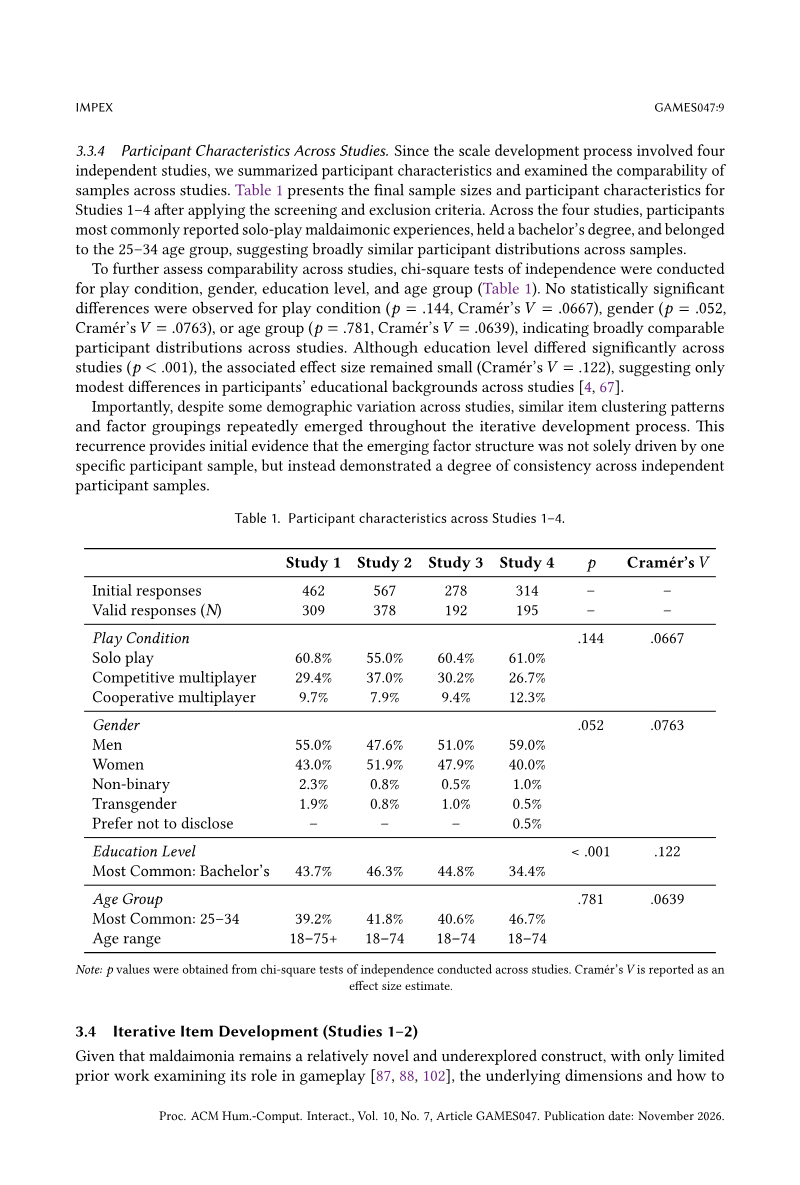
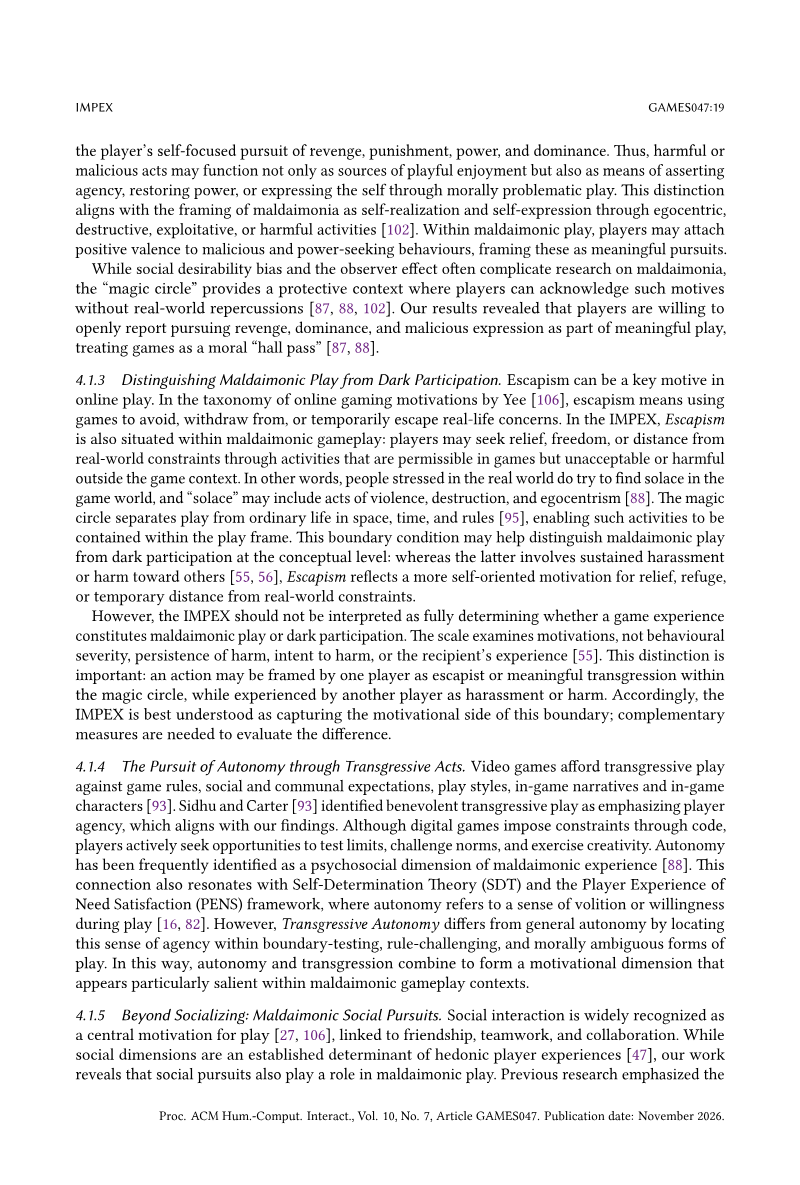
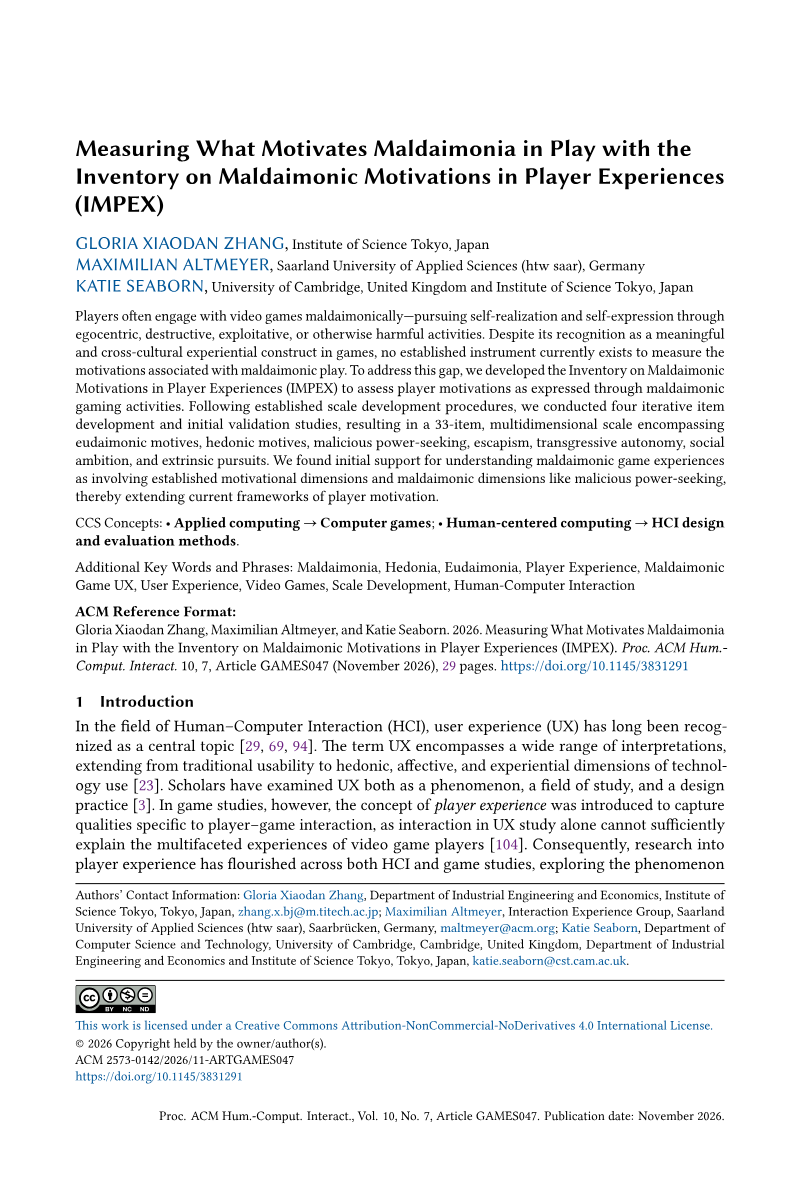
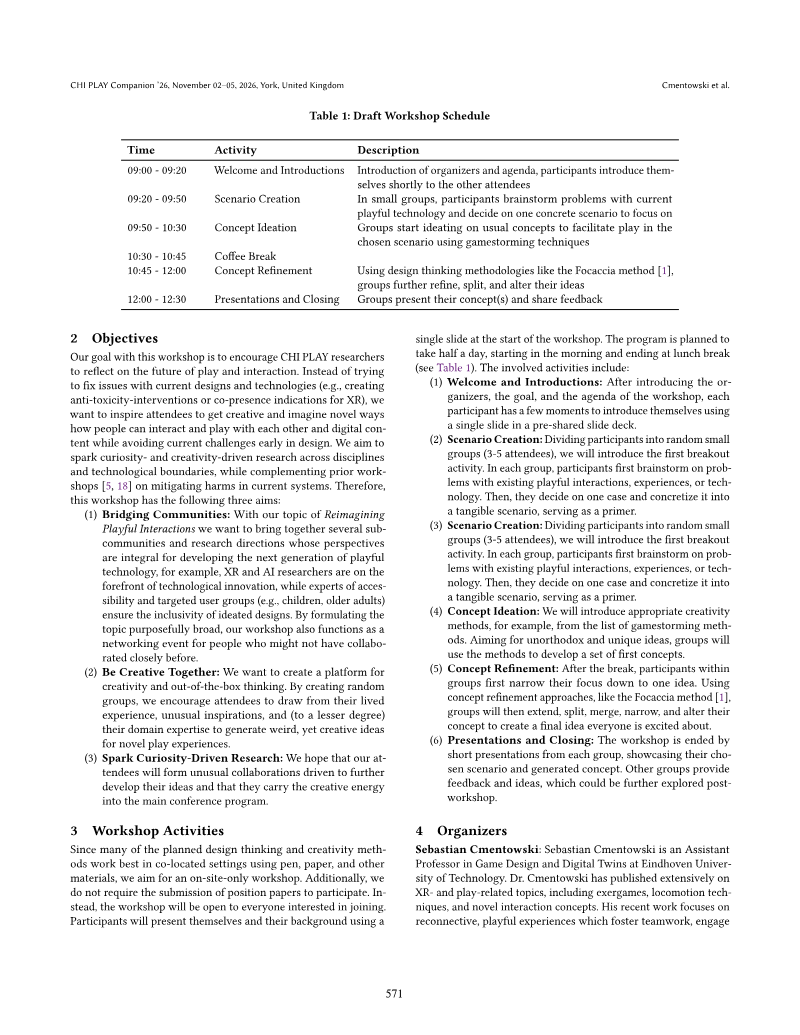
War Ethics: A Framework for Analyzing Videogames proposes a structured method for evaluating the ethical dimensions of war-themed games, grounded in just war theory and its three divisions of jus ad bellum, jus in bello, and jus post bellum. Its central argument is that the ethics of war in games remains underexplored relative to the medium's long engagement with military themes. The framework rests on a deliberately broad definition of the "wargame," encompassing any game with representational war, and on five analytical lenses: perspective, scale and scope, centrality, type of military, and authenticity. The authors draw on evidence such as a 2012 Red Cross report and Castillo's 2009 analysis, which found that games frequently misrepresent or omit international humanitarian law.
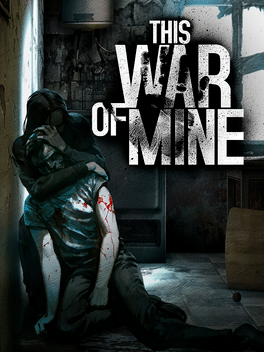
The analysis indicates that perspective shapes which moral questions a player confronts, whether through the intimate first-person soldier of Spec Ops: The Line, the civilian survival focus of This War of Mine, or the detached national commander of DEFCON. Scale and scope reveal a further pattern: most war games address only the conduct of fighting itself, leaving the reasons for war and its aftermath largely unexamined, though titles such as DEFCON and Valiant Hearts prompt reflection on escalation and cost. The centrality of war to a game and the category of military a player serves, whether regular, irregular, law enforcement, or covert, each carry distinct ethical implications warranting separate scrutiny.
The framework's treatment of authenticity forms a critical component of the analysis. Claims of realism in war games are characterized as selective and capable of misleading audiences through embedded narratives and perspectival bias, as illustrated by America's Army and Spec Ops: The Line. The authors emphasize that omitted elements, such as civilians or humanitarian law, can carry as much ethical weight as what is included. Ultimately, the work offers guiding questions for assessing realism while acknowledging its inherent subjectivity, aiming to identify where authenticity is pursued and where it falls short.
Each row is a game or company this document names, each column a document, oldest first. A mark means that document names it. Select a row to see those documents.

DiGRA · 2026

DiGRA · 2026



DiGRA · 2026
Eindhoven University of Technology · 2026