1 free read left. Create a free account for unlimited reading + AI research.
Create free accountArticle G|A|M|E – The Italian Journal of Game Studies
1 free read left. Create a free account for unlimited reading + AI research.
Create free accountArticleG|A|M|E – The Italian Journal of Game Studies
Gabriel Menotti argues that recorded video playthroughs shape how games are played, improved and developed. He treats them as more than a peripheral byproduct of game culture.
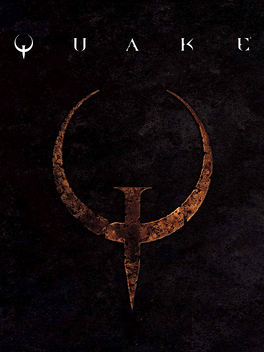
Gabriel Menotti's paper argues that recorded video playthroughs are not a peripheral byproduct of game culture but an integral force shaping how games are played, improved, and developed. Tracing the lineage from early speedrunning videos and Quake demo movies to contemporary emulator-based tool-assisted runs, the work reframes machinima as originating in high-performance play rather than narrative filmmaking. Drawing on Tom Gunning's concept of the cinema of attractions and James Newman's account of videogames as socially constructed objects, it positions these "non-narrative" recordings as central to the medium's evolving identity.
The analysis examines three practices in which recorded playthroughs operate: tool-assisted speedruns, which pursue perfection through legally unauthorized and often trick-driven techniques; let's play videos, which combine humor and tutorial instruction in a mode akin to direct cinema; and Minecraft documentation, where player recordings circulate creations, promote the game, and feed back into its development. Illustrative cases include HappyLee's Super Mario Bros. run, which was decided by a single frame, the "Super Mario Brothers - Frustration" let's play, and the Herobrine hoax, which Notch later acknowledged could inspire a future update. The author concludes that these recordings function as a dialogical bridge between niche subcultures and the mainstream gaming community.
The scope spans the history of recorded gameplay from its early precedents through the emulator-enabled expansion of speedrunning toward classic 8- and 16-bit titles, which has broadened and transformed the audience for such material. The paper also engages with the legal gray areas surrounding emulation, ROM use, and copyright, reflecting the tensions inherent in content derived from commercial software. Its sources bridge media theory, film history, and gaming archives such as TASVideos and the Speed Demos Archive, along with industry reporting on Minecraft's commercial success.
G|A|M|E – The Italian Journal of Game Studies · 2026