ReportAEVI
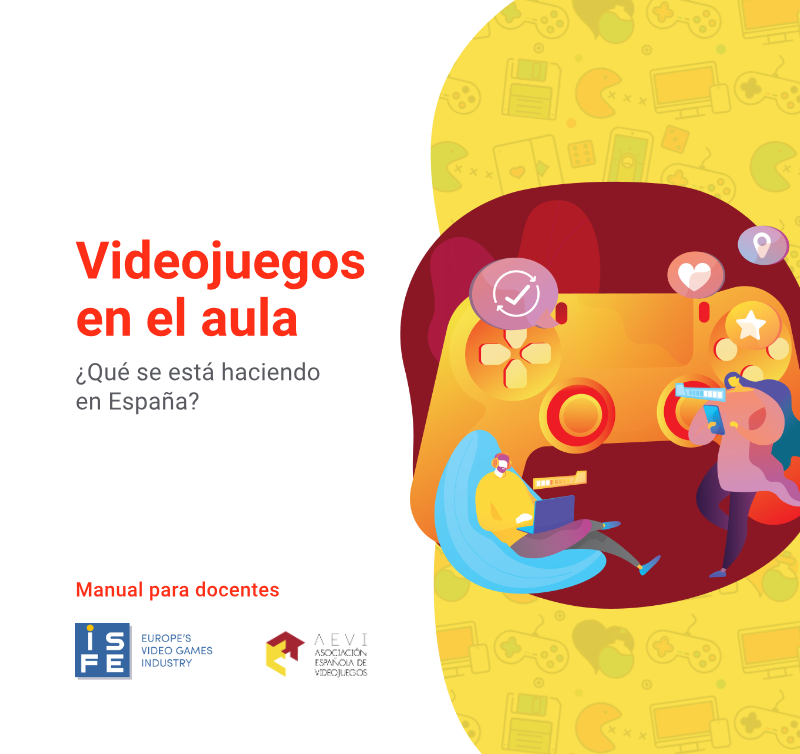
Videojuegos en el aula: ¿Qué se está haciendo en España? Manual para docentes
202014 pages~27 min full read
Spanish educators are increasingly embracing video games as legitimate pedagogical tools, recognizing their capacity to foster creativity, decision‑making, empathy and social interaction. Initiatives such as the “The Good Gamer” guide produced by the Association of Video Game Educators (AEVI) and the incorporation of titles like Minecraft Education Edition illustrate a shift toward using interactive media for subjects ranging from biodiversity and water‑management to digital competence. A diverse portfolio of serious‑games and gamified projects now supports classroom instruction, including bullying‑prevention applications such as Diana frente al espejo and Teacher+, curriculum‑reinforcement platforms like Academons and Villi Adventures, and culturally oriented experiences from museum tours to ballet simulations. These resources are employed not only to convey academic content but also to develop social‑emotional skills and preserve cultural heritage.
Collaboration across the ecosystem is extensive. Major industry players—including EA, Microsoft, Nintendo, Ubisoft and Take‑Two—alongside numerous independent studios, are partnering with Spanish universities and specialized schools such as Universidad Complutense, Universidad de La Coruña and Voxel School. This coalition is coordinated through bodies like the Interactive Software Federation of Europe, facilitating the design, testing and deployment of classroom‑based video‑game projects. The convergence of commercial expertise, academic research and educational policy signals a systemic endorsement of games as a core component of modern curricula throughout Spain, reflecting a broader European trend toward integrating interactive technology into formal learning environments.

AEVI · 2025
AEVI · 2025
AEVI · 2025
AEVI · 2025
AEVI · 2025

AEVI · 2025

AEVI · 2025
AEVI · 2025
AEVI · 2025
AEVI · 2025
AEVI · 2025

AEVI · 2025

European Schoolnet · 2023
AEVI · 2023
EUN Partnership AISBL · 2022
AEVI · 2025
European Schoolnet · 2024
AEVI · 2023
11 bit studios
BITKRAFT Ventures · 2026

Sensor Tower · 2026
Direcció General d’Innovació i Cultura Digital · 2025
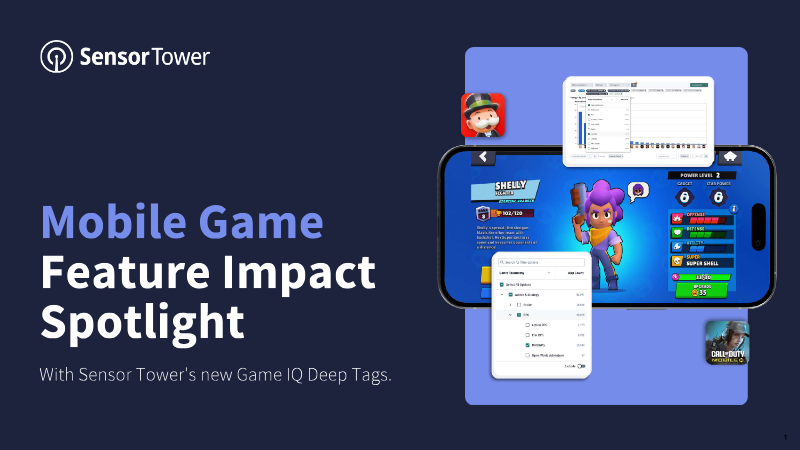
Sensor Tower · 2025

Sensor Tower · 2025