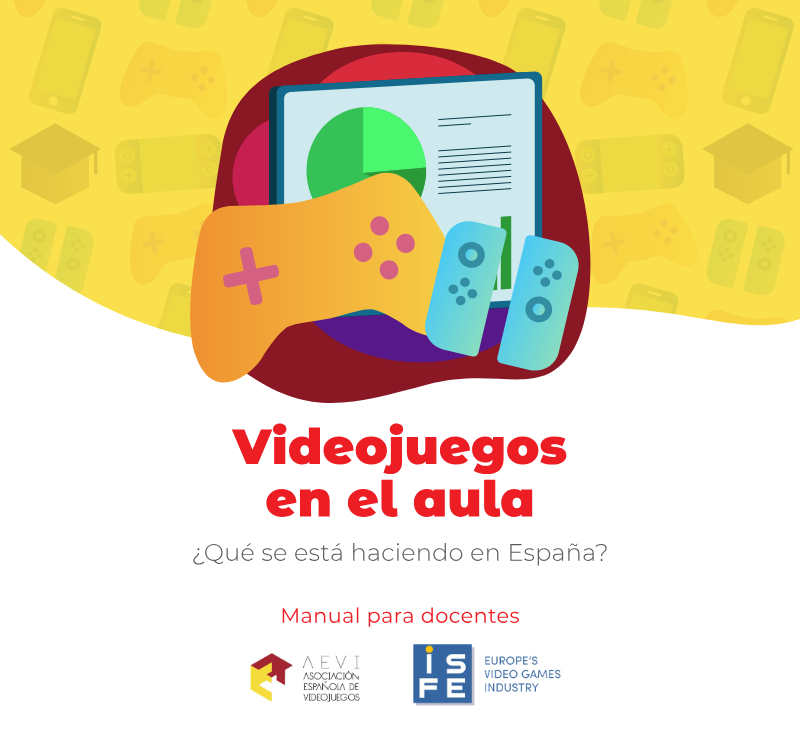
Spanish educators are progressively integrating video games into classroom practice, positioning interactive media as legitimate learning tools rather than mere entertainment. The manual demonstrates that, when combined with teacher training, games can stimulate creativity, empathy and digital competence, providing an engaging complement or alternative to traditional textbooks. Initiatives such as AEVI’s “The Good Gamer,” the nationwide rollout of Minecraft Education Edition, and locally developed titles—including EduZland, BetterWorld, Planet Rescuers, Koral and Endling—are now employed in more than a thousand schools to address subjects ranging from mathematics and language to civic values, environmental stewardship and mental‑health awareness.
A thriving ecosystem of Spanish‑origin serious games supports this pedagogical shift. Projects like Teacher+, Diana frente al espejo, Academons, Villi Adventures, 200 y +, Bailando un Tesoro, Poky Drivers, JUNIOR Esports, Futuros Talentos, Nintendo ESNE, EVAD Kids and Minecraft Education target a broad spectrum of curricular content—science, language, history, health and safety—and promote transversal values such as equality, anti‑bullying, teamwork and sustainability. The breadth of offerings illustrates a coordinated effort to embed game‑based learning across primary and secondary education.
The landscape is reinforced by a wide coalition of Spanish game developers, publishers and academic programs, including major studios such as Riot Games, Ubisoft and Take‑Two Interactive, alongside numerous university‑based game schools. This cross‑sector network is linked to the broader European context through the Interactive Software Federation of Europe, which represents trade associations from eighteen European nations and leading global companies. Together, these actors create a robust, responsible and economically vibrant environment for video‑game education and production throughout Spain and the wider European market.
AEVI · 2025
AEVI · 2025
AEVI · 2025
AEVI · 2025
AEVI · 2025

AEVI · 2025
AEVI · 2025
AEVI · 2025
AEVI · 2025
AEVI · 2025
AEVI · 2025
AEVI · 2025

European Schoolnet · 2023
EUN Partnership AISBL · 2022
AEVI · 2020
AEVI · 2025
European Schoolnet · 2024
AEVI · 2023
11 bit studios
BITKRAFT Ventures · 2026
Sensor Tower · 2026
Direcció General d’Innovació i Cultura Digital · 2025
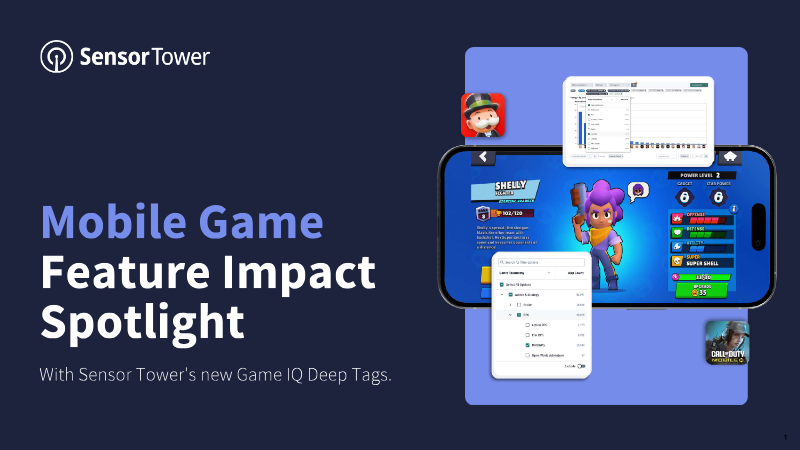
Sensor Tower · 2025
AEVI · 2025