1 free read left. Create a free account for unlimited reading + AI research.
Create free accountWhitepaperKinephanos
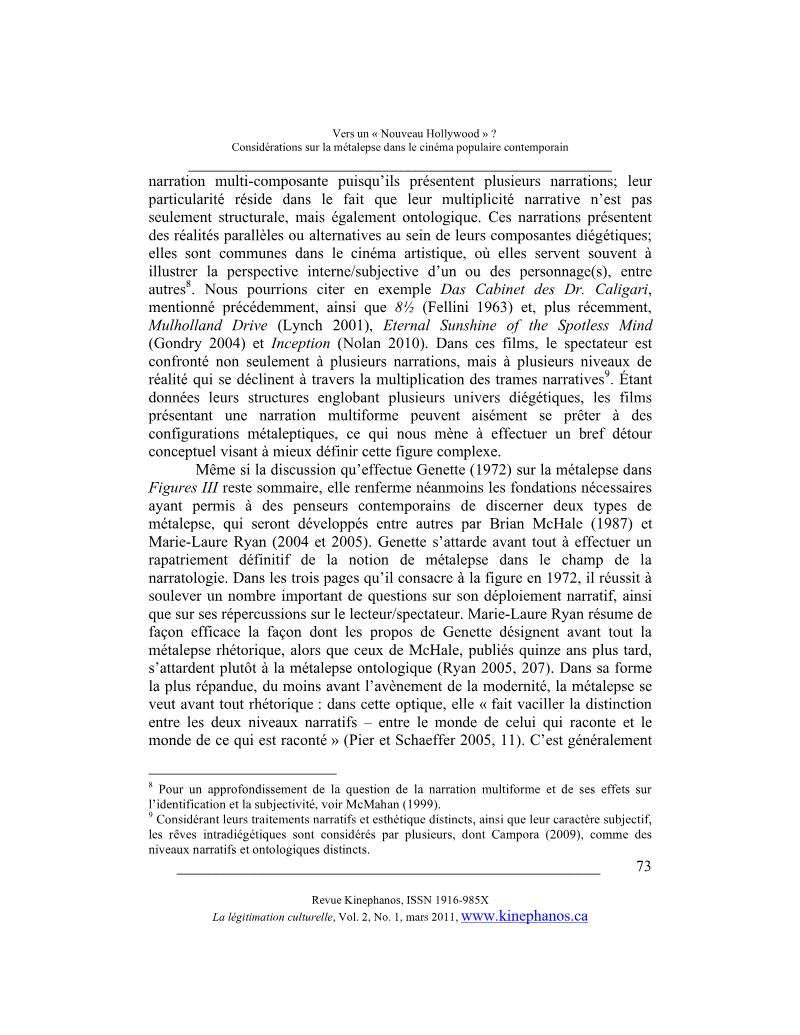
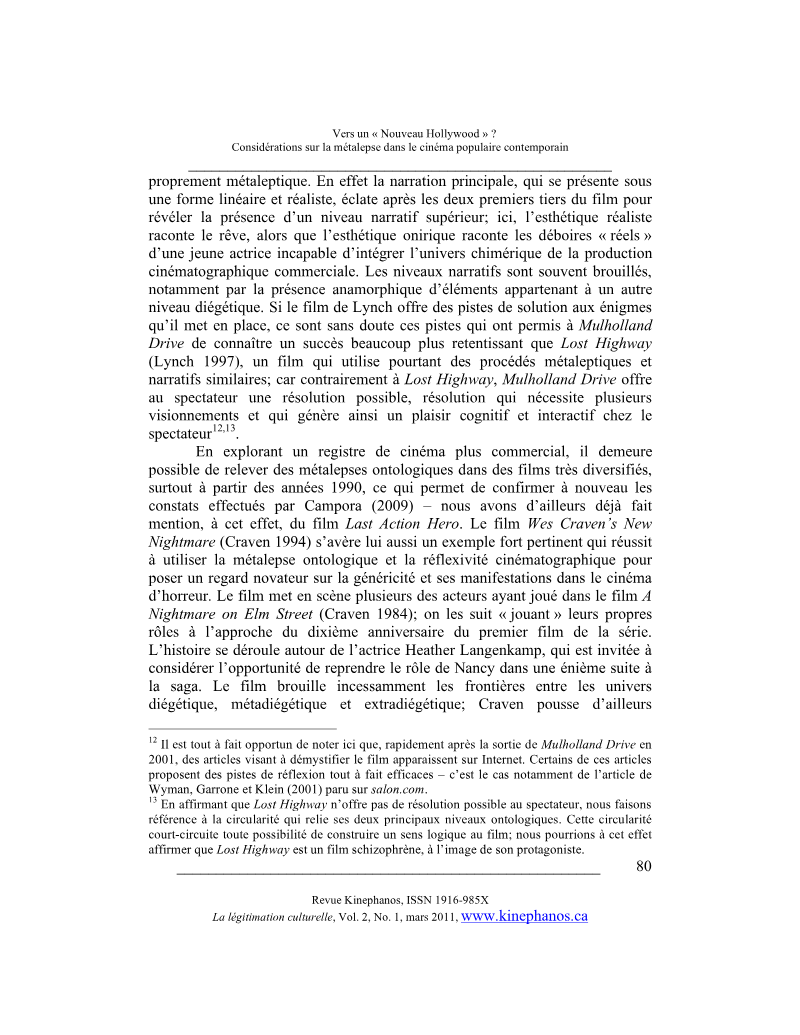
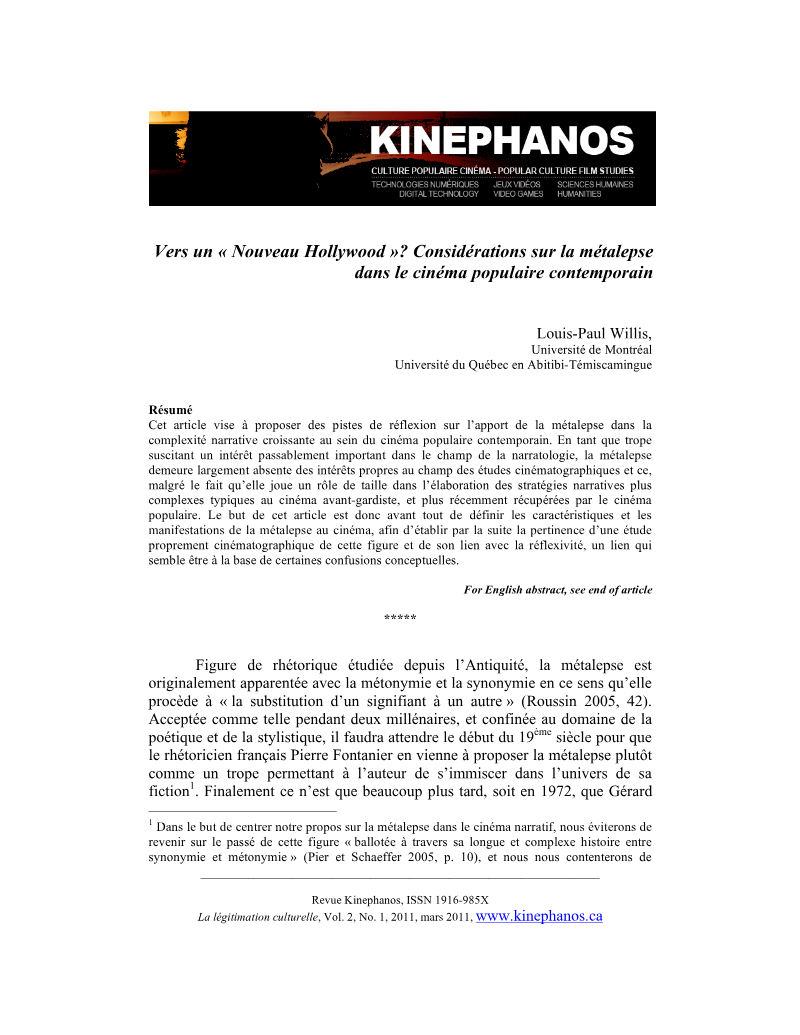
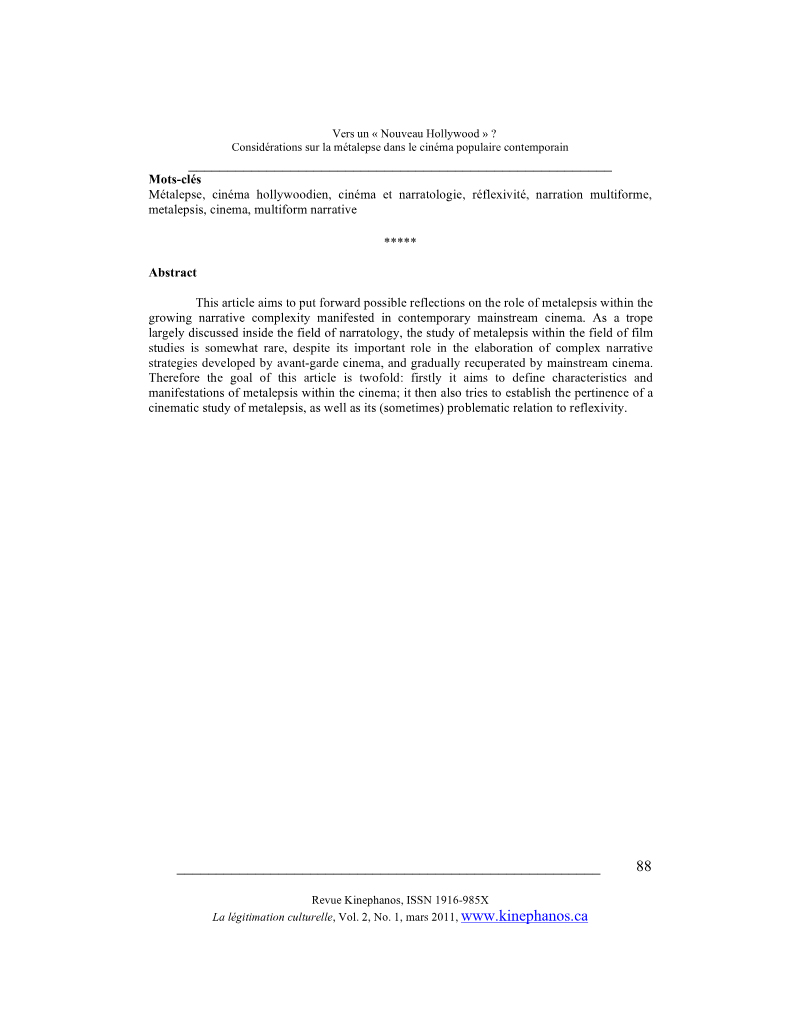
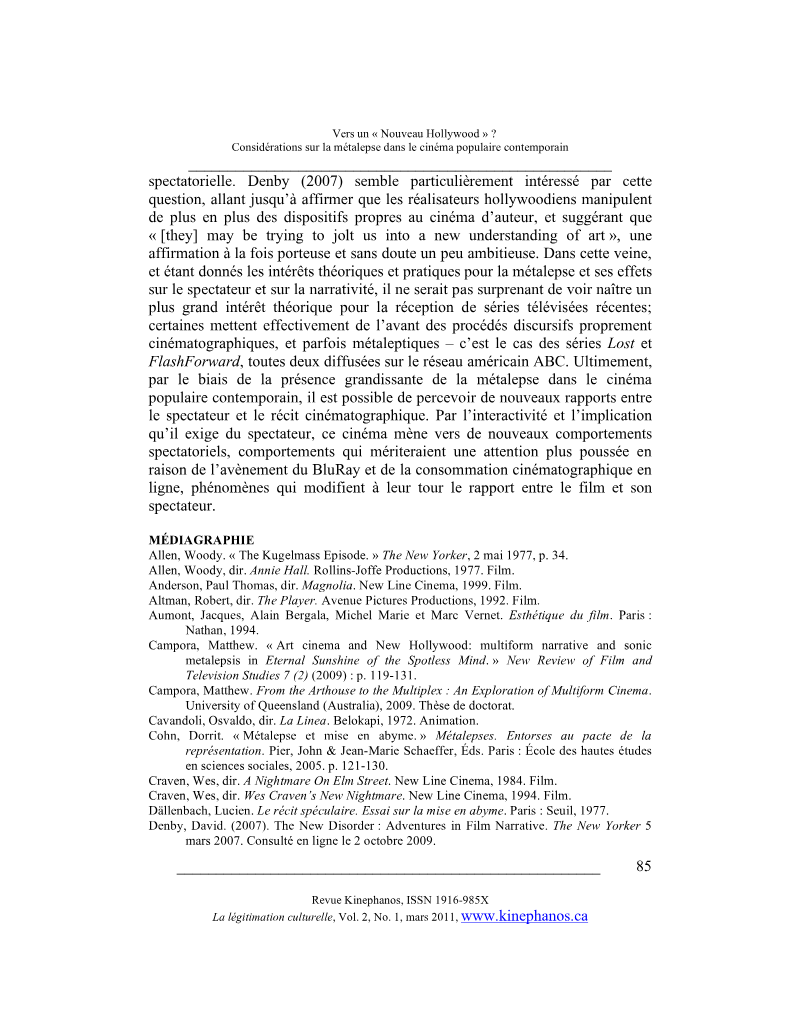
This technique involves transgressing boundaries between distinct narrative levels. Historically, metalepsis was confined to avant-garde experimentation or comedic vaudeville.
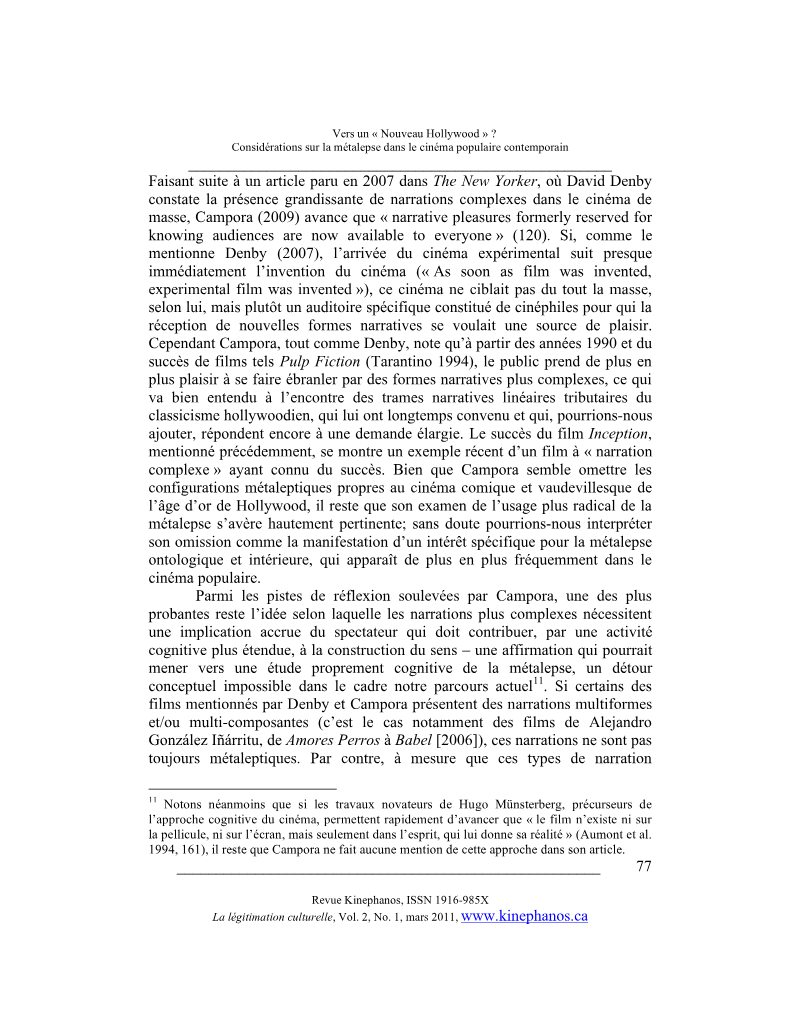
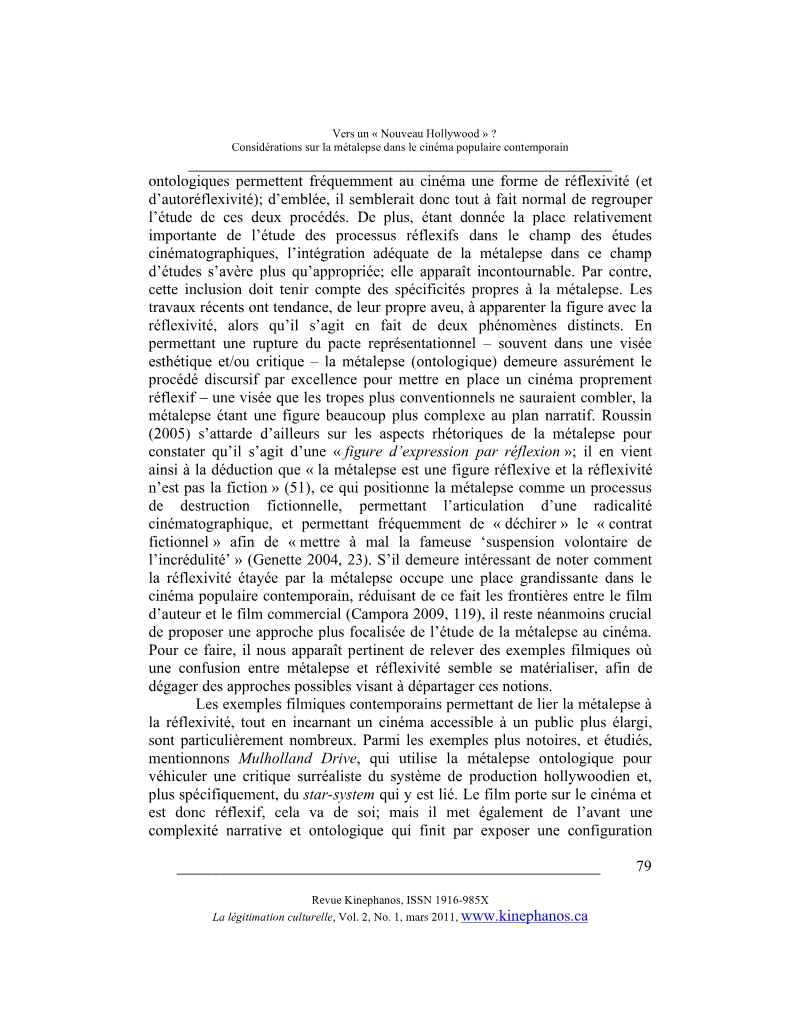
Contemporary popular cinema is undergoing a significant narrative evolution characterized by the frequent use of metalepsis, a technique involving the transgression of boundaries between distinct narrative levels. While historically relegated to avant-garde experimentation or comedic vaudeville, these ontological ruptures are now central to mainstream Hollywood storytelling. By breaking the representational pact between the film and the viewer, metalepsis forces audiences to engage in more complex cognitive processing to reconstruct the narrative, effectively bridging the gap between radical artistic expression and commercial entertainment.
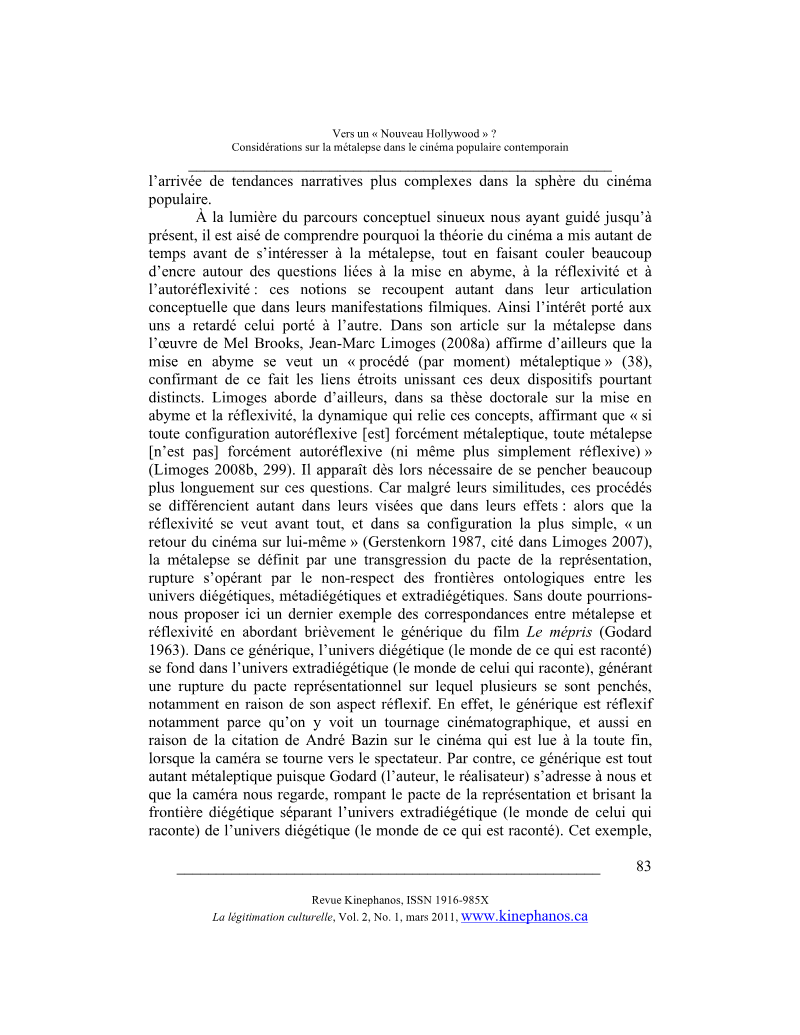
A critical distinction exists between general reflexivity and true metalepsis. While reflexivity often functions as a self-referential nod to the medium, metalepsis represents a more profound disruption of the fictional world’s internal logic. By blurring the lines between reality and representation, films such as Mulholland Drive and The Player demonstrate how these devices challenge the stability of the cinematic experience. This shift indicates that modern audiences are increasingly expected to navigate sophisticated, multi-layered structures that demand active participation rather than passive consumption.
Ultimately, the integration of these complex narrative strategies reflects a broader transformation in contemporary film aesthetics. The adoption of previously avant-garde techniques by major studios suggests that the mainstream industry is prioritizing interactive, intellectually demanding storytelling to maintain audience engagement. Refining the analytical framework for these devices is essential, as the current trend necessitates a clearer distinction between simple mise en abyme and the more destabilizing, ontological effects of metalepsis. This transition marks a departure from traditional linear narratives toward a "New Hollywood" model that embraces structural complexity as a standard feature of popular cinema.



Kinephanos · 2026
Kinephanos · 2026
Kinephanos · 2026
Kinephanos · 2025
Kinephanos · 2025
Kinephanos · 2025
Kinephanos · 2025
Kinephanos · 2025
Kinephanos · 2025
Kinephanos · 2025
Kinephanos · 2025
Kinephanos · 2025
DiGRA · 2026



Comments