1 free read left. Create a free account for unlimited reading + AI research.
Create free account
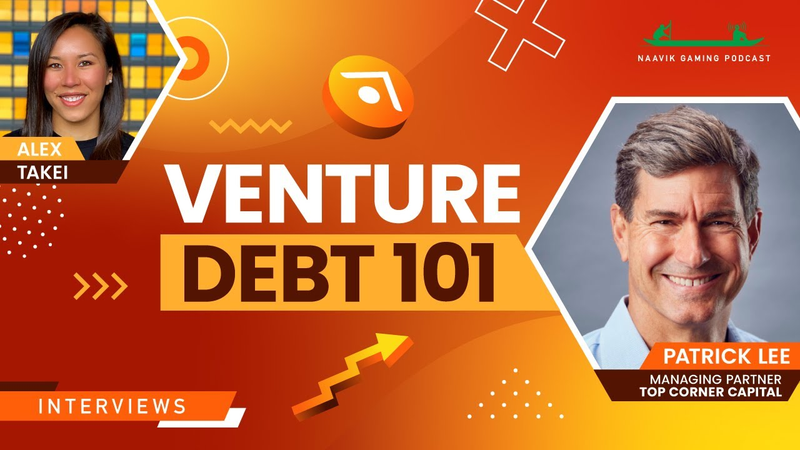
Venture Debt 101
Key insights
6 takeaways- 01Venture debt has evolved into a $29 billion financial sector that provides non-dilutive capital to startups that have already achieved product-market fit.
- 02Unlike venture equity, which targets binary outcomes, venture debt is a lower-beta instrument structured as a three-year amortizing loan designed to extend operational runway and accelerate growth.
- 03The most effective deployment of venture debt occurs in tandem with or shortly after an equity round to ensure the company maintains sufficient liquidity for value-adding initiatives.
- 04Lenders typically avoid restrictive covenants and personal guarantees, relying instead on professional referrals from venture capitalists and legal advisors to source high-quality borrowers.
- 05Venture debt is positioned senior to equity in the capital structure and is intended for high-margin, scalable enterprises rather than as a rescue mechanism for insolvent firms.
- 06Successful utilization requires a disciplined plan for capital allocation, as the debt is best suited for businesses with clear growth milestones rather than those with excessive, unallocated runway.
Ask AI about this video
Transcript
[Music] hold up [Music] creating citizens welcome to the Nova gaming podcast where it is our mission to explore the business and future of video games we've been together the industry's brightest Builders investors and thinkers to discuss current events emerging Trends Lessons Learned and expert advice it's part of the navic ecosystem which ranges from free and premium research so check out novik.com to learn more and with that I'm your host Alex Takei and this is the interview segment I'm back after our Hiatus during winter break lots of traveling we've made a change or two in the new year and I'll be covering a broader range of topics versus solely web 3. to kick off this
new season I've actually got a very cool guest with me today he doesn't work in the gaming industry per se but what he provides is nonetheless critical to the gaming founder Journey joining me on air today is Patrick Lee the founder of top Corner Capital an early stage Venture debt and Equity Fund located in Silicon Valley welcome to the pie Patrick thank you I'm super glad we were able to get this in and thanks for coming on I find this topic to be fascinating and there are some pressing exigencies that make this pretty time well so before I ask you to introduce yourself in a bit more detail I want to lay the groundwork for what today's episode is about it's the season for raising as we all know entrepreneurs that raise their seeds at spicy valuations and low dilutions are out looking to raise again and the environment looks a little bit different Equity is harder to get this season and VCS are clutching onto their Capital the bar for getting a check has dramatically risen today we're going to talk about another and complementary financing vehicle Venture Capital stepbrother Venture debt or as you might share with us quote a better way to play
Venture Capital Venture debt of all the early and growth stage financing Vehicles including Angels syndicates crowdfunding VCS and cvcs is not that well understood by many entrepreneurs and even Venture capitalists but in the United States you know Venture debt is at a record level in 2022 at 29 billion up from 28.5 billion in 2021 and has been on the rise in the past decade or so in popularity today we're focusing on what is Venture debt what makes it different from Venture Capital when you should use it who should use it and what Venture debt firms are looking for in their founding teams so I know I just ran the Gambit there so Patrick I'll give you the floor how'd you wind up in Venture debt and tell us a bit more about yourself thanks Alex I um I kind of uh fell into Venture debt not in a straightforward way I was actually starting where I started my career on the Venture Equity side and it spent close to 10 years doing Venture equity and then when I was looking around for
my next position um I kind of came across this Venture deck area which I was very not very well understood and not one that I knew a lot about although I'd used it on the Venture Equity side I was intrigued by it and but the more time I spent in it and looking at it and diligencing it the more I liked it and the more it fit my personality and and what I wanted to do um which is to do something that was close to venture capital but obviously a little bit different in terms of a business model um and real quick my background I've been in the valley for almost 30 years as I mentioned the first 10 years I was on the Venture Equity side I started my career with a firm called hamberton quest or hmq which is sort of one of the early Pioneers in the valley doing Tech investing and Tech Banking and then we were acquired HQ was acquired by JP Morgan I joined them for a while on the equity side and then since then I've been with this is
popcorn capital is my third fund that I've been with third Venture debt fund so h q JP Morgan and then now three Venture debt funds and I started this fund I founded the fund in 2020 um called top Corner Capital uh to focus specifically on Venture debt and specifically on early stage Venture debt which is our specific specific focus and differentiation in the Venture debt space awesome yeah it feels super lucky to have you here you're like a venture debt um Savant at this point uh you know founding your own firm and you know kind of doing this uh this alternate vehicle that we you know don't really hear that much about in the news in general and uh only kind of get to see it from the finance side or business school side um and so thank you for sharing your background on sort of like how you how you became interested in Venture debt I'm curious to know could you share a little bit more about you know where Venture debt as a vehicle came from you know uh how did it actually start and
it's an Inception um where did it you know 19 is it early is it does it proceed venture capital is it compo after Venture Capital how did it get invented see it's definitely after venture capital and it's been around a long time um the last film I was with was around for uh at least 40 years so this is a sector that's evolved over those over that time frame but it's been around a long time it's been around uh getting close to 40 plus years its Origins are actually in the equipment leasing side so the origins of ventured out is actually leasing so and back then you would be leasing believe it or not mainframes so it goes way back to the early days of computing where these big large uh Capital intensive mainframes um were expensive and so instead of buying them you'd lease them and there'd be someone providing debt to lease those and then that evolved into smaller and smaller form factors that the leasing
business was where it started so people releasing computers people releasing servers people releasing any kind of equipment needed for their technology um and again you're going back 20 30 40 years where it's evolved to in the last I'd say 20 years is less leasing there still are some leasing firms out there but the word Venture debt today means more less asset-backed financing and more what we call growth Capital financing which is basically financing the growth of these companies and Venture debt today for us uh isn't can be used to buy a hardware or equipment but it can also be used for marketing for sales for r d for anything you want just like the dollar of equity and so it's really come through a very long Evolution but today what Venture that when most people talk about it it's being used to fund operations and and many different things
um but obviously it's different than Venture equity which has a higher cost of capital versus our cost to Capital which is lower got it so basically Venture debt used to be a leasing business that was collateralized by physical actual assets so a literal bench in the office or something like that um and now it has sort of shifted to be collateralized not by a specific asset but rather by the structure of terms that um are accompanied with a actual Venture debt agreement and so yeah that's right just to interrupt you the exactly right it used to be you'd say here's my list of pieces of equipment I want to buy they would send the invoices to the leasing firm the leasing firm would look at those and say we're going to finance this piece of hardware and this piece of hardware and they were tagged and you can only borrow the money if you were buying that equipment today we have a first lien or security interest on all the assets of the company and it's not
tied to any specific one asset it's tied to all the assets of the company but could also be used for things that aren't hard assets like marketing and customer acquisition and r d and things like that people hiring more people um and so yes it's a good way to think about it one was hard assets today it's all assets and actually most companies have very few hard assets a software company may have servers but those or that's in the cloud there's no Hardware at all um and so there's not much in terms of assets to back so you're really more back into company and the the whole Enterprise value of the company as opposed to the assets got it and so I think this is like a perfect segue you know what we kind of talked a little bit about what it is but what is it actually um what is Venture debt like what are you I assume I'm getting some sort of money but what am I giving what am I giving you guys and how is it different than maybe uh an original Venture Capital agreement sure so uh first off Venture debt rarely
replaces Venture Equity at comp I always like to say it complements Equity so we're most often coming in after someone's raised Venture Capital round of equity and that Equity comes in you know at a certain valuation in terms and preferred stock and so on we typically come in after that we are a layer of debt so we're not Equity we're debt so we come in senior to the preferred Equity so think of a layer on top of preferred stock is now a piece of what we call Venture data or just debt these are three-year term loans so it's not convertible nodes these aren't safes these aren't um so think of it like a mortgage we provide X dollars to the company and they pay us back typically over three sometimes four years but usually three years um and it's a little bit taken out of mortgage yeah you have fixed payments every month of principal and interest their amortizing loans and that's what
you get and in return if you give them those X dollars they can as I just mentioned they can use those any way they want um and there's an interest rate on that loan and there's typically some warrants associated with that loan so there's some dilution people often say oh you're a non-dilutive solution it's not non-delive it's less dilutive but the amount of if you combine the interest rate and the warrants it's still less expensive a lower cost of capital versus pure equity and so we kind of look at it as a less dilutive more optimal and a component of your capital structure but again you should still have Equity there and Equity holders and preferred stock and VCS and so we view them as partners the VCS provide Equity not competitors and they view us as well as complementing their Capital uh working side by side with them and obviously it's a lot smaller amount of debt versus a larger amount of equity in the company got it okay so tlgr you might give me a
three million dollar loan um and in return I'll be paying some interest income as principal payments as I go along throughout the cycle over the course of three years amortizing over a three year period um I will also have the um it will also come accompanied with warrants that may convert into Equity down the line um and then I'm also obviously repaying the entire original loan value at some point in time depending on I guess how the actual um vehicle is structured yeah you're actually paying it off every time there's a payment of principal and interest you're paying down that loan so that three million dollars will start off at three million dollars and every month it'll check down because you're paying it back in small increments and by the end of the three years you don't know anything else and so it's not a big lump sum it's some lenders do that where they just do a lump sum bullet we call it right we don't do that a lot of the firms that I know and I've worked at don't do that um ours is a monthly amortizing loan and
so it becomes basically part of the operating expense of a company yeah another way to think of it got it yeah I'm just flashing back to my uh undergrad like Finance 100 bullet payments versus um principal plus interest situations uh so I was wondering whether or not the loans might be structured similar to that and so it sounds like for you guys your most common least length um I mean sorry loan length is is three is three years um you know explain a little bit about like what do like you know you that might be true for top Corner Capital but you know what who are the other major players um what are the other structures that are out there that are also being done pretty heavily in Venture debt yeah and Venture debt is a catch-all phrase it encompasses a lot of different types of firms um there's really two or three main buckets of players in the market there's commercial Banks uh that's one group obviously we're a fund that's the second
group and then I'll call it specialty Finance uh which captures a lot of you know some of them are public bdc's some of them are leasing companies some of them are asset back lenders some of them are very specialized um and some of them are as I mentioned public companies um and so there's kind of the three different um and just to break those down a little bit more the the main there's only three or four banks that do this commercial Banks like a Silicon Valley Bank at JP Morgan um and the likes of those uh and they are commercial Banks they have deposits their main businesses the deposit business they provide a lot of other Financial Services credit cards different accounts things like that then they do this Venture debt piece on the side big piece of their business but it's not their only business the venture capital or Venture debt funds like us of which there's a couple and I worked at two before again there's probably you know maybe five to ten at most
there's not that many and they all have different folks some are late stage focused some are special situation focused some are collateral focused I mentioned some are like us focused on the early stage some are multi-stage and so there's a lot of different flavors in there that are very very different but they're private funds raised like Venture Capital funds we raise from typical Venture Capital types of investors and it's what we call a gplp structure and then that third bucket is public companies public publicly raised bdc's um Family offices um specialty hedge funds um and that's of a wide even a wider variety of types of players so those are kind of the three main buckets of different participants and everyone has slightly different way of doing the business um and a different approach in a different hurdle in a different risk
appetite and maybe a different stage and sometimes different sectors I see got it so it's a it's like any other VC you know the amount of negotiation interest terms loan amount is all very variable depending on you know what shop you approach and um the structure of the deal specifically correct um okay awesome so I kind of got this down right I know eventure debt is um it's basically a loan and uh with with accompanied by warrants that might convert into Equity plus interest income and principal payments um or paying down the original loan amount and I kind of want to dive into you know what really really distinguishes it from Venture Capital you know we talked about one thing which was the capital allocation waterfall structure um which I think for our audience um you know if you could just briefly explain sort of you know what that allocation structure means and you know what what does it mean when you say debt is senior to to equity stock or preferred stock
sure so on a capital structure there's obviously debt secured there's unsecured debt um and then as we say they use the word waterfall so if a company were to be sold um for either a lot of money or a little bit of money you go through this waterfall and if that's who gets paid in what order and so debt is dead it sits above Equity um and Senior secured debt gets paid before unsecured debt so an unsecured debt maybe if someone you owe money to but there's no security interest um so first of all the first people to get paid are obviously the employees their salaries their vacation pay um taxes anything that you know needs to be paid first then then comes us the senior secured lender then unsecured lenders um so if you have a legal bill or you have you owe money to your whoever's hosting your your software you owe them um and you have a liability there then preferred equity which is the VCS and
then common stock and so in that order is how the waterfall gets played out from a security interest and a and a capital structure um so I think I think that answers your question on that um and what makes it different than Venture Equity is maybe over the question yeah exactly so like maybe we'll let's go through some of the the key features that we might see in a VC term sheet you know uh Equity um we talked about the capital allocation stack um how about control slash board seats priced rounds warrants um you know the value Beyond Capital I'm thinking you know these are sort of the some of the things that you know a reason why an entrepreneur would approach a VC and race for them so how does that value proposition shift or look a little bit different when you compare Venture Capital to venture debt yeah so again back to what I said earlier we shouldn't be replacing Venture Equity we should be
complementing it so we don't it's not a hey I want to do one or the other um you should definitely raise the equity first um that's pure risk Capital um you know they want to come in they there might be an idea it might be really early and they're swinging for the fences they want to see this thing grow you know to be a grand slam home run to use the baseball analogy um and and they typically want to own a bigger chunk of the company they want to own you know most VCS want to own 15 maybe 20 they typically take a board C they typically want to be they have fewer Investments and be very very involved in each one of them I'm generalizing but that's the typical Venture Equity structure um they do need to be paid back so similar to what we say we're we're going to be paid back they want to be paid back that's that liquidation preference or that preferred ahead of common so they could definitely get paid before we do but it's not a specific time frame it's not a very specific uh schedule
like we have where the debt's been coming back every month and so but if I always laugh when people say oh well like why would I take that I have to pay you back I said well you still got to pay back your Equity um it's just not a defined schedule and you definitely don't you can't pay the common before you pay the preferred as we just talked about um but anyway the two co-exist typically The Venture equities raise they do that heavy lifting they take a board seat they will own 20 they will have a bunch of protective Provisions in their term sheets and things things you can and cannot do and know since they're sitting on the board in most cases there's they're going to have a vote in terms of anything that happens at the company Venture debt's much easier and there's less friction we're not pricing around our warrants are typically tied to whatever preferred stock um is being you know created by the Venture Equity folk or not taking a board seat we're typically not owning a big chunk of the company our warrants have a small amount of ownership but nothing in the in the range of 20 and then we don't have the rights the
same protective Provisions in our preferred agreements we just have this warrant that could exercise into that preferred stock and so it's a lighter easier product to put in place it's usually smaller dollar amount than the equity as well as I referred to earlier and so but it allows the company to do anything they want with the capital we give them as well so the similarity is you can use a dollar from us like a dollar of equity and if you want to invest in r d and hire more sales people and put some money into marketing um so it's quite flexible um and it's quite founder friendly I think is the word that we talked about in class it is true it should be founder friendly if it's full of covenants and restrictions and you can't use the money then that's not a good Venture debt deal and some lenders do that some lenders have very prohibitive and restrictive covenants and things you cannot do and so but that's not how we do it and not how most of the firms that I've worked worked with have done it and so
um but those are some of the subtlety and differences between Venture equity and Venture debt and the last thing I'll just say is if you really boil down our product it's it's lower beta Venture it should be done in situations where there's less risk so it's not some idea and let's hit a grand slam and you know it's all or nothing and if it doesn't work I'll make it up on the upside Venture that's really more hey this is working I know what I want to do with this Venture dead capital I want to grow faster I want to hire these people I want a very specific use cases for it and and hence it should be lower risk as well so in the baseball analogy The Venture Equity guy or person wants to go out and hit Iran slam every time we think of it as hey let's go hit singles and doubles not strikeout but get on base uh the occasional walk and so it's a little bit different um you know mindset from that perspective doesn't mean we don't want the grand slam it doesn't mean we don't
get some Grand Slams but we don't own as much and we don't have as concentrated the bets that the Venture Equity guys um folks do and so it's a very uh different from that perspective got it and then jumping on to that I would suspect that there's sometimes then maybe some friction between the relationship between maybe a venture debt debtor and Adventure capitalist depending on the Ambitions for what the project is supposed to become right if a VC is looking for home runs and you guys are looking for singles and doubles you might be willing to write um you know a term sheet for a company that is going to be a good business but a VC might not and since you guys have to come after an equity round you need the VC in order to um complement the equity side how do you guys kind of like do that sort of deal flow making and and et cetera walk me through a little bit of the actual like strategic process of finding finding the right deals like
what kind of Founders are you specifically looking for um and you know what kind of businesses are they already operating right uh yeah a lot to unpack there there the um well the first thing I would say was there are certain deals that are great for Equity they're not great for debt um a binary outcome really big upside but could go to zero um is usually not a good Venture debt deal it might be a great Venture Equity play because you'll cover your losses with these big massive home runs um and that's a grand slam thinking versus singles and doubles so there's some businesses that don't really fit well for Venture death that fit really well for Venture Equity um but we normally are aligned with them we want this company to grow and be big and be worth a lot we make money out for warrants sometimes we invest Equity as well and we want to see these things flourish and obviously if their equities worth a lot then our debt's going to be paid off and so we don't want binary
zero outcomes neither does a VC they don't want that but sometimes they can take those swings because it's worth it we will usually shy away from those so most of our companies um have product Market fit have early revenues are growing and this is a question of helping them grow even faster and so a good company for us is one that's it's working it's not this is not a Band-Aid and they're not running out of money tomorrow and we're helping them grow even faster and we're less dilutive and so the founders love it because it's they could do that with Equity but it's just more expensive and they make less money and if you remember the case we had in the in the classroom you know the founder saves X millions of dollars by using Venture debt instead of using all Equity yeah he retains like 3.5 percent more of his company or something like that yeah and that's massive if the company is a big success down the road and so that sort of textbook you know great use case
and a great example of where the Venture debt but it can also be hey I need to hit certain Milestones before I raise my next round of of capital and without the Venture data I may not be able to hit those um with the Venture data and only hit those but I can raise it on better valuation with better terms and better VCS for the next round so it it also tends to have a more immediate um impact on these companies because they can use it to get a more successful next round um and so it's usually if used properly it's it's a great vehicle and everybody wins um the investors win the so the VCS when they're like us the entrepreneurs and Founders and employees win and we win because our debt was paid back and we have value in our warrants and so it's not a one or the other it's more a hey this makes sense um and then the other comment I would just say is you know it's kind of coming back to your finance class it's this Corporate Finance 101 a small
amount of Leverage in a good asset or a good company that's growing and doing well um makes a lot of sense you know you should use it's like buying a house with all Equity you could do it but if you believe your house has value and is going to grow and appreciate and it's a good asset you're going to put a mortgage on it um maybe you're not going to put a massive mortgage on it but you'll put a small mortgage on it so there's sort of corporate finance 101 reasons to do it it's a little more subtle at the stages of companies we work with because these are money you know these are unprofitable money leasing companies and so we have to believe in the Enterprise value of these things over time and and again it doesn't fit I wouldn't say Adventure that fits for every single Venture Equity deal VC deal um and then we we look very very carefully and you got you said one thing that's very important which is we look extremely closely at the founder and the CEO and the senior team to see if she or he is the right type of person we want to back and get behind and you know are they gonna number one
repair alone and number two are they going to make this company into success so that our warrants have value and if you don't believe those things you know say no more it's not worth our time got it yeah so it's just it's a it's a way to basically like from a very early stage start Levering up your business um and yes in that regard right we talked about the timing being very important right you know you usually raise Venture debt after an equity round what's the actual execution window of that right how long are you typically seeing Founders wait after a price round to go and seek Venture debt sometimes it's simultaneous they'll come to us and say we want to raise a series seed or series a round and we want to put some debt on it um let's start talking to you we'll start talking to record investors and and so it's sometimes lock step um because they don't want to be deluded they'll say hey I want to raise X millions of dollars but I don't want to
raise you know small piece of Insurance data um sometimes it's right after around closes it's all set that it could be the next day and they're like hey we closed our equity you know now we want to do Venture debt and sometimes it's a couple of months after that um where they're thinking and they said well I know we raised this much on our Venture Equity round but I really wish we had you know X Plus Y and let's cover that with Venture debt I don't want to reopen my round I don't want to get more diluted and so those are all three scenarios are pretty common um where we don't really get called in is hey I have a month left of cash let's put some Adventure in on this so we're not Bridge fancing companies running out of money it's really more someone who's thinking forward and saying here's my plan and to execute on my plan I need this much Capital to do it got it so Venture debt is not the hit the panic button um it is the prevent Panic two years out button
um and so the reason I was asking about the timing right so it sounds like you sometimes will raise Venture debt and Venture Capital simultaneously or they're swiftly followed one or the other um or maybe it is a longer period of you know maybe a few months in between I'm asking because I'm wondering how this impacts my relationship with my VC you know and maybe I'm being a bit naive here or seeing the dark side or being cynical about it but you know I could be perceived as oh debt come first in the waterfall as you described these are seniors secured and I'm down here below them behind them in the lunch line and my if my preferred stock and you know we're talking about all this risk profile stuff as a VC like you know essentially if you're pre-revenue and your pre-profit you might be using using a VC's money to pay your Venture debtor right if this is possible so how does that [Music] um how do you kind of deal with that mechanic or like you know unwinding that if that's too cynical of a way to see it
are you talking from the entrepreneur's perspective or the Venture guys actually both would be both would be great yeah so um first off you said two things most of our companies are not are not profitable most startups even later stage startups are still burning money so profitable is not something we typically see uh but you also said pre-revenue pre-revenue is a little different pre-revenue means you still haven't figured a product Market fit and and so we tend not to get involved in terms of Revenue um but then they're clearly burning money and even a late Stage Company even a public company these days is burning money um and so they could be unprofitable for a long time it's not that they couldn't be profitable it's just they've chosen not to be profitable because they want to grow faster and invest in the business for the long run and so anyway just a slight distinction there but um yeah to look at the constituents uh let's take the founder and the employees
first they're definitely common there's prefer to have them already and you're adding another layer ahead of them and and they love it because it's 100 of the entrepreneurs and and people like it because it's less dilutive and so they have conviction they think the business is going to be a huge success they clearly think they're going to pay back the debt and they could raise that incremental capital and Equity but it's just it's always going to be more expensive hence less money in their pocket and so for them they look at it as a an attractive and easy way to get a little bit of extra Capital to complement the equity to do more things to make their company more valuable and they clearly believe they can pay it back and it's not going to be in the way um and so most entrepreneurs are you know they have big visions and they're optimistic and you know they're not so much if it fails it fails no one makes any money so they care less about that or they think less about that the Venture Equity guys to use the next group of folks
they also effectively lever their returns they don't have to put in any more money they get the companies further along if we're doing our jobs right the Venture that person it allows them to hit more Milestones to reason next round at a higher price and so they are also benefiting from that and they're also taking a risk that they're optimistic and this thing's going to go to the moon and that you know we're going to pick that we're easily going to pay back if they don't think the debt the company's worth as much as the debt then then we got a whole other problem right um they think there's multiples on their equity and if a dollar of equity is paid by definition the debts paid back and so they look at it that way sometimes we get on the other side of the table from the VC who wants to put more money in instead of our Capital um and sometimes I'll tell people about that and sometimes they do that it's their prerogative and they can put it in and they don't want to have anyone else put money in and they don't want to have to owe anyone any money um but it's not necessarily in the best
interest of the founders and the employees because again their capital is more expensive so you're diluting the people in the company more and and so that doesn't usually happen um usually the Venture Equity person says yeah let's put a modest and the right amount of debt too I should caveat that it's not like we're gonna go load this thing up and put you know big huge debt you know slugs of debt on this to hinder the business so it's got to be in the right proportion which is usually a fraction small fraction of the equity raised and a small fraction of the company's burn rate you don't want the debt being half your expenses for in your burn rate yeah absolutely and I think that's sort of like where my question was sort of leading right when you might be you're basically adding on burn that you might not have had before right so when you as a venture debt firm are looking for businesses right I would suppose it would you would feel more secure about being paid back if there was already you
know some strong cash flow generation and so in that regard you know what sort of businesses are you in the business of funding essentially I know that we briefly talked about um you do have a gaming company in your portfolio I'd love for you to kind of walk through the um investment thesis there and sort of like where they were when they raised Venture debt to sort of um you know understand whether or not even this this Market or Dem um or vertical slice is even something that a venture debtor would touch yeah so again most of our companies are in Revenue most of our companies are are generating cash flows from revenue our debt service is a tiny piece of their business uh and they're using it to hit more milestones and do more things um down the road the gaming we don't have a gaming company in our portfolio we have a company that Services the gaming Market um called ugami and they're really a fintech company and what they do is provide they provide a debit card and soon to be launched credit card for
gamers um and it's got Affinity points and it's got a store and it's cool and it's got all the bells and whistles that cameras love because no one's ever targeted Gamers with um a credit card or a debit card uh you know it's it's just sort of a cool product design for that audience and and built around a lot of the needs and um and you know features that Gamers would love um I have done a gaming company in the past uh and that was sort of a later Stage Company that was generating um a tremendous amount of cash flow and was actually by the time we were working with them was profitable um and they were spitting off lots of cash and they also viewed it as a replacement or instead of raising more Equity they raised and they raise some debt and so anyway that that's a little sidebar on what we've seen or done in the gaming space um and when we cover a lot of different
sectors um we like in to answer your question that you also ask what kinds of companies we tend to like harm margin you know companies that have high gross margin that is companies that can service our debt quite easily that are scalable they can grow really quick so a lot of the same things that Adventure Equity guys would want to see and grow and so the kind of big upside opportunities are the ones that we also like we like for there to be a big potential at the end of the road and something new and Innovative and has some core tech and defensible and all the classic things you'd look at as an equity investor got it um has there any ever been a situation for for top corner or maybe some of your prior um Venture debt firms where you couldn't get your money back I think you stated that uh you know for you guys failure is even losing a dollar um right and a lot of VCS expect their companies to fail and you might expect
the company to fail but you still definitely expect to be paid back um can you share sort of like what happened and um you know what it what did you what did you and the firm do and how did it turn out for the company I don't think we have enough time on a podcast to discuss all that there's a million ways things can go wrong um and some things are completely out of your control um you know some things are um avoidable um sometimes there's a timing issue you just like the Venture Equity world you're too early or too late um sometimes it's an execution issue the management team just didn't execute um and made some fatal mistakes and made some wrong hires um sometimes you know the competition ends up beating you out and so it's a lot of the same reasons of venture Equity Firm would miss out but we tend to be in companies that are a little bit lower beta as I mentioned earlier and they tend to be there's a real something
there and it usually takes longer but you're right we we don't like to lose money our time frame is different too right we have to make sure this company's around for three years to pay off and service our debt Venture Equity it may we may well get our loan paid off the company may be doing great after three years but then six seven eight years down the road it doesn't make it you know we didn't lose money but the Venture Equity guys did so there's also situations where the Venture Equity guys lose their money but we don't um and again we have advertising loans and so it you know and our companies aren't running out of money day one and so we rarely lose all our money um if we get into trouble it's because hey they weren't able to raise that next round of capital and we weren't able to adjust and kind of burn and and do a series of different things which most companies are able to do to stay alive to pay back our debt and then even at the end of the day if they can't do all those things hopefully we're backing a team and a company and some IP that has
some value to somebody and we could you know worst case sell the assets or sell the company or find someone to take over the loan that we have and so yeah we we really fight hard not to lose any money but we we do lose money and it does happen there's things that are unavoidable and you know this environment is going to be a challenging one just because things have changed so much yeah and that's a really good segue into you know you you're trying to not lose money and you're obviously therefore hopefully helping the company you know not go under what is the sort of value beyond the um Beyond just the capital that Adventure debt um firm provides um is it similar to the Strategic advisory that you might find from a CBC or a VC or is it a little bit more toned down given that you're not taking any board seats um Etc yeah I mean I like to think that my almost 30 years of living and working and investing in this area can bring
some knowledge and and scars that I've experienced to the table and a lot of times that is what I that we're providing is hey just experience and we've seen this before and here are the pitfalls and have you thought about this and sometimes it's introductions to customers sometimes it's introductions to new investors um I interviewed the CFO candidate for one of my companies you know this company had three finalists from their CFO position and they said hey we'd love your expertise here do you mind interviewing them um so you may ask your VC to do that that often we'll get asked that question and I think um that's flattering to us because they think of us more than just capital and they want to get our advice and and then if times are tough you know how can we help them pivot the business cut the burn sell off some assets um you know um think about their financial plan a
little more you know and sometimes it's benchmarking like right now burn rate like we're going to ask that question all the time like what should our burn be here's our size of our company and stage and everything else and we can say well the other 10 companies that we could compare you to are burning this much money but you're burning twice as much you know you're out of whack and that doesn't make sense and so um It's All the Above but again I would say a lot of times it's 30 years of of scars um and experiences good and bad that can be helpful to an entrepreneur or a CEO or a Founder that may not have been around for 30 years most of them are not or that we need they're a lot younger than that so got it and how many companies are typically in your portfolio then um we'll have 30 to 40 companies in our portfolio so it's a fair number um so it tends to be a little more Diversified than a venture Equity Fund less concentrated um and uh but we've already had for
instance in this fund uh two exits um that have happened so far and so they'll Trail off as they get acquired or sometimes after they pay off our loan we have less of an involvement with them because obviously there's less of relationship but yeah but we're available to all of them even the ones that you know we've paid off alone or they paid us off I should say and so um yeah we like to think we're available and we're a venture fund structure we want to how we enjoy it we enjoy talking to our companies and learning and and uh often they're teaching us stuff too that we haven't thought about right and and in that regard like you know do you ever do subsequent loans is it is it common for you guys to do multiple loans in the same company over and over again or yeah after maybe multiple financing rounds uh for sure um sometimes it's multiple financing rounds sometimes it's um the company's doing really well they don't ask us we go to them and say hey we'd like to give you another chunk of capital uh so I have one company now
we've done three different loans for wow um and then and we love that that means the company is succeeding and doing well and we want to put more money and have more money to work with them own more in the warrants we might put equity in as well and so for sure we want to back our winners just like a venture Equity Firm would um and uh and we're always thinking about that where I was thinking about who should we give more money to by the other more doubt and more Equity got it and I've got kind of maybe a silly question but um obviously talking about this whole loan structure why would I why would I raise Venture debt if I could just get a loan a regular loan um and so how does that uh how does that differ right I know that we mentioned a little um some some things about covenants right but could you explain a little bit more um for maybe the um the noob the new blown investor uh why you would not uh just go out and raise a loan or an SPV while alone typically is from if it's
from a a not a venture debt bank but uh just a regular Bank they'll typically ask for number one a personal guarantee um You probably don't want to give that that means you're putting up your own house assets bank account you have to pay them back um secondly they'll typically have as you say a lot of covenants a lot of restrictions so you may not be able to use the money um some lenders they say well we'll do it we'll give you a loan but it's got to be cash collateralized which means I'll lend you a million dollars but you've got to keep a million dollars in the bank at all times which doesn't make any sense because you're basically lending yourself your own money and paying them a fee for that and so it's it's just there's not really that many if you can go and get a loan that's not guaranteed that has no covenants and that is cheaper than what we can do all the power to you but it's just not very common got it yeah it's just it's an interesting question I think there's so many um
uh like I think even I myself might ask not even really know the the distinct differences between um this until you kind of go through it yourself right and then you realize that there's a lot of material differences between raising Venture debt it's risky too like think about it for most think about A lender who's lending to a company that's not making money that's small that's subscale that's not proven completely and so it's just it's not easy to get that loan um unless you're putting up with your house and your bank account and your collateral your personal quadril as as a backstop which means again if things go wrong they're going to come take your house yeah that would be bad um no definitely don't want anybody to come take my house for starting an entrepreneurial business um and then I guess you know uh we're we're I want to kind of learn a little bit more about how you Source those deals right you said that you have 30 to 40 companies in your portfolio how did you find them um and you said you're not you're not necessarily you seem like you're more sector agnostic so there's no specific
kind of like investment um uh like sector-specific thesis so how do you find how do you guys find your deal flow yeah it's it's all referral um the best referrals come from repeat entrepreneurs so I'm in one company now where I've backed the entrepreneur twice before so it's a third time and the two prior companies that this entrepreneur started we're both extremely successful um and that person just called me up and said hey I know you started a new fund and I want to work with you again and here's my new company so that's the best kind is someone that we've actually worked with before and back and and that I know and trust and like um probably the second area where we get a lot of referrals it could be from those entrepreneurs that are referring us to their friends or people they know if people ask them advice but the second group would be the Venture capitalists um who we work with and partner with and again we don't we're Switzerland we don't compete with any of them we want
them to think of us as a partner sometimes they compete with each other the VCS but we get a lot of deal flow from again people we've worked before investors VCS we've worked with before who have funded a new company and said well this worked really well last time let's call up Patrick and top Corner let's do this one and and so that's probably the second um large group of controls and then after that it's lawyers accountants CFOs temp CFOs people in the industry people who've heard about us we get referred from other Venture debt people who because we play earlier um we won't get a referral from I got one today from JP Morgan uh the bank it's too small for them it's too early for them it's too risky for them and um and so we'll get referrals like that um and so we'll take all those and sift through them and and uh but it's usually
through someone we know and trust and like that gives us the referral and so it's been vetted um and often they're in the deal if it's a VC it's a deal they've done and so we can then really you know say well why did you do that deal and why do you like it and and leverage a lot of the the diligence they've already done right right that's awesome uh well thank you for sharing so much about Venture debt I'm going to ask you one kind of hard last question um to close this out but what would be the reason for someone to definitely not raise Venture debt um let's just say they have done a price and they but they fit the requirements of why of of raising Venture debt so they've raised recently raised a price round they do have a cash flow stream they are um you know in in the sweet spot for you guys but why would they not necessarily you know what's like the the dark side I guess event or debt there must be a con too um well there's not a dark I mean there
shouldn't be a dark side to it I mean one of the one of the reasons it sounds simple and it's on a dark side sometimes we meet companies that just have a very very low burn rate and they've raised a lot of equity and so they have five years of Runway so they're still burning money but they're burning very very little and they have a very very long Runway it's hard for us to help those people because we don't see we can't really say here's you should start paying us back in the first three years but you have five years of time before you run out of money um so that's just a simple and we often will ping someone or get a call from someone say yeah I'm thinking about putting ventured out on this what do you think and they'll say I'll say well how much runway do you have and if they say I have five years of Runway I'm like you know go run your business if you start burning more money and that Runway shortens then call us so that's not a dark side that's just a practical element um we just can't be helpful our capital is not going to help them right it's like a drop in the bucket if you're
incredibly well capitalized and so yeah and I tell them you shouldn't raise Venture debt because you don't need it it's not going to help you um there are some lenders who say yeah we'll lend you all day long because it's the safest Loan in the world not very genuine because again it just doesn't help it doesn't help the company they shouldn't take it um and I guess the other one would be a company that comes to us and says hey we want to put some Venture debt on here maybe it's not five years of Runway but we have two years of Runway or three years of Runway and I'm like well how are we going to use our capital and there's like I don't know we just want to have more cash in the bank that's usually not a good use case because again they don't know the ones that come to us and say Hey I want to hire this person I want to spend on this marketing and I want to do this with the capital I want to do this I want to start a new product extension and do the best r d on that the more specific they are about how they're going to use our money and how that those initiatives will help them become a more valuable company that's the better use case so we usually get in and ask our companies how are we
going to use our capital and the ones that have thought through it you know and been very methodical about it and if you know she or he has really done the analysis to analyze this those are usually the ones that that work really well and and if it's used properly to achieves all those goals and they're worth more than they look back and say wow that was great it paid for itself um did paid for yourself multiple times over and that's that's success got it got it well Patrick this was so helpful um and I hope that the founders that are listening to this podcast learned a lot I know I I did um if uh anybody wants to learn about Venture dead or reach out to you like where should they where should they go sure just email me Patrick top cornercapital.com awesome yeah and on that note like what we'll be concluding a um you know thank you to our listeners and I'll be back in two weeks um until next time friends uh feel free to hit me up at Alexandra navic dot Co if you ever any have any questions comments or concerns I'd love to hear
your feedback um and with that Au revar see you next time [Music] [Applause]
Summary
Venture debt has matured into a $29 billion financial sector, functioning as a strategic, non-dilutive capital tool for startups that have already achieved product-market fit. Unlike venture equity, which targets high-risk, binary outcomes, venture debt provides a lower-beta financing solution designed to accelerate growth, extend operational runway, and reach critical milestones without excessive equity dilution. By positioning itself senior to equity in the capital structure, this financing model offers a disciplined approach to capital management, requiring repayment through a structured, three-year amortizing schedule rather than seeking the exponential returns associated with traditional venture capital.
The market is primarily serviced by commercial banks, specialized venture debt funds, and specialty finance firms, all of which prioritize capital preservation and sustainable business models. Because these lenders avoid the restrictive covenants and personal guarantees typical of traditional bank loans, they rely heavily on professional networks and referrals from venture capitalists and legal advisors to source high-quality opportunities. This financing is most effective when secured in tandem with or shortly after an equity round, ensuring that the company has the necessary liquidity to support its growth initiatives while maintaining a healthy balance sheet.
Ultimately, venture debt is not a rescue mechanism for companies facing insolvency, but rather a growth-oriented instrument for scalable, high-margin enterprises. By providing both capital and strategic benchmarking, lenders enable founders to optimize their funding strategy and preserve ownership stakes. Successful deployment requires a clear plan for capital utilization, as the product is best suited for businesses that can leverage debt to drive value-adding initiatives rather than those with excessive, unallocated runway. Through this balanced approach, venture debt serves as a vital, complementary component of the modern startup financing ecosystem.




















Comments