ArticlePush to Talk
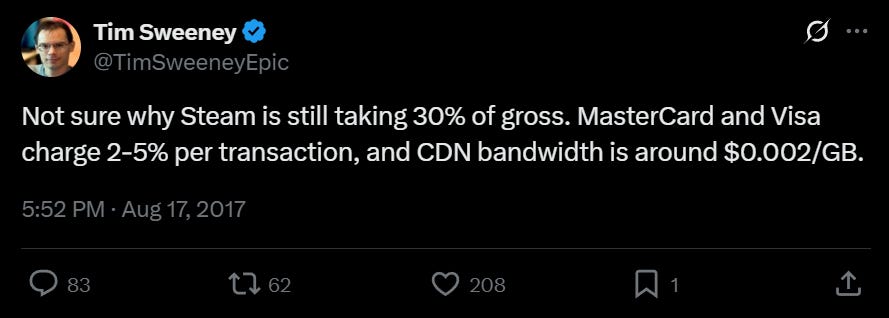
Valve's 30% Platform Tax is Bad for Small Developers
30 May 20251 page~17 min full read
Key insights
5 slides
The rising bill
Valve's 30% fee acts as a regressive tax on small developers.
Small independent developers lack the scale to benefit from tiered commission reductions. They are effectively forced to accept these terms to reach Steam's audience.
What changed
Tiered fee reductions primarily benefit large, established studios.
Valve reduces commissions to 25% for revenue over $10 million and 20% for revenue over $50 million. These concessions do not help the majority of independent creators.
Large studio benefit. Valve's tiered fee structure primarily benefits large, established studios rather than independent creators.
Key number
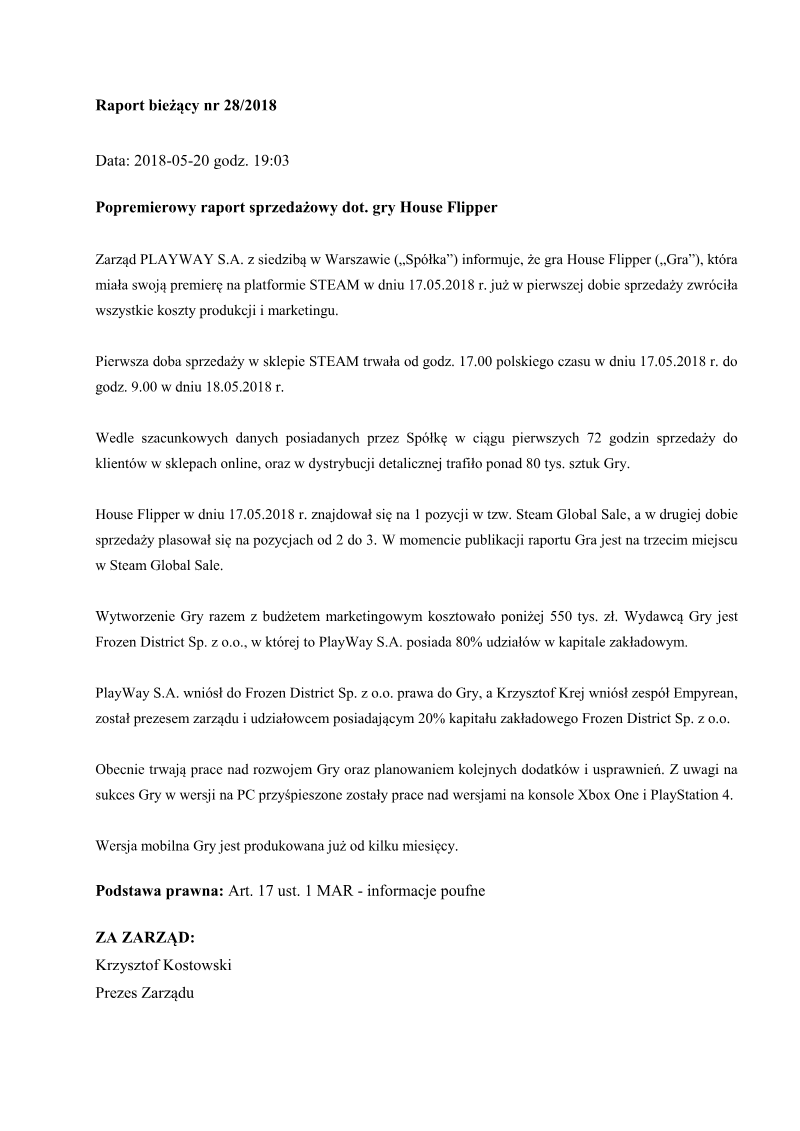
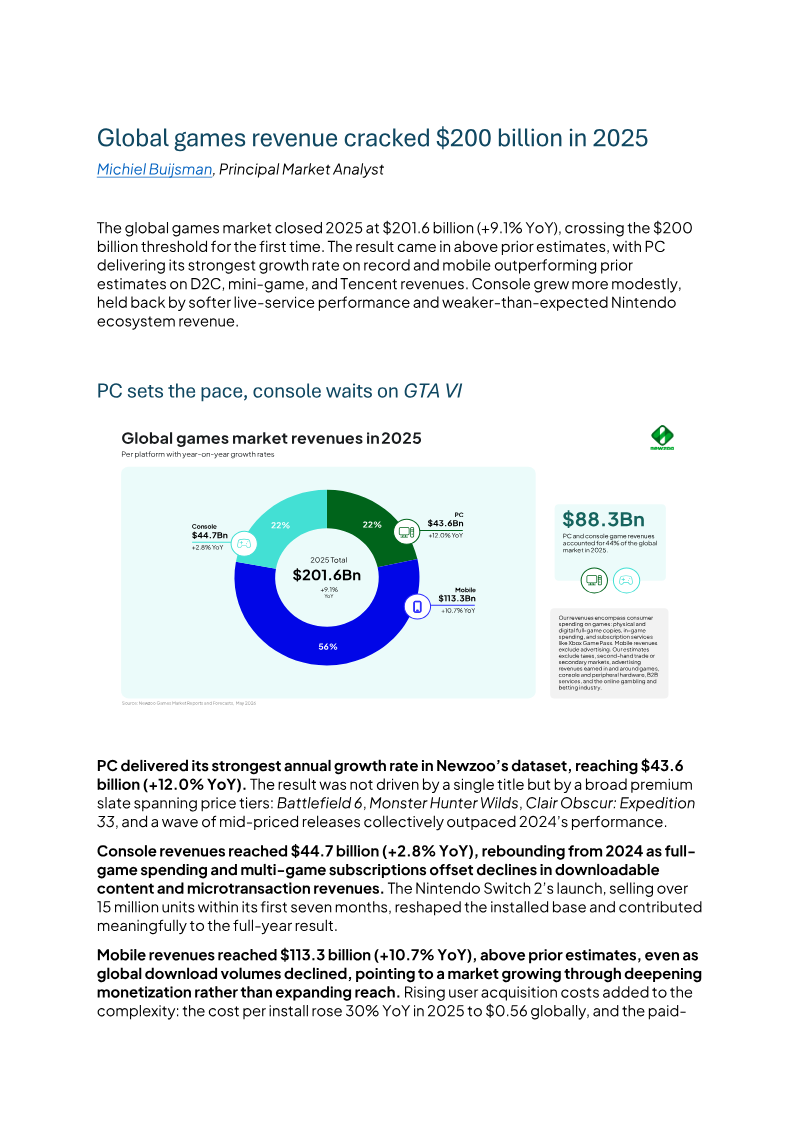
Steam generated approximately $14.1 billion in 2024 revenue.
Steam maintains a dominant market position driven by 22 years of user loyalty. The Epic Games Store has failed to capture significant market share from Steam.
The burden
Small developers retain only a fraction of gross earnings.
After accounting for the 30% platform tax and operational costs, small developers face a precarious financial environment. They retain only a fraction of their gross earnings.
The outlook
The 30% fee standard will persist without external intervention.
The lack of meaningful competitive pressure allows Valve to maintain its fee structure. The report expects the standard to persist without regulatory intervention or market shifts.
1 / 5
Ask AI about this report