1 free read left. Create a free account for unlimited reading + AI research.
Create free accountWhitepaper DiGRA
1 free read left. Create a free account for unlimited reading + AI research.
Create free accountWhitepaperDiGRA
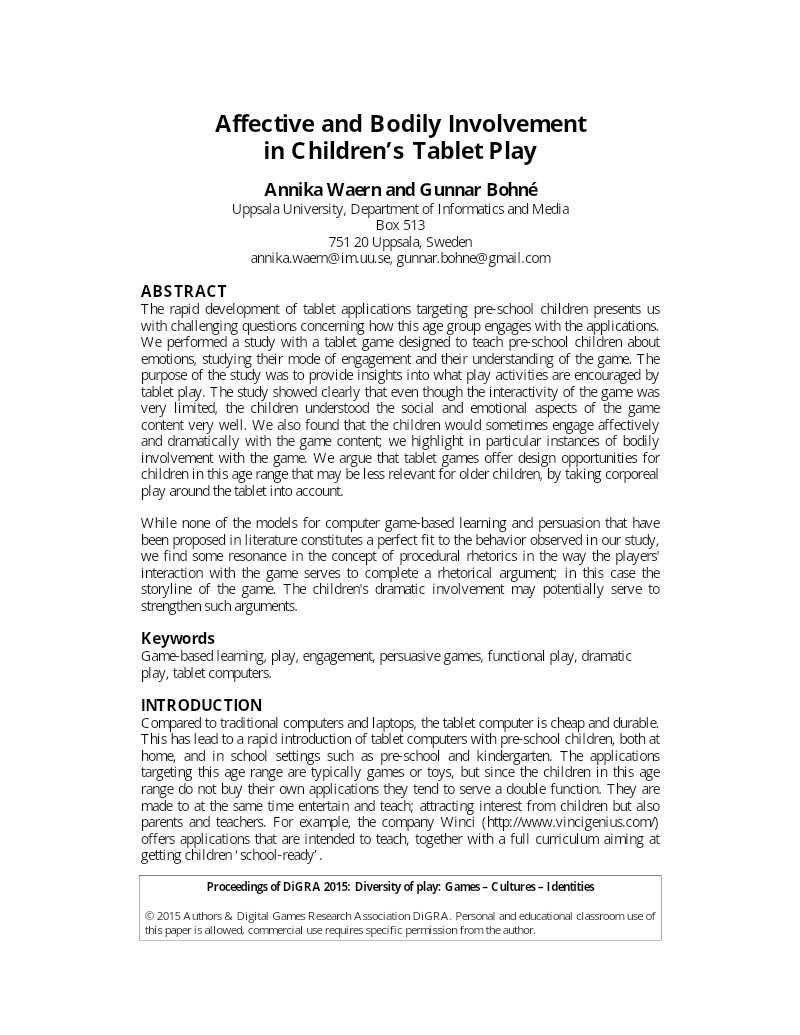
The author positions computer games as learning environments, drawing on scholarship that calls games "learning machines."
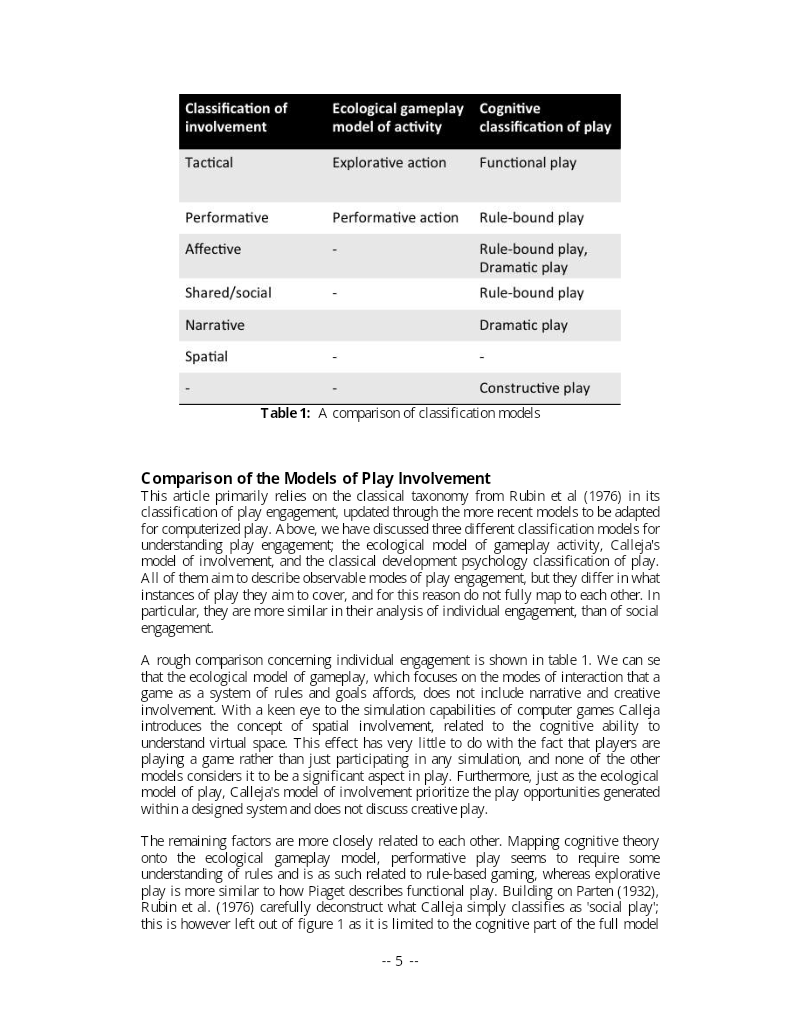
This study examines whether Illeris' Transformative Learning Theory can serve as an analytical framework for observing and evaluating learning processes during digital game play. The author positions computer games as meaningful learning environments, drawing on existing scholarship that treats games as "learning machines," and notes that Illeris' theory has rarely been applied to game studies. The research is organized around three dimensions of learning, namely content, incentive, and interaction, and four processes of internalization: cumulation, assimilation, accommodation, and transformation, all grounded in Piagetian notions of mental schemes.
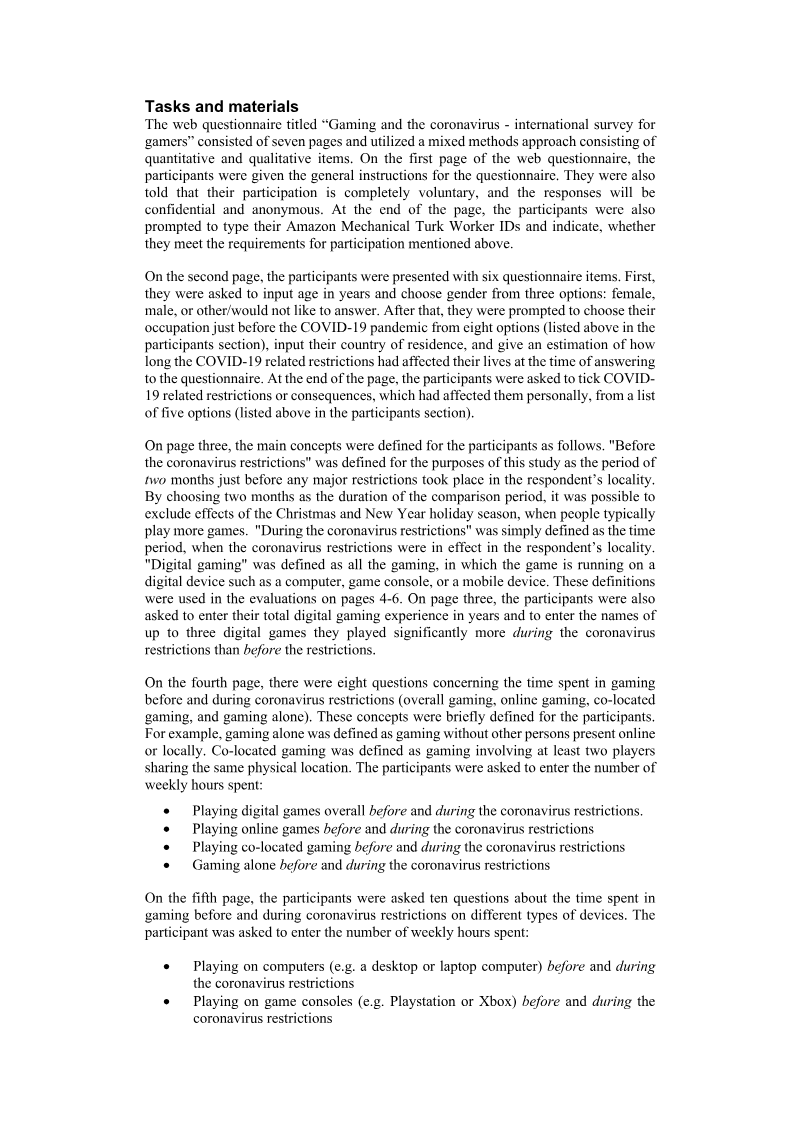
The empirical base consists of blind playthroughs by five Twitch streamers and YouTube creators, covering two contrasting titles, World of Warcraft Classic and Undertale. These games were selected so that the three learning dimensions would vary substantially between them. The analysis treats live-streamed play as a performative context in which players simultaneously act as producers for an audience, and it adopts a netnographic perspective that considers the player, audience, and platform as a co-evolving sociocultural system.
Preliminary findings indicate that learning during play is complex and pervasive. Assimilation occurs nearly constantly, often below conscious awareness, while accommodation appears intermittently. Cumulation is rare, which the author attributes to players' existing expertise with games, and transformative change is difficult to identify in the material. Multiple learning processes frequently unfold at once, and cases of mis-learning and non-learning are common. Social play produced both successful and unsuccessful knowledge exchange, depending on whether players engaged cooperatively, creatively, or subversively. The findings are positioned against research on game-based learning design, game literacy, proceduralism, and play theory.
DiGRA · 2022