1 free read left. Create a free account for unlimited reading + AI research.
Create free account
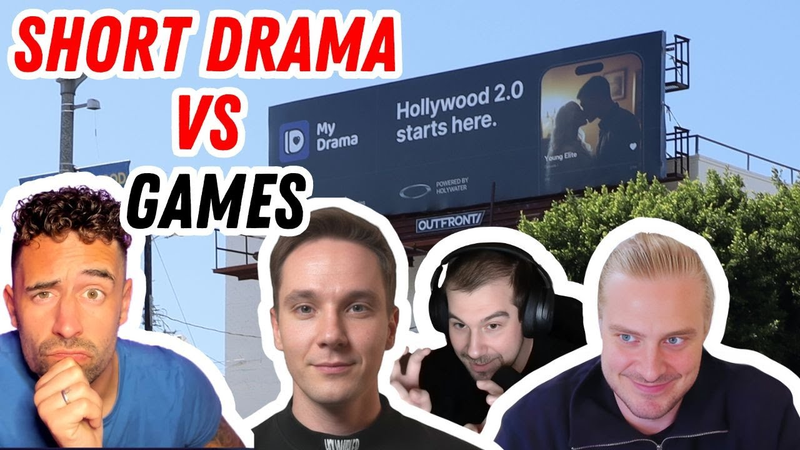
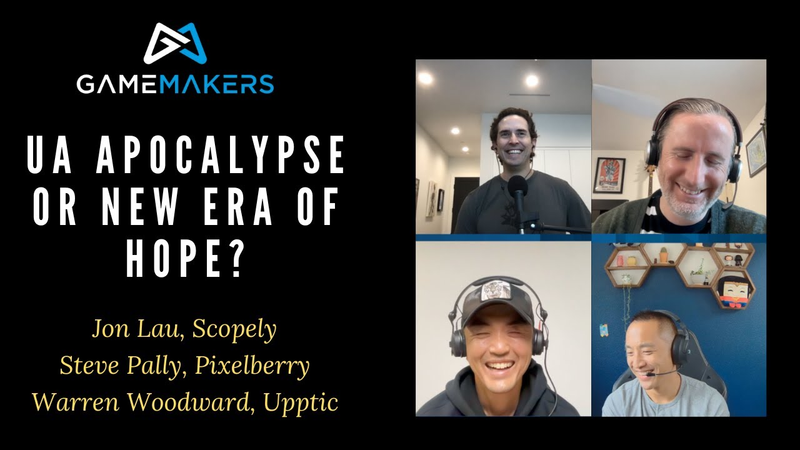
UA Apocalypse or New Era of Hope? | Jon Lau, Steve Palley, Warren Woodward
Key insights
6 takeaways- 01The mobile gaming industry is shifting from algorithm-dependent, performance-based growth to a disciplined model focused on long-term cohort health and strategic profitability.
- 02Studios must move away from siloed operations where marketing and product development function independently to prevent the disconnect between advertising promises and player retention.
- 03The deprecation of IDFA and reduced investor appetite for unprofitable scaling have rendered previous automated UA optimization strategies unsustainable.
- 04Successful growth now requires integrating UA with product design, community building, and brand identity to ensure the initial creative hook matches the actual in-game experience.
- 05The industry is moving toward a cross-functional model that prioritizes full-funnel collaboration, creative experimentation, and genuine value creation over capital-intensive growth.
- 06Growth professionals are increasingly replacing rigid measurement frameworks like SKAdNetwork with qualitative, persona-driven research to better understand target audiences.
Ask AI about this video
Transcript
like there's certain signals that indicate like you know companies on fire in a good way it's like wow look at their year over year top line or user base growth um yeah they're losing money and they lost more this year than last but look at the pace of this growth like we can map this out and this looks insane and i think you there's some specific things about how mobile and mobile user acquisition works that let you tell really exciting but not necessarily truthful growth stories by ways that you can essentially cook the books by doing you know john identified like one one tactic but you know can can for almost any game if you have infinite money can you show uh year over year doubling top line revenue almost certainly you know um but does does that mean that it's actually being invested wisely and at some point there's going to be profits absolutely not and i think a lot of you know acquisitions of the last decade were made on just very poor understanding of if and when true profitability could ever come
hey guys welcome great to see y'all hey yeah so i thought we could go ahead and just jump right in here but i really wanted to talk to you guys as the premier experts in gaming and user acquisition and products steve but um so there's been a lot of talk about um in terms of like the biggest hot topic what's happening in gaming um i ran a survey on linkedin and turns out that like this fall and user acquisition seems to be the hottest topic at least for the people who participate in that survey thought to be the biggest topic um certainly been hearing a lot more anecdotally from a lot of studios where you know they have been talking about how previously profitable campaigns they've had to scale down or a lot of them have turned negative
and so i posted about that and wanted to like get your impressions as far as like what's going on and so from your perspective you guys are actually doing stuff in the industry right now where are we right now as far as ua performance on ios yeah sure i mean yeah i think some of our back and forth when you posted that um initiated this this podcast and i was really surprised to see that um you know for for context at uptick not to not to show but like our day to day is essentially running growth marketing for um the game studios that we support um and we've been doing way more uh profitable spend on ios than android for the past year or so um and so i was kind of surprised to see surprise and unsurprised like we developed definitely a little different approach and we can get into that further in um but for for our portfolio if you if you say hey warren you can mark it on ios or android right now but you can only pick one i'm picking ios
ten times out of ten and you know besides the main thing there is just like like opportunity if you can figure it out like one thing i pulled up just before this is just like looking at cpm trends and such clear depression in cpms in ios over this time period as they've like correspondingly increased in android so it's just it's it's easy pickings if you can get a viable strategy and i think that challenge is just finding that viable strategy right and john is that what you're seeing as well or i can't kind of i cannot comment on the performance but i think what the way that i'm thinking of it is um it's shifting the burden of audience targeting back onto the advertiser um and and historically we rely on um the algorithms of the many advertising platforms to do that for us right and so we had the luxury of having let's say
you know six seven years of not having to to shoulder that burden all right what we saw with the uh idfa deprecation is also everyone's about creatives right oh creative is now the most important thing i was like well creative has historically been important you just chose to ignore it because you allow an algorithm to do that work but if you take a step back for a moment why why are creatives today so important well because creative in many ways um allow us to connect to audience personas right essentially audience segmentation and so we now as an advertiser need to really think about okay who are the users that we want to go after what are the differences between them where do these audience live in terms of their engagement and their eyeballs and what type of content do we need to create for said platforms in order to
connect and convert that is something that is quote new to most ua people today because they haven't had to do it for like five six seven years so maybe like the lock or the the degradation and performance could be that the operator matters that the person running the campaigns because now the burden shifted back to [Laughter] we'll get back to that we came from a place of desperation honestly we'll come back to that right and one when you're talking about cpm's dropping is it you know basically is that because we're kind of entering this kind of recessionary phase and advertisers pulling back and as they pull back it makes uh buying for you easier is is that the implication of that comment that you made yeah i mean it's a bunch of inter linked factors but there's just less competition there's there's less buyers the the average price cpms goes down but
definitely a confluence of factors including the ones you mentioned okay what's your taste broader too right oh sorry good i was going to say like the targeting is also broader which also brings down the cpm yeah um i think everybody's observations are very trenchant i think what's happened since the deprecation of idfa is that we put the art back into ua a little bit um in that yeah like idfa deprecation broke our whale finder right it's basically what it did um so now uh you know as i think john was saying um we're back to the situation where we don't have algorithms doing all the work for us in quite the same way uh in most cases um a couple provisos i haven't been active in ua for quite a long time um and pixelberry only has one live game um so i'm not as exposed as warren um at uptick or john at scopely um to multiple
games and multiple strategies um but i think what we've seen is that it's also kind of difficult to disentangle all the sort of different contextual factors that are in play right now um between idfa deprecation the pandemic and then competition which flux fluctuates you know in both directions depending on the segment that you're in right um so all of those factors can militate against each other um in really complex ways and it's it's difficult to disentangle what's actually going on performance-wise right and warren you seem to be having a lot of you know good performance but can you comment in terms of like the specific genres that you're involved in um are you are you buying for some of the potentially more difficult genres to to buy against like you know that would be more will oriented or well hunting oriented sure so currently our portfolio is uh i
think nine or ten developers and call it like 12 to 14 um active titles all the bulk of which is in gaming um the same trend and same tactics have generally worked across the board to steve's point i think that whale driven games do have a disproportionately harder time right now um because you know when you only have like you know and we'll probably unpack this more later on but if we're just thinking about users that are opting in which you know on on facebook or google google might be 10 or 5 percent depending on the the genre and you know the month that you're looking at um obviously if the bulk of revenue is driven from a small sub-segment it's harder to get statistically significant data so i think the more well-driven the more the more difficult it will be the next question i can ask you guys is really around in steve you kind of alluded to this right there are multiple factors that are potentially impacting the performance of ua campaign campaigns and games so we've
got idfa deprecation which seems to be largely being scapegoated for you know for for a bad performance of any kind of ua campaign um by game studios at least anecdotally for me um but we also have the covet hangover we've got inflation um what do you guys think kind of moving forward like if we start getting to a deeper recession or other factors that game studios should be aware of to be watchful for and how that could potentially impact ua performance any any thoughts on that and again maybe starting with you warren sure so i think there's there's two house of this there is uh as you mentioned more difficulty achieving profitable growth and then simultaneously in the market we have far less tolerance for unprofitable growth so far less far more difficult to raise rounds or to continue operating on profitable studios this was not the climate you know a few years back so i think those two factors
have really compounded each other and just leading a lot to you know we're seeing everything from just like the slashing of marketing budgets uh to massive layoffs and studio closures but those i those are the two meta factors to me okay john or steve any thoughts yeah i mean i'll second that like uh basically when you have things going on in the macro economy rising interest rates that vacuums up the cash that was sloshing around right um and that just has follow-on effects exactly the way that that weren't just laid out um i think uh bank rollers are much less willing to accept the argument that you're gonna get paid back in two years right we just don't see that anymore um i think even even a year out right um for payback windows like um do i really want to do that depends on the game depends on the track record right um but that's the sense i get right and i agree with you guys but
what would you say to the folks who basically speak about how you know for games is the lowest cost form of entertainment people are just going to continue to spend on games regardless how do you guys think about that that perspective or do you think it's situational in some way i mean i'm hugely in like i'm eternally bullish on on games like that's you know basically a plan for the rest of my foreseeable life to be working that sector in some way or other i think we just are hitting the tail end of um it's kind of we're uncovering a lot of toxic elements that uh i think underpinned aspects of mobile gaming for the last decade and a lot of a lot of that is kind of like coming into clarity like with with with with time now um so i do think we're seeing like certain types of businesses uh that will be that are already being filtered out and will continue to do so but that doesn't kill my politician
which games are you talking about well let's i mean maybe maybe we can just i'll just float one that i don't have any data on um because then maybe we can you know talk talk about it equally but i'm just curious like with with this is maybe a hot one but like the passage of time what do you guys think of like sort of the perceived uh growth story of machine zone now versus like when we were in the thick of like their their heyday i mean they were a ua machine right but it all kind of ended with a whimper and and i'm just curious like you know and i feel like i can speak freely because i have no inside info to this i'm just curious like why did we see essentially like the biggest behemoth in the space ultimately go down with such a whimper and just become a subsidiary of of of applovin um i well my okay so i'll tell you guys
the if we're talking about you know game of war i think that there's like the the common theory behind why game of war fell and then there's uh there's a there's my own theory that i have and so like the the common theory is that oh they just um you know it was game inflation so they just ran a bunch of sales and then um you know they they inflated the economy that's the common view that most you know most people talk about um and i think that um i actually believe that the bigger problem had to do with the uh with the player ecosystem that in fact um for a time i i do believe that machine zone was acquiring players not not necessarily uh to be ua profitable but to feed the elder players in the game and so there was like this um you know the because it's a it's a game
where the strong prey on the weak and if you run out of targets then you know there's there's not much to do and so i i think that's a for that game in particular it's it's a much more difficult situation to analyze because we don't have a lot of visibility into the internal dynamics of the game but i think a lot of the inflation that happened was trying to get early players to be mid-tier players so that the bigger players can feed on those players for example so um i don't know like it's i would find it hard to specifically understand what they were doing from a ua perspective were they trying to pump players probably um but then you know the whether the the rationale for that was to like feed the elder players or to bring players in um for that reason or for just to try to um pump the revenue of the game i think that's a little more of a difficult um
it's difficult to get a specific conclusion on like the motivations behind the the ua what are you saying one thing of good i was just gonna super fast what i hear you saying there uh joseph to to sum down is essentially unprofitable growth that was powered by a faulty model like maybe that model made sense with the the data they had on hand but ultimately but i i don't know if you can you can call it like negative ltv if the player economy were able to hold together do you know what i'm saying because if that elder player it remains happy and stays in the game and continues to spend maybe it's worth it to bring in these you know so that's that's the tricky part where i i wouldn't want to just say oh that spend that just doesn't make sense and then there are other factors as well where i i believe and again i don't know but just as an outsider looking at that game it felt and then
seeing some of the launches of some of their games like crystal born i saw patterns where it felt like it felt like this was a game um being managed by in silos that people were looking only at specific parts of the game and optimized against specific parts so that holistically like crystal born felt like um a frankenstein like things were just kind of slapped together and people were like kind of designing or making different parts of that game and i feel like that probably happened on game of war where you know kind of similar to like like a zynga where you've got and again we're going a little far afield on ua now but um where different people were looking at different parts of the game and optimizing against those different parts which then you know was probably the reason why the the player economy or the player balancing in the game kind of fell apart yeah go ahead yeah it's my comment there is um i it felt like they weren't
building for cohesion between like the different things elements within game and yes this is very much a product conversation now um but if you think about the game even when we think about how ua ties into the game i think historically ua and product exists as two different segments of one thing and that communication is lacking so to give you an example if you think about user acquisition what is the goal of user acquisition right um our goal is to showcase a value proposition and make a promise to our users like hey come install this game and you'll have fun whatever it may be most simple form and then when you come into the game if you have a piss-poor onboarding experience right you're no longer kind of meeting that expectation that was set by that creative that you did right so the idea of building continuity and building cohesion from d0 to d3 d3 to d7 d7 to 14 d30 and
beyond that cohesion and continuity and that kind of thinking is incredibly important and when i think about game of war and i remember like spending a lot of time on mobile strike specifically um is that it felt like you're going in one direction and then all of a sudden like you're like you go in a very very different direction once you hit a specific level or like if you start paying like there's a huge pivoting point at least from a user experience standpoint um which actually ties me back to you know ua today um and how that's evolved is that understanding of building continuity building continued engagement fulfilling the promises that you make with the ad creative and on that install and how do we do that well i think a lot of advertisers today are realizing that and making that shift again going back to the idea of no longer relying on algorithms and shifting the
burden of of performance back onto the advertisers themselves right and so is that is that the new world john where ua marketers are not only going to have to like learn how to do ua again but also be able to work with the the product teams and optimize help them or work together to optimize whether it's the future the tutorial or first conversion early conversion things of that nature is is that basically where we are now i think so i mean like my role changed recently so i'm no longer ua i'm actually growth and so the mindset is when you think about growth growth is made up of many different elements ua being one of them and so the way that i approach it now is how do we build in-game engagement experiences or sorry
uh in-game experiences to engage users and out-of-game experiences right and out of game can be you know that initial ad that you see um out of game can be a blog out of game can be a discord community right it could be a plethora of things but the idea of like driving um continued engagement through and through creating entertainment value for our users doing through i think that's kind of the mindset that i'm approaching it now because we have a tendency in user acquisitions like um oh i hear like someone's always killing it on influencers when you jump on influencers or like then a month later i was like oh i hear so and so it's like killing it on tick tock we need to jump on tick tock and so it becomes this like flavor of the month model of chasing what everyone else is doing and and while that's cool and all i think our core focus needs to be what is everlasting
uh channels come and go but content and creating like really great content and content can exist in the form of an ad creative and truly understanding your users and understanding that your user base also can evolve right like um for for my ip specifically in this case is you know star trek you know cvs or paramount is doing an incredible job of introducing new content uh around this ip but what that means is you know when you kind of define the term a trekkie that's no longer someone that was born in the 1960s that watched the original series or the next generation like for for me i may post kelvin trekkie right like jj abram movies right and then we have some gen z people who you know know star trek from watching lower decks or discovery right so as we understand that
the audience is also uh evolving our content our creatives our channels will have to evolve around that so going back to like the user is driving the evolution not you know the flavor of the month type and i think that's kind of the mind all right and steve from your experience ua or growth or product you know how do you see this evolving or do you think this will impact you guys as well yeah no i think these are great points um just quickly setting the table for what i now do and what i'm responsible for um i'm ahead or i guess you could say general manager of a new platform called storyloom at pixelbury and the fastest way i've found to describe storyline for people who know games is that it's roblox for writers so we have a platform for creating and then selling interactive fiction basically and we're in closed beta so we even thought too much about our growth strategy but we're really starting to
think about it because we'll be opening up later this year and then hopefully hitting our growth stride next year and i think this idea that that there needs to be a growth ecosystem right is very trenchant um we're creating a platform it's cloud-based um so yes we will have absolutely native clients on the app store and we will do you know traditional ua right we will do that um but it's going to be so much more than that and it has to be so much more than that ultimately what it needs to be is us helping third parties on the platform market themselves and do our work for us and create viable businesses on the platform right that's what i'm now focused on and you know there's this constellation of social media products and um blogs and and i mean other games even um that we can all leverage um to to facilitate that um
we were talking a little bit about discord uh before we started the podcast you know uh and like full disclosure i'm not super familiar with discord other than to know that it's a it's a huge deal and um our writer base is very active on it so i better figure out what's going on with this chord right um i think these are all the new tools um in the i guess the growth professionals um toolbox uh these days it's it's not just about like oh how do i optimize my campaigns on facebook you know that's still important to be clear um and and like a lot of products will live or die on that but i think that we're moving to a new era of mobile gaming to a certain extent where we have to get a lot more creative and understand where the customers are and what they want to do i think that's correct okay i think one thing that we're all kind of coalescing around here is ua growth does not equal ua in
the current the current environment you know both how teams are being structured uh or even just like what is the most effective for each game or each project and and something that really opened my eyes just briefly and that end was like going deeper into web3 ecosystems like i'm basically overdosed on discord at this point i need like more discord out of my life but working with more web3 communities where like using ads is a horrible lever for driving growth within web3 because it's a highly skeptical community highly educated um and it's essentially like you know we for for our early earlier stage three partners we just don't don't advertise like there's more effective growth levers got it and what what are the effective growth leathers for for web3 curiosity in short like going to these communities and talking to them right more or less essentially yeah so i mean like not to go too in the weeds but essentially social proof is the most valuable um you know driving factor we've found and the the best way we've we've been able to kind of like product
productize and replicate that is essentially building like uh community outreach teams where you know the the web3 project you represent you make connections to other communities you offer them value of some some form such as like hosting a private founder ama or giving them you know free free in-game items to raffle off or whitelist spots um and and essentially get co-promotion with those communities by bringing their communities value i mean we're it's a very unique state because you really just care about a few thousand people at the end of the day um that are likely to be very engaged players with how nascent um web3 gaming is right now so very different strategies warren i'd like to go to a pretty controversial statement or potentially controversial statement that you commented um on my original linkedin post but but here we go before we get there i just wanted to close the loop on like this idfa deprecation stuff and so like i there was another comment that maybe the performance drop that
some companies are seeing could be based on you know scan on house scan attributes installs um but i was wondering if um you know is is there an issue around how people are measuring performance or uh or is is a general consensus here that ios with scan is still performing well at least for most genres you know like the the well-based genres accepted and you can generally do okay um just wanted to close the loop on that any thoughts from you guys i i guess the one thing that i would say is i feel like when scan came out apple basically like like imagine like you're you're stuck in a you're stuck in a prison cell and scan comes out and basically apple hands us a chisel and everyone's like okay cool we're stuck in this prison cell we got handed a chisel start chiseling our way out and you know most of the industry is still just chiseling versus kind of taking a step
back and being like uh is there like is the door unlocked like is there a key under the mat um and that's that's kind of like my main advice like we you know we basically figured out our approach to just kind of like ignore scan like i don't think it's a serious solution um and until it becomes so like we've we've developed workarounds that essentially ignore it and i would i would i would recommend that people just kind of rather than continuing to bring their heads against scan is the only way to get there um kind of zoom out and look for other ways to to work within the ecosystem and yeah that's that's interesting i mean we took a look at scan and we were we were like okay that's bad um obviously that's that's gonna hurt us um let's go ahead and escape this ecosystem right um so now we're web first and uh i think a lot of companies will be looking at that they'll be looking at mobile web they'll be looking at other solutions where you can you know you can still get all the
data you want right uh to a certain extent um maybe that's another way to go uh this is unexplored territory so we're gonna explore it and do an end run around whatever the platforms are doing right we're trying to build our own platform on the open internet and of course to a certain extent like that's that's fallacious right like the internet is semi-open platform at best because you know you've got whatever chrome's doing and all the rest of it right um but nevertheless it is somewhat underexplored territory um and so maybe we can walk out the door of the escape room right as it were i i think one of the things that i saw uh with with the introduction of scan is the most common question that i would hear is like hey how are you setting up your conversion events um i think this is due to like years of training too within the user acquisition industry
where like people are so ingrained to look at performance on a dx roast model right like i need one kpi to tell me whether i'm doing a good job or a bad job and um there was this desperation to go back to that with scan right what is it is it cost per purchase is a cost per event like i need something you know a north star so to speak and while yes that is important right to understand the new to introduce new measurement methodologies for us to measure the performance in a new ecosystem is important i want to go back to the idea of like well there's still that first part you're talking about how to measure a end result why not focus on how you connect as well right um who are the users who are you targeting how do you want to target them um that dictates everything else and and i still feel like
there's this rush of like we need to make better creatives well yes but there's more to that than just like it's all about creatives and i think that that mindset is still kind of some companies have done fabulous job and have adapted and have been able to like really springboard off of like what scan uh brought to the table and some company i feel like they're still stuck um and i really want to really highlight the fact that that mindset shift needs to happen like not everything is going to be less such measurable not everything is going to be a dx ros uh measurement model so like think about like what are some of the different ways to measure thinking about who are you targeting who are your users truly understand it don't come to me and say oh my user base is 25 to 40 males right that tells me not much you know there's a lot of segments within that group what are they define it and so that's why i say like there's so much more work
to be done on the front end that hasn't been done before and i think that's yeah worth the time to do it really traditional sort of qualitative research and persona research is coming back no one in ua likes the word qualitative by the way i found out or directional or directional yeah like we we've always called ourselves quantitative marketers right and that's that's still important but like if you want to do social science you got to do the quantitative and the qualitative right that's that's important you need both maybe we can talk about it in a bit but i i do feel like i hear more ua people talking about personas more recently is that is that the case with you guys are you guys using personas into okay absolutely yeah we're getting a lot more serious around that stuff and and trying to understand how to do it well trying to trying to you know assemble i think i think yeah i believe zynga has a specific practice around personas and how they do
ua i believe yeah uh a lot of the larger publishers have effectively research branches you know and they employ social scientists like anthropologists and and psychologists and stuff like this and to to try to get better at this all right well let's get to warren if i if i can read uh if you don't mind i'd like to read your comment here and maybe you guys can react to it so just to set the context for the for the audience when i had posted a number of potential hot topics one of them was a dramatic fall of ua and warranted that you had posted quote i'm curious about dramatic fall of ua and why that's coming up as a common topic it was the number one topic one thing i believe we're seeing is a market wisening up to unprofitable financial engineering that was driven by ua in past years many companies were acquired based on fake growth stories due to lack of deep
understanding of ua by the acquiring party i think the dirty secret our industry in our industry was that a large percentage percentage of growth stories were knowingly unprofitable and unsustainable and now larger entities are realizing that they didn't buy what they thought they bought so steve and john do you guys agree or disagree with this statement no comment [Music] i wholeheartedly agree um and i've been a part of companies where you know warren were you talking about blue mogul i was not sorry john please please continue no no it's just it's in in general like yeah that that that is the case in in not every company obviously um but we
often times as marketers when we're doing competitive analysis like there's a good gauge as to like something looks legit and something looks like that's off like that doesn't make sense right you know there's some situations where like why are they spending two million dollars a month in indonesia like what's going on there you know like it's like like did they like it's either a they found out some secret way to monetize the indonesian player audience which good for them if they did awesome that's amazing right like if you can't or something is off or something some something more nefarious is happening and and and and i think that we see that we've seen a lot of examples of that through these yeah warren um to what extent is this like an analytics story where during due diligence the acquirers just didn't pull apart those cohorts and like disaggregate properly and take a look at you know what's actually going
on and then they ran into like cohort death i i used to use a key word there steve which is cohorts um and you know honestly i've part of part of this is from seeing data and i'm not going to name names of just like different deals that i've been part of vetting over the years um but part of it is also you know being i'm sure you guys have had this too just being cons solicited for like consulting calls from the investment world of people that are looking at different deals and just understanding the gap the gap in understanding but specifically when it comes to cohorts so if we think of just sort of like traditional tech investment and growth stories like there are certain signals that indicate like you know a company's on fire in a good way it's like wow look at their year over year top line or user base growth um yeah they're losing money and they lost more this year than last but look at the pace of this growth like we can map this out and this looks insane and i think you there's some specific things about how mobile and mobile user acquisition works
that let you tell really exciting but not necessarily truthful growth stories by ways that you can essentially cook the books by doing you know john identified like one one tactic but you know can can for almost any game if you have infinite money can you show uh year over year doubling top line revenue almost certainly you know um but does does that mean that it's actually being invested wisely and at some point there's going to be profits absolutely not and i think a lot of you know acquisitions of the last decade were made on just very poor understanding of if and when true profitability could ever come in and one yeah i think that's right and i think that i i was just going to say like when i started doing ua a while back like i'm fairly quantitative and but even if you are fairly quantitative like making the switch to cohort based thinking it's not intuitive like it actually really isn't and it took me
six to 12 months honestly to like really wrap my head around it um because you need to learn to think in that mode and i think a lot of investment bankers like right they can't they don't um and warning in terms of oh sorry maybe i'll just ask one question uh about the mechanics of how this works for him so like when when you are showing that high growth um and and you're spending so much money what is the justification or how do they justify that is it based upon a presumed or forecast rpu curve and they're like yeah we're buying but we're going to make this much money back you know two years from now or over some very long you know kind of payback window or something like that is is that the mechanics of how that's justified yeah i mean the way i've typically seen it index is essentially they show like the growth trend of revenue continuing to increase but at some point like cost efficiencies come in and costs come down but the growth stays on the same curve but when the bulk of cost is just on
unprofitable ad spend like that you know that it's built on a false premise at that same time okay so they continue right so they're not even drilling down to the like the the specific detail behind the ua right in that case okay sorry john please please uh go on you were saying oh it doesn't say like it it this compensation reminds me of you know in blackjack there's something called uh martingale where you double your bet every time oh right um and you know that yeah it's kind of like that right like oh uh it's not profitable okay buy more you gotta win sometime so your top line looks good right eventually you'll figure it out the profitability right and and i think like we've seen incredibly large companies right the supposedly incredibly sophisticated companies do that right um and sometimes it's the business model sometimes the ua but one thing you mentioned earlier warren about like you know us uh getting reach out from these like
research agencies to have a ua expert to speak on some things i'm like some of the people you're talking to are the people who are employing these tactics right like like and then and it's just like the welders mean that like you know vcs don't have you know a marketer or a kind of like a marketing discipline that can like like like steve said like go in and really break it down by cohort and be like like what does this curve actually look like like top line sorry can i i don't know if i could curse like screw screw top line like look at like what is the true [Music] riku what's the payback um what's what's the uh kind of like the net ltv of of the users that people are bringing is your playback window going exponential we've been doing this for like 20 years and and yet we we or at least ua has been around for like you know 12 years but like we still
are seeing investors falling into these traps and you know what less now though the market has really cooled off well that's more macroeconomics specific um which hopefully will force investors to build out this discipline um but it's it it shouldn't take a major macro economic economic shift for people to think along these lines you should have always it's like going back to the idea of like we should have always been thinking about creative and personas and understanding our users in ua but we didn't do it because it was convenient enough for us to not to right and i kind of see it like same thing with like investors like you could have always been much better with your due diligence and your vetting of like numbers and analyses like don't have bankers do that have marketers do it right um
it's always there it's just it was decided that it was unnecessary because money was cheap all right guys well i thought we could just wrap on this last question basically when we're thinking about the current environment and how ua's changed or if you're thinking about how ua will likely change in the future i know we um john you brought up a few points but are there like if you were to characterize the biggest factors of um what we're likely to see in terms of changes what would you guys say those would be to be you know as competitive as possible moving from now and moving into the future john you want to start since you've brought up a few points already um yeah i i think is going back to why i said earlier is understanding like user acquisition is one of many things that needs to happen in order to create sustainable growth sustainable and profitable growth
and how does ua work with all the other elements whether it's brand marketing social pr product liveops um that uh inter team collaboration is more important now than ever before um i really like steve's mentioned earlier about like some companies have full-fledged research teams um and how important to combine and balance the qualitative and the quantitative right every gaming company have a data science team but does every gaming company have a user research team i don't think so um why is that important well this is now because you know algorithms aren't as accurate but also thinking about you know the future world of measurement what that means there's no longer going to be a single north star um we might have to be living in a world where we have multiple depending on what we're doing and being comfortable with that and and then
having those definitions set now um and maybe refreshing it regularly is is also incredibly important um so this idea of i have a single kpi that i need to aim towards that's probably gone and being okay with that and moving forward i think is going to be it's going to enable us to evolve ua so ua is not dead it's not the ua apocalypse i don't see it as a downfall of ua i see the evolution as the natural evolution of user acquisition okay and john just to clarify one of the points that you made in terms of user research team what are some of the types of things that they would be looking at um continuously feeding data to uh acquisition team and growth teams to help them understand how the user base is evolving and and then giving a deep understanding of who they are because that research will enable uh growth marketers to understand what content they need to create
to engage um whether it's new user acquisition re-engagement or retargeting like that again everything should come from who the who um and that should be defined okay steve any any thoughts from you yeah i think that's that's really good specific advice john um i i think my two main things um are to reiterate full funnel thinking as being really important um so this notion that it's not marketing and then product it's got to be both and i think that's honestly always been the case but we've been able to get away with not doing it because you know the algorithms were so powerful right but now we need to look for those sources of efficiency and that's definitely one of them connecting everything through personas is a very powerful way of doing that um and then just the second broad-based factor i i would say is just creativity and i don't mean creativity just in the sense of creative you know for for ads
it's actually like new strategies um new sources of users um thinking in non-linear ways and trying new things i think we're like execution is still very important and it always will be right um but we're now also in a place where we need to map the contours of the new room that we're in uh to use warren's you know allegory or earlier um and that requires creativity um and in order to like you know have that creative freedom you need to have a certain amount of support you know at the executive level to be able to do that you need budget um which not every company has um and you need i think to a certain extent enlightened leadership as well um so it needs to be uh like a full organizational effort in my opinion got it uh warren you want to wrap us up what do you think
sure um yeah i'm going to say a few things that that the other guy said but but in kind of different framing um we're in an era where you're not going to be able to up just optimize your way into profitability you can't like you know you can't sub-pub optimize with as your main lover to get from unprofitable to to profitable growth um and i i really like to hear john saying that like you know scopely is taking this more holistic approach to growth that's definitely um how we tried to structure our business as well at uptick um which is like we really position of just like you need a kind of full stack growth marketing org it's not like a problem like like ua is a hammer and it's that's not the right tool for every situation so like in a lot of our work like our ua spend recommendation for one of our partners is like zero and it may be zero for a prolonged period of time because it's
not the right thing to do there's a lot of times it's more about getting your house in order like you can spend you know double next month spend this month getting your house in order having product and marketing work together like like it's been a lot more fun too just working on things like like positioning you know uh working on spending more time like developing predictive buying models and things like that so i think coming back to the theme of this podcast of of ua apocalypse like ua as a discipline is kind of i think off of its throne the era where like the ua practitioner in the traditional sense could be the driving factor of growth i think that that may be behind us it doesn't mean that those people and the skills like i think all of us come to some degree from that school doesn't mean that you know those skills are not valuable they're extremely valuable but now it's more part just part of a more complicated holistic growth marketing puzzle all right so ua apocalypse new era of growth basically yeah part of the resolution of the apocalypse is also the notion of
rebirth right see you destroy the old world in this like cataclysmic battle and then you have the opportunity for a new kingdom of purity and profit i like it somehow somehow after all that cynicism you ended with like such hope [Laughter] i love it no i it's funny and i might get skewered for saying this i think scan is probably one of the best things that happened and and yes from a business point of view it's bad right like all that like easy profitability is no longer here but as a discipline as a marketer i think it's an amazing thing yeah because it is enabling us to return to what it means to be a marketer um and and to be creative like you said steve you know uh to be innovative to to
do new things to be experimental in a way that we have not been for the past six seven years so yeah yay [Laughter] all right guys well thank you so much for your time insights and all that and for our audience we will catch you next time thanks everybody thank you [Music]
you
Summary
The mobile gaming industry is currently navigating a fundamental transition from an era of algorithm-dependent, performance-based growth to a more disciplined, holistic strategy. This shift is driven by the deprecation of IDFA, macroeconomic pressures, and a diminished investor appetite for unprofitable scaling. As the reliance on automated UA optimization wanes, the industry is undergoing a necessary correction that filters out unsustainable business models, forcing developers to prioritize long-term cohort health over short-term top-line metrics.
Success in this new landscape requires a departure from siloed operations where UA and product design function independently. Historical failures, characterized by a disconnect between marketing promises and actual in-game experiences, have underscored the need for continuity. Modern growth strategies now demand that marketers integrate user acquisition with product development, community building, and brand identity. By aligning the initial creative hook with the long-term player experience, studios can foster more sustainable engagement and leverage social proof to drive organic growth.
Ultimately, the future of mobile gaming lies in a return to fundamental principles of innovation and user-centric research. Rather than relying on rigid measurement frameworks like SKAdNetwork, growth professionals are increasingly adopting qualitative, persona-driven approaches to understand their audiences. This evolution toward a cross-functional model—where research, creative experimentation, and full-funnel collaboration are central—positions gaming as a resilient form of entertainment. While the era of easy, capital-intensive growth has concluded, the industry is emerging with a more robust focus on strategic profitability and genuine value creation for players.