Turtle Beach’s Q3 FY2025 filing presents a mixed financial picture for the gaming peripherals company. Net revenue fell 12 % to $80.5 million, while gross profit declined to $30.1 million as cost of revenue rose to $50.4 million, reflecting higher tariffs and integration costs from the recent acquisition of Performance Designed Products (PDP). Operating income swung to a $5.4 million loss, driven by increased selling‑and‑marketing and R&D expenses and a $3.7 million interest charge, resulting in a net loss of $1.9 million for the quarter.
The PDP purchase, priced at $114.4 million and financed through a new term loan, added significant goodwill ($39.7 million) and integrated $54.4 million of net revenue over the nine‑month period. Concurrently, Turtle Beach restructured its debt, replacing a revolving facility with a $60 million term loan and a $90 million revolving line, while recording a $2.3 million deferred financing cost. Cash reserves slipped to $12.3 million, largely due to the acquisition and related financing activity.
Risk disclosures highlight a debt maturity schedule with $48.4 million in non‑current term loan debt and ongoing litigation that could materially affect the company if adverse outcomes occur. The firm has settled several shareholder class actions and a German insolvency dispute, but remains involved in multiple IP disputes. Treasury activity includes a $10.3 million share repurchase and a total nine‑month cost of $17.0 million.
Financial metrics beyond GAAP are also reported; Adjusted EBITDA for the nine‑month period was $11.98 million versus $20.76 million in 2024, underscoring a decline in core operating profitability. Market risk is primarily driven by interest‑rate, foreign‑currency and inflationary pressures, with hedging activity limited to forward contracts on British‑Pound expenses. Overall, the company’s performance reflects integration challenges and heightened financing costs amid a competitive gaming hardware market in North America, Europe and Asia over the 2025 fiscal year.
Turtle Beach · 2026
Turtle Beach · 2026
Turtle Beach · 2026
Turtle Beach · 2025
Turtle Beach · 2025
Turtle Beach · 2024
Turtle Beach · 2024
Turtle Beach · 2023
Turtle Beach · 2023
Turtle Beach · 2022
Turtle Beach · 2022
Turtle Beach · 2022
PCF Group

Ubisoft · 2026
Capcom · 2026
Capcom · 2026
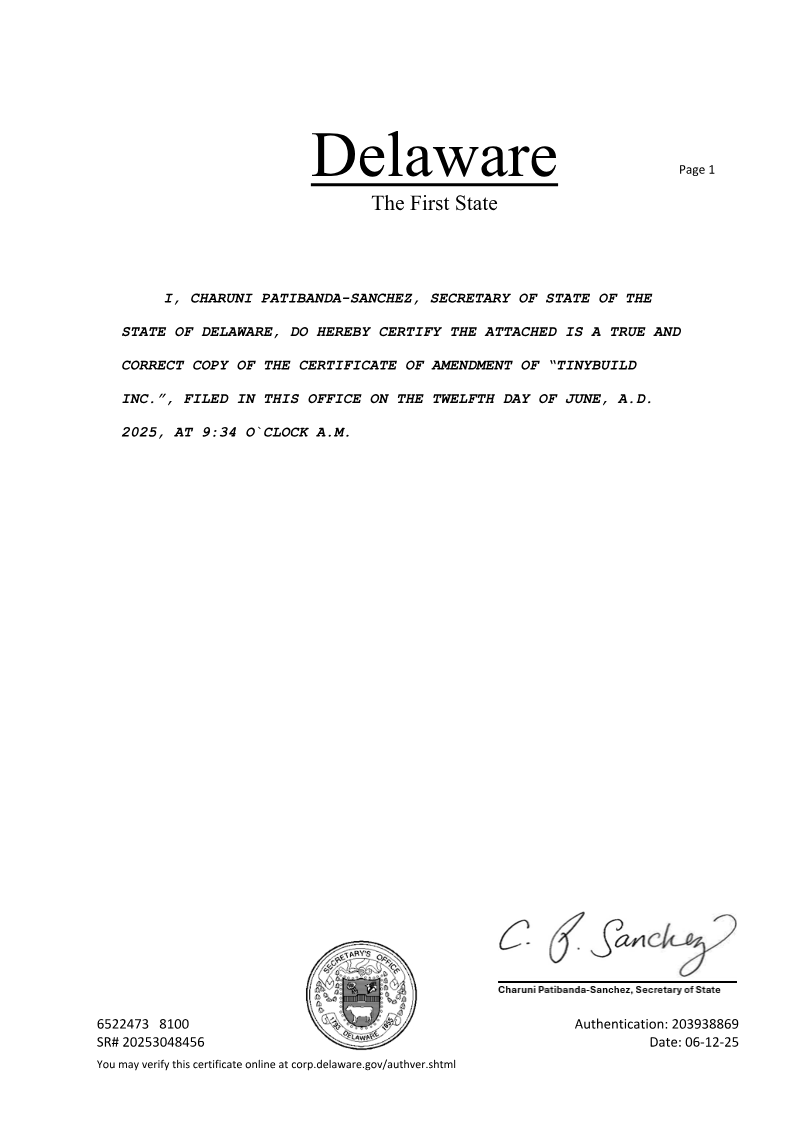
State of Delaware · 2026

Starbreeze Entertainment · 2026
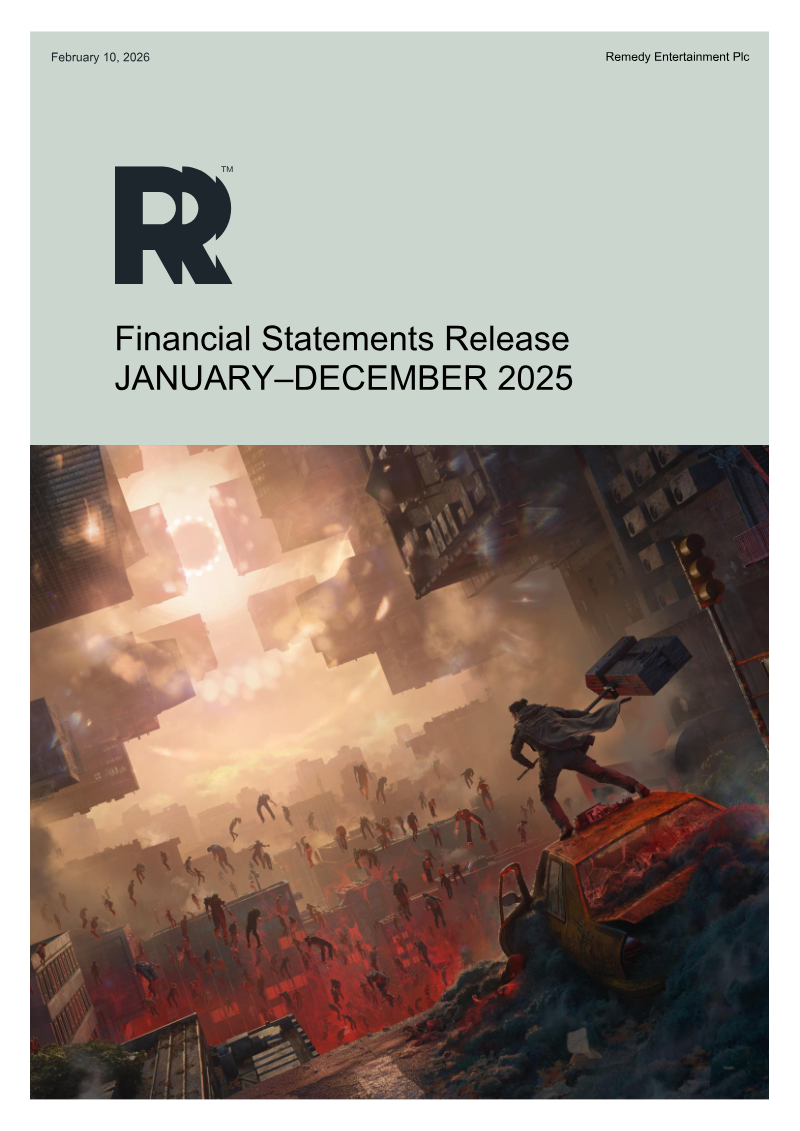
Remedy Entertainment · 2026
Aream & Co · 2026
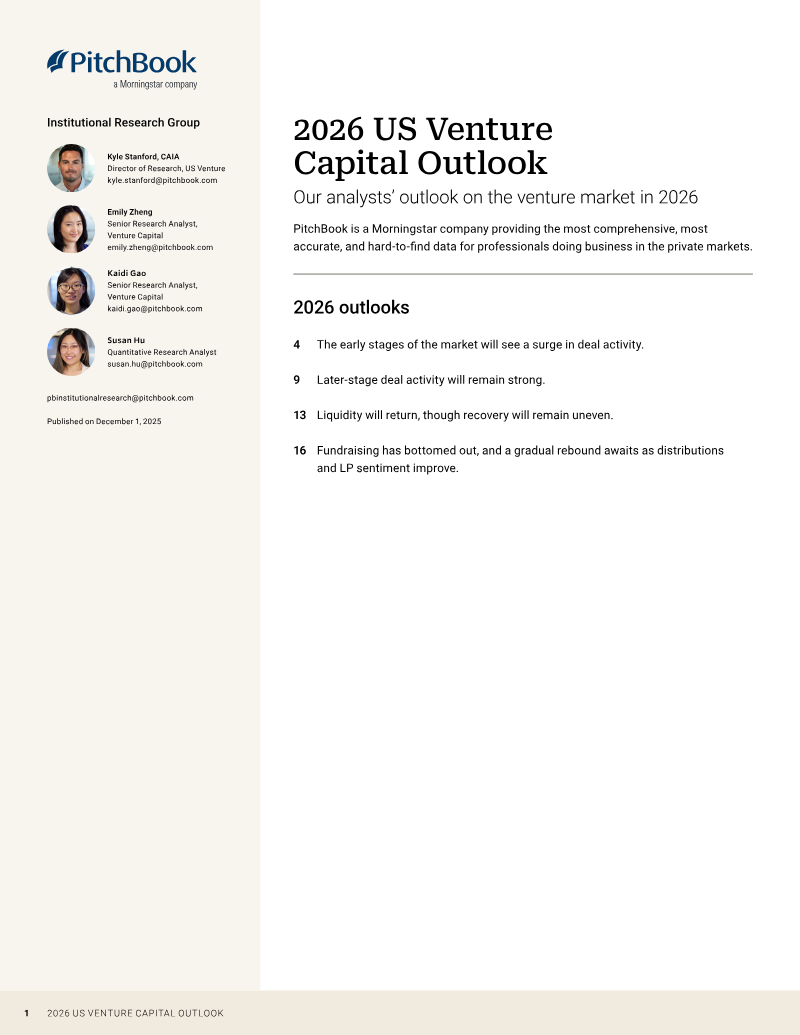
PitchBook · 2026
Sega Sammy Holdings · 2025
Nintendo · 2025
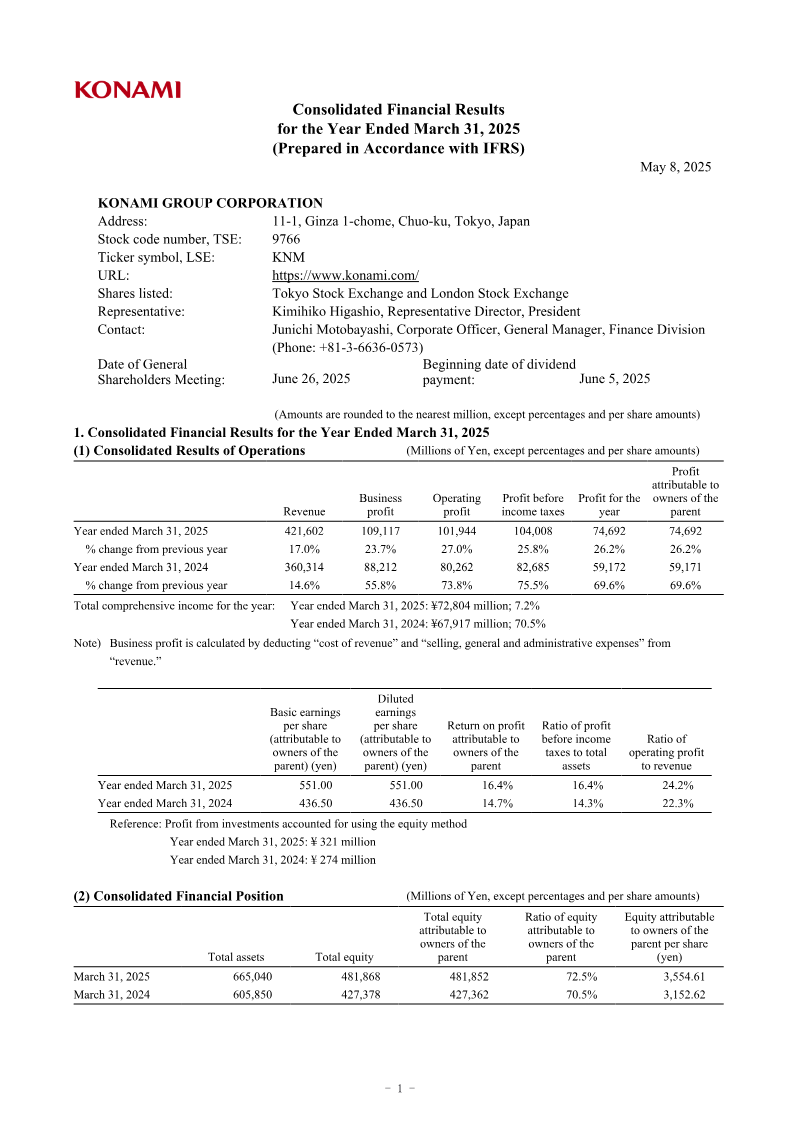
Konami · 2025