More on Market Analysis
View all
PocketGamer.biz
The Latin American games market overview 2019
PocketGamer.biz · 2019
PocketGamer.biz
An overview of the LATAM games market in 2016
PocketGamer.biz · 2016

Report
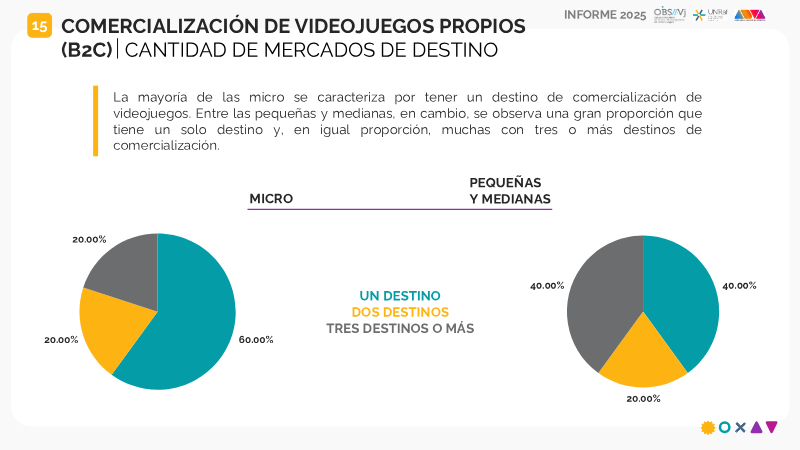
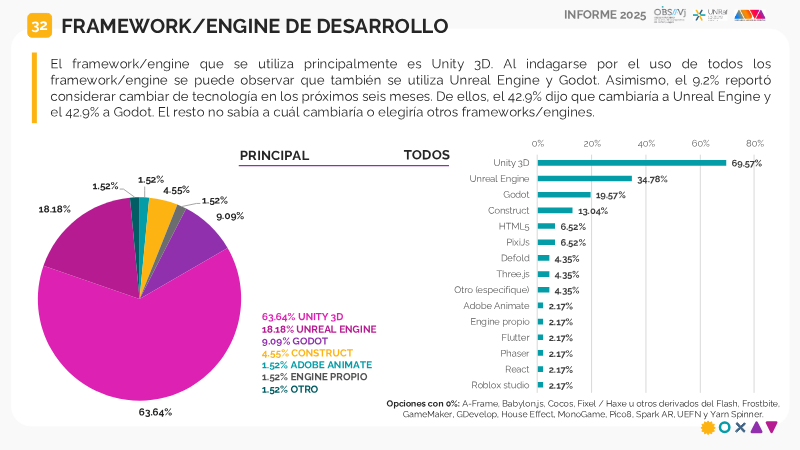
Observatorio de la Industria Argentina de Videojuegos: Informe 2025
Universidad Nacional de Rafaela

Deconstructor of Fun
Kojima’s Physint: Sony’s Loss or Xbox’s Mistake?
Deconstructor of Fun · 2026

Thomas Brush
Don't Finish Your Game. Do This Instead.
Thomas Brush · 2026

Deconstructor of Fun
Blizzard’s Biggest BlizzCon in Years: Can They Deliver?
Deconstructor of Fun · 2026

GamesIndustry.biz
GI Podcast | Landfall's Rebecca Lautner on Peak's 23 million sales and looking past friendslop
GamesIndustry.biz · 2026

PocketGamer.biz
Why Supercell couldn’t save Squad Busters and Google's AI game maker | Week in Mobile Games podcast
PocketGamer.biz · 2026
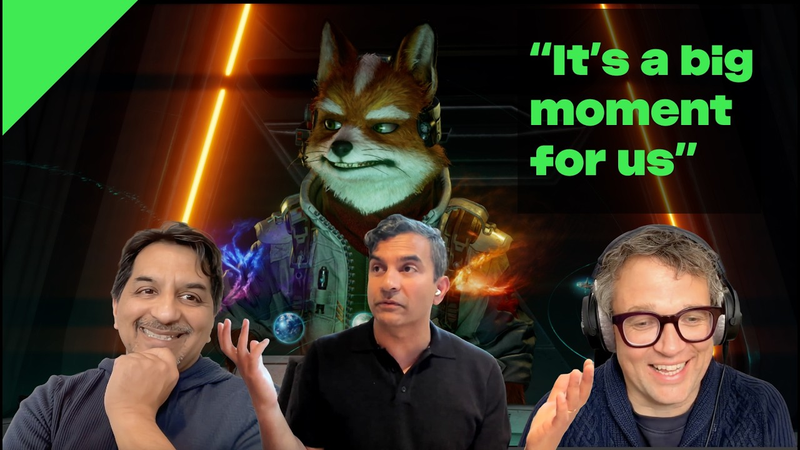
The Game Business
Star Fox developer Velan: How to survive as a North American game studio
The Game Business · 2026

Mobilegamer.biz
Google Playground, AppLovin’s court battles, Scopely’s next game and plenty more
Mobilegamer.biz · 2026
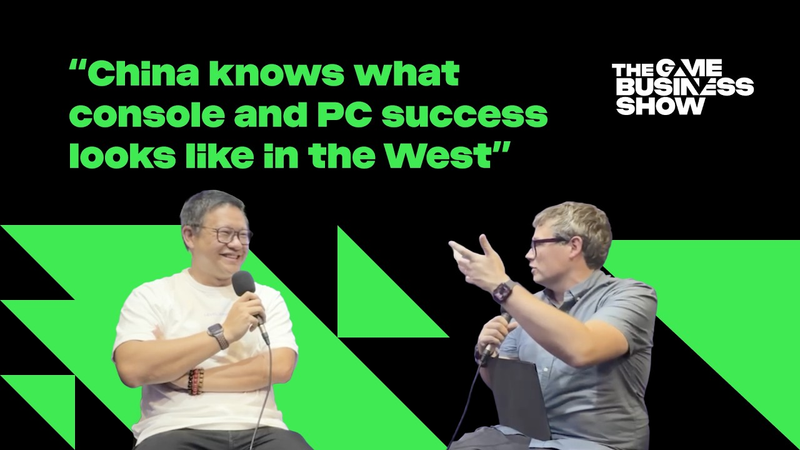
The Game Business
Tencent’s bid to create the next FromSoftware and Larian
The Game Business · 2026

The Game Business
The shooter that Tencent abandoned: Wardogs hits 2m sales in one weekend
The Game Business · 2026