1 free read left. Create a free account for unlimited reading + AI research.
Create free account
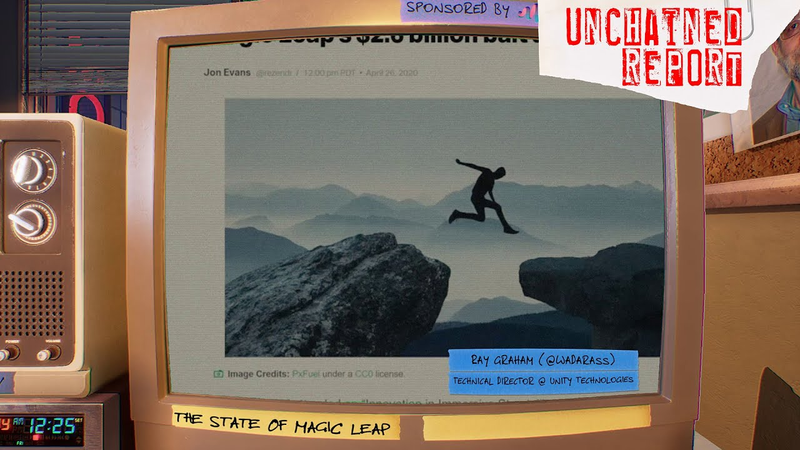
The State of Magic Leap | Unchained Report
Key insights
6 takeaways- 01Magic Leap has pivoted from a consumer-focused augmented reality startup to a niche enterprise provider after failing to achieve a $10 billion valuation or a mass-market price point.
- 02Magic Leap serves as a cautionary case study in venture-backed hype cycles, highlighting the risks of prioritizing long-term technological promises over immediate, scalable business utility.
- 03The company underwent massive restructuring, resulting in the layoff of approximately 1,000 employees as it struggled to deliver on early promises of consumer-grade spatial computing.
- 04Technical limitations, including high production costs, limited field-of-view hardware, and a lack of compelling content, prevented the product from achieving widespread consumer adoption.
- 05The company's decline is attributed to fundamental issues with product viability and market readiness rather than the COVID-19 pandemic, which critics cite as an external scapegoat.
- 06While the hardware received praise for image quality compared to the Microsoft HoloLens, the technology remains years away from being sufficiently small, affordable, and functional for the consumer market.
Ask AI about this video
Transcript
or the first topic of the day of the roundtable news and again uh i just want to reiterate that these are opinions that only reflects upon ourselves and not of our companies i'm a lot safer than ray over there but i just want to reiterate that so let's go into it why magic leap is scamming everybody all right so i'm going to go over here and then switch my camera uh to to this news article that we've been checking out here uh so like the last time we talked actually it's funny how these roundtable news are tying into each other uh because it just takes about a month for things to kind of show its ugly colors right so magically the last time uh kind of as a warning signal a fire where there is uh a fire there's smoke right or there is when there's smoke there's a fire there's fire they were asking 10 million uh 10 billion um that's kind of like a prayer hail mary that nobody bit on and then
shortly after they found out that no one's really liking them as much they basically laid off i think a good portion of their staff um it's like a thousand looks like a thousand people or something like that they laid off yeah i didn't realize they were that big of a company to even start with um dude they're enormous enormous man australia florida offices in san francisco enormous company yeah well i'm always impressed with these companies um being able to build these hype trains uh it's funny how these companies all in your area man the bay they seem to be able to kind of hoard all this investor money and have nothing to show well that's where the investors are that's where all those like kleiner perkins and all those all those dudes are in um or in the bay area but um like at the end of the day right i think i messed with magically right i tried it i thought it was cool right um i didn't think it was like
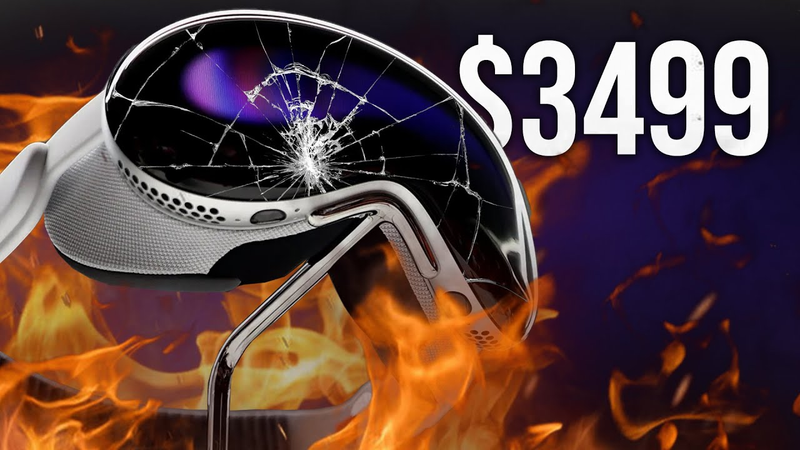
three thousand dollars cool right and that's really what it all boils down to is that unlike vr um they they were able to get it they weren't able to get the price down to something reasonable for that so people on the streets would just be like yeah give me that right and uh and with all of these things the other thing i say about all these things is content sales right content actually will sell the box right and i didn't see any content that would really sell sell that right to the mass market especially at to a 2 000 3 000 price point right and then they realized that too and they realized they couldn't or these they currently were struggling with getting the price down to the consumer level and so they're like okay let's just go with enterprise right and if you're gonna go with only enterprise all the things that are related to consumers well that's that's done right um gaming gaming the gaming applications
and all that kind of stuff just well you don't need to do that anymore right um it's and it's it's sad for the people that are working there um you know it's just overnight jobs jobs are gone especially during this time getting laid off during uh the covid stuff is like probably a horrible situation um but like yeah like i don't know about no i wouldn't i wouldn't use such strong language as scamming and all that kind of stuff because you know investors are gonna invest in the promise you know what i mean and actually had a promise and when you when you mess around with it you're like oh yeah this is promising right but uh it just you know like money money dries up nobody's investing everybody's like okay well how's this going how are you going to scale this i need to sell this and i think they can still be a viable business just do an enterprise it could be applicable in that space for like architecture or for you know training or surgeries or whatever
right um it's just not a consumer device right now so that's that's basically that's basically the story right well as you were saying that like you know they had great promise i i wish i went back to college and redid it and majored in promises because it feels like the wrong business it takes a lot of effort it takes a lot of effort to make something that could convince people to give you billions of dollars you know what i mean and uh it's the size of a couple years it was obvious right don't get eaten all those people yeah it reminds me a lot of what they're not just about yeah it's not even as bad as thernost right it's not as bad because they had a product yeah this ship's nothing that worked right but so i want to ask you this right from from the time you demoed and it feels like even the article i was pulling up and reading through um there was a lot of smoke and mirror
like even the press and everybody even the consumer market was kind of like at arm's length it's like all right all right i see where it can go right but like let's just see where you guys actually how close you actually get to it but like how far away if you were to guess how many more years would have taken them without any all these financial troubles in the pandemic to get to where they were saying that this technology will be for consumer and be basically a profitable business without investor money yeah i yeah i think they're so far far far away from that too far away um like the video you know the initial video they showed of like the first person shooter in the office kind of thing um given given the size of the screen like you know the screen size is actually really really tiny uh when you when you're looking through the magically the screen size is super tiny it's like a little box right um so delivering the promise of what that video was
um like they're years away from that right and then on on top of it i i have no idea what it would take to make that tech cheap enough and small enough where it would be so bulky and cumbersome right um so yeah like i think they're way way way far off and that's kind of that's also kind of why you did the pivot now right you're like hey um we're really far from this um money's gonna run out so let's uh kind of make a pivot and see if we can make a sustainable profit business just focusing on the people that will pay thousands of dollars for the hardware yeah i mean this pivot definitely is admirable for any company that can see the dangers and actually have a chance or give themselves a chance but this type of pivot kind of reminds me of like the game stop type of pivot where it's the last roll of the dice well for sure for sure it's a it's a hail mary roll of the dice right
um the one thing we're not talking about is how it's how they did this during kovid right and kind of mentioned it as a reason why they're doing this um and like and that's that's yeah to me that seems kind of disingenuous i'll say it a nicer way it seems disingenuous right it seems uh it seems like yeah yeah to blame it to blame it on kovid why their product is five years old maybe being into fruition yeah maybe maybe it uh it played a role in it maybe um but like i think it was like when they announced it and they said hey we're shifting to um enterprise like like i was not shocked by such an announcement right that that's just that just made sense yeah even with the pivot to the enterprise space and this is something that um i feel uh a very similar headset
that was promised by microsoft a few years ago hololens did but they saw kind of the path clearer and earlier and they actually pivot towards enterprise and have secured like a major american military contract uh since and they're not as in the news as much for a consumer market but they're definitely making money and profiting and are probably leagues ahead magically uh i don't know how much do you know about that uh headset as much no yeah yeah no i've actually tried both and i do think the magic leaf magic loop was better in my limited interactions um you know i had bigger bigger aspect ratio right i don't even know what the current state of the hololens tech is these days i've been just having to look at any new hardware anything like that if there is anything new um but like everything about measure leap seemed
seen better um better quality image and everything seemed better than hololens like the at least the last version of halloween sidetrack yeah but i'm pretty sure since um you know magic doesn't make money anymore and hololens is getting military money they'll be updated there yeah yeah i better be sure if that's if that's if that's profitable that way i have no idea right so i can't comment but uh but yeah yeah well you don't imagine if you'll be there too getting that military money eventually from somebody i'm pretty sure they're getting that kovitz uh sba loan money if anything [Laughter] but in terms of uh actual money i think they're far from it man a thousand people lay off and even investors now are i feeling are a bit too naive to think that they're
going to be turning this around anytime soon they've lost i think people's faith uh in its product and uh i'm pretty sure the ceo is looking for a way out if anything and count yeah yes maybe yeah there yeah maybe if they're smart about it i don't know maybe they're just going to talk to gamestop and work together somehow we just think so it's just as ridiculous but uh good rinse hopefully this is the last time we talk about them i always tracked them because they've always been super hyped uh but i never really i've never tried the product right it sounds like you were impressed with it but from what i've seen through the demo it just seemed too far away for it to make an impact immediately yeah no right and i think it's the same with all this stuff right like with the early vr stuff the newer vr stuff is built on the learnings of that technology has improved there's hololens
there's magic leap there's other spatial computing stuff like people like ar kit just on your iphone um there's there's there's things that apple might be working on that that people keep kind of hinting at right um there's all sorts of stuff right that um that you're gonna see down the line that's gonna kind of try to improve on this tech and you know sometimes you're the first part first there and you fail and then other times you're the first person there you succeed right so it just depends on the time right um i think the same thing with like you know google stadia right stadia um is on the line of working on tech that was developed before that really failed dramatically like on live and gaikai failed dramatically and now everybody's back at it again trying to be successful with with game streaming right and maybe everybody who's trying now will fail too
but then there might be somebody that comes after that improves all the technology and learns the lessons right i think that's the main it's about learning you know there's a lot of failures along the way to actually being successful yeah yeah yeah i i think um through the rotting corpse of um um magic leap and stadia that we're gonna get something really good out of all this
Summary
Magic Leap has transitioned from a high-profile consumer augmented reality startup to a struggling enterprise-focused entity, marking a significant pivot in its corporate strategy. After failing to secure a $10 billion valuation and struggling to bring its hardware to a mass-market price point, the company underwent massive layoffs affecting approximately 1,000 employees. This shift reflects the company’s inability to deliver on its early, highly publicized promises of consumer-grade spatial computing, which were hampered by high costs, limited field-of-view hardware, and a lack of compelling content.
The company’s pivot toward enterprise applications—such as architecture, medical training, and industrial use—is viewed as a desperate attempt to achieve sustainability after failing to gain traction with consumers. While the hardware itself received praise for its image quality and technical performance compared to competitors like the Microsoft HoloLens, the technology remains years away from being small, affordable, and functional enough for widespread consumer adoption. Critics argue that blaming the company’s decline solely on the COVID-19 pandemic is disingenuous, as the fundamental issues regarding product viability and market readiness existed long before the global health crisis.
Ultimately, the situation serves as a case study in the risks of venture-backed hype cycles. While Magic Leap successfully attracted significant investment based on its technological potential, it failed to translate that promise into a profitable business model. Industry analysts suggest that while the company may survive as a niche enterprise provider, its trajectory mirrors other failed tech ventures that prioritized long-term promises over immediate, scalable utility. The broader industry is expected to benefit from the lessons learned through these failures, as future spatial computing developments will likely build upon the technical foundations and market errors established by these early, albeit unsuccessful, pioneers.