1 free read left. Create a free account for unlimited reading + AI research.
Create free accountWhitepaperSpringer International Publishing
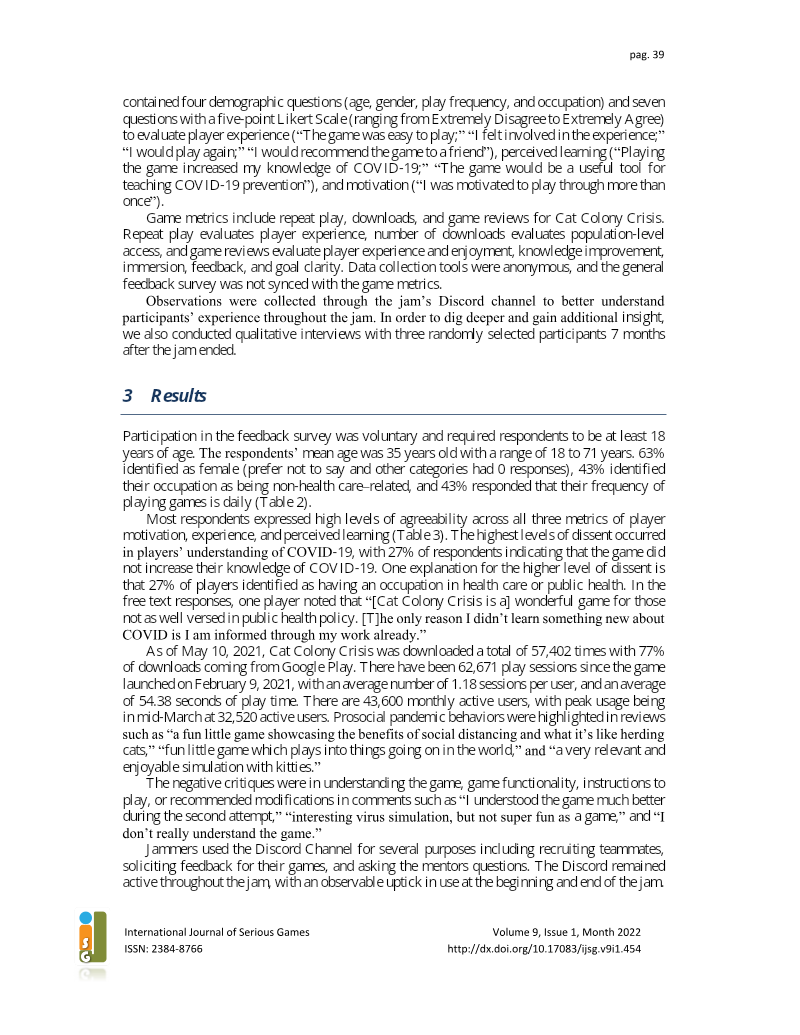
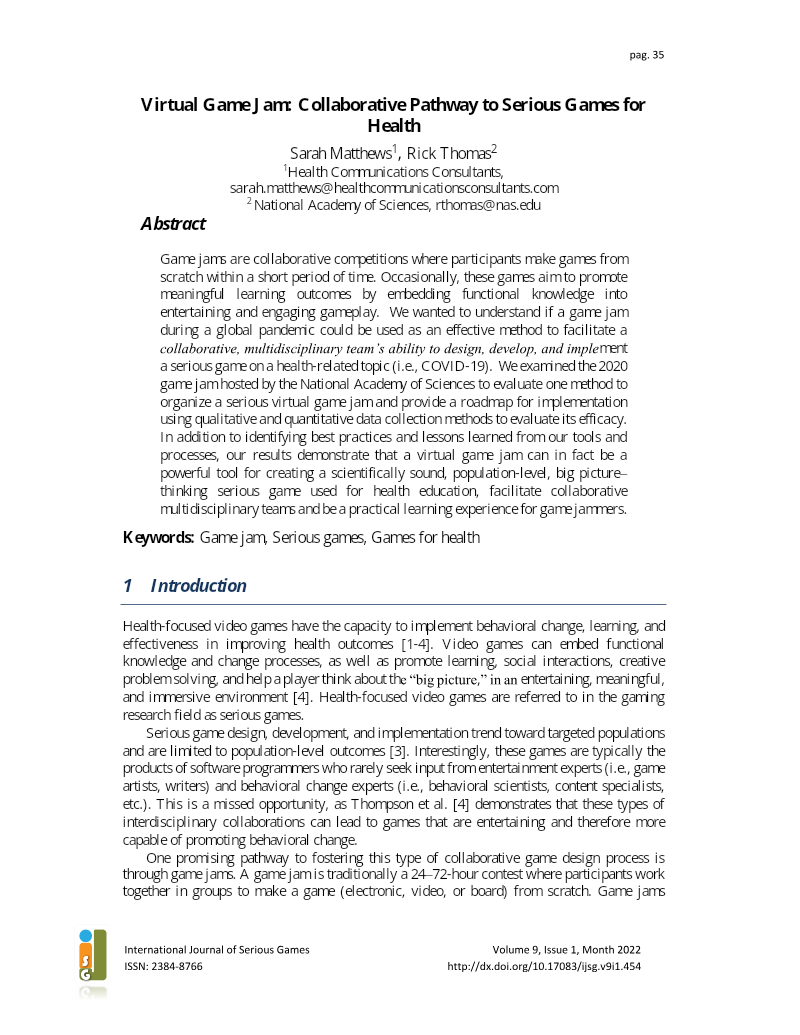
The RAGE software asset and metadata model establishes a standardized framework designed to enhance the development, interoperability, and reuse of pedagogical game components. By bridging the gap between technical software engineering and educational design, the model enables developers to integrate sophisticated functionalities—such as social gamification and emotion detection—into applied games across diverse platforms. The primary thesis centers on the necessity of a unified metadata structure that synthesizes technical specifications, contextual information, and pedagogical objectives to streamline the creation of serious games.
To achieve this, the framework extends established industry standards, including RAS, ADMS, and IEEE LOM, to better accommodate modern, component-based software engineering practices. A core technical innovation is the implementation of an XML schema-driven approach, which facilitates automatic validation and dynamic interface generation. This architecture ensures that structural modifications to the metadata model do not necessitate manual updates to the editor, thereby maintaining high levels of flexibility and efficiency for developers managing complex gaming assets.
This initiative provides a robust foundation for the serious games industry by offering a systematic method for classifying and searching for reusable software components. By grounding its methodology in extensive research regarding educational design patterns and metadata standards, the model effectively aligns learning outcomes with technical asset management. This comprehensive approach supports the broader goal of fostering a more modular and scalable ecosystem for applied game development, ultimately reducing development barriers and promoting the widespread adoption of advanced pedagogical gaming technologies.
International Journal of Serious Games · 2024