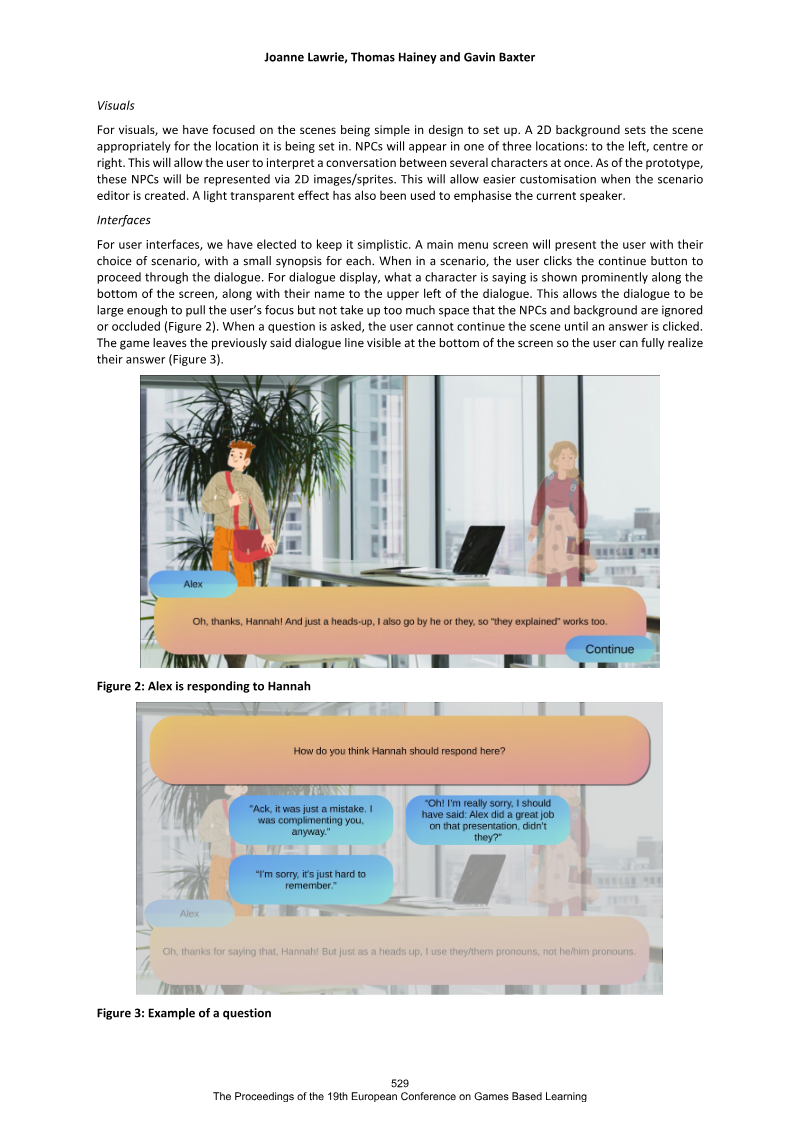
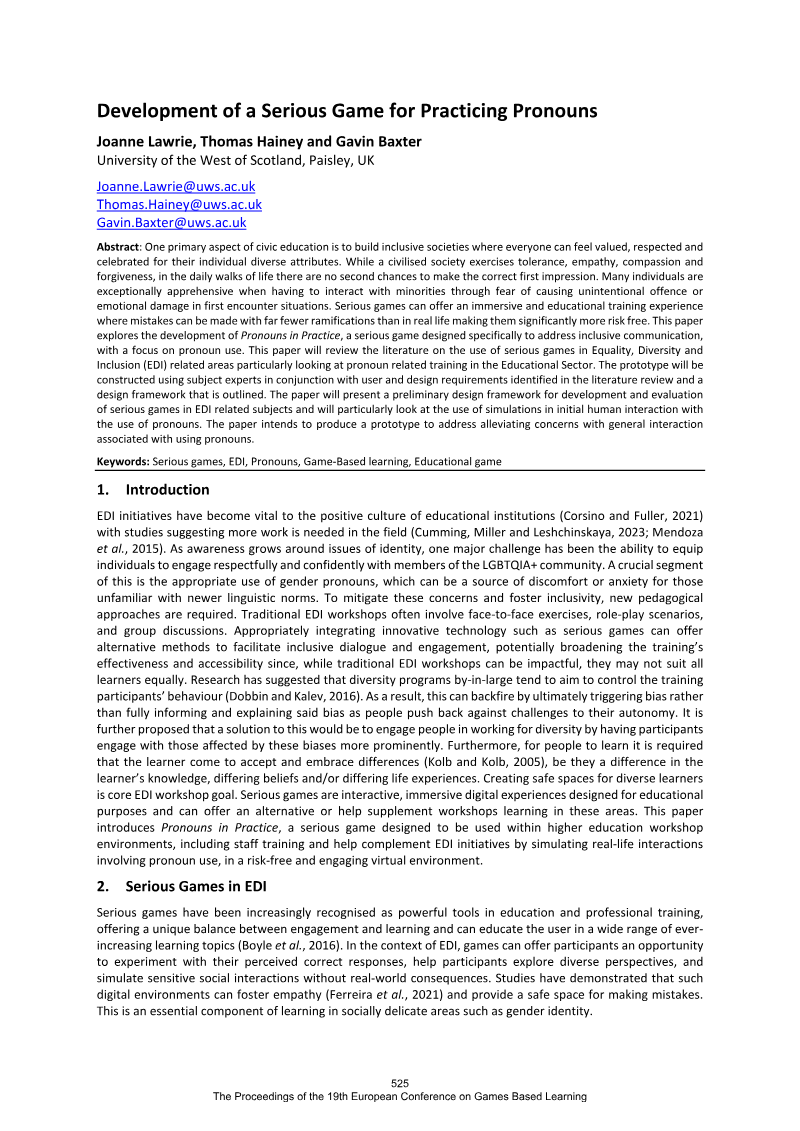
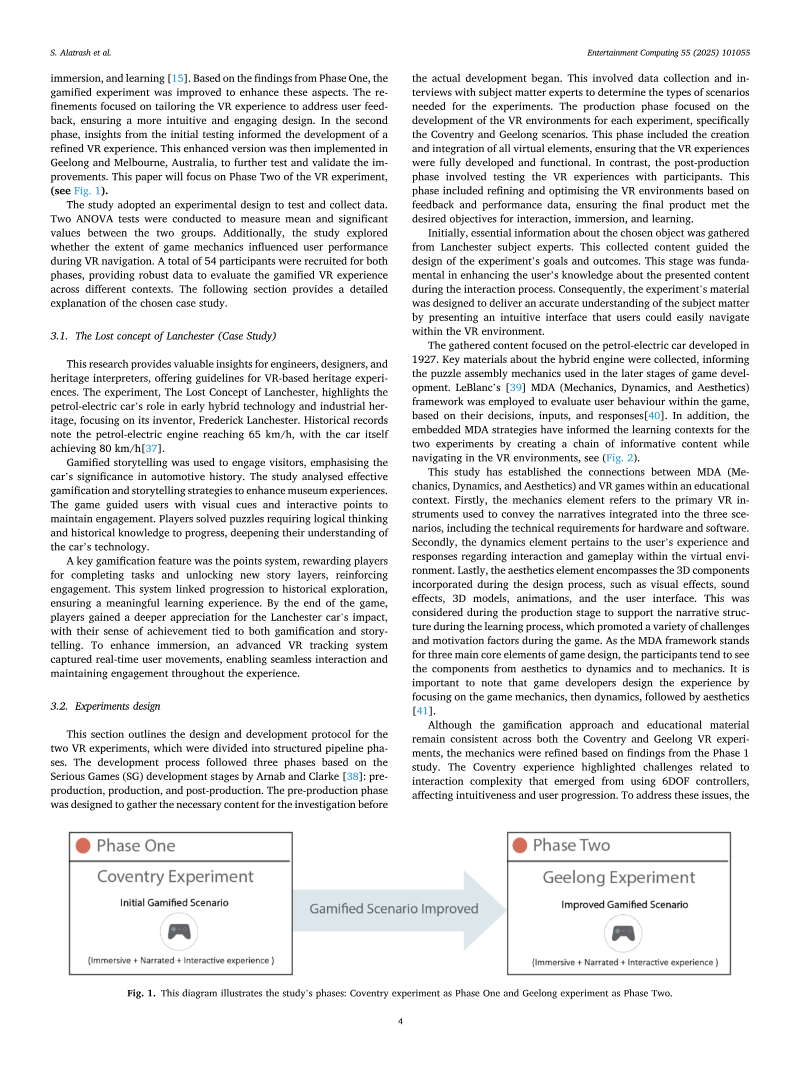
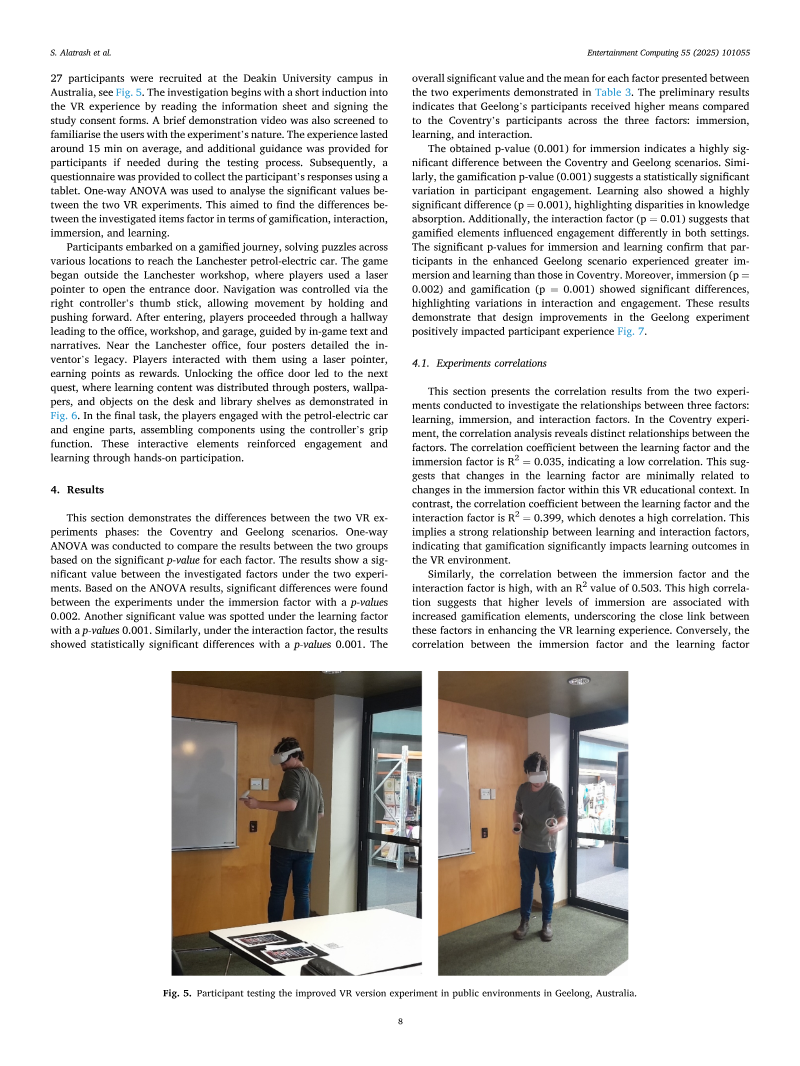
The research investigates the technical and design requirements for creating a cohesive mixed-reality interface, termed the Xuni Augmented Reality (AR) system. The primary thesis posits that by integrating depth-sensing hardware, head-mounted displays (HMDs), and wearable gesture-recognition sensors, developers can create a responsive, mobile, and intuitive interface that effectively bridges the gap between physical and virtual environments. The study aims to move toward a model of ubiquitous computing where technology integrates seamlessly into daily life.
The methodology involves a series of compatibility and feasibility tests conducted at the University of Huddersfield. Researchers utilized Microsoft Kinect sensors for depth-data capture, Skanect software for generating three-dimensional environment meshes, and the Oculus Rift DK2 to simulate an AR experience. Additionally, the project incorporated electromyographic (EMG) smart-armbands to facilitate gesture-based control, referencing established taxonomies for user-defined AR interactions. These components were synthesized into a pre-rendered visualization to demonstrate how real-time environmental data could influence the lighting, texture, and behavior of computer-generated interface elements.
The findings indicate that combining depth-aware hardware with HMDs is a viable approach for generating immersive mixed-reality environments. While the technical integration of these disparate devices is achievable, the research concludes that significant challenges remain regarding standardized gestural taxonomies and user experience design. To achieve the goal of an "invisible" computing experience, future development must prioritize the metaphysical and cybernetic aspects of human-computer interaction, ensuring that the interface remains intuitive and unobtrusive for the end user.