1 free read left. Create a free account for unlimited reading + AI research.
Create free accountWhitepaper DiGRA
1 free read left. Create a free account for unlimited reading + AI research.
Create free accountWhitepaperDiGRA
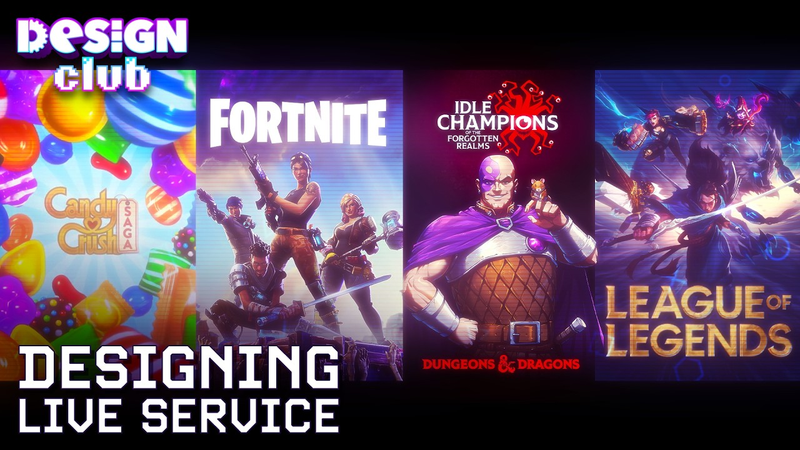
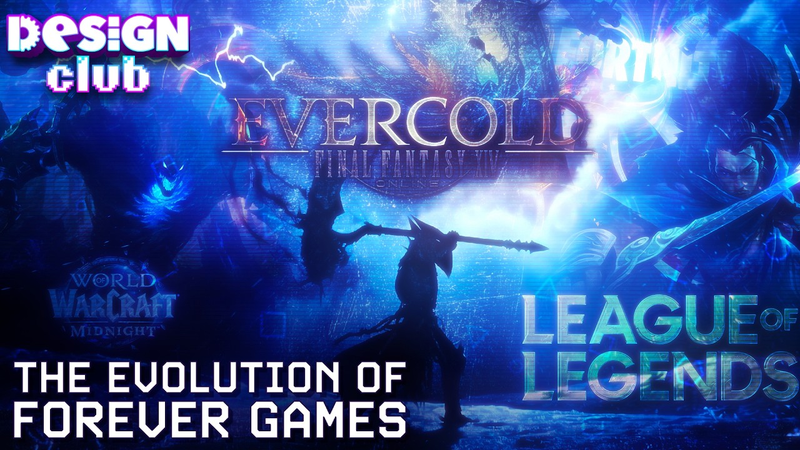
The paper frames GaaS as a new paradigm in which a single title like League of Legends endures as an economic and affective relationship with players.
This paper examines the games-as-a-service (GaaS) model through a case study of League of Legends, a free-to-play multiplayer online battle arena with a sustained esports and live-streaming ecosystem. Its central argument is that GaaS represents a fundamentally new paradigm in game production and play, one in which a single title persists over many years as an ongoing affective and economic relationship between players and the game, rather than following the traditional cycle of a boxed release followed by sequels. The author positions this inquiry as an intervention in literature on co-creativity, which has addressed free-to-play monetisation, paratextual activity, and hybridised consumer relations, but has seldom engaged directly with GaaS as a critical concept.
The methodology relies on participatory open discussions with regular players of League of Legends, whose testimony is used to illuminate how they understand their spending and engagement. Participants describe purchases as a kind of subscription or entertainment payment, justified by the low cost per hour of play and the extended longevity that free-to-play titles offer compared with one-off games. The paper argues that such views point to an extended product lifecycle that departs from the "perpetual innovation" of traditional cover-price models, since the game's foundation and identity persist even as patches, skins, streams, and esports continually reshape it.
The analysis also raises concerns about governance and datafication. Because GaaS titles function as platforms for continuous monetisation and surrounding industries such as esports, players face increased scrutiny of their behaviour. The paper further situates these developments historically, drawing on the observation that multiplayer play was the norm before the rise of single-player digital games. Its findings suggest that players remain with League of Legends largely because of its variety of emergent play, its social networks, and its surrounding esports and streaming culture.
Each row is a game or company this document names, each column a document, oldest first. A mark means that document names it. Select a row to see those documents.



DiGRA · 2023

DiGRA · 2023



DiGRA · 2023

DiGRA · 2023



DiGRA · 2023



DiGRA · 2023



DiGRA · 2023



DiGRA · 2023



DiGRA · 2023



DiGRA · 2023



DiGRA · 2023

DiGRA · 2023
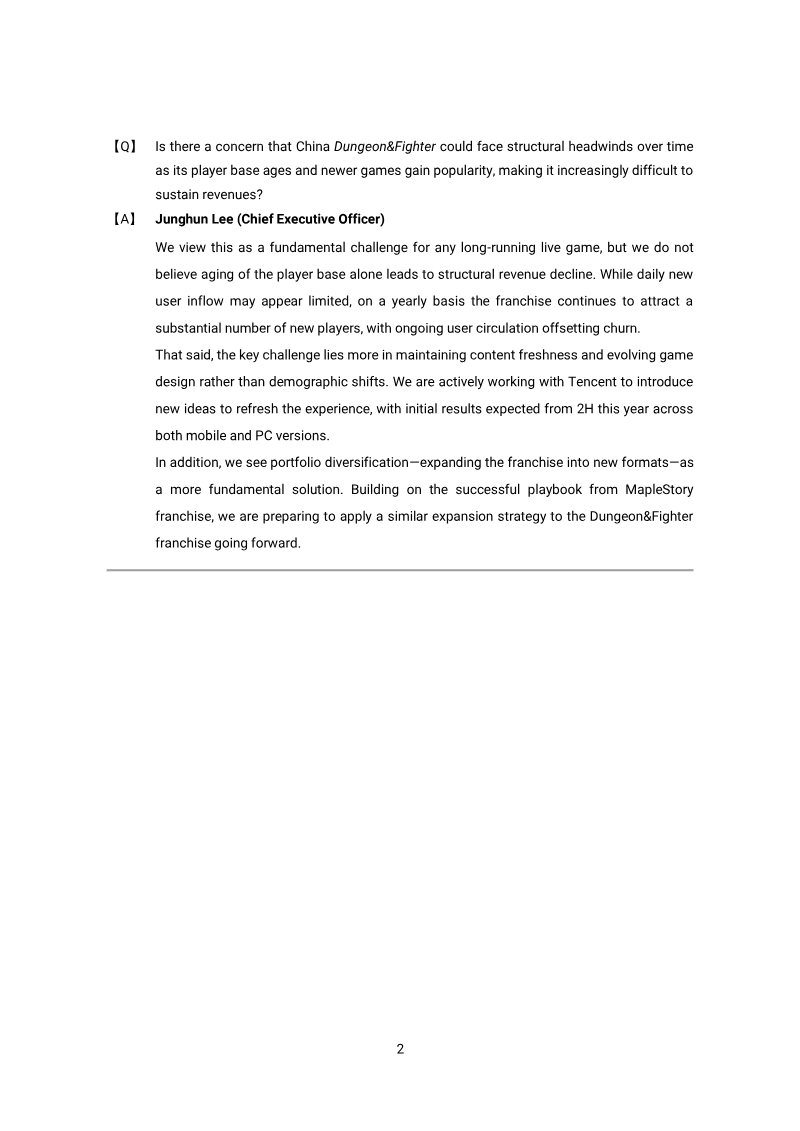
NEXON Co. · 2026