1 free read left. Create a free account for unlimited reading + AI research.
Create free account
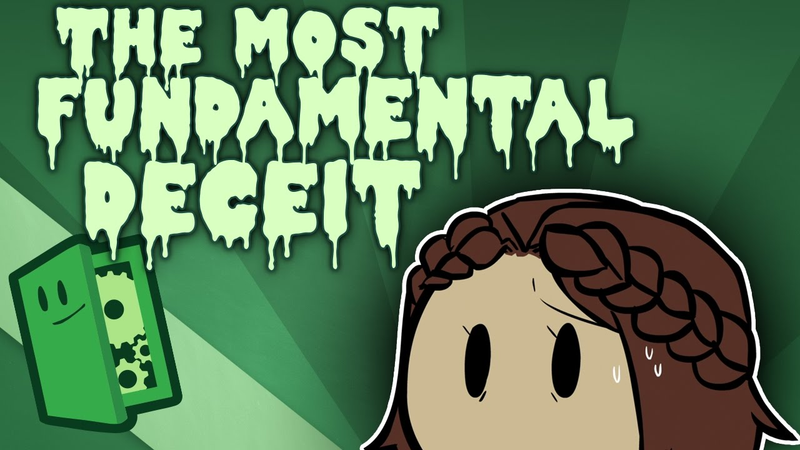
The Most Fundamental Deceit - Horror and How Rationality Betrays Us - Extra Credits
Key insights
5 takeaways- 01Protagonists are disempowered by the choice between accepting a reality that defies reason or acknowledging their own perceived descent into madness.
- 02Isolation in horror is intensified because characters fear that seeking help will confirm their own mental instability rather than validate the external threat.
- 03Horror functions by weaponizing the human tendency to prioritize logical consistency over sensory evidence, forcing protagonists to dismiss supernatural threats as hallucinations or fatigue.
- 04The core tension in horror arises from cognitive dissonance, where characters attempt to apply rational analysis to illogical situations, rendering them unable to take effective action.
- 05Effective horror narratives dismantle a victim's confidence in their own mind and the stability of the world, rather than relying solely on the presence of a monster.
Ask AI about this video
Transcript
Hey, is it too late to do a Halloween episode? Cuz like we all got costumes already. And we can. Cool. Okay. We desire a rational world. A world where things make sense. Where even the most horrible events jive with our understanding of reality. If we have that, we can maintain some sense of control. Some rational framework for what's going on around us. Some hope. But in the world of horror, that very desire is turned against us. Horror turns against us our most powerful tool. The tool with which we have tamed the world. With which we've made a dark and scary place very comfortable to live in in the last 200 years. Our reason. Horror presents us with the extraordinary. With things beyond reason. Things that a thousand years ago we might have called demons or spirits. But today our great strength, our reason, our belief in a rational world causes a very different reaction. One which the best horror writers and designers play on to the fullest. Because today instead, the extraordinary
fills us with self-doubt. How many times have you seen or played a character who witnesses the horrific? Who witnesses a monster or an apparition or a shade and shakes their head? Doesn't believe what they've just seen. They'll say, "Uh, it must have been the sun. Or maybe a distorted reflection off of the water. Or just some kids dressing up pulling a prank." Dismissing the horror when they could be preparing for it. Go back and watch your favorite horror movies or play your favorite horror games and think how differently the whole story would have gone if instead of throwing out their first encounter with horror as a mere illusion, the protagonist took it at face value and began to figure out how to thwart it. So many of these stories would have turned out much better for the protagonists. But that's not the root of why this is so important for horror. Yes, playing on our dismissal, on our sense of a rational world, is essential to holding many of these plots together. And it's an excellent plot device. But horror is about feel as much as it is about plot, and the best horror creators use this
conflict with our understanding of the world, this conflict with the rational, to build the feeling of horror as much as they do to shore up their stories. For the most fundamental belief we have is the belief in our perceptions. 100 million years of evolution cause us to trust them. We may know they're flawed, we may know that they have weaknesses and offer us the occasional error, but they're the system by which we judge reality. They're the system by which we differentiate the sane from the insane. When confronted with things so wholly beyond our comprehension, so grotesque or impossible, so antithetical to how we believe the world is supposed to work that we can't rationalize them, we start to question our own senses. Was I dreaming? It must have been a hallucination, just a trick of the mind created by fatigue. These are the sorts of things that you'll hear our horror protagonists say to rationalize what they're experiencing. Then comes the breakdown where what they're facing is too insane and they can't trust their senses, where they're faced with the panic of not knowing what's real and what's some mad delusion. And they can't
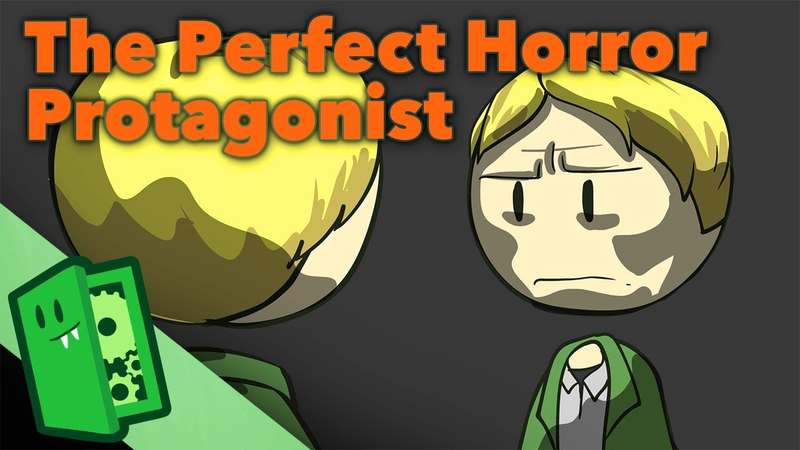
escape this feeling because like us, like the very audience they're playing to, they've been trained to believe in a rational world. And so to these characters, I am insane is an easier answer than the world is insane. Or to put it another way, they are more ready to believe that they themselves are going mad than to believe that the world is radically different than what we understand it to be. And the panic this causes is real because they're perfectly rational but think they're going insane. They're trapped in this rational box, having all of the faculties, all of the ability of analysis and reason that they've always had, but they're watching themselves as they think it going insane and they can't do anything about it. Unlike the madman who in most stories believes his fantasies are realities and thus doesn't see his own insanity, the characters in horror are acutely aware. They know they're going mad. They're forced to feel that descent, to feel the rest of the world judging them, making assumptions about them because they aren't actually going mad, but even they
don't believe it. That is the greatest horror trick with our belief in a rational world, to use it to have us doubt ourselves, to isolate our character from the rest of the world, to disempower them by making them doubt their sanity, and to disassociate them from their friends. Because the moment where the character finally faces the possibility that what they're seeing and experiencing is real, the moment where they have to ask themselves, "Do I hope I'm going mad because the alternative is worse?" That is the quintessence of horror. So, next time you're playing a horror game or watching a horror movie, check. See if you see the characters ever doubting their perceptions. See if rather than immediately springing to action against whatever horrible things entered their world, they instead withdraw into disbelief, unable to square what they've seen with the reality they know. See if this slowly builds into the fear of the descent into madness, or instead forces us to face the true dread of confronting a world that isn't as known as we would like to think of it. See if this makes others doubt the character, pulls them away
from the people that could help them, be it friends or authorities like the police. And see if in the end, this rational world that is our greatest strength, that we truly believe in that we think we know, comes to be one of the character's greatest weaknesses. I hope you all enjoyed your All Hallows, and don't worry, that probably wasn't really a monster you saw. See you next week, probably.
Summary
The effectiveness of the horror genre relies on the subversion of human rationality, a trait typically used to navigate and control the world. While modern society relies on logic to interpret reality, horror narratives weaponize this tendency by forcing protagonists to prioritize their belief in a rational world over their own sensory experiences. This psychological conflict serves as a primary driver for tension, as characters often dismiss supernatural or grotesque threats as hallucinations, fatigue, or simple tricks of the light rather than acknowledging the existence of the impossible.
This cognitive dissonance creates a profound sense of isolation and helplessness. Because individuals are conditioned to trust their perceptions as the baseline for sanity, encountering the inexplicable leads them to conclude that they are suffering from mental instability rather than accepting that the world itself is fundamentally different than understood. Unlike a character who has lost touch with reality, the horror protagonist remains acutely aware of their own perceived descent into madness. This awareness traps them in a state of panic, as they attempt to apply logical analysis to an illogical situation, ultimately rendering them unable to seek help or take effective action against the encroaching threat.
By forcing characters to choose between the terrifying prospect of a world that defies reason and the personal horror of self-doubt, creators effectively disempower their protagonists. This dynamic serves as a core mechanism in horror storytelling, transforming the human capacity for reason into a vulnerability. By analyzing these narrative patterns, it becomes clear that the most potent horror does not merely present a monster, but rather dismantles the victim’s confidence in their own mind and the perceived stability of the world around them.













Comments