ReportEpyllion
The State of Video Gaming in 2026: Growth and Where to Find It
167 pages~83 min full read
The global video game industry in 2026 stands at a critical juncture, characterized by record-high consumer spending that masks deep structural instability. While top-line revenue has reached new peaks, operating income for major publishers remains stagnant, hampered by a 55% decline in private funding and the cumulative impact of 44,000 layoffs. The industry is no longer a monolithic growth engine; instead, it is experiencing a sharp bifurcation where traditional console and PC markets in Western regions face declining participation and intense competition from alternative digital sectors like iGaming, social media, and AI-driven applications.
Growth is increasingly concentrated, driven not by broad market expansion but by a small number of dominant franchises and aggressive monetization of a shrinking player base. Chinese developers and platforms like Roblox have become the primary engines of global expansion, capturing roughly half of all industry growth since 2021. As user acquisition costs rise and engagement plateaus in mature markets, publishers are pivoting toward emerging economies in Southeast Asia, Latin America, and the broader APAC region. These markets, which have seen a 41% surge in value since 2022, now dictate a shift toward low-end device optimization and culturally specific content over traditional Western-centric design models.
To preserve margins amidst rising costs, the industry is undergoing a fundamental operational transformation. Publishers are increasingly bypassing platform fees through direct-to-consumer billing and webshops, while simultaneously relying on outsourcing for 35% of development tasks to maintain flexibility. Furthermore, the integration of ad-supported models across all platforms signals a move to monetize non-spending users as a core strategy. Ultimately, the industry’s future depends on its ability to adapt to these fragmented, high-scale emerging markets and the adoption of leaner, more efficient development and monetization frameworks that prioritize long-term engagement over the diminishing returns of legacy business models.
Modern Times Group · 2026
Aream & Co · 2026

InvestGame · 2026
InvestGame · 2025
Basic Roots Consulting · 2025
Boston Consulting Group · 2025
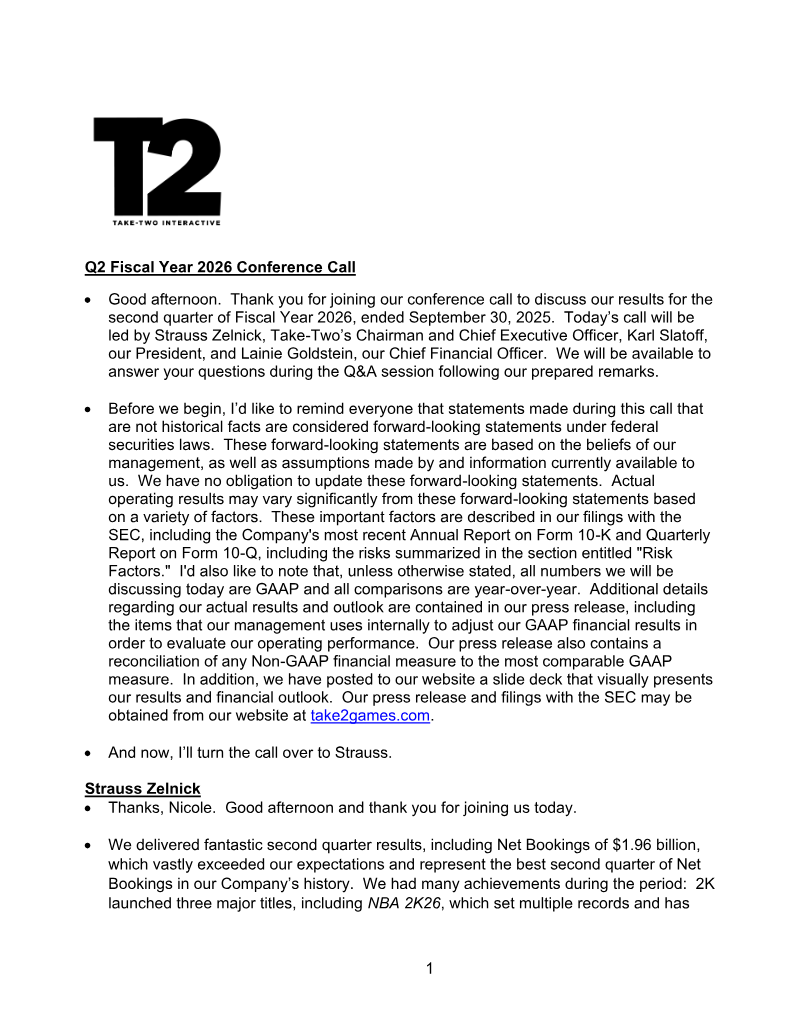
Take-Two Interactive · 2025

Xsolla · 2025

Aream & Co · 2025
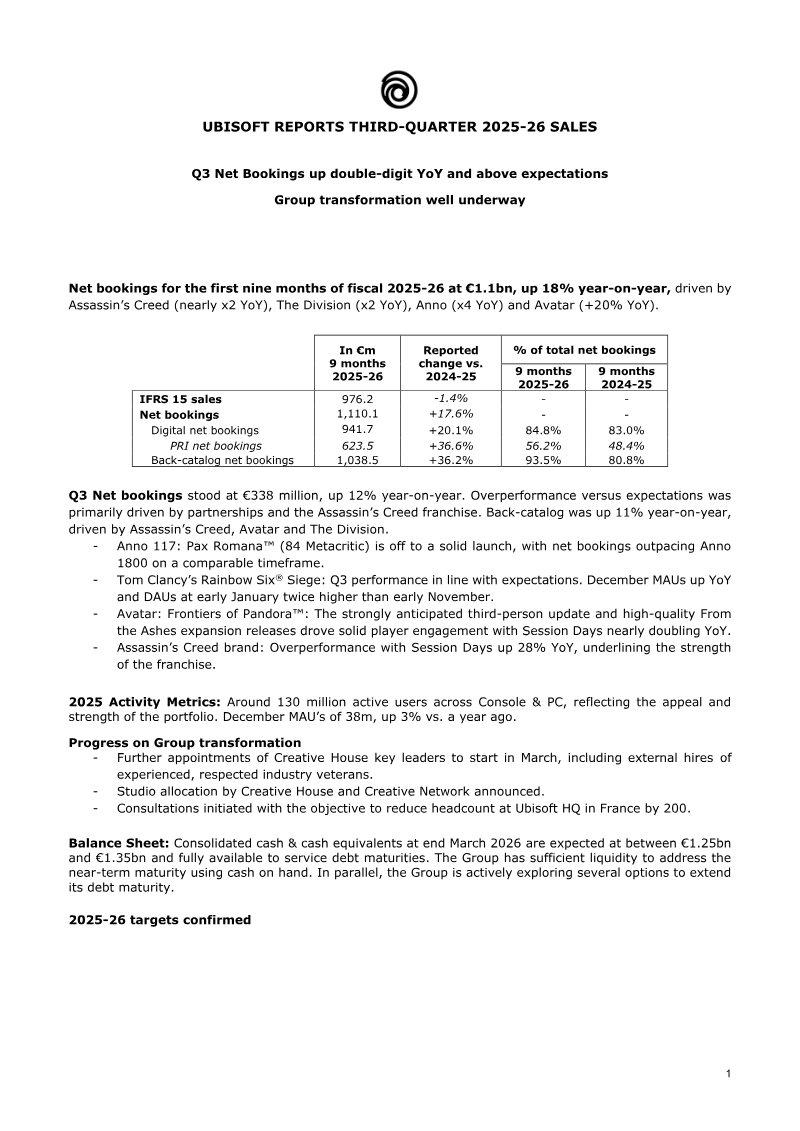
Ubisoft · 2025
Boston Consulting Group · 2025
Boston Consulting Group · 2025