1 free read left. Create a free account for unlimited reading + AI research.
Create free accountReport Polish Games Association
1 free read left. Create a free account for unlimited reading + AI research.
Create free accountReportPolish Games Association
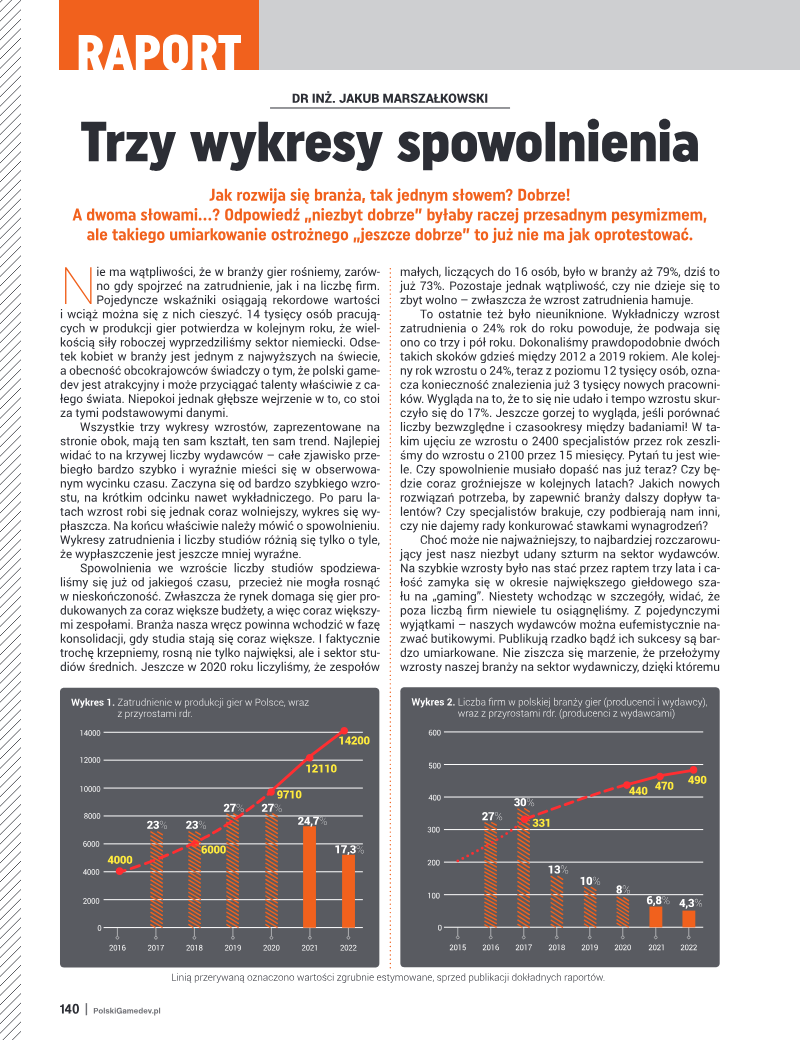
Between 2019 and 2020, the industry experienced rapid growth. However, employment and new studio formation are now showing a flattening trend.
The Polish game development industry has established itself as a significant global player, characterized by a strong export orientation and a reliance on digital distribution platforms like Steam. While the sector experienced rapid growth between 2019 and 2020, the current landscape is defined by a flattening trend in employment and studio creation. The industry faces structural challenges, including high market volatility, the need for better capitalization, and a critical requirement to move away from unsustainable "crunch" culture to mitigate high staff attrition. Despite these hurdles, the sector remains resilient, leveraging community-driven development and strategic post-launch support to extend the lifecycles of its titles.
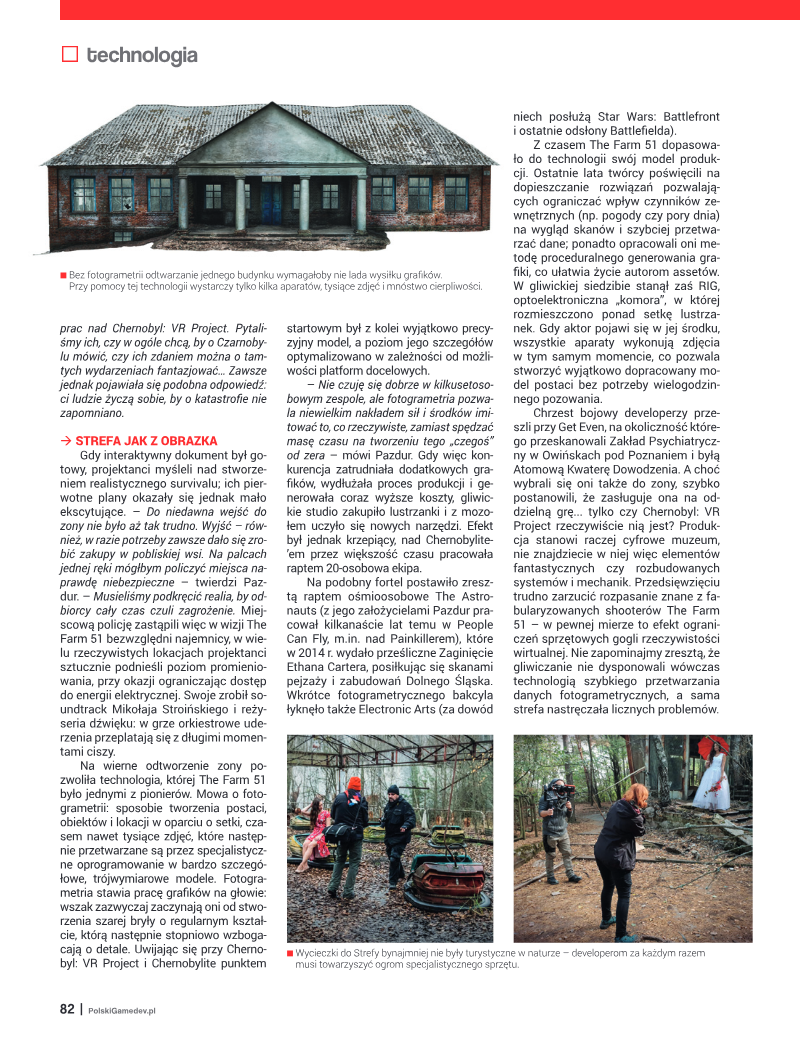
Technological and creative innovation remains a hallmark of Polish studios, which are increasingly integrating advanced tools like Unreal Engine, photogrammetry, and AI to enhance production efficiency and narrative depth. There is a notable shift toward intertextual storytelling and emergent gameplay, where developers prioritize player agency and complex, empathy-driven narratives over traditional, linear structures. Furthermore, the industry is expanding its influence through cross-media collaborations—such as comics, board games, and adaptations—which serve as vital tools for sustaining intellectual property and reaching broader international audiences.
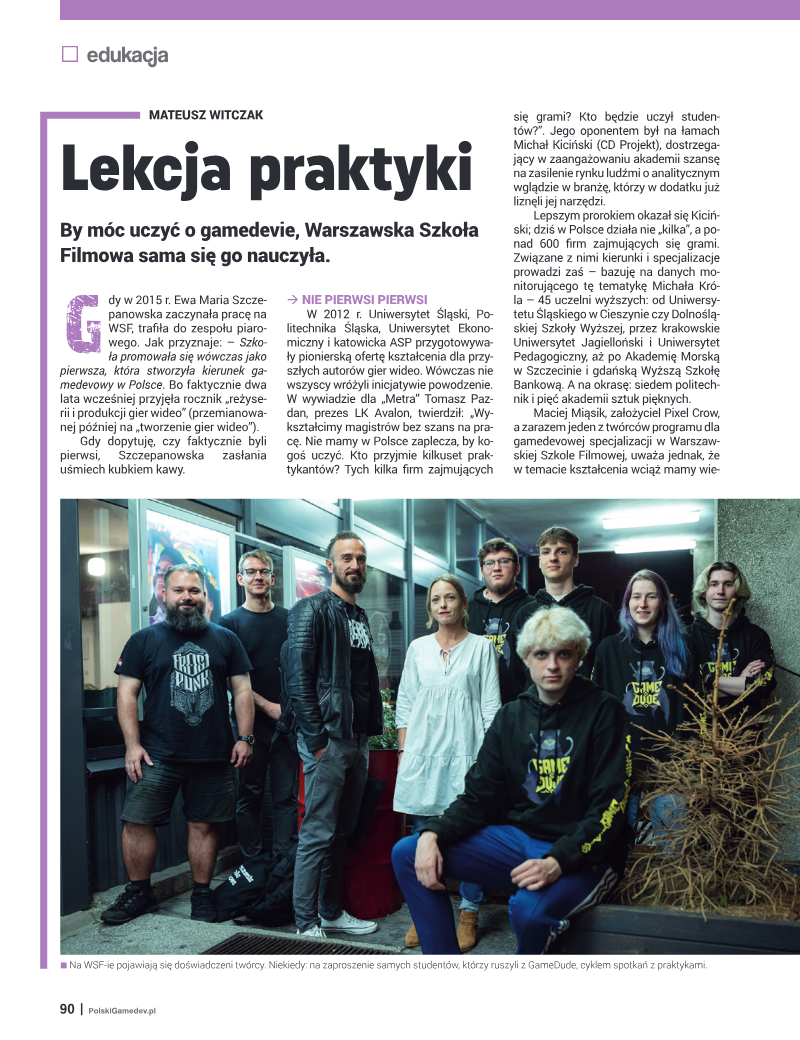
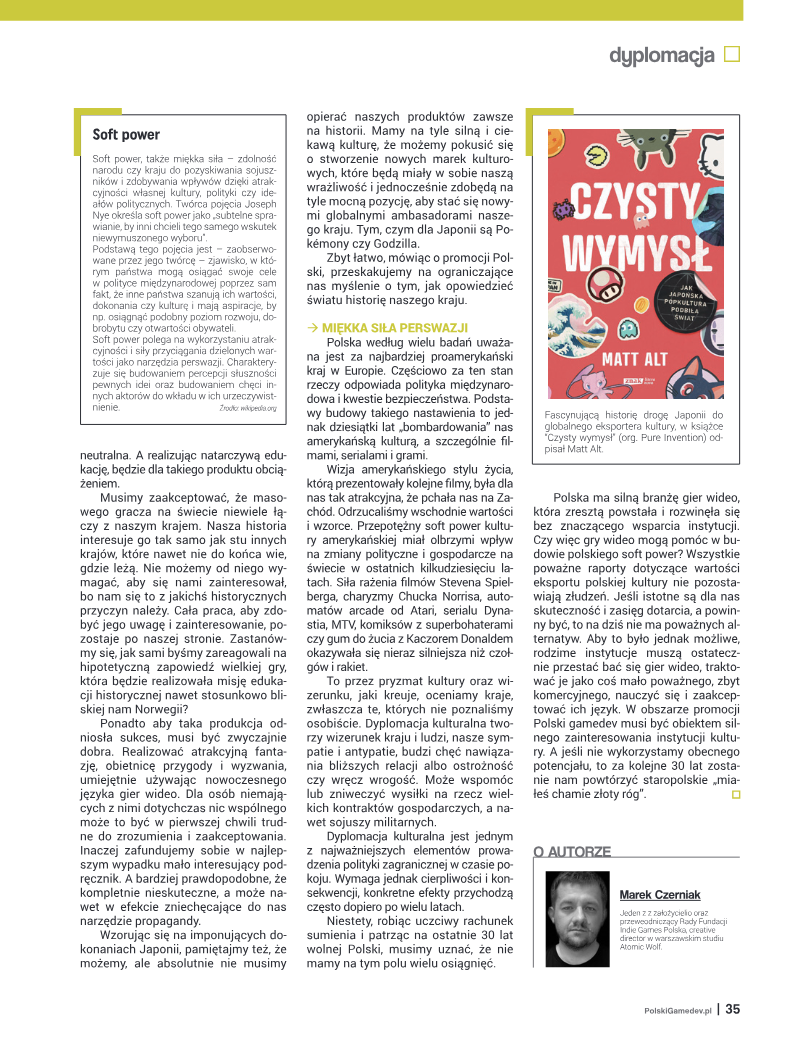
Beyond commercial production, the industry is evolving into a significant social and cultural force. Polish developers are increasingly focused on accessibility, neurodiversity, and social responsibility, while also contributing to digital heritage preservation through the archiving of retro gaming history. Education has become a core pillar of this ecosystem, with academic institutions aligning curricula with industry-standard workflows to prepare the next generation of talent. Ultimately, while the industry is heavily dependent on centralized global digital ecosystems, it possesses the potential to function as a powerful instrument of cultural diplomacy, provided that domestic institutions offer the necessary support to foster long-term stability and international influence.
The Game Business · 2026