Key insights
5 slides
What changed
Idle games now function as passive desktop digital toys.
They provide passive entertainment alongside other computing tasks.
The production model
UI-heavy designs support sustainable, solo-led production cycles.
Developers focus on UI-heavy designs rather than complex, character-driven animations. This makes titles manageable to build and well-suited for the Steam marketplace.
Low overhead. Independent developers are adopting low-overhead, UI-heavy idle game designs.
Key number
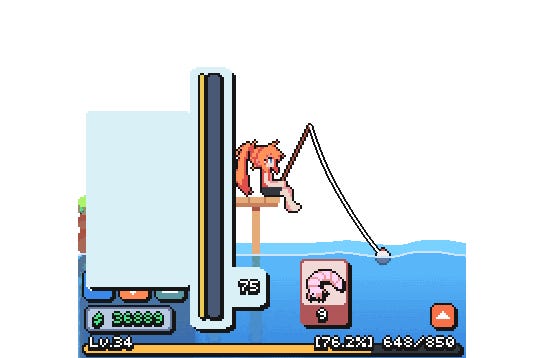
Cornerpond secured over 270 reviews in its first few days.
The game achieved notable traction without traditional marketing or extensive YouTuber coverage.
What changed
Newer titles integrate light, skill-based minigames to balance passivity.
Recent indie experiments emphasize shorter, self-contained experiences.
Skill-based balance. Modern idle games integrate light, skill-based minigames to balance passivity with engagement.
Career path
Desktop-integrated gaming is a viable long-term career path.
Developers are refining mechanics to align with player demand for convenience. This establishes desktop-integrated gaming as a viable, creative career path for independent artists.
1 / 5
Ask AI about this report