1 free read left. Create a free account for unlimited reading + AI research.
Create free account
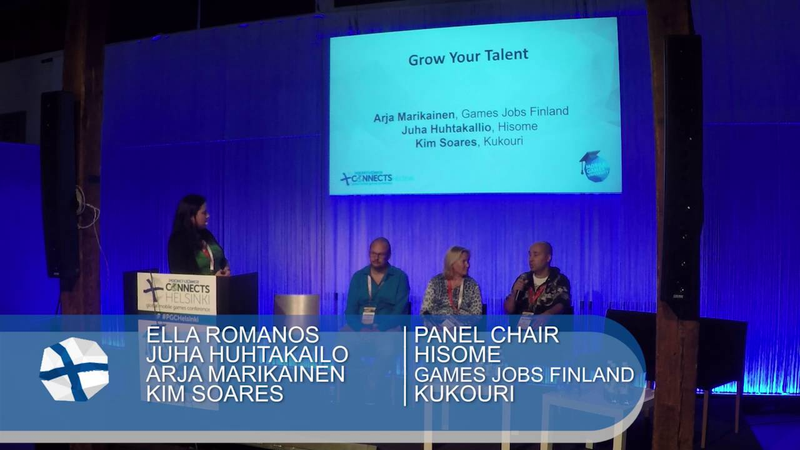
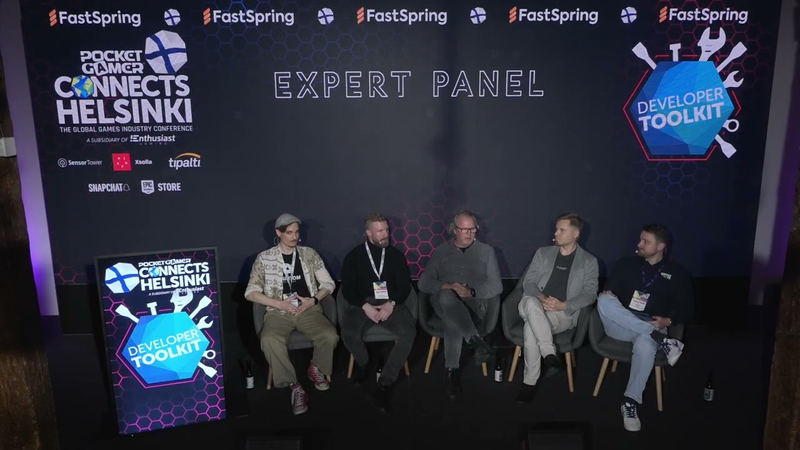
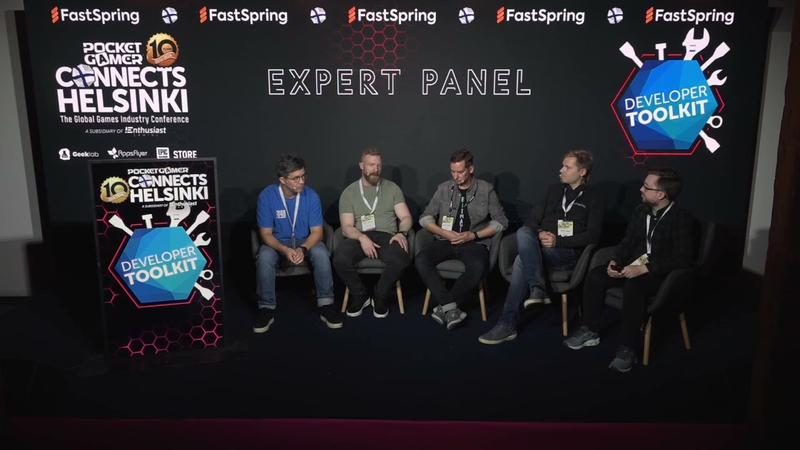
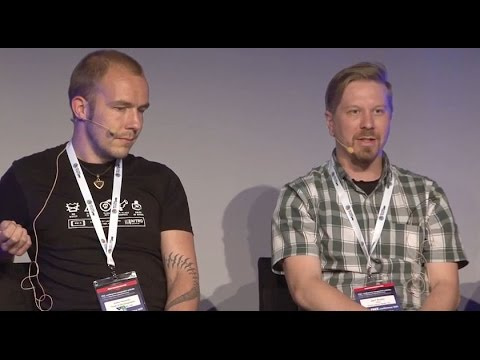
Panel on the Game Executive leadership program at Aalto University
Key insights
5 takeaways- 01Long-term success in the mobile gaming industry is driven by an executive's ability to align individual creative motivations with broader business objectives rather than relying solely on technical proficiency.
- 02The Aalto University Game Executive program facilitates this transition for fifteen studio leaders by focusing on the intersection of organizational culture, creative autonomy, and production deadlines.
- 03Effective leadership in gaming requires high levels of emotional intelligence and self-awareness, specifically regarding the ability to provide constructive feedback to creative talent.
- 04Future industry resilience depends on developing a new generation of leaders who possess a dual competency in both high-level business acumen and the creative development process.
- 05The industry must evolve beyond the current free-to-play paradigm by developing more sophisticated, cost-effective user acquisition strategies and exploring alternative business models.
Ask AI about this video
Transcript
we've gathered some very interesting uh people from from the game studios that attended and we also have presentation from Al University e uh and we're going to discuss a bit about the uh training program that went on uh during this spring so starting from uh early winter uh and lasted for about a month or so what uh so uh let's begin can you uh guys uh and girls uh introduce yourselves so starting from uh har yeah hi har gr Grand crew creative director and co-founder um how long should they what do you need to know can you can you just uh tell me a little bit about who you are what you do uh what kind of team do you work in yeah well first of I've done game since the late 80s or so and mobile
games for the last 13 years um been running um design team for the last well also 13 years so I'm I work with artists designers um also in the management team um yeah I try to take care of all the all the creative things and the okay in the company all right thanks yes I'ma I work at at the Aldo University Executive Education as a director for Russia and talent management and I have been quite a bit working with game executive program that we had the pleasure of of implementing last winter I also train in that program I'm I'm a teacher in that program and uh we are developing it further and I'm hoping to be the teacher in the following program as well let's see okay good thanks Yuka hi my name is yuk I'm
Chief development officer at Nitro games we are making Next Generation mobile strategy games to our own platform and basically what I do is I'm responsible that the games are done in budget and time and they are hopefully making some money after that okay and then Yuri so I'm a CEO and a co-founder of kinos game studio and I'm uh leading the team keeping the monkeys in The Zo and uh including myself also and it's kind of hard work we have launched two games already and uh trying to trying to make more games this year also okay thank you and then yeah hi I'm mik wman C and one of the founders of of gr crew uh what I do is basically I work with super nuts doing technically what every needs to be
done to get the game out that can be making really good coffee or or doing La laundry so that we have enough towels in the SA or sometimes doing some coding and analytics as well okay cool and then you yeah hi I'm Yuka from rival games the CEO of it and we're based in turu and we focus strictly on redefining interactive storytelling in games thank you and then can you uh tell us a little bit about yourself yes hi hi my name is s Inman and I work um as a program director at Aldi University Executive Education and I have the honor uh to to be leading this uh game executive um program at our premises and and really happy to have had all my alumni uh and met you all and and um learned myself as well a lot about game industry and um hopefully we are implementing the the next Edition now in
uh following October so already putting together the next program okay cool and how many people were uh enrolled in the uh program uh we were 15 14 from Finland um basically half and half from uh big companies and startups and then um uh one from Russia okay so thank you uh all right I forgot to mention uh I'm D I'm the head of games at player so we're presenting the uh program today uh all right okay um so the first question is uh in your role what is the most pressing pressing leadership challenge you have and um could I have Yuka here start yeah sure since we're a small startup we've just raised some minor Angel Investing rounds money is always the issue how the at people when you can
pay salaries on a monthly basis so that's the biggest challenge for us so far just going around okay yeah uh I think for me it's it's definitely working working with a huge project with a large number of creative excellent individuals who all have tons of great ideas and you only have so little time to implement just a part of those so keeping focused that's the biggest challenge so yeah money is always one one thing but also time and keeping things so simple that we can manage in our time and with the budget that everything goes well so I think the time and money is the most pressing things okay thank you yeah I think quite similar things also from my part and I think one one add add to that is that
finding and cultivating skills in the team so that the whole team functions together so that there's not so much management needed anymore then yeah agree with M that focus is important we everybody wants to do so many cool things in the game um I think one thing for me is balance that you we have we try to give each employee a lot of responsibility and person or you know so they can take their own initiative and um work as independently as possible at the same time we you know we need to have get something done and so there's so there's that so everybody knows what's you know what's going on while at the same time having enough sort of leeway to be creative and yeah yeah getting something done is is always a bit difficult yeah uh so uh
continuing on from from that why did you uh choose to participate in the Alo e game executive program starting from you um yeah well I have some some experience in you know game development but it's mostly mostly Art and Design side so I thought i' know what the hell I'll do something different for Change and challenge challenge myself of and you know try to get better on the things that are not my core competence and um yeah that's that's the main reason okay yuk uh I think from my part is the I've also always believed that uh I can apply the theoretical knowledge or theories into practice in my work and uh from these past two years when I've been working I haven't had so much time uh to actually go and develop myself so
actually what I did I bought myself a time from Al of Executive Education so that's something which was really good have time to actually learn and develop yeah that's that's definitely important then Yuri yeah I heard about it from my co-worker and um and I was thinking that okay back to school and this was perfect perfect time to go back to school because the course was exactly what I needed so I think that was the reason why I took it yeah and I I have to agree with you going going back to school is sometimes a bit refreshing yeah for me it was just really interesting like there's so much gaming related education like more on the like a developer artist level happening in schools schools in Finland nowadays so for me it was just mostly really interesting to see what what would like an executive gaming program be like and
just just looking to to push myself a bit forward yeah and there's according to my knowledge there's nothing of a of that kind currently offered so it's a good chance then Yuka yeah I think for me it was since we're new company just founded a year ago we have gone through a couple different accelerator programs like startup SAA but they all focused more on the it business as a whole so I kind of sense that this is more focused on the game Game Area itself so it was like a no Criner to join great thank you thank you um I call it empathy and compassion and it's also called as um emotional intelligence um in your opinion what benefits does the development of these qualities bring to a leader uh especially when managing creative people and can we start with Rita who's a specialist in this area yes I I empathy and compassion of course course yes are are parts of
emotional intelligence but they they might sound a little bit scary don't they to to harsh guys in the gaming industry we don't put any any uh flesh around the bones and and and talk about it uh the importance of of understanding human beings in general is is the essential kind of character of of any leader or or manager and I would say that especially in in the starting phase when you really have to make the most out of the people with Pro possibly not that much money and with possibly a lot to do in a very short time period you really have to understand how to make this happen what actually motivates people it might not be the money as we have seen it's it's not always and uh how how you can make them understand their own role in the little bit bigger
picture and that is not possible without understanding what what we as people are are made of so so I think one of the first things be it's creative people be it's any people in an organization let's face it not all of us are creative uh so so uh it it starts from understanding yourself understanding your own impact on on other people and and understanding how other people impact you and uh if they irritate you too much or or you're not at your best you might lose good good opportunities to make a great creative team Etc so so starting from yourself understanding yourself and your own reactions and actions is the the basis we have to have and and emotional intelligence is something that we can actually develop but we first have to understand what it is and what it takes thank you and
Yuka yeah when you're talking about creative Talent on in the game industry I think they're like delic flowers in my opinion since I'm used to give quite a harsh critique from something that doesn't like work for me and that's something I realized soon enough that I just can't go and do that since they're going to break and I think especially the game executive training the first module which was about personal development and reading a people it gave me a lot of tools to work on that side how to give like honest feedback without crushing the person who I'm giving it to okay M yeah I I think like u a lot of games companies start us well you you probably start a games company with your ex- colleagues or your friends and it's like a small family it doesn't really feel like like work at all but at at the same time you still like have to keep in mind that this an actual workplace and you might may have same kind of problems
as any other workplace has and you you start hiring people from the outside who are not the part of the same same circle of friends so you you have to take this these things into into consideration as well okay yeah I think in a team there's a different kind of people persons and uh of course have to act differently with different people you have to say that okay this is great thing that you do when they do some great great things so they know that okay now I I have a that feeling that I did wrong right and then they continue doing so and also making the difficulty bar on right level so if there's are some task that okay hey this is great can can you do this kind of thing and like telling the right kind of uh task to to the members then they are like they are giving the life to make make
this test ready so I think it's like a uh have to be right kind of task for the members and uh uh so they they really love to do it uh for me it was like I think the key thing key takeaway from from from the mod was that for my role is that I always think a little bit Pro procedurally like how to build the processes into the company or organization where everyone has a good like starting point and everyone knows what is expected from you or from anyone else and you know what's the like a what are the motivational drivers of of human beings and you build that you build the engine for that not to the money not only the money but also like a responsibility and power and and like peer peer fame or something like that so that
there is building BLX for everyone to go and develop yourself in the team har har yeah I don't know what to add all to that all to that but um I it's it's difficult to you know or order anybody to be creative think everybody is everybody is creative and you you can build the environment for for that to happen and that that's what is these skills you need this and um and it's it's it's all about the team so you have to be able to build build the right kind of team and you have to be able to you know get get the vibe from the team if there's even you know one one person that doesn't doesn't really fit into it in a in in a 20 people team that you know it doesn't work anymore so and you can you can sort of you can you can smell the at atmosphere from when you
enter the office almost so you see if there a place where you can can be creative I mean being creative also means that you have to um you will make mistakes and and the environment will have to support that it's you know it's it's okay great thank you yeah okay uh I'm sure you uh had a lot of uh uh interesting lectures and and sessions during the program uh team building is obviously one of them and and and the social skills and emotional uh sensibility uh uh but can you name just a single uh like a most significant experience during the program what was the uh the the one that really kind of uh had an impact on you sorry from har yeah well I have to not just because I sit sit next next to her but I have to after
say first of all we left to St Petersburg and spent two days there and it was demanding it was Hardcore and you know ear early next morning you know wake up and do this presentation and yeah and and the part I like about it is is you know learning about I learned about different different kinds of people and different ways of thinking and and different which you know it that's happen more in in in game companies so there's know there's no there's no this like Chasm between you know these kinds of people and these kinds of people you all know who I'm talking what I'm talking about well yeah almost seriously but yeah that helped me a lot on you know learning about different ways of thinking and know know much better what understand some you know other people better I guess and myself all right
y uh for me I think it was realizing through one good exercise like how how awesomely difficult the communication is between people and even between us finish but also like if you have international team members in your team it's like 10 times more difficult and by doing that one simple exercise you I it opened my eyes like oh man that's that's quite difficult and you have to really pay attention to how what you say to people and how you say and also how you listen to the people and what they try to say to you so it's not like you can do that in 10% of your praying capacity but you have to really have to focus there that's I think that main main takeaway yeah so that kind of influences also the teamwork and the team itself how it's motivated and and how you communicate uh then Yuri yeah it's kind of same thing that St
Petersburg Rita it was really nice to like putting the mirror on your face and looking yourself there and when you open your mouth what is the impact to the other people and of of course yourself also that that was quite it it was a lot of teaching things from there learning for myself and how it affects yeah so another vote for the uh team and and SK motiv okay then yeah for me it was really the both of the two things already mentioned I think the exercise Yuka mentioned it was a really painfully eye opening experience sorry about that after after that like almost all the Britain Communications at work that's just like painful because I can see how wrong that can go and where it's heading it's it's just awful but I think I think the best part was just like learning more about yourself and pushing yourself forward like having a presentation about your own
communication skills 7:00 a.m. in the morning in petburg yeah but like learning more about your own personality and then openly discussing it with with others that was that was really good yeah okay yeah I think they mentioned already all the good ones so going to have to come up with something else but I'm going to go with a little bit different perspective since I think the best part for me was just meeting these great guys and girls here on the stage and some in the audience and to some who didn't make it I think we had quite a special group all together and since we're all in the same industry as they said we learned a lot how different people work and our since our interest align it was interesting to see how for example mik's brain works or doesn't so uh actually uh I've heard that you had some alumni meetings is that true yeah yeah yeah yeah more to come I hopeful I think maybe in uh
kaloki something com sure yeah okay so um do you feel you have evolved as a leader after the course and in what way let's start with Yuka good one um of course I've evolved I think I've come more like self-aware what I'm doing and how people react to what I'm doing so that's perhaps the biggest thing for me yeah I could just repeat what you said I think it's the the exact same for me understanding your your own weakness is a lot better and it's sometimes might be a bit painful yeah it's same but what should I say yeah it's uh lot of uh good things from the other game companies that we were talking of course different we have different kind of companies but even that we make games all of us but um it's really interesting to hear like uh how other G companies
have made different things and of course maybe taking some some influence from those but also learning if some someone have made some wrong decisions that not taking the same steps yeah and it's an interesting mix by the way that there are these uh a bunch of people that have different roles in the companies so I'm sure that has also kind of helped a lot talking talking to people in different roles or how do you think yeah yeah of course see seeing U of course there's a big bigger companies like game uh gr crew that have a lot of U like uh teams that are making and we we have only like uh six people on our team so it's kind of learning how how should if we get bigger how we should make it to getting bigger also sorry can you repeat the question that
um do you feel you have evolved as a as a leader after the course and in what way yeah I think I have but that not that isn't necessarily due to the course but still during that time I think I have evolved and those lessons lessons from the course of course have affect Ed my behavior and my my results and my Effectiveness as a leader to the team and to the owners of the company so I think I think the B most valuable lessons still are from from r r lessons like how how to manage and how to communicate the team and the other other parts was also quite valuable but I haven't used them as much as as they like human
skills okay well at least I know what I'm not good at so that's a that's a start okay yeah yeah but I mean I've learned to you know pay attention that that instead of just ignoring that so yes yeah okay um who do you think should attend the future programs uh the next uh game executive training is is starting uh in October is that right yep so what's your advice who should attend oh I would say I think the most you'll get the most if if you're still sort of start starting own company haven't haven't been in the industry for years or you're like me you you don't have that business
background um yeah yeah I you you said it well I mean either or you have some experience in the industry but maybe not that much management experience you want to to learn about leadership in general leading people managing issues understanding what really are the processes procedures that take the company to the Future whatever role you you play in in the organization in the startup in in your your gaming game company Uh I that that's not important because everybody is leading something at least him or herself and and and one day uh have to be ready for different types of roles so so I think there's no no limit who should because I I think everybody everybody will benefit it and and as was said here it's it's not about
the the industry or the coding or the the games but it's about the industry uh the people team building Etc and it is also about what you are good in not only what you are yeah I think uh Founders and CEOs of the of the startup caming companies and if if more matured companies also they like the man managers of the company and why not even someone else but I think the founders and managers are the key Target group yeah I I think so that startups and uh leaders of the company G companies that that want to get big they they have a they have some vision and they want to learn how to how to get there I think that's the thing that that kind of people would want to or they get
most of this course yeah how about I just have to ask this uh you're you're running a a startup company uh there were a lot of uh other stuff besides this uh communication and team skills uh so how much useful information did you get from the uh from the season professionals like let's say Ai and and people like that who were giving giving s lectures yeah I I think it's important important for me and of course everyone there that there is that kind of professionals that know a lot of about it and they are they are known in in the game industry and that so I think it's the making making more giving more for the uh people people there that are listening I think so okay yeah I think that uh in addition to all the people that have mentioned already I think was really good that we had for example from
Roo we had lots of people who were not in the like top management but people who still work with with managerial roles and with lots of people I think it was was if it was just CEOs it would have been probably quite boring sorry guys okay who do you yeah I think the game executive training proves pretty well that usually people say that leadership cannot be teached but in this case at least the principles can be taught and after that you have some kind of a baseline where to build your own leadership experience on so in that sense the program worked out pretty well yeah thank you I I think you know we had a very good mix of of people who were at the CEO level but then also people who were at the managerial level and and everybody learned from from each other and uh and I think it worked really really well um what do you see as the future challenges in the industry and and what topics uh should we um take
in consideration the next iteration of the program and what should we really focus on um yeah well for starters I would say that of course the whole industry is constantly evolving we've got free to play but it's going to evolve to something else it's going to iterate itself further so that's something you might want to focus on on and also you already we had a lot of lectures and stuff from various people outside the game industry which I kind of got used to already in startup SAA but they were pretty good since the gameing industry is Young it's going to get evolve more toward the traditional IT industry so we should definitely hear about the people working on that side is that's something that gaming will be in the future at least on some level yeah I think it's it's good to also in the in the future keep this good
balance of like General management stuff and then the industry feedback from from people who who work there so I think that's that was a really good split yeah I think so too that now it was quite good I I cannot say that what should be more there that was quite a lot in that time and U of course for startup it's important important to uh make good uh lot of money with your games and uh get be the like uh the marketing don't spend so much money for marketing but get a lot of users in your game so that's kind of of course for the startup is a big thing so that's one thing that could be there kind of uh this is overly used ver uh verb or word but I think the like
The Innovation or idea generation processes or something like that which good exhibit also the like the C Level and people and Founders to think about alternative models for the game industry not just whatever everyone is here also T teaching or or discussing about the freet to play and all that stuff but what what else could there be and then you need to make a little bit failures for reaching and seeing what's beyond the freeo play mobile games that might be in the after two years or might be after 10 years but eventually it might come and and you need to be prepared so that could be one one topic okay yeah it was a good set of answers or agree all that yeah keep keeping up to date or even ahead of new business
models that's it's a challenge for you and it's a challenge for everybody and I think if I look at myself or from our companies you know trying to have the so integration of of of the business in in the in the creative process which is you know what FS play well that's that's a challenge finding finding the right sort of people who have enough knowledge of both both sides yeah okay well uh I think we're running out of time so i' like to thank you all uh it's been really a pleasure and enlightening to talk to you all uh so any last words before we close okay let's give it thank you and if anybody
Summary
The Aalto University Game Executive program serves as a critical bridge between technical expertise and organizational leadership for the Finnish mobile gaming sector. By convening fifteen studio leaders, the initiative addresses the inherent tension between maintaining creative autonomy and meeting rigorous production deadlines. The core thesis posits that long-term success in the gaming industry depends less on individual technical proficiency and more on the ability of executives to cultivate high-performing organizational cultures that align personal creative motivations with overarching business objectives.
Leadership development within this context centers on emotional intelligence, self-awareness, and the refinement of communication strategies. Participants report that the most significant professional growth stems from recognizing personal limitations and mastering the art of providing constructive feedback to creative talent. By blending general management principles with industry-specific challenges, the program equips founders and managers with the tools necessary to navigate team dynamics and foster environments where innovation can thrive under budget constraints.
Looking toward the future, the industry faces a pressing need to evolve beyond the dominant free-to-play paradigm. While the program provides a robust foundation for leadership, future iterations must integrate more sophisticated, cost-effective user acquisition strategies and explore alternative business models to ensure long-term resilience. The ultimate challenge for the sector remains the integration of business acumen with the creative process, necessitating a new generation of leaders who possess deep expertise in both domains. By prioritizing these dual competencies, studios can better navigate the volatile landscape of mobile gaming while maintaining the creative integrity essential to their success.