1 free read left. Create a free account for unlimited reading + AI research.
Create free accountWhitepaperFoundations of Digital Games (FDG)
Distilling the key insights…
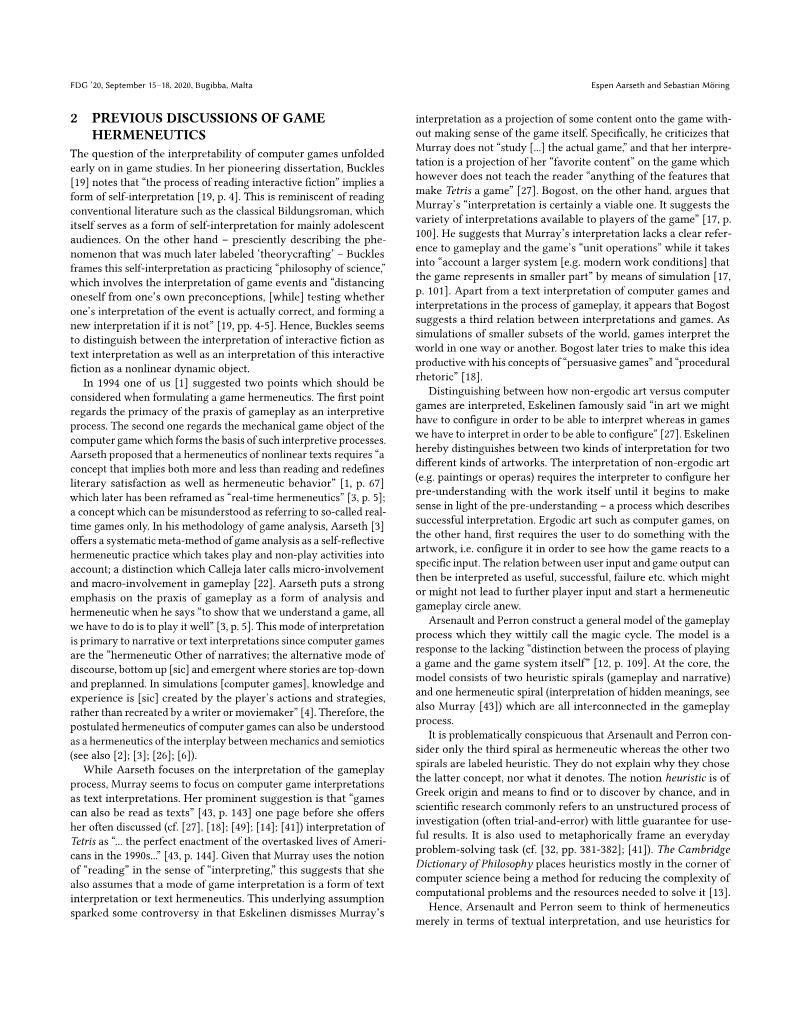
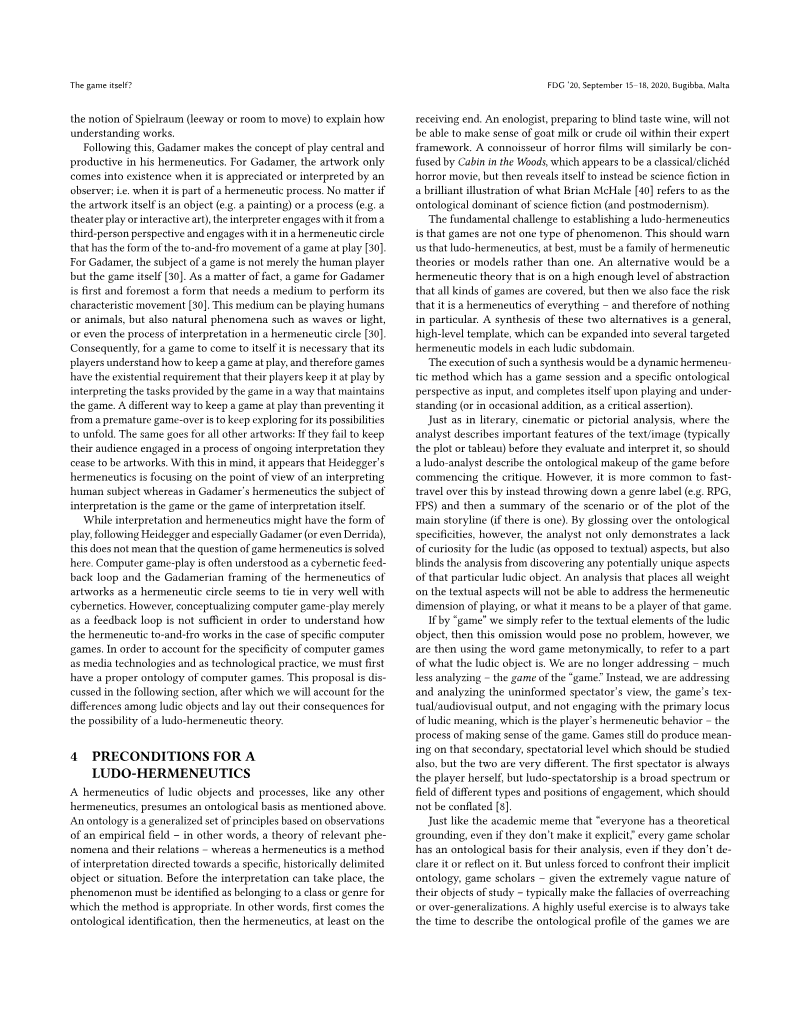
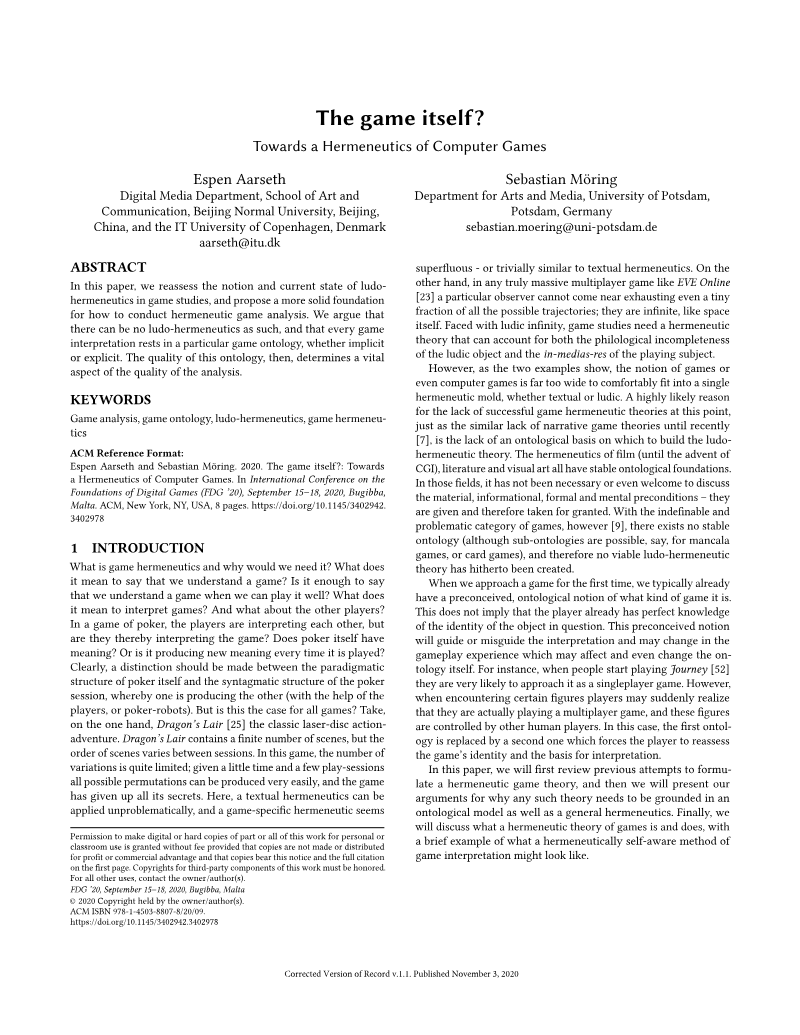
The field of game studies currently suffers from a lack of a viable ludo-hermeneutic theory, primarily because the discipline lacks a stable ontological foundation. Because computer games are inherently diverse and process-oriented, they cannot be adequately analyzed through traditional text-based interpretive models. Instead, a successful analytical framework must be grounded in a specific ontological understanding of a game’s mechanics and structure before any broader hermeneutic interpretation can occur. Meaning in gaming is not derived solely from audiovisual output but emerges from the active, practical engagement between the player and the mechanical system.
To address this, scholars should adopt philosophical frameworks derived from Heidegger and Gadamer to better account for the feedback loop between player action and game ontology. By shifting the focus from static representation to dynamic interaction, researchers can move beyond the limitations of treating games as mere texts. This approach necessitates the development of systematic meta-ontologies that allow for the categorization of different game types, ensuring that interpretive methods are tailored to the specific nature of the software being analyzed.
Ultimately, the pursuit of a rigorous critical analysis requires a departure from universal methodologies in favor of a more nuanced, context-specific approach. Future research must prioritize the creation of these meta-ontological models to distinguish between the varied structures of digital games. By establishing a clearer understanding of what a game is at its core, the field can facilitate more precise and meaningful interpretations of the player experience, effectively bridging the gap between mechanical function and cultural significance.

Association for Computing Machinery · 2025

Association for Computing Machinery · 2025
Association for Computing Machinery · 2025
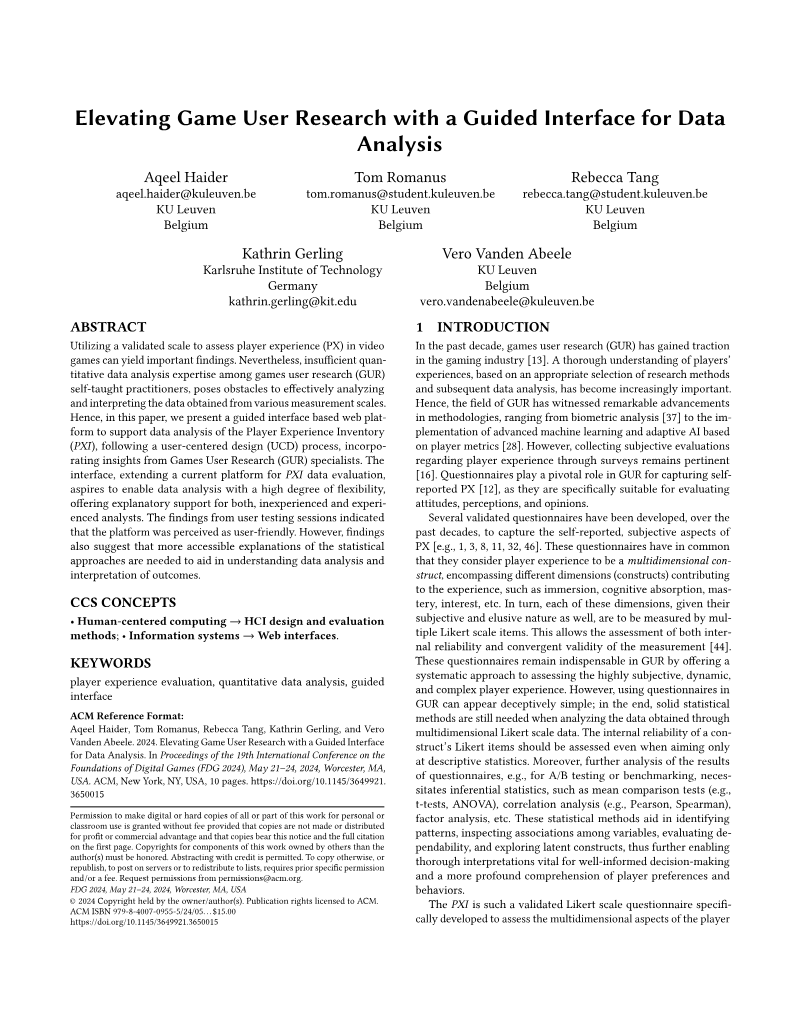
Foundations of Digital Games (FDG) · 2024
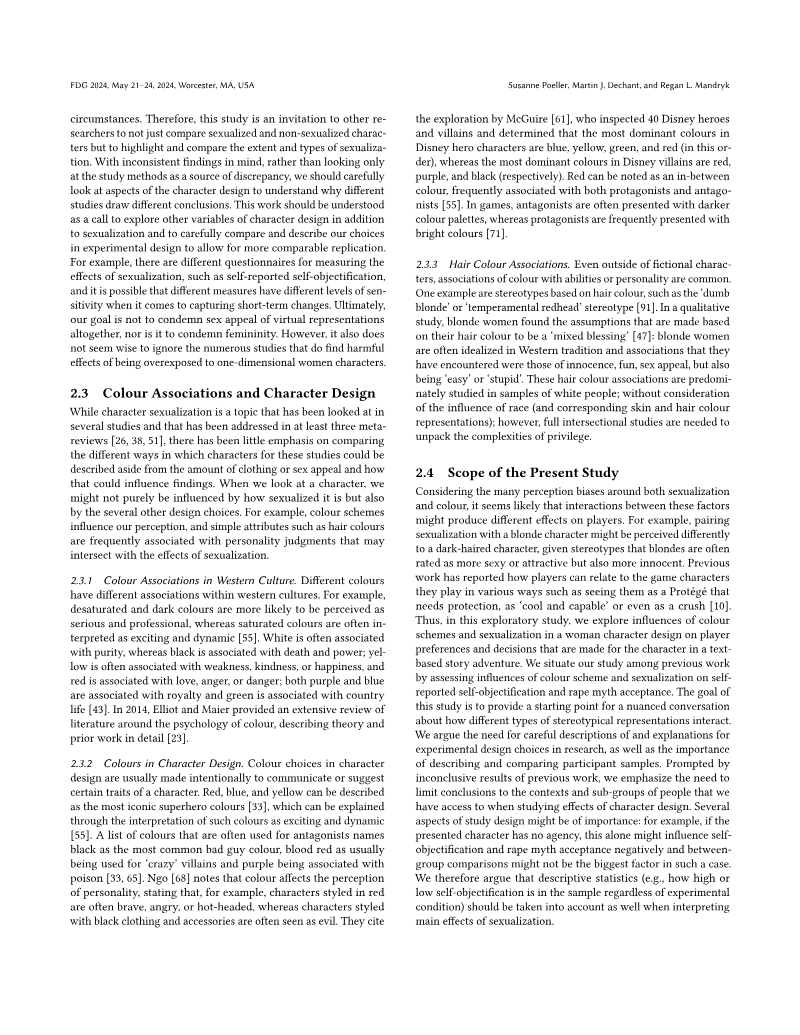
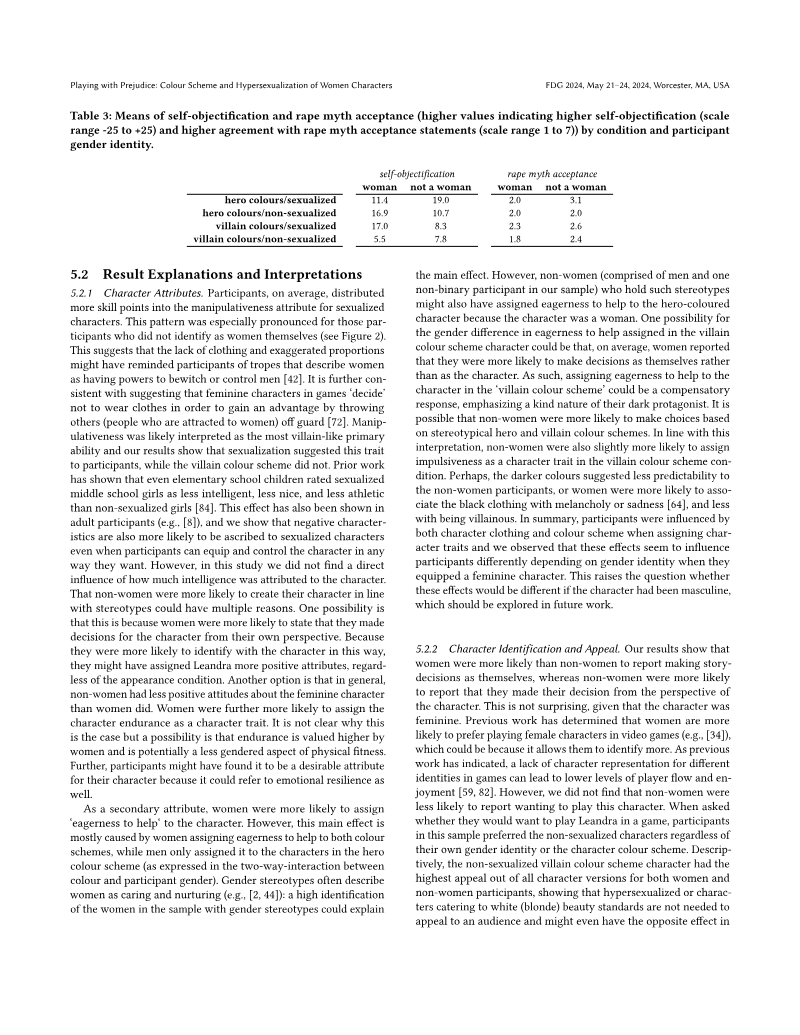
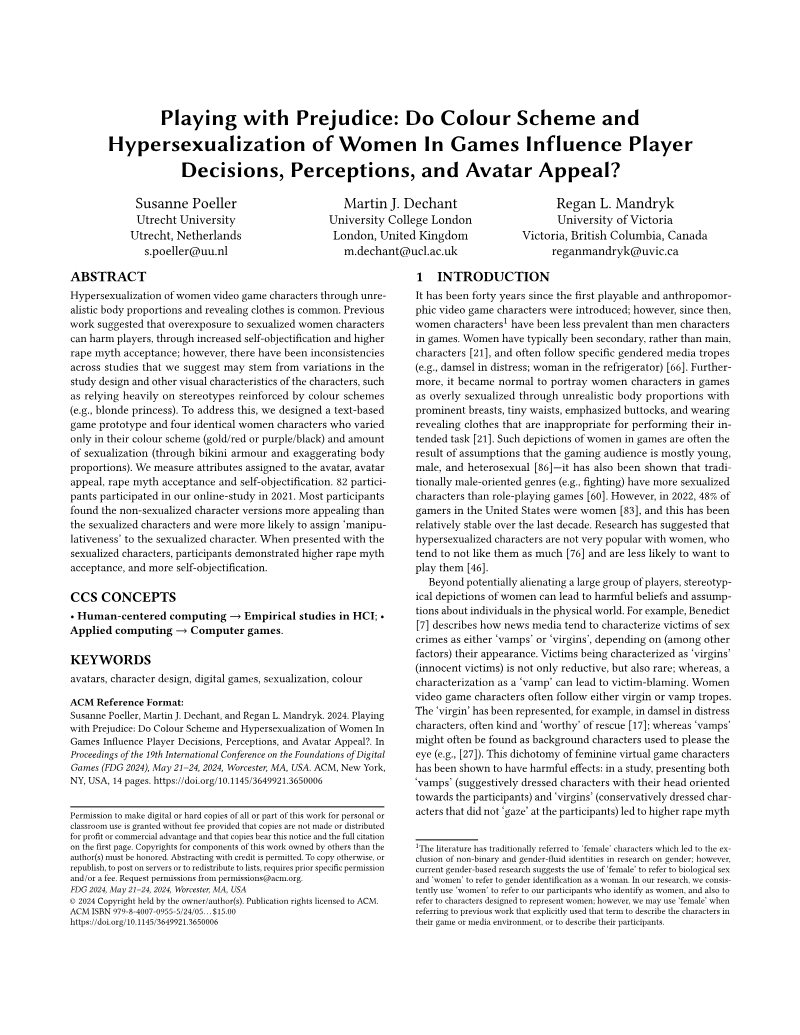
Foundations of Digital Games (FDG) · 2024
Foundations of Digital Games (FDG) · 2024
Foundations of Digital Games (FDG) · 2023
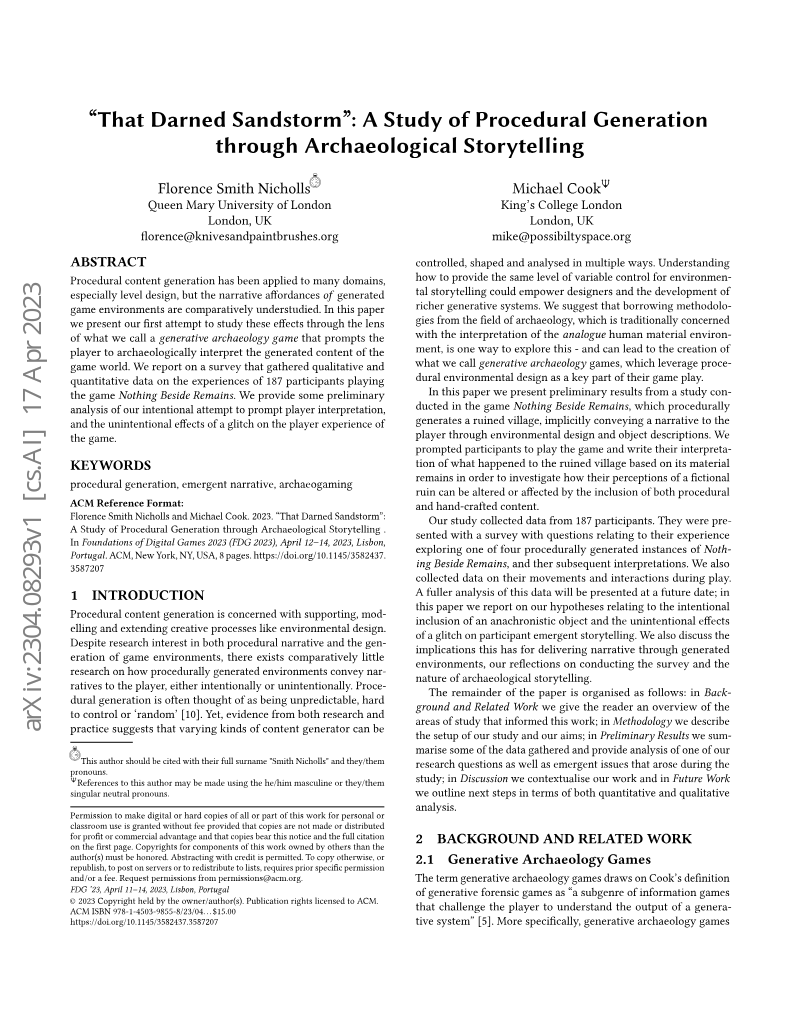
Foundations of Digital Games (FDG) · 2023
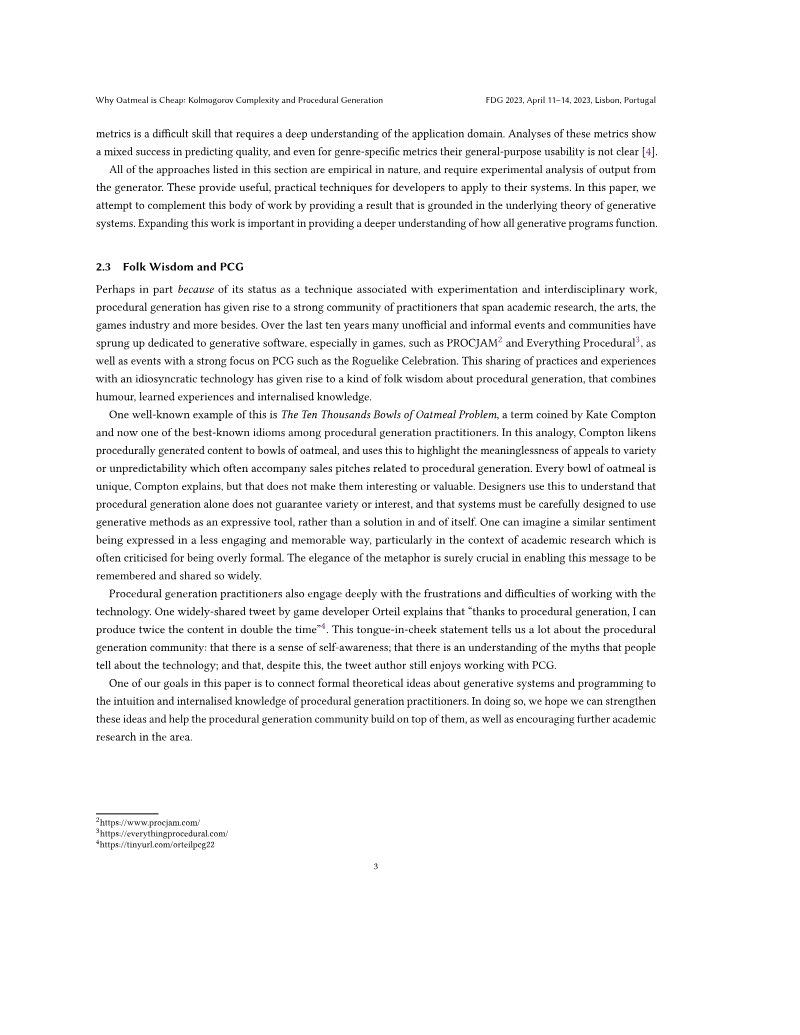
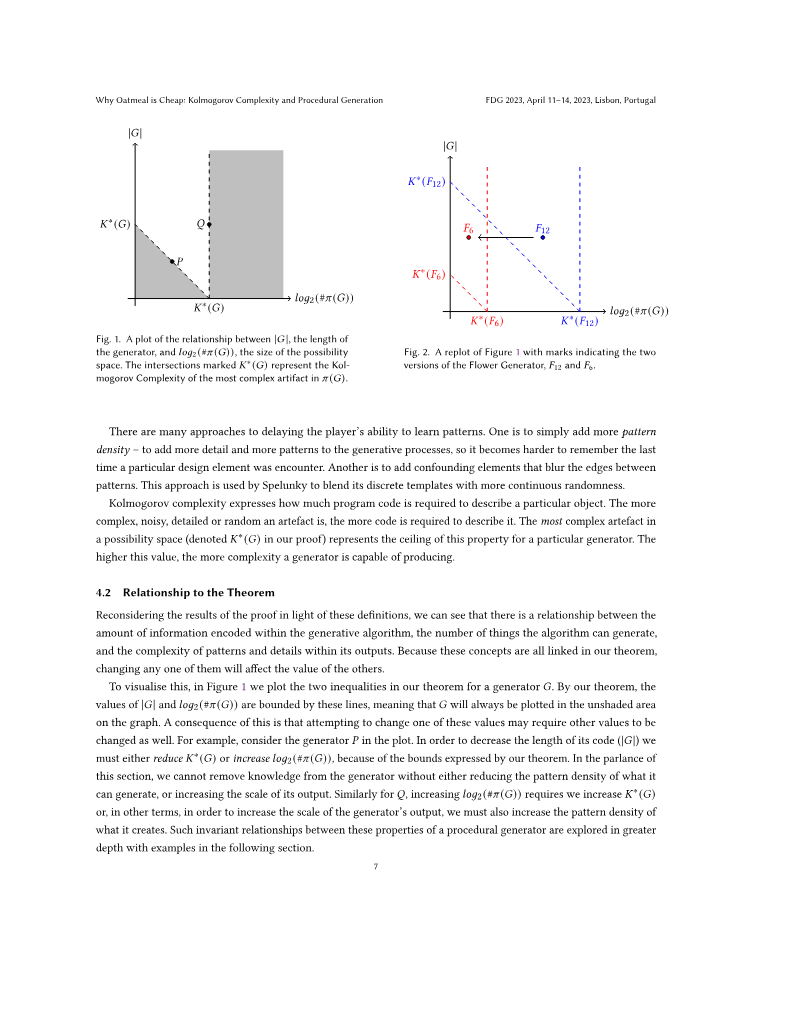
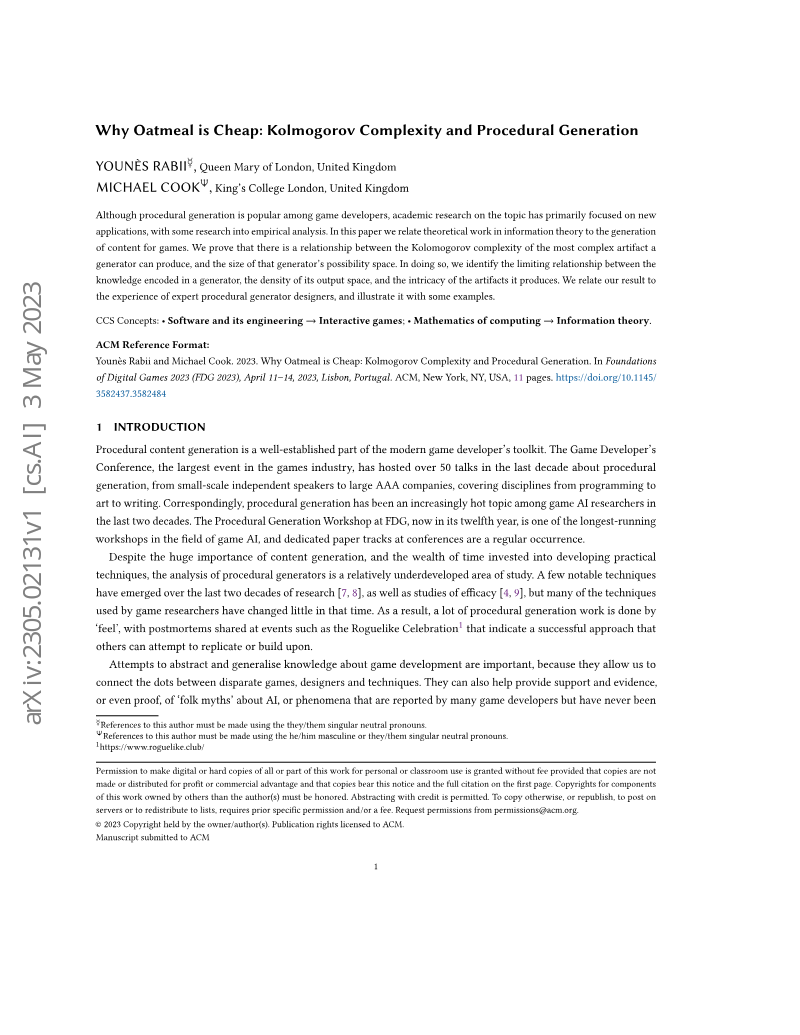
Foundations of Digital Games (FDG) · 2023
Foundations of Digital Games (FDG) · 2023
Foundations of Digital Games (FDG) · 2023

Foundations of Digital Games (FDG) · 2023
Replay. The Polish Journal of Game Studies · 2026

































Comments