1 free read left. Create a free account for unlimited reading + AI research.
Create free accountWhitepaper DiGRA
1 free read left. Create a free account for unlimited reading + AI research.
Create free accountWhitepaperDiGRA
Procedural rhetoric embeds a persuasive message in game systems, so players reach their own conclusions through actions and consequences.
This paper, by Ruud Jacobs of the University of Twente, examines whether procedural rhetoric, the embedding of a persuasive message in gameplay systems so players reach their own conclusions through actions and consequences, is a viable mechanism in persuasive games. It also introduces the Persuasive Game Experience (PERGEX) scale to capture a more nuanced appreciation of these games beyond simple fun. The work is framed within social science research on how games change attitudes toward real-world issues.
Two experimental studies form the core evidence. The first compared two persuasive games on teen dating violence, one built on a character-driven narrative and one on procedural rhetoric, against an unrelated commercial control game, with 262 participants aged 15 and older. Both persuasive games affected attitudes toward accepting angry behaviors and self-efficacy in preventing abuse, and their effects could not be distinguished from one another, suggesting designers can emphasize different persuasive strategies without losing impact. The second study manipulated the strength of procedural rhetoric in My Cotton Picking Life, a game about forced labor in Uzbekistan, creating four versions with weakened reflective power in the picking mechanic. With 241 participants, attitude change was roughly halved in the weak-argument versions, indicating the game depended heavily on this mechanic.
The PERGEX scale, a ten-item measure tested across both studies, showed robust scores and distinguished games by how much fun they provided independent of their persuasive effects. Eudaimonic appreciation positively predicted attitude change for the procedural game, while hedonic enjoyment was a negative predictor. The author concludes that procedural rhetoric has generalizable persuasive value and that simple enjoyment is not central to these games' effects, while acknowledging the findings' implications for future research.

DiGRA · 2026

DiGRA · 2026



DiGRA · 2026



DiGRA · 2026



DiGRA · 2026



DiGRA · 2026



DiGRA · 2026



DiGRA · 2026

DiGRA · 2026



DiGRA · 2026



DiGRA · 2026

DiGRA · 2026
European Conference on Games Based Learning (ECGBL) · 2026
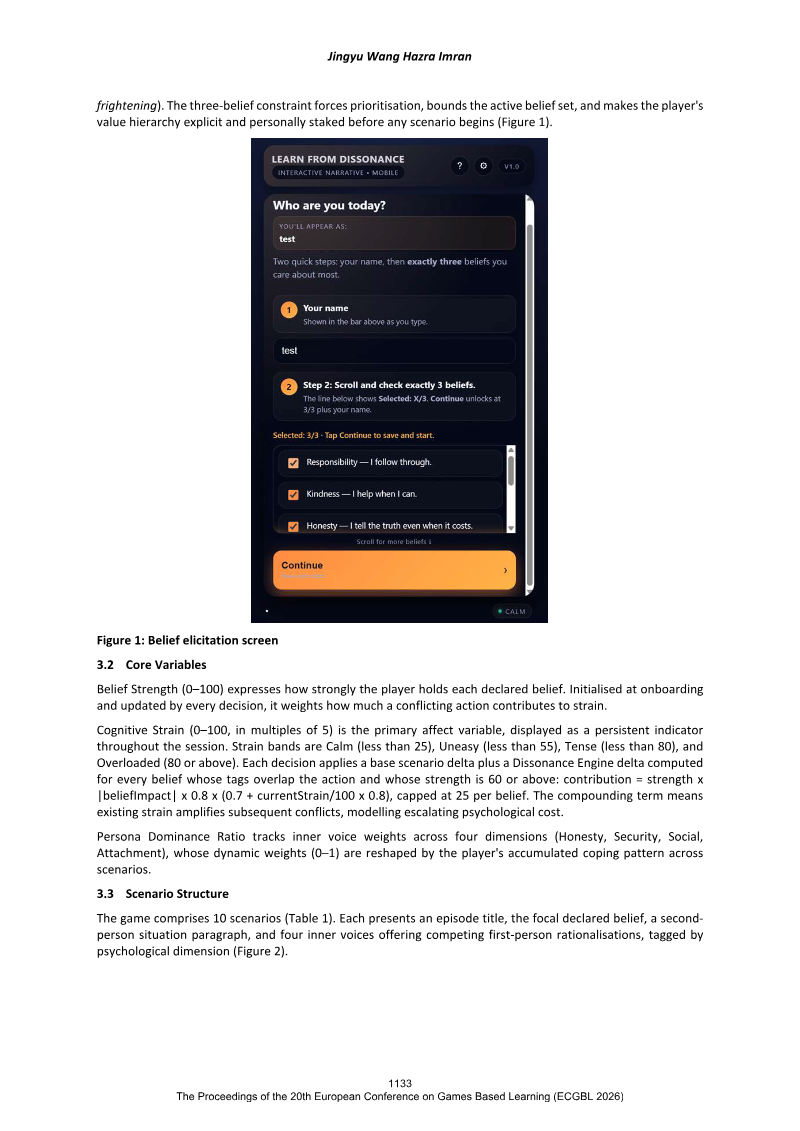
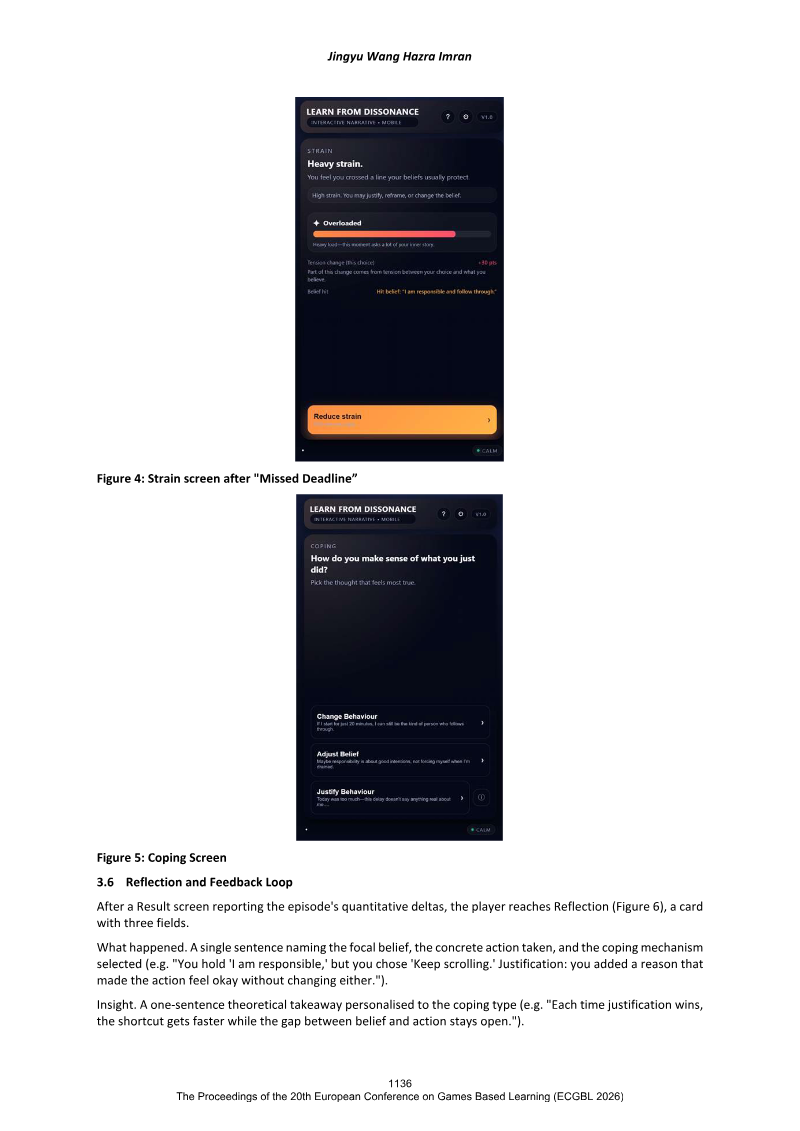
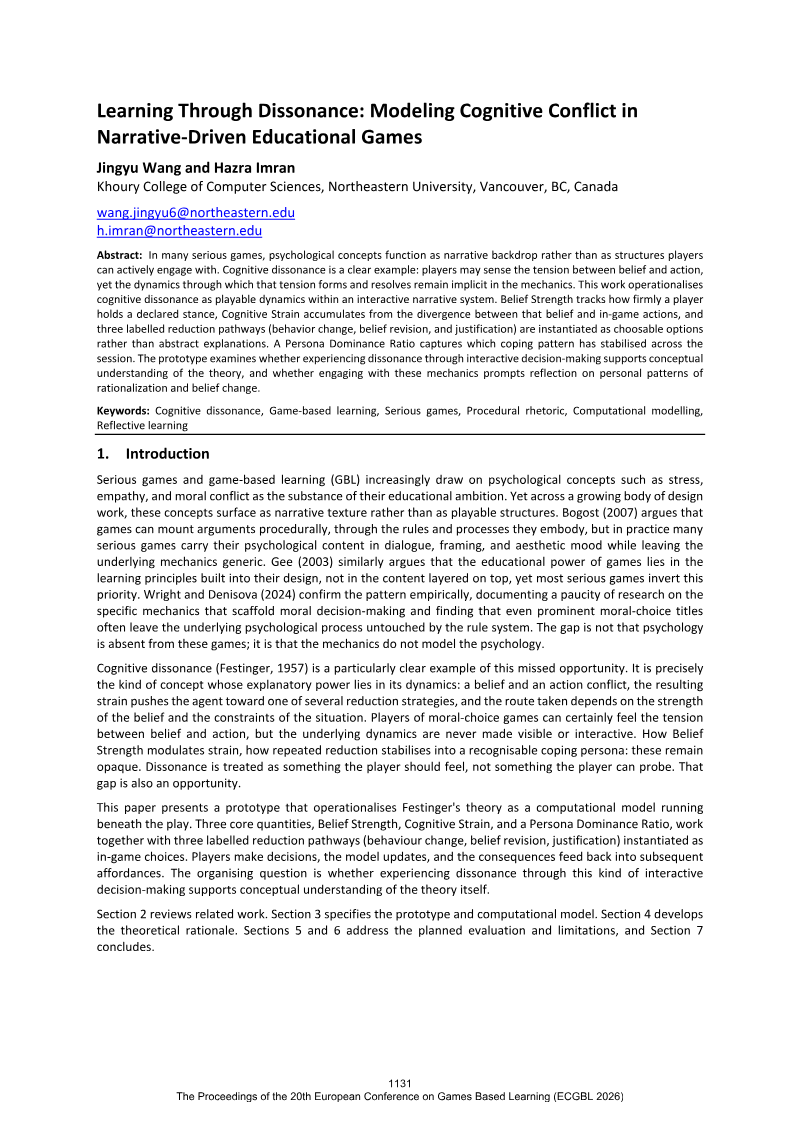
European Conference on Games Based Learning (ECGBL) · 2026

The Game Business · 2026