1 free read left. Create a free account for unlimited reading + AI research.
Create free accountArticle GameMakers
1 free read left. Create a free account for unlimited reading + AI research.
Create free accountArticleGameMakers
Their objective is to balance player engagement with consistent revenue generation.
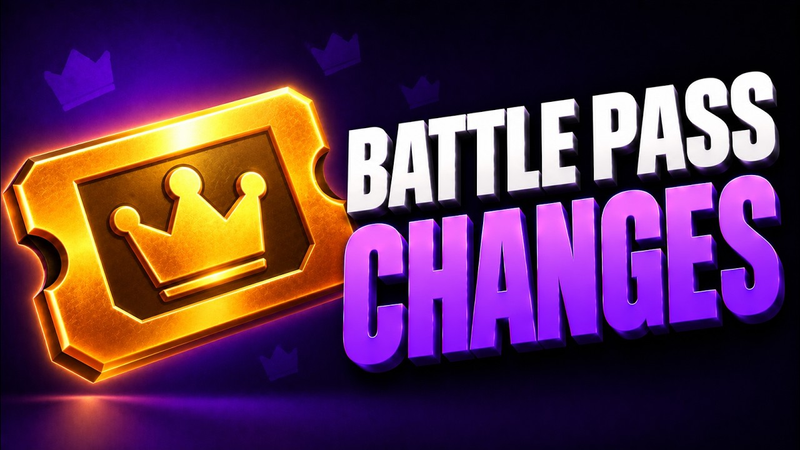
Revenue driver. Battle passes are a primary monetization driver for shooter games, accounting for an estimated 30–60% of total revenue for many free-to-play titles.
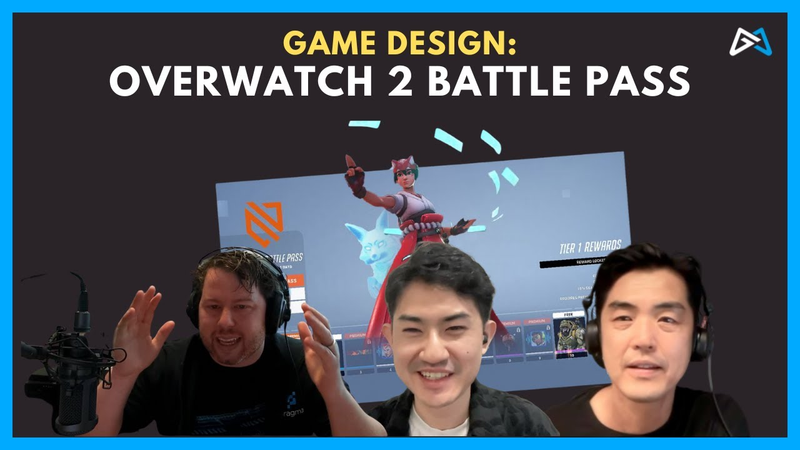
Battle passes have emerged as a cornerstone of free-to-play monetization, accounting for an estimated 30% to 60% of revenue in many modern shooter titles. The primary objective of these systems is to balance player engagement with consistent revenue generation. Effective design requires navigating the tension between production realities—such as the difficulty of creating content for every player’s favorite character—and the need to provide perceived value that justifies the time and financial investment required from the user.
Key findings indicate that the most successful battle pass models prioritize player choice and perceived fairness. Strategies such as page-based unlock systems, currency-based rewards, and the inclusion of premium currency that allows for the purchase of subsequent passes are highly effective at maintaining long-term engagement. Conversely, systems that are perceived as overly grindy or that gate essential gameplay mechanics behind paywalls often trigger significant community backlash. Developers are increasingly exploring hybrid approaches, such as front-loading or end-loading premium content to influence player behavior, and implementing catch-up mechanics that reward consistency without devaluing the effort of dedicated players.
The analysis covers a broad spectrum of shooter games, including Overwatch 2, Fortnite, Apex Legends, and Call of Duty Mobile, examining their specific structural choices and community reception. Methodology for these insights relies on expert industry discussion and comparative analysis of current market trends as of early 2025. The consensus suggests that while monetization remains a primary goal, long-term success depends on fostering player goodwill through transparent value propositions, avoiding aggressive pay-to-win mechanics, and ensuring that the time-to-value ratio remains compelling for both casual and core audiences.
GameMakers · 2026
GameMakers · 2026

GameMakers · 2026

GameMakers · 2026

GameMakers · 2026

GameMakers · 2026

GameMakers · 2026

GameMakers · 2026

GameMakers · 2026

GameMakers · 2026

GameMakers · 2026

GameMakers · 2026

Two & a Half Gamers · 2025