Loading the document
1 free read left. Create a free account for unlimited reading + AI research.
Create free accountArticle DiGRA
1 free read left. Create a free account for unlimited reading + AI research.
Create free accountArticleDiGRA
Asylsøkjarane is a live-action role-playing game from the University of Bergen. It uses cold waiting rooms, language barriers and unequal access to information.
Bjørkelo and Jørgensen present Asylsøkjarane (The Asylum Seekers), a 3-5 hour larp for 7-10 players designed to produce "positive-negative experiences" and "transgressive realism": discomfort that feels real and meaningful without pushing participants to quit. Players take the roles of asylum seekers or of two interviewing officials, a "Good Cop" and a "Bad Cop." Stress is built through cold waiting rooms with too few chairs, sparse character backstories, an English-versus-Norwegian language imbalance, and guard-like game masters. Four expert consultations informed the design, though no former asylum seekers were included, which the authors acknowledge as a minor ethical concern.
Because the work was a research project, ethical safeguards applied: participants were adults, gave informed consent, and could leave at any time. The authors observe that consent itself primes players to anticipate and experience discomfort.
Two playthroughs with 16 Norwegian players in total produced consistent debrief findings. Both asylum seekers and officials reported significant stress from the interrogations, the barefoot and seatless waiting room, and scripted events such as a raid and the adhan. Role realignment, for example "Good Cops" losing sympathy, is interpreted as alienation and desensitization functioning as coping strategies. Players also engaged competitively with the win/lose conditions. Despite the strain, they described the experience as fun, educational, and meaningful.
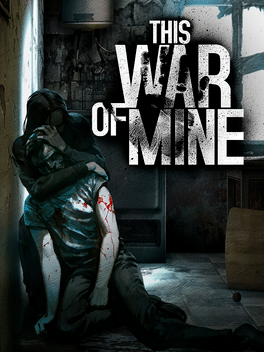
The authors conclude that the game is not a realistic simulation, but its genuine discomfort prompts reflection on the refugee crisis and delivers "positive discomfort" within a play frame. They recommend further development and playtesting informed by player feedback. The work draws on game studies, media psychology, and Nordic larp traditions, including research on uncomfortable user experience and extreme role-playing, and comparable works such as Europa, Kapo, This War of Mine, and Papers, Please.
Each row is a game or company this document names, each column a document, oldest first. A mark means that document names it. Select a row to see those documents.

DiGRA · 2026

DiGRA · 2026



DiGRA · 2026



DiGRA · 2026



DiGRA · 2026



DiGRA · 2026



DiGRA · 2026



DiGRA · 2026



DiGRA · 2026

DiGRA · 2026



DiGRA · 2026



DiGRA · 2026
Utrecht University · 2024
DiGRA · 2024
DiGRA · 2024