1 free read left. Create a free account for unlimited reading + AI research.
Create free accountWhitepaper DiGRA
1 free read left. Create a free account for unlimited reading + AI research.
Create free accountWhitepaperDiGRA
It also tends to trivialize the technical infrastructures that sustain competitive gaming.
This paper proposes "technicity" as an alternative theoretical lens for understanding esports, drawing on philosophy of technology from Simondon, Stiegler, and Hui. Its central argument is that esports, as a convergent phenomenon spanning sports, music, fashion, and entertainment, has been insufficiently analyzed because research remains fragmented across disciplines and often trivializes the technical infrastructures that sustain competitive gaming. By reconceiving technicity as the mode of existence of technical objects and as an original condition of human life, the work seeks to bridge these gaps and reconsider how technology shapes human relations and cultural practices within esports.
The conceptual framework rests on Simondon's theory of individuation, which distinguishes technical elements, individuals, and ensembles, and on Hui's layered account of digital objects at different orders of granularity. Because Simondon's analysis was developed around mid-twentieth-century technology, the author supplements it with digital ontology and Stiegler's analysis of hyper-industrial society, arguing that contemporary technoculture, particularly esports, is tightly integrated with industrial schemas.
The empirical component is a case study of League of Legends Champions Korea (LCK), the first officially established local league for League of Legends and a key contributor to the modern esports model. The data derive from two years of on-site ethnographic work by a researcher who was an insider and global broadcast producer, supplemented by literature review. The analysis proceeds in two steps: a diachronic examination of LCK's mode of existence to identify transductive events where major connections and relations shifted, followed by a reorganization of findings into three modes of technicity drawn from Hui's approach.
The document is presented as an extended abstract derived from an unpublished doctoral thesis and was prepared for the 2022 DiGRA proceedings, so its findings are framed as ongoing research rather than final conclusions.
Each row is a game or company this document names, each column a document, oldest first. A mark means that document names it. Select a row to see those documents.
DiGRA · 2023
DiGRA · 2023
DiGRA · 2023
DiGRA · 2023
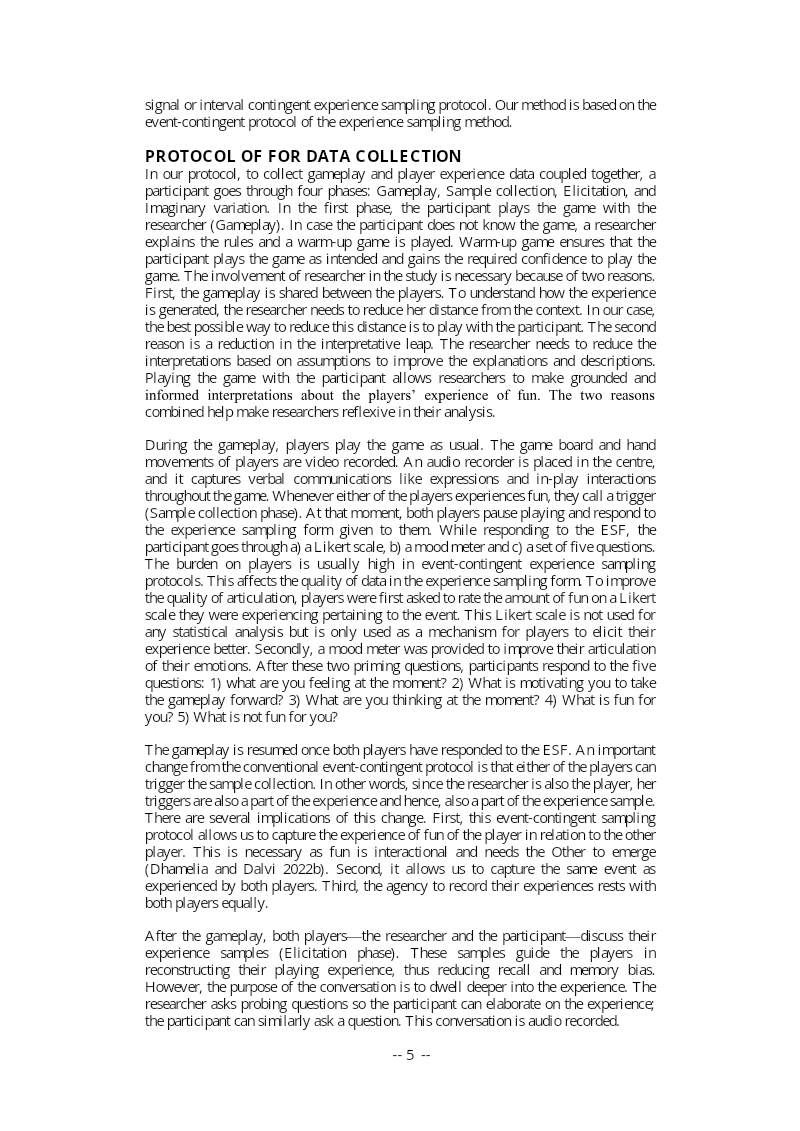
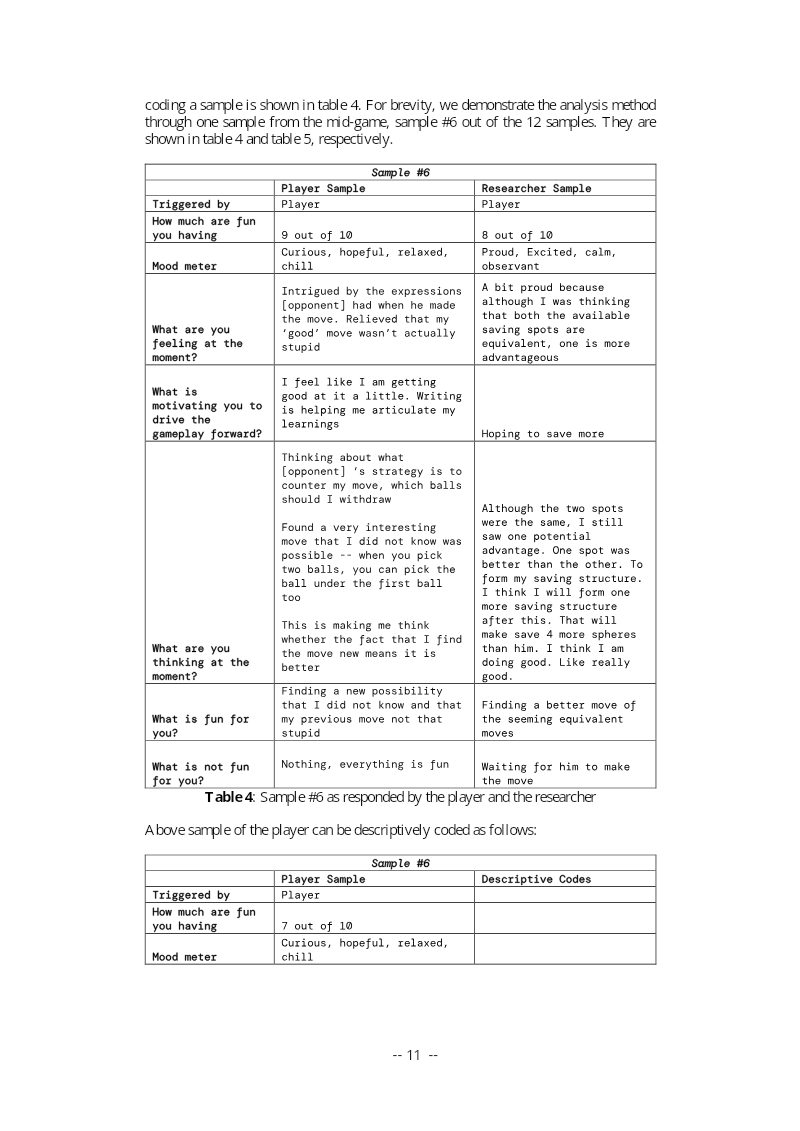
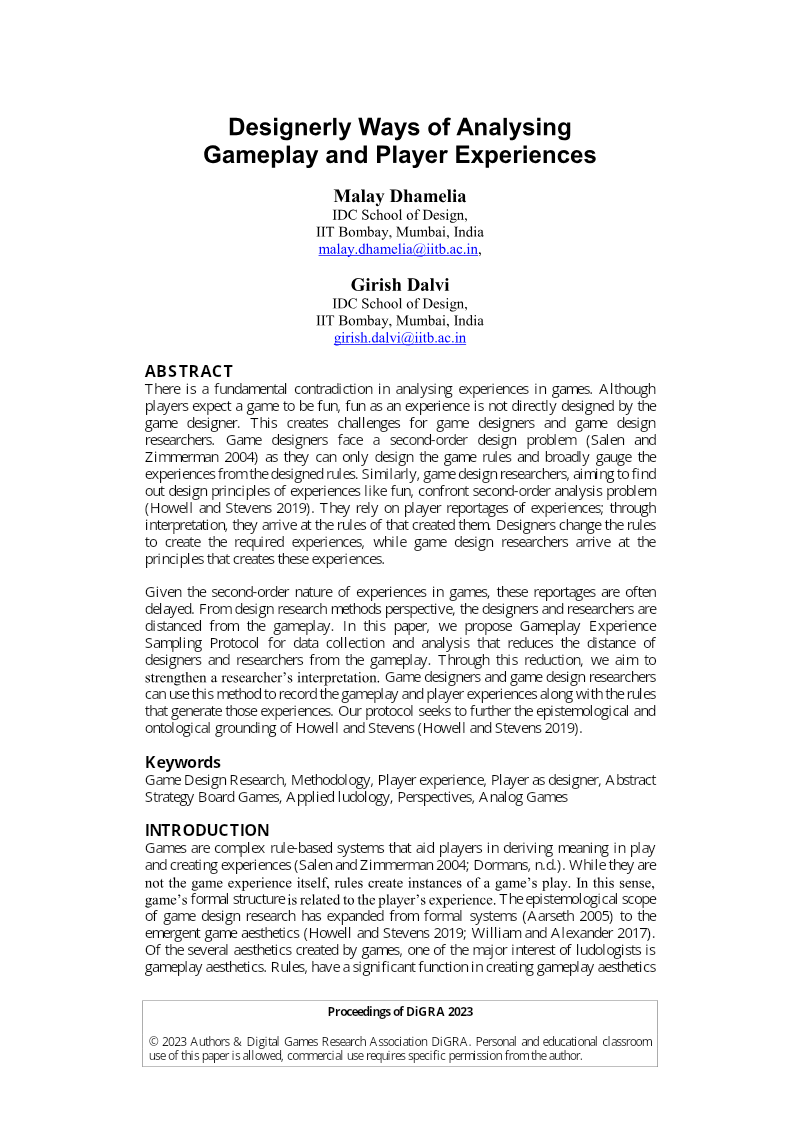
DiGRA · 2023
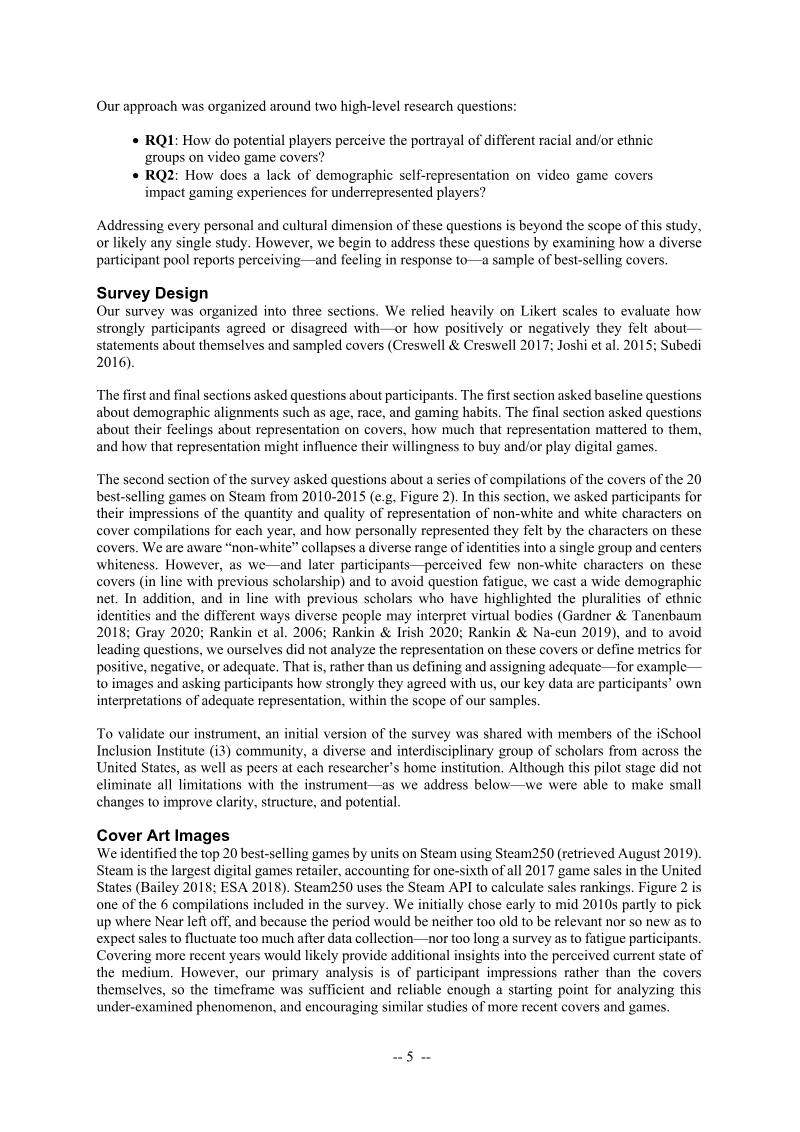
DiGRA · 2023
DiGRA · 2023
DiGRA · 2023
DiGRA · 2023
DiGRA · 2023
DiGRA · 2023
DiGRA · 2023
Stream Hatchet · 2025