FinancialTake-Two Interactive
Take-Two Interactive 10-Q – Q3 FY2023
7 Feb 20231 pages~197 min full read
Take‑Two Interactive’s Q3 FY2023 filing documents a dramatic shift in its financial profile following the acquisition of Zynga. Net revenue surged 51–56 % to $3.9 billion, largely driven by Zynga’s mobile portfolio and new releases such as PGA Tour 2K23. However, gross‑profit margins contracted to the low 50 % range due to higher amortization of intangible assets, platform fees on mobile sales and increased marketing costs. Operating expenses rose 130–123 % to $2.5 billion, reflecting integration costs and expanded R&D, while interest expense ballooned from $7.2 million to over $108 million as debt financing for the acquisition was drawn down. The company reported a net loss of $153 million (loss per share $0.91) for the nine‑month period, reversing a prior year profit of $307 million.
Capital structure adjustments are evident: senior notes and convertible debt were largely repaid or converted, leaving $21.4 billion of 2024 notes and $29.4 billion of 2026 notes outstanding, with significant debt‑issuance and credit‑agreement fees amortized over the life of the notes. A $500 bn revolving line and a $350 bn term loan were used to fund these repayments. Fair‑value measurements for contingent earn‑outs from acquisitions rely on Level 3 inputs and Monte‑Carlo simulations, impacting accrued expenses.
Risk disclosures highlight exposure to foreign‑currency translation, interest‑rate fluctuations and commodity price movements; hedging instruments are employed to mitigate these. Cybersecurity incidents were contained with minimal cost, and no operational disruption was reported for core studios.
Geographically, international revenue accounts for 37–41 % of earnings, underscoring currency and trade risk. The report covers the United States market with a nine‑month horizon (January–December 2022) and includes detailed ASC 606 revenue recognition policies, fair‑value frameworks, and post‑acquisition accounting for Zynga and Popcore. Overall, the filing presents a company in transition, balancing significant growth opportunities against elevated costs and debt‑related risks.
Take-Two Interactive · 2026
Take-Two Interactive · 2026
Take-Two Interactive · 2026

Take-Two Interactive · 2026
Take-Two Interactive · 2026
Take-Two Interactive · 2026
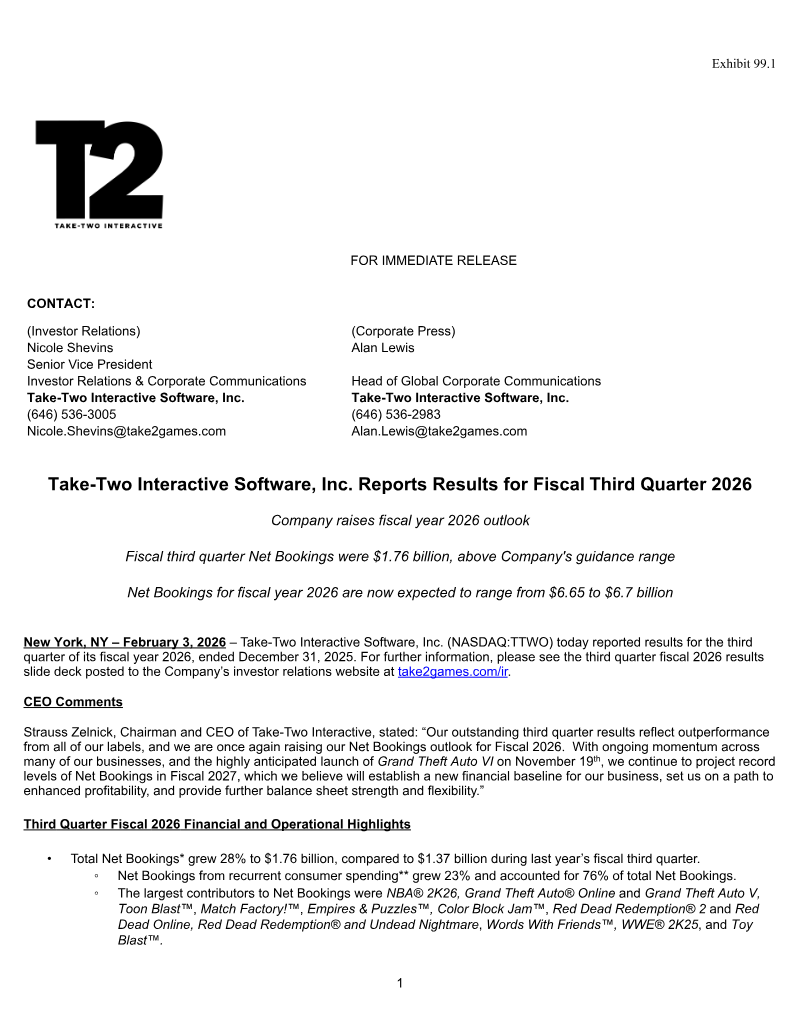
Take-Two Interactive · 2026
Take-Two Interactive · 2026
Take-Two Interactive · 2025
Take-Two Interactive · 2025
Take-Two Interactive · 2025
Take-Two Interactive · 2025

Ubisoft · 2026
Sony Group Corporation · 2026
Enthusiast Gaming Holdings · 2026
Drake Star Partners · 2026
Aream & Co · 2026
Capcom · 2026
Modern Times Group · 2026
Bandai Namco · 2026
Aream & Co · 2026
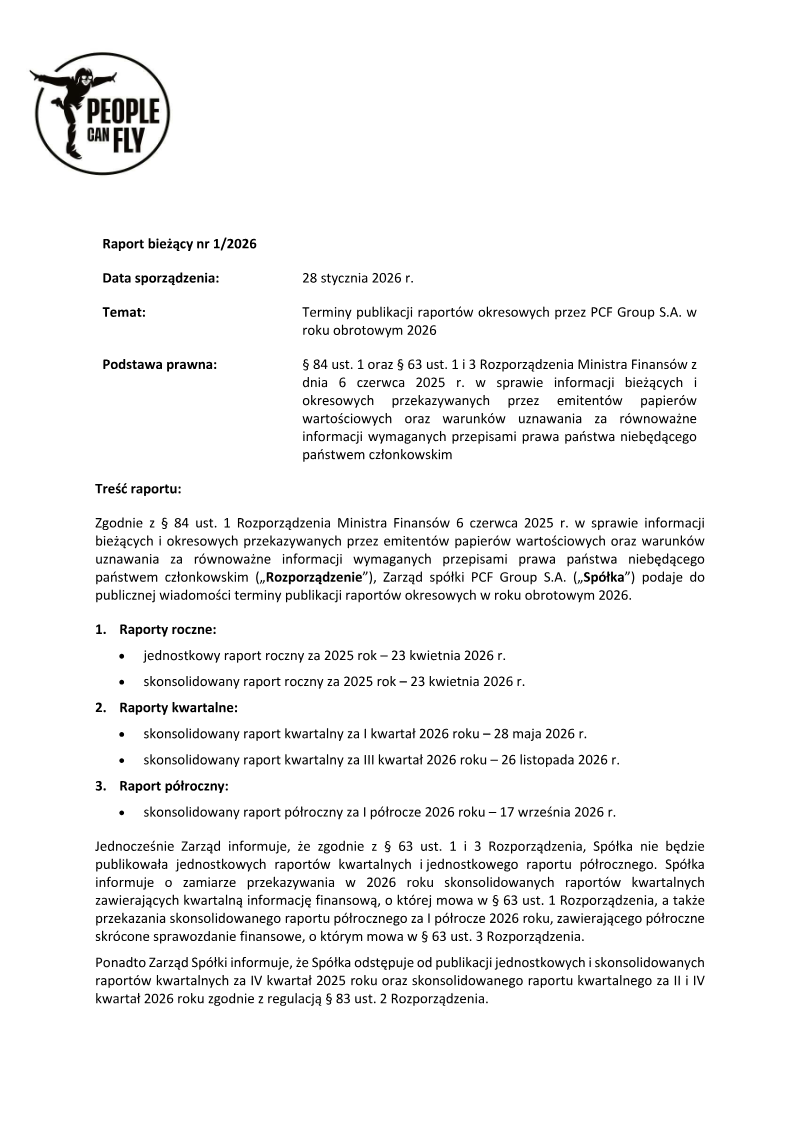
PCF Group · 2026

InvestGame · 2025
InvestGame · 2025