1 free read left. Create a free account for unlimited reading + AI research.
Create free accountWhitepaperConcordia University
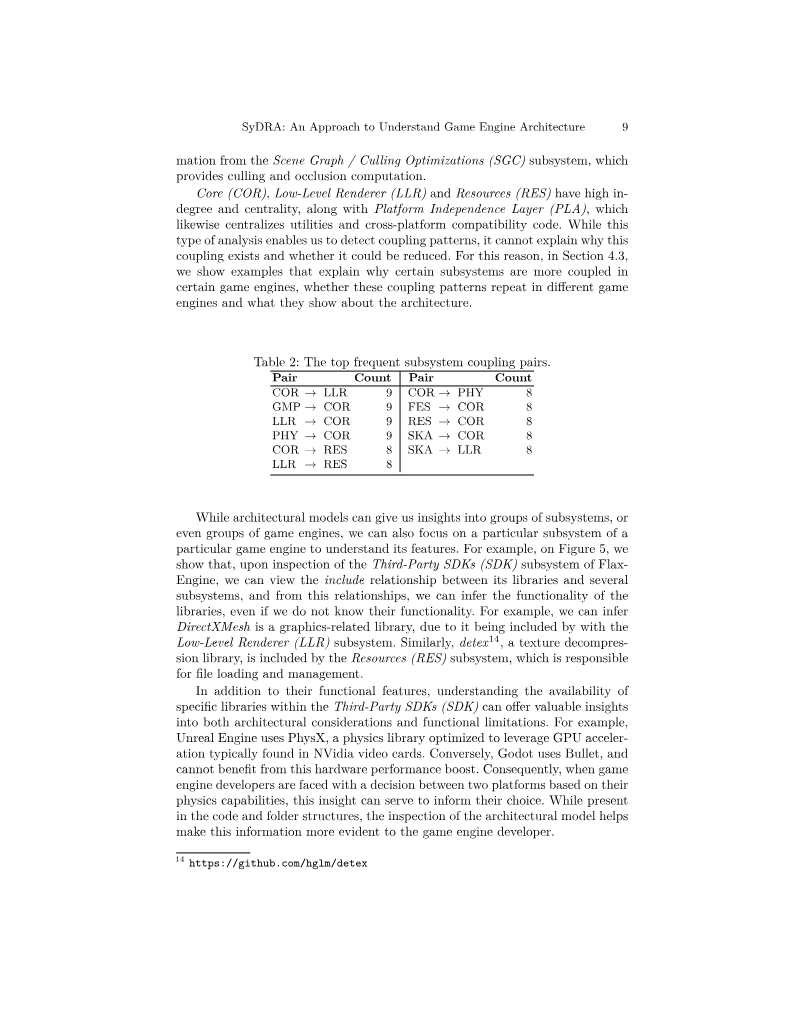
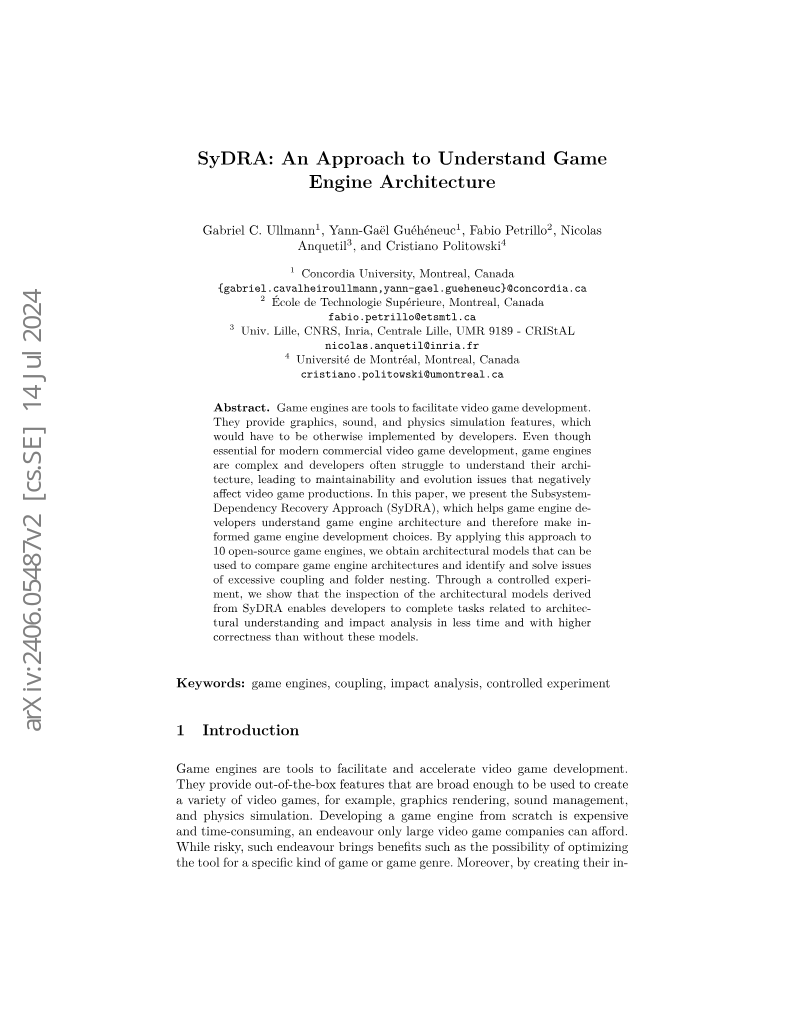
The Subsystem-Dependency Recovery Approach, or SyDRA, provides a structured methodology for navigating the inherent complexity of game engine architectures. By clustering source code into functional subsystems and generating comprehensive dependency models based on file-include relationships, this approach enables developers to visualize intricate internal structures that are otherwise obscured by dense, legacy codebases. The primary thesis posits that these architectural models significantly enhance a developer's ability to perform impact analysis and architectural comprehension, facilitating more efficient maintenance and evolution of game engines without increasing cognitive load.
Empirical analysis of ten open-source game engines reveals that core components, particularly those involving low-level rendering and resource management, often suffer from high levels of coupling and folder-level cohesion issues. By mapping these patterns, the approach establishes an emergent reference architecture that clarifies the roles of various subsystems and third-party libraries. This framework serves as a critical diagnostic tool, allowing teams to identify refactoring opportunities and predict the downstream effects of code modifications more accurately than through manual code inspection alone.
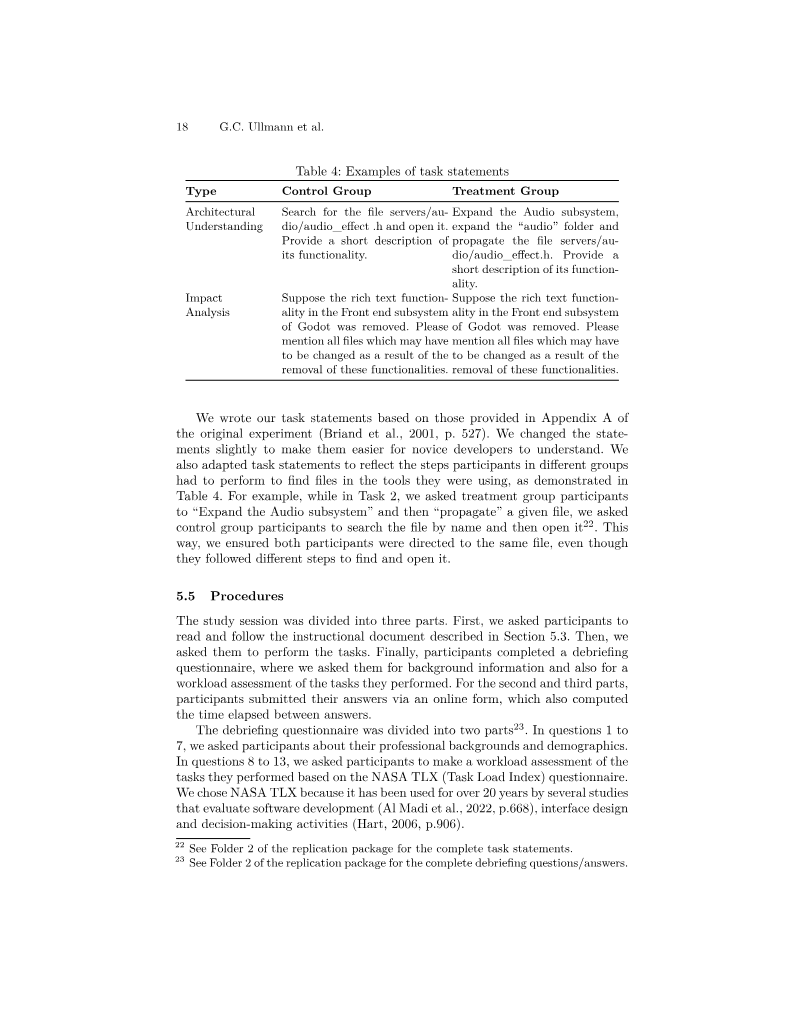
Comparative studies demonstrate that developers utilizing SyDRA complete architectural tasks in less time while maintaining high levels of accuracy. Participants reported lower levels of mental demand and frustration, suggesting that the tool effectively mitigates the challenges associated with navigating large-scale software systems. While the research acknowledges limitations regarding sample size and the potential for bias in automated subsystem detection, the findings indicate that SyDRA offers a robust, scalable framework for managing the technical debt and architectural complexity prevalent in modern game development. By providing a clear visual representation of engine dependencies, the approach bridges the gap between raw source code and high-level architectural understanding.
Institut Jean Nicod · 2025
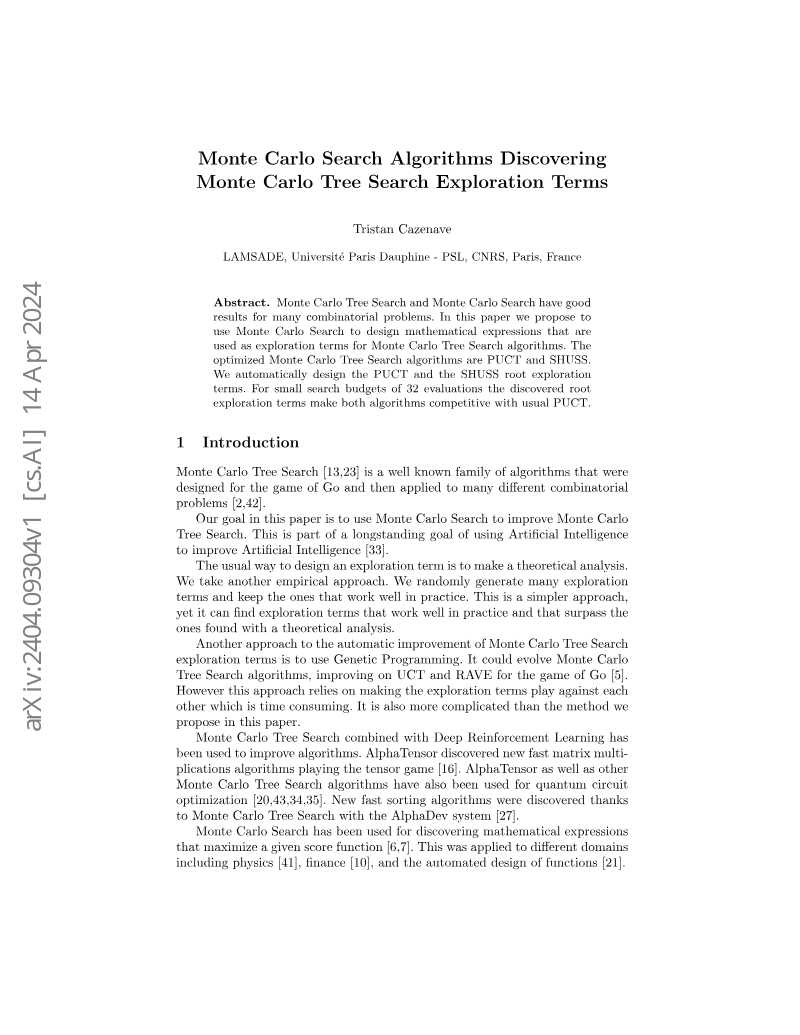
LAMSADE · 2025
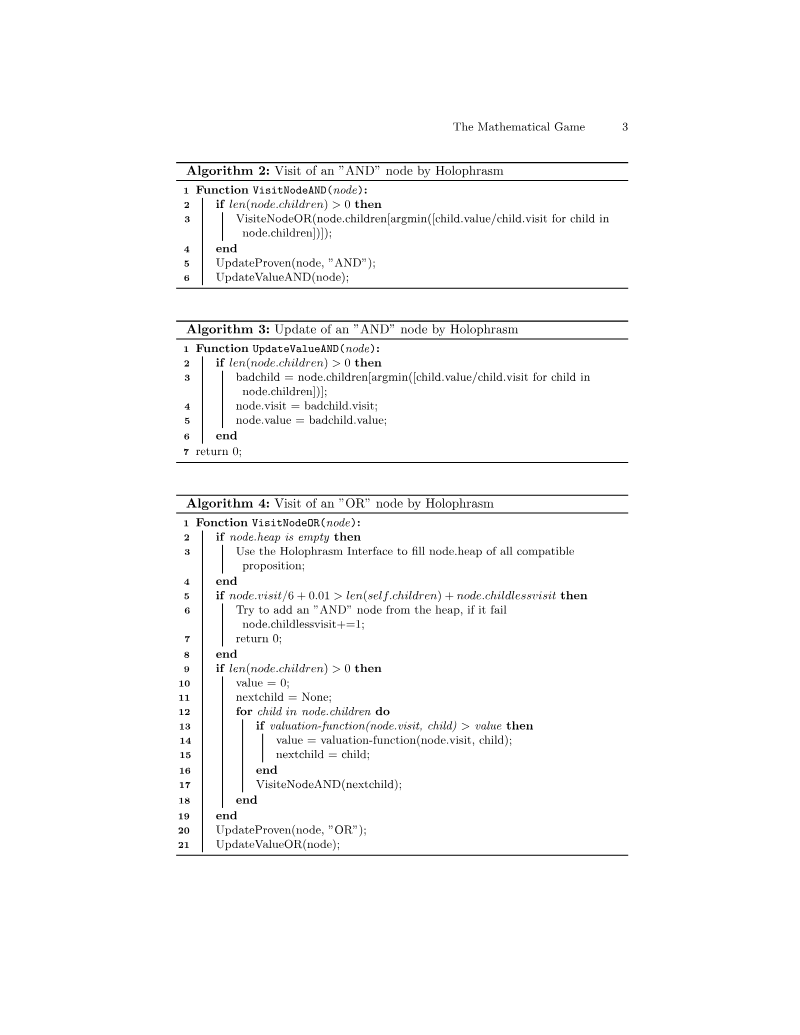
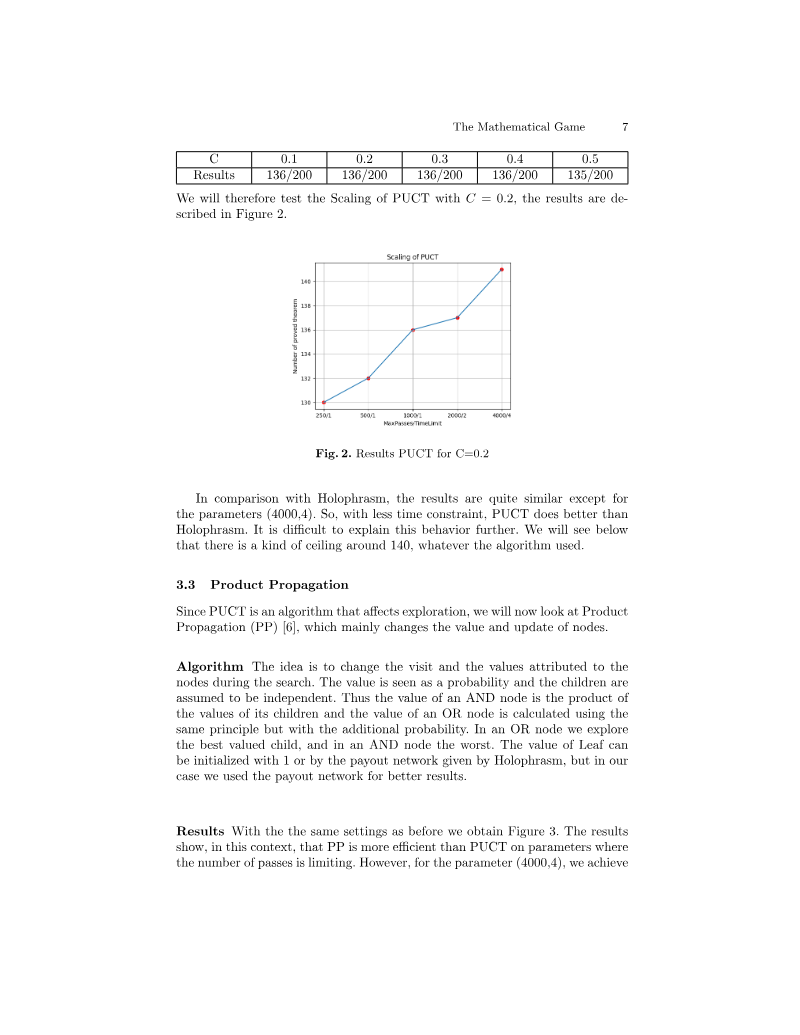
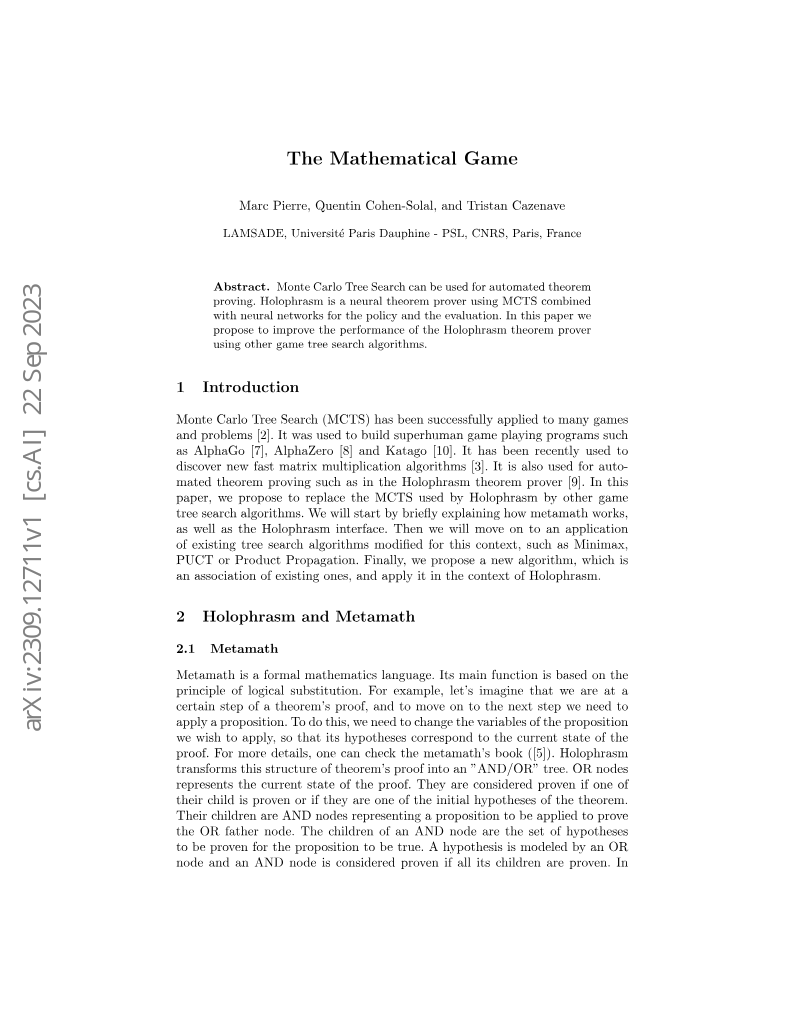
LAMSADE · 2024
Concordia University · 2023
LAMSADE · 2023
Concordia University · 2022
Concordia University · 2022













Comments