1 free read left. Create a free account for unlimited reading + AI research.
Create free accountWhitepaperLAMSADE
Distilling the key insights…
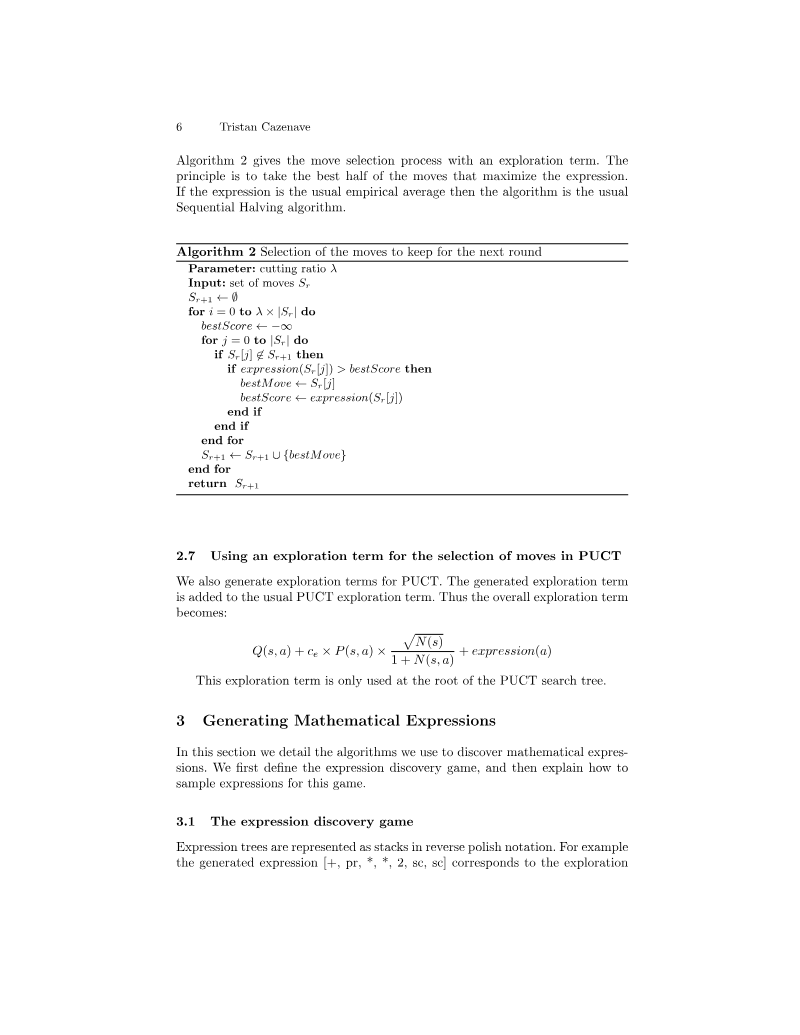
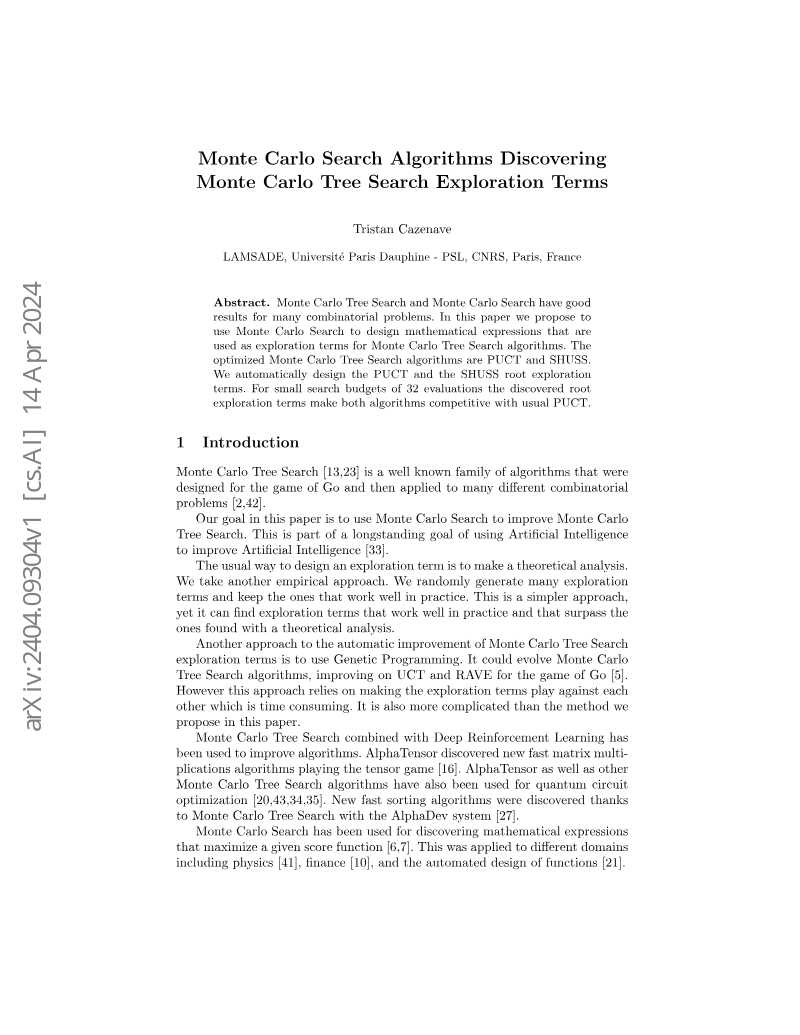
Automated discovery methods for Monte Carlo Tree Search exploration terms represent a significant shift in algorithmic design, moving away from manual, theoretically derived formulas toward machine-generated optimization. By employing Monte Carlo Search to generate and test mathematical expressions in reverse polish notation, researchers can identify high-performing exploration terms for algorithms such as PUCT and SHUSS. This empirical approach demonstrates that automatically discovered terms remain highly competitive with established standards, even when constrained by limited search budgets, thereby proving the efficacy of automated heuristic generation in complex decision-making environments.
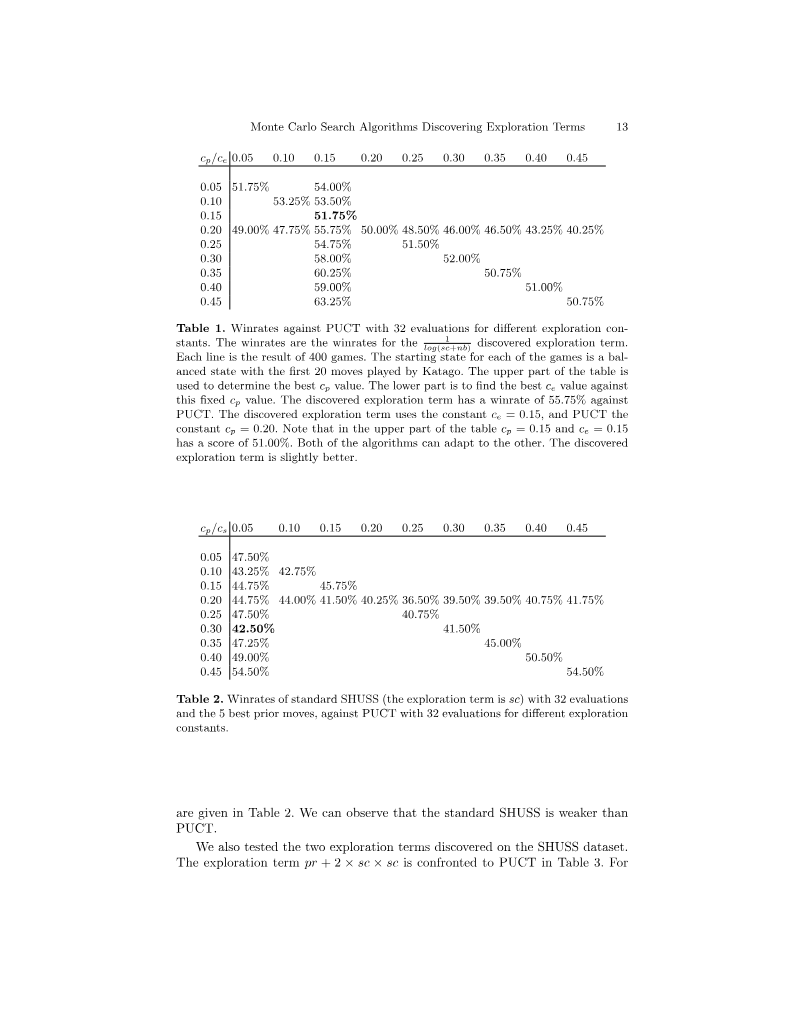
The discovery process is substantially enhanced by integrating an All-Moves-As-First (AMAF) sampling heuristic and a curriculum learning dataset, which accelerate the evaluation of candidate expressions against cached game states. These findings indicate that the most effective exploration terms are those specifically tailored to the unique behavioral characteristics of the underlying search algorithm, rather than those solely focused on mimicking expert-level moves. This distinction is critical for achieving superior performance in competitive game scenarios, as it allows the algorithm to adapt its search strategy to the specific nuances of its own decision-making process.
This methodology reflects a broader trend in artificial intelligence where systems increasingly optimize their own internal structures. Beyond game strategy, the ability to autonomously discover and refine mathematical formulas has profound implications for diverse fields, including quantum circuit design and complex system optimization. By leveraging reinforcement learning and tree search techniques to automate the discovery of fundamental algorithmic components, the industry is moving toward a paradigm where AI systems continuously improve their own efficiency and decision-making capabilities, signaling a transformative evolution in computational design.
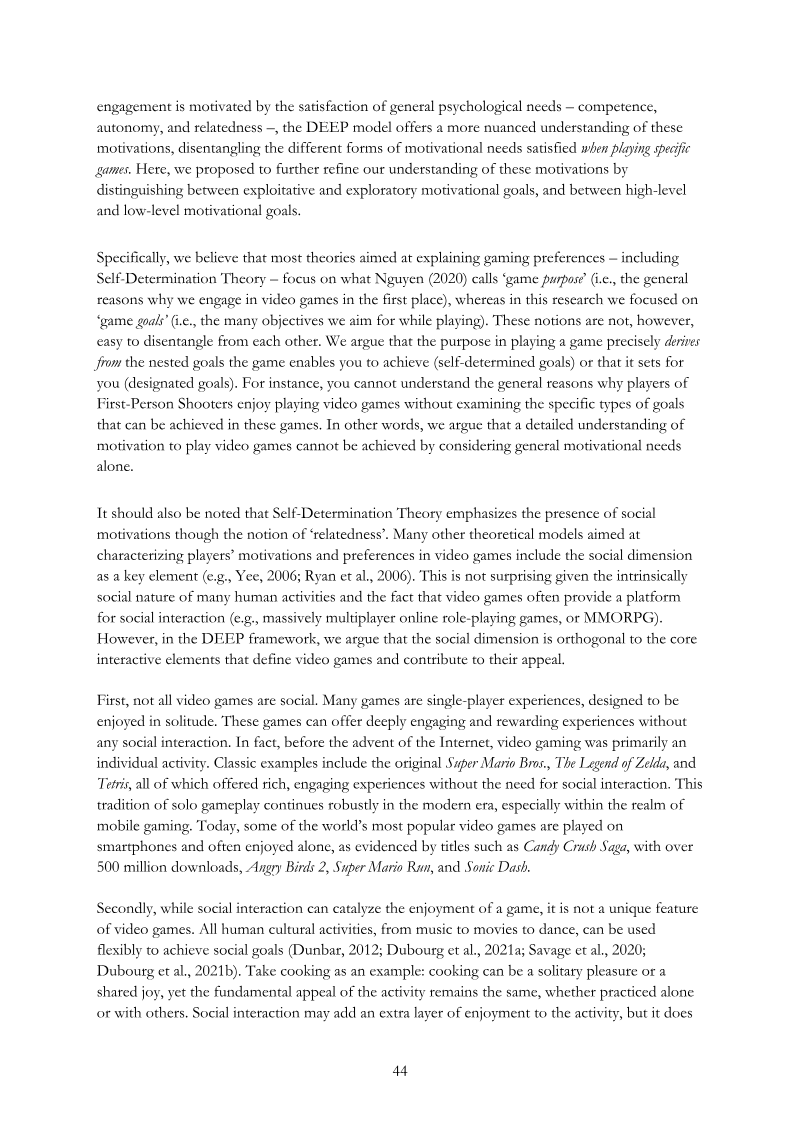
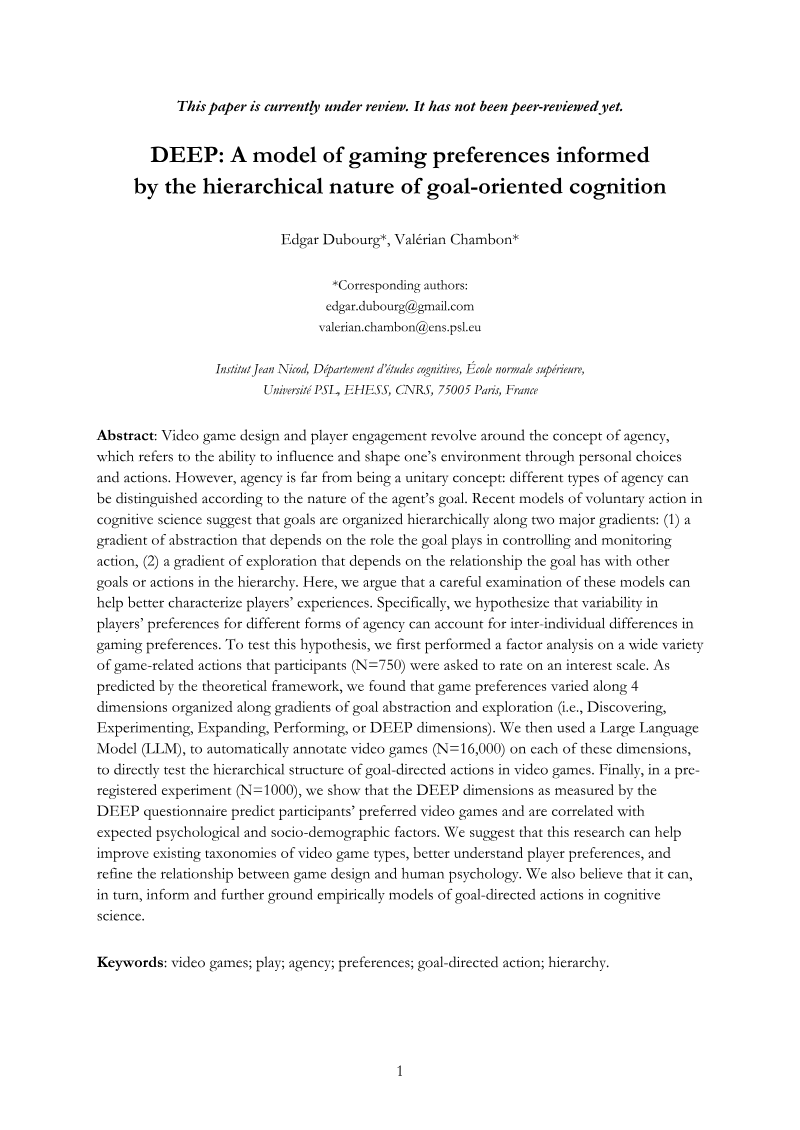
Institut Jean Nicod · 2025
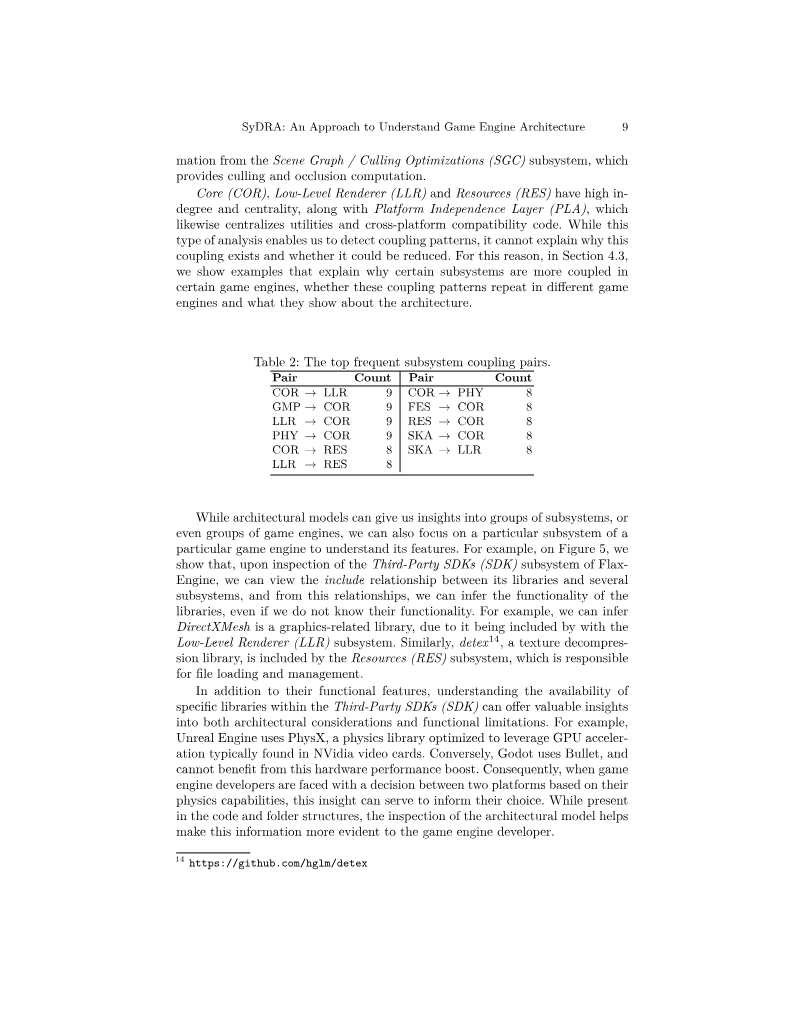
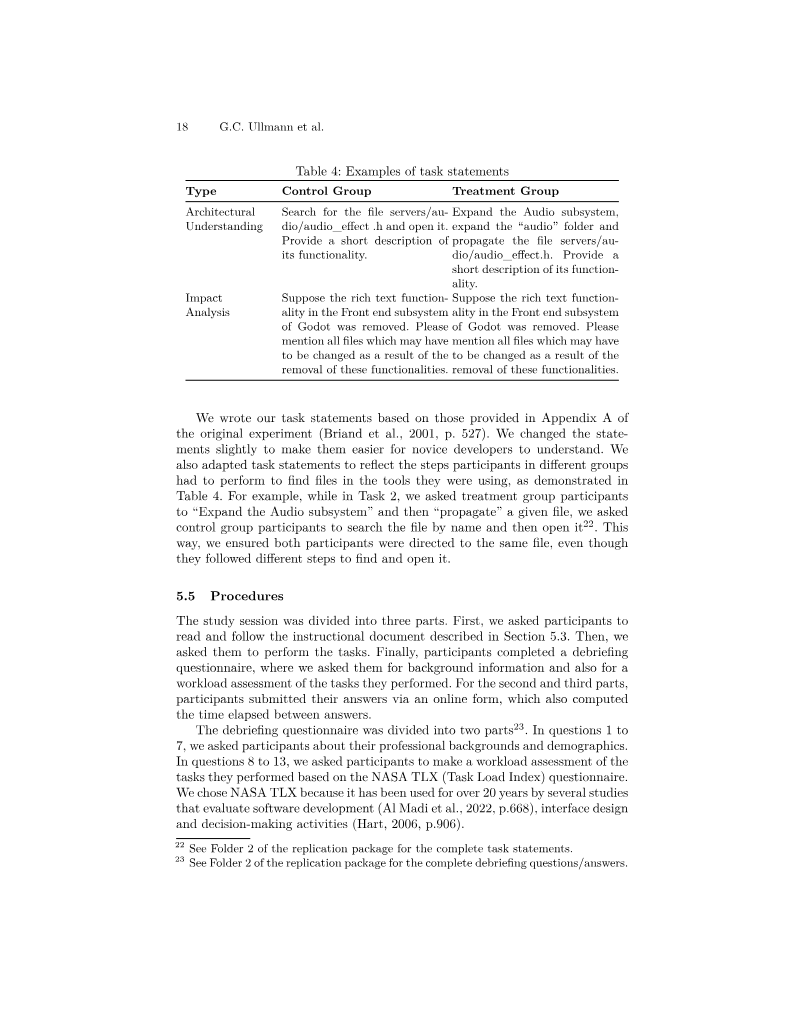
Concordia University · 2024
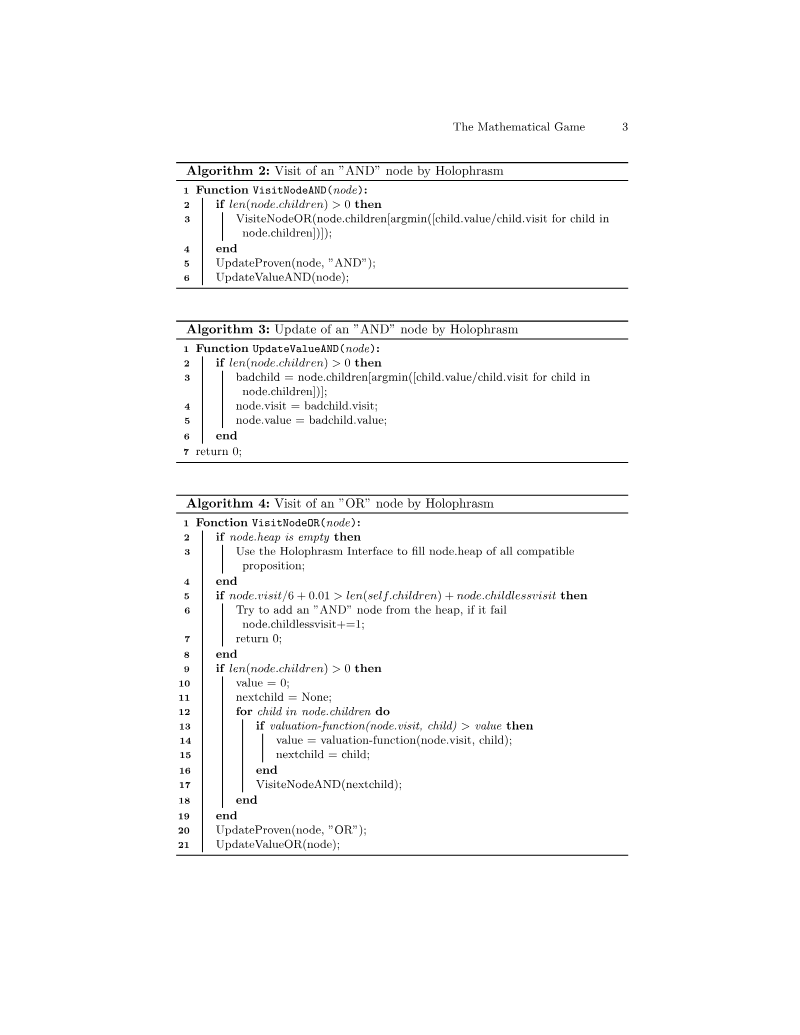
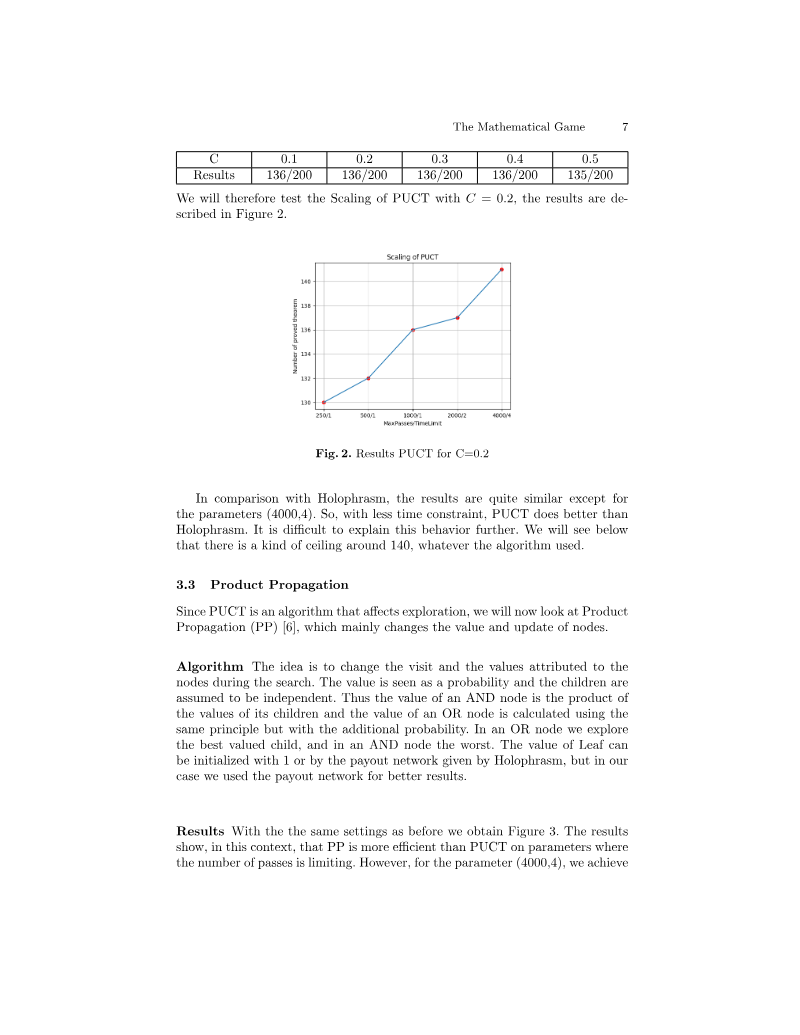
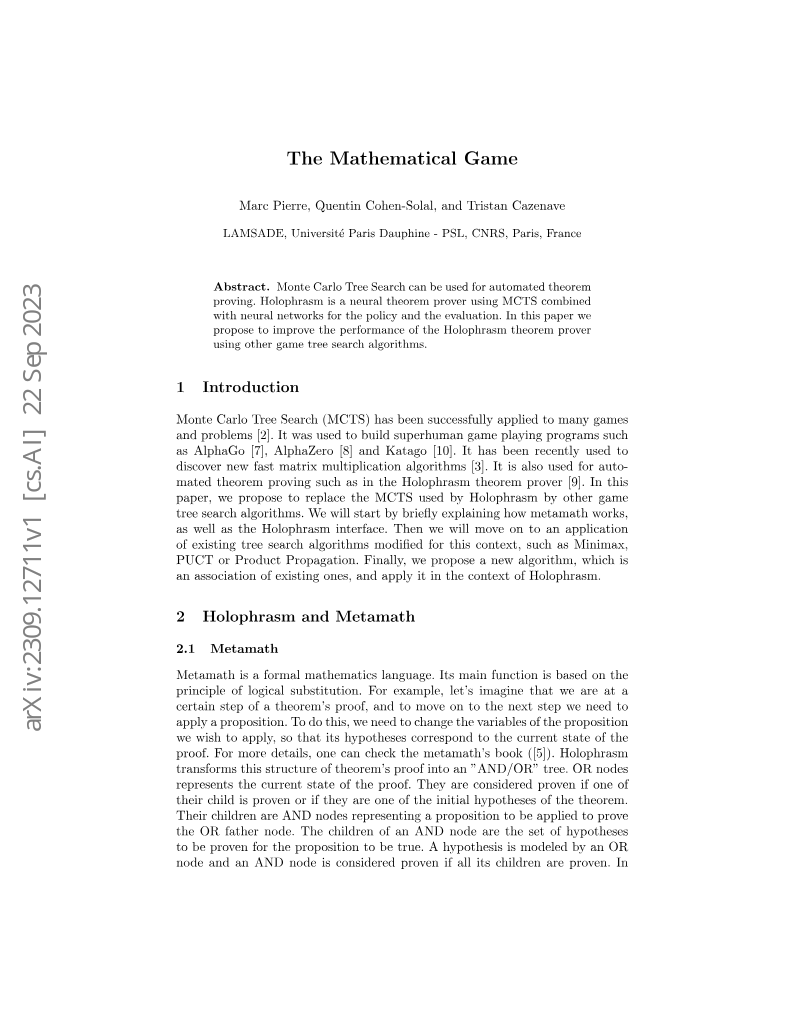
LAMSADE · 2024
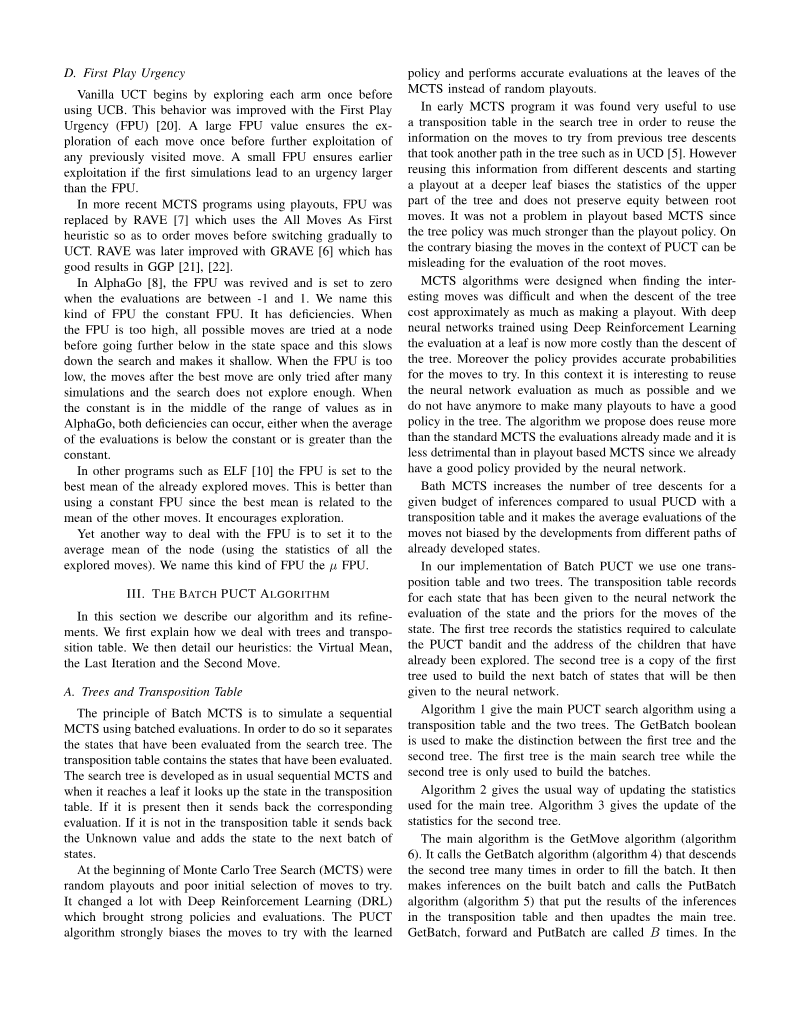
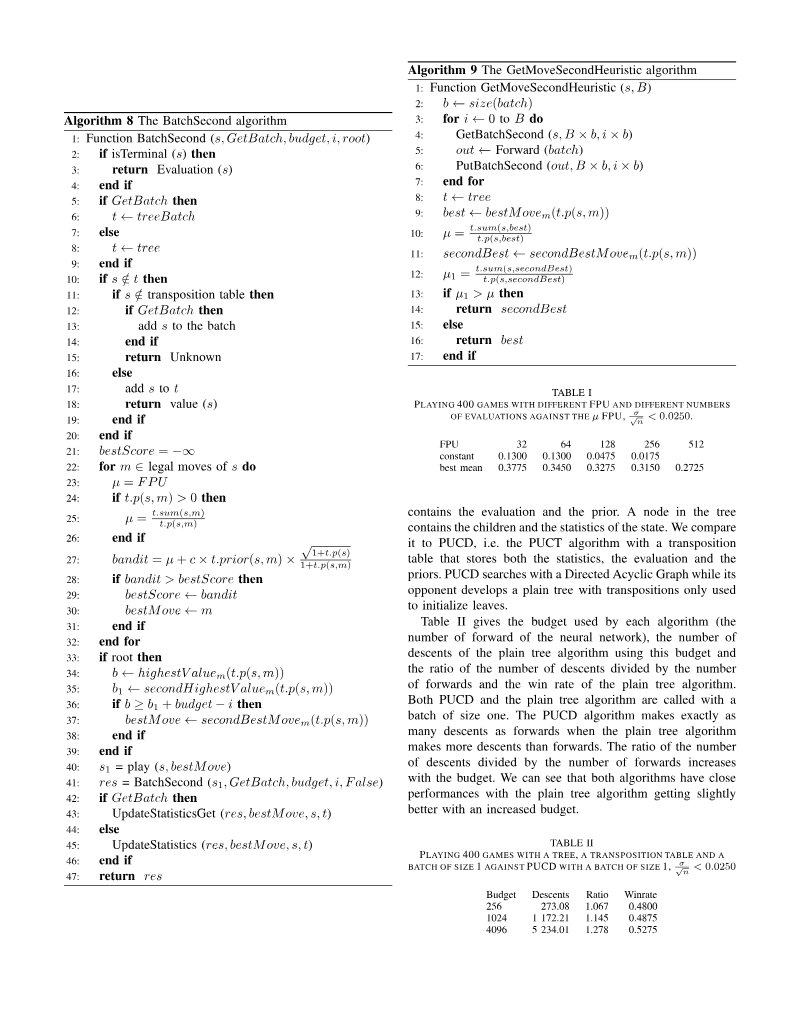
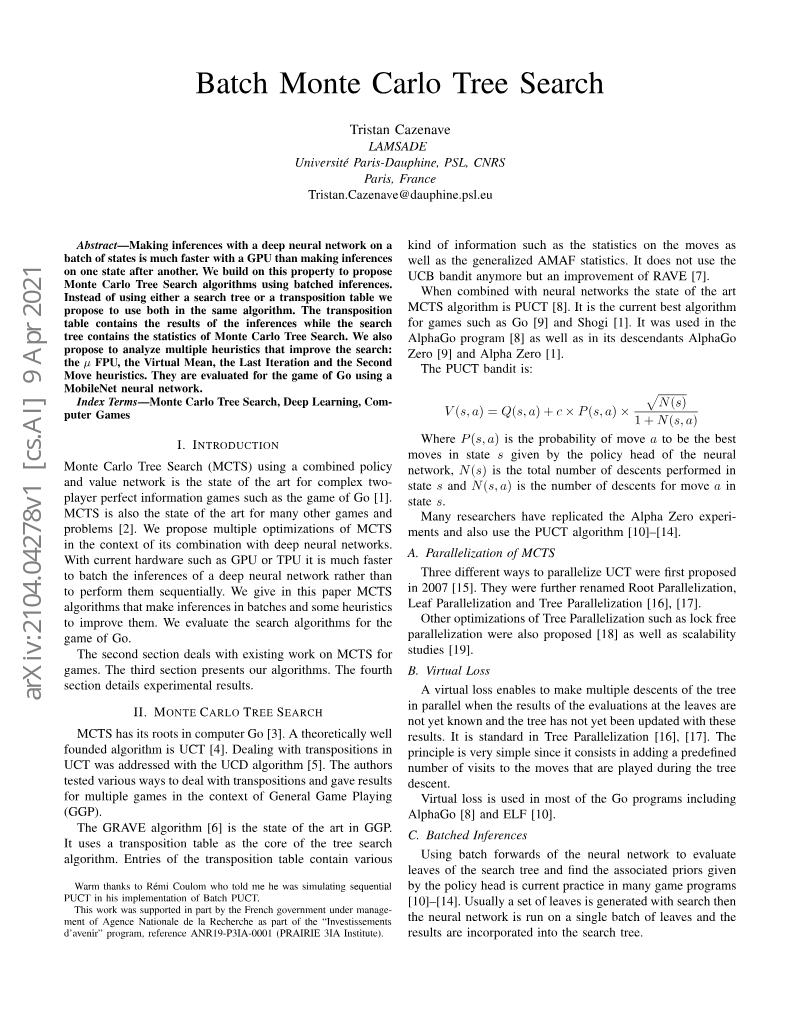
LAMSADE · 2023

PocketGamer.biz · 2026




















Comments