1 free read left. Create a free account for unlimited reading + AI research.
Create free account
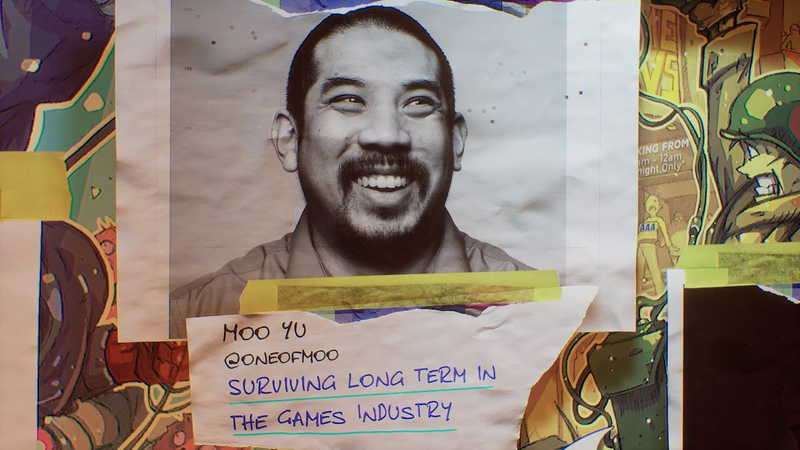
Surviving Long Term in the Game Industry with Moo Yu | GDuX.me 2020
Key insights
6 takeaways- 01Developers should treat career development as an iterative process of trial and error, mentorship, and network building rather than a linear climb to avoid professional stagnation.
- 02Lasting success involves balancing financial stability with the pursuit of meaningful, representative storytelling that contributes to a more inclusive and diverse creative community.
- 03As developers mature, they should transition from focusing on initial industry entry to taking responsibility for shaping the medium and supporting the next generation of talent.
- 04Long-term career sustainability requires shifting from passive employment to active stewardship by intentionally aligning projects with personal values rather than reacting to volatile market trends.
- 05The industry is increasingly accessible to self-taught creators who leverage online communities and collaborative relationships to mitigate the high risk of burnout.
- 06Geographic location significantly impacts creative outcomes, as ecosystems like the United Kingdom provide social safety nets that allow for more artistic experimentation compared to the highly commercialized United States market.
Ask AI about this video
Transcript
[Music] how's it going everyone um yeah as um brandon mentioned my name is mooyu and i've been in the industry for a little bit over 15 years now um mostly i've been a gameplay programmer but i do wear lots of different hats at different times and i'll kind of get on to that as we go on and i don't need to do too long of an intro because basically the whole talk is a giant long intro um so yeah let's get started um i guess the question that i found myself thinking about is just do i belong in the industry and it's a question i constantly end up asking myself um and as time goes on i feel like what it means to me changes dramatically but i'm always trying to think of do i belong in this industry or should i go do something else is it welcoming to me that kind of thing um but yeah i'm going to talk about some of the times i've asked the question how
it's changed throughout my career and some of the things and actions i've taken to adapt to the industry um so you know we got to start at the beginning so the first time i found myself asking the question if i belong in the industry was right after my insomniac games interview i was finals week in college i was you know i just spent two hours in their offices and i was blown away it was really magical and i just thought there's got to be some way that i can be part of this thing um but at the same time i could see like how confident they were and how smart everyone was and i just felt like there's no way they're gonna let me join this company um so yeah i i remember that eerie feeling and i remember it was really punctuated because i i mean i'll tell the long story another time but i accidentally almost stole a car on my way back to getting home and that was really really weird but it was just a really surreal experience um but the thing i wanted to focus on is that the first time i was asking do i belong in the industry there's a question that i was asking other people to answer you know it
wasn't something i was thinking about myself or anything it was very much um what does insomniac games think and do they think that i am a fit for their company and the industry um it was completely out of my hands and it was a really you know i guess natural place to be but it was definitely powerless um from my perspective and when i look back on it now it really seems like something an attitude that is a little bit dangerous at times because you know having that mentality you'll work on any project you'll work on you know pretty much anything you'll work crazy hours you'll do things that maybe you shouldn't be doing if you were thinking about yourself um but yeah i was lucky enough that they did you know let me you know come on to work on match and clank um i didn't get the position i applied for but they gave me a different one um and it was cool like four days later i walked into the insomniac offices i sat down at my desk and i felt like this is crazy like i i feel like i belong in this industry like they've welcomed me in i've kind of got past the gates um but
then i started trying to work um and i thought i was a pretty good programmer at college you know like i i taught a lot of people other stuff like i was usually the leader of my project but i didn't know what i was doing i really really struggled for the first week and then the second week i struggled even more and the third week was terrifying um i remember i came in on the monday of the third week and two of us had been hired at the same time the guy that got the position i applied for and me and i come in on the third weekend he's gone and i just i didn't even know what to think when i asked what happened they said you know they had to let the guy go because he just wasn't keeping up with you know the rape of technology and how fast it was moving and they just thought that he was sort of left behind and that terrified me just the idea that i just got in the industry and i didn't realize that at any point the industry can just move out from under you and that really defined my thinking of my first couple years in the industry
so yeah two weeks later i find myself thinking like my version of do i belong in the industry now is constantly thinking am i good enough skill wise am i staying ahead of the curve am i learning things fast enough um and the terrifying afterthought is like even if that's true now like how long is that gonna last um so i really became obsessed with becoming the best programmer that i could be um but i think the the good thing is that i was asking a question of myself but i think the bad thing was that i was very much defining myself in terms of what the industry needed for me and specifically what insomniac needed of me and it wasn't that they wanted anything bad of me but it was just that i was very much in the mindset of just serving someone else and i think that gets a little bit dangerous and for me where i started getting a little bit the table started turning a little bit and i started thinking a little bit more um was i gotten or one of my friends got in
contact with me like i called my friend but this guy was like eight years older than me um and we went to church together when i was a kid and i always looked up to him and i you know one of the reasons i had interest in programming was that he became a professional program and my parents told me that he was making lots of money and it was great when i started insomniac he was sort of like oh my god how did you get this amazing job i really look up to you can you help me out and i was like you've been programming for like 10 years what what do you mean i don't understand and he explained to me that you know he had a job at a government agency where they did a very narrow thing and the first year you know he was learning all kinds of new things on how to do the kinds of simulations that they were doing um but for the last nine years he was just kind of doing the one year of experience 10 times and i just thought you know it really you know really hit me ha because i just worked on you know wretched king clank three reckon clank four russian clank five i started thinking like am i really learning new things anymore like am i
still developing because you know in the back of my head there's that there's that industry that's gonna slip out from under you that's the thing that's constantly terrifying me um and i just felt like i can't do this um like i feel like i'm just gonna get left behind if i just keep you know typing out ratchet games and i had a friend that yeah basically called it that he's like it's typing time you're not really thinking anymore about how you're developing things or what you're doing you're just typing the game you already know how to do and so the obvious thing would have been for me to move on to a game called resistance insomniac was also developing this first person shooter that was like you know realistic graphics for the playstation 3 playstation 3 launch title um and i thought about that for one second and immediately something inside of me was just like no you don't want to work on resistance and it was it was weird like i it just hadn't occurred to me that until that point that i really should be thinking about what do i want to work on um so i found myself thinking well insomniac is definitely something i'm gonna have to move on to
um but i have all these other questions about like is this sustainable for me where do i want to go and one of the questions i was asking is like is it possible for me to have a life and make games at the same time i was working just crazy hours at insomniac and they would ramp up at the end of each year when we want to release the game and one of the side effects of that is any friends that i made around you know july to september i would disappear for three months and then come you know the the next couple months it's time to make new friends because everyone's already you know forgotten me um that was one big question that was on my mind the second thing is like can i actually develop as a programmer um like can i find somewhere where i can keep learning more about programming and you know fight that curve and prevent the industry tidal wave from crashing on me um and i wasn't sure um but like i was i think that was the one i was most optimistic about but the thing that i thought was most interesting was that i started thinking about like do i want to make the games that the
industry wants me to make and that actually was a line in the sand for me um and i think i i mean you'll see very shortly that i was very much tested on this and i i think the decision that i made is like i need to find somewhere that i can keep learning to program better and then i need to work somewhere where i'm not making basically murder simulators um and so those are the two ground rules i set for myself to like find a place in the industry and like it may have been just the worst time possible to grow a backbone um because i asked around all the la studios and saw checked out what they were working on everyone's working on you know games where you have assault rifles or pistols at the very least and you're shooting people um and i asked around you know some more studios in california and like i talked to recruiters that did like sort of like a nationwide search for me and every project was you know some kind of gray or brown shooter i think it was the year that like half-life 2 came out and doom 3 and gears of war and you know even like
i think they just released a halo and didn't make another one for ages so i think at that point i kind of thought maybe maybe the games industry isn't for me um and i just kind of resigned myself to start looking for jobs elsewhere um but luckily um it got bailed out um because at gdc 2007 littlebigplanet was announced and one of my friends happened to have a connection there and it was just the perfect game like in in the same way that viscerally resistance was a game like i knew i didn't want to work on literally panel was everything i was hoping for um so you know it was creativity it was cooperation it was you know really lovely in terms of like the vibe and the bright colors and so um i luckily got a meeting with uh the media molecule team at e3 when they were in town in la and you know luckily for me they they wanted me to join their team so i packed up my bags and moved to the uk where i still am now um and i joined the literally planet
team and it was just an amazing experience i mean it was like i think about like when i went from thinking i was a smart guy in college and going to insomniac and being definitely the dumbest person in the room um it was that again um and so just you know being full in a room full of talent was really inspiring i learned so much about programming but i think because of the creative tools we're developing and also because i was able to sit um in the game designer area um i learned actually it wasn't the programming skills that were going to get me to my next step in my career like i very much realized that you know what like it's how i interact with people and it's how i take the time to understand what a game designer is trying to do or you know what an artist is trying to do with a feature and like how can i make the tools that make their lives easier or make the tools that match the way that they think about their creative process um so yeah i had a really great time working a little big planet and lo and behold there's a pattern in
the industry they said oh and we're gonna start working on a little bit planet two and i immediately just thought back to what my friend had said about you know the same year of experience ten times i just thought okay um i need to move on but i'm really inspired by what they've done and so you know i started thinking again okay this is the time that i just like okay well i saw what they did and it really made me think i can't just think about what i don't want to work on i need to think about what is the actual change i want to have you know like what are the games i actually want to make and instead of like where the last step was okay what does the industry happen to be making do i want to make that i started thinking about well like how can i make the industry want the games i want to play uh and the games i want to make and i think that was really important for me because i i just thought back to that situation where i was sort of at the whim of the industry that if they if if i hadn't met the media molecule founders i would have just left the industry and i think there's so many talented creative
interesting people that you know would be interested in the industry and would have come around looking at that time and just found a bunch of murder simulators and realized oh you know what this isn't an issue for me i'm moving on um so i just thought about how much talent we're losing and how how i guess powerless i felt in that situation so i started thinking about what are the kinds of games that i want to make um and so uh i guess the main thing was like i was focused on themes you know like i was focusing on how do i make a game with positive themes that engage new audiences because i guess the other part of it is that i feel like if i don't make the games that appeal to new types of players i'm not going to be able to continue to make games that appeal to new types of players like it you know at the end of the day it is the games industry and it is a business and so for me it was trying to think about how do we make the games that draw in new types of players to ensure that we can make a more broad range of games in the future
and i thought back to the media molecule founders and what they did and i just thought yeah it was just amazing you know they came together they decided what game they wanted to make they made it uh it was hugely profitable um and it was you know a huge cultural success and i thought well i guess the way they did that was they started the company so i decided it's time to start a company so i started a facebook games company um and we made a game called monstrosity and it was a game about nurturing little monsters it was about playfulness and growth and creating safe environments for role play um and you know i really enjoyed working on it um and it's interesting because i always talk about this like it was like this massive disaster um but actually i think i think there were a lot of things that went right i mean i think there's a lot more things that went wrong obviously and i'll get to that um but it was an interesting experience i think you know it wasn't sustainable as a company um and we ended up having to shut it down um and it was you know incredibly
stressful i think the one thing that i remember the day i made the decision and it was like as a small team i came to work and the first thing i did was like i checked all the community messages and reply responded to them and i started working on some features that were requested and then i started doing like some of the back-end programming because it was easier at that point for me to do the back-end programming than to ask um our back-end programmer and then i had to like do like our business development stuff i've you know had pitches and phone calls to answer um and then i was doing qa on the features i just done and i had a freelance artist that i was art directing and it was just it was way too much for me and i just couldn't sustain it and like every time we released new updates like the revenue wasn't growing and wasn't growing and like the unsustainability of the business met the unsustainability of my stress and um i decided that we just had to shut the whole thing down um and so interestingly like after
a failure like that um you'd think that i was ready to leave the industry again and i was you know contemplating my state of existence um and i just you know would be in this state again where i'm just like what am i doing do i belong here um but actually i i wasn't asking it at that moment and i think the reason was kind of interesting like i think firstly like it was a failure but there were positives like we had millions of players we were making some money not enough and i didn't have enough help but one thing that was really nice about not having enough help is that i got to try on so many different hats and there's a lot of nice things about like being a small company and having to wear a lot of hats and the first thing is that you just appreciate everyone that normally wears those hats like i think before then there's times where i'm like ah this department they're not pulling their weight or their job's easy why are they making my life so hard and really everyone's job is hard and i think it took trying to do a lot of those jobs to make me realize that
um and i think the other thing is that because i had such a huge appreciation for some of these roles like it made me just start appreciating that so much more on the people i met and it started making me build a community of people that were really good at doing the things that i was really really bad at um but the other side of things is that there were a lot of things hats that i was wearing that i wasn't so bad at and especially some that i was really surprised by um i think community management was something that i was surprisingly not bad at and i really enjoyed and despite being a programmer who usually is terrible at anything social that was a big surprise to me um and i think i never would have gone down that route if if i wasn't forced to and i'm really glad that i did because it's something i really enjoy doing um even to this day uh but the other one was business development i just thought you know business development is for i mean i thought business development for white was white guys who could chat really loud um and i actually you know that wasn't my brand of it but you know when we were running the company i got
very close to raising money and i think there was a point where you know i was talking to vcs and they seemed really interested but i didn't have the confidence that i could move forward and continue running the company even if i had funding but i just thought you know it's not really worth pursuing these avenues and pitching um but i wanted to get better at business development and running a business um i just wasn't sure how um so i think i was i didn't want to leave the industry because i thought there's this thing i'm really excited about um and i want to learn more about it and so i needed to train up and like i guess this is sort of where i would have like cut together a montage if i had any video editing skills um and i actually you know have tried to edit videos and it's one of those examples of things that you try and realize you're terrible at um so yeah there's no montage video here but i started thinking about like what was it that helped me develop my programming skills early in my career and could i replicate that same thing for business development and i
the thing that i realized is so when the guy when i came back and that seat was empty um i freaked out um because you know that guy got fired he had way more experience than i did um but then you know an hour or two later someone moved into that seat and that person actually ended up being my mentor for the next two or three years and taught me you know almost everything i know about game programming um and the thing that i realized most about him was that he made sure that i had a safe environment where i could experiment with things and take risks and fail um and he was a really really important mentor to me and you know the story i tell about like my fondest memory of the video games industry is still the time that we were trying to make this get this builds for ratchet three it was the first you know game i'd ever worked on and they're like we're gonna make disc builds and for weeks they were like okay we're gonna try and make the first disc build and every time they're like oh they just didn't build the distance um and they'd be like okay we're making a disc build don't check anything in we're making a disc build and you
know for two weeks they've been saying that and i've never seen a disc and just had never been made and so you know again they come through say don't check anything in i check in stuff and lo and behold the disc builds um and the disc builds and they load up the disc and it crashes on load and it's the thing i just checked in and i was petrified and i just remember uh you know this guy my mentor tony they come back and they're just like who checked in code what's going on blah blah blah and tony was just like just go make another just go make another another just leave us alone um this [ __ ] happens all the time go away and it was just such a like an eye-opening moment for me because like i felt like i was gonna get fired i mean i was always i always felt like i can get fired um i um but you know that tony made sure that i was safe to take those risks and make mistakes and he was always always there to tell me you know what risks i took that were good and what risks i took that were bad and you know i it was pretty obvious to me when things paid off and when things blew up in my face as well um so i think that's the thing i think
you know what i learned is that one i had to really want have a reason that i wanted to develop this skill and it's because i didn't want to get fired um and i had to be bad at it to learn to get better um and i think one of the important things there is like that i think about now is that like there's times where i really want to develop a skill but i don't actually try i just do a bunch of research and i feel like that's valuable but that's not growing i think it's not until you're actually trying to do something and failing at something um that you do grow and given that i think the only way to grow is to have an environment where you have mentors and where you can fail and where it's safe um and so yeah i thought back to how i learned and developed my programming skills and i thought i want to do that same thing for biz dev um and lucky enough um there was a company that was working really closely with us when we launched our facebook game because they hadn't launched yet and they wanted uh information about you know how they thought their launch was going to go
um and so they you know asked me a lot of things and asked me about a lot of the business decisions i was making and you know gave me advice on things um but they said you know they really valued me as a business person and they wouldn't bring me on as a full-time business person but they bring me on as a programmer and uh but they still involve me in all game design and all business decisions and i think a lot of companies would say that to recruit someone and then just like follow them off when it came through but like really like this company was amazing to me they were um a silicon valley venture-backed um company they raised something like two and a half million dollars or something like that for the seed round um so you know it was really interesting for me to work with them and for them to let me try and make some decisions and try and contribute to the conversation and for them to mentor me and teach me what i was doing wrong and what why my first company failed um and it was just you know an incredible opportunity for me and it just makes me think about you know people that provide those safe spaces for people to grow
um and so you know i developed those skills and i thought i'm kind of at that point where i'm researching again and i'm not doing and i thought well maybe it's time for me to try to test out my skills again and i feel pretty good about my programming skills and i feel okay about my business skills um so it was time to try again and that was knights and bikes so yeah i was the sole programmer on the game so i programmed the game which had three different modes one was that you could play single player with an ai partner so the whole game had to work with either characters being ai and for momentarily moments where both of them are ai from weird bugs that we found um where both players were controlled locally uh for local co-op and then for the version of the game that you could play online co-op um so yeah i think that was really an aggressive goal for me and i think it went well and i you know still feel pretty good about my programming skills and the business side i think went well too i think you know we ran a successful kickstarter campaign
um we got a publishing deal shortly after that we've negotiated a book deal and three incredible books have come out so yeah knights and bikes says three books based in this universe written by gabrielle kent and they're on sale now um and we even signed like a deal for our tv series that's currently in development so you know i think all around i felt like okay my skills are developing at a rate where i don't feel necessarily i need to like go back and find a safe space for growing my business skills um like i i feel pretty good about those two skill sets um so you think like after success like that i'd be like i of course i'd be long you know i'm awesome i did everything it was it was great and blah blah blah but like i find myself again like asking is there a place for me in the industry and it's it's with like after my failure i'm like i definitely belong here and then after my success i'm like i don't really know um but there's you
know there's more to it like the first thing is that there's two things that have changed in i guess my life in the world the first one is that last year my son was born and as some of you can imagine and some of you have experienced when you have a child like all of your priorities get shifted all of your available time gets eaten up and all of your financial risk tolerance just vanishes poof in midair um and so that's changed a lot about my perspective on you know how i can take creative risks and that kind of thing um but the other thing is that my eyes were open to representation um and i think growing up as you know in a chinese person in the western world i just kind of thought they're never gonna tell my story like i'm never gonna actually feel represented in the media um and you know i think you know every now and then something would come along and they'd be like oh this is like the next big asian film and i'd watch it i'm like well i don't really get it um and but what changed my mind first was a game called florence um i think it
did an incredible job of you know packaging a universal story that everyone could understand with like specific details that are specific to florence and her heritage and i really felt those things really really strongly i was on a plane back from gbc actually i was just crying my eyes out the whole time um and more recently i saw the film uh tiger tale on netflix by alan and how specifically it captured the taiwanese american immigrant experience was mind-blowing for me like if you would have told me that they had spies inside my house and captured the parent the story of my parents i would have believed you um and i think actually feeling represented really opened my eyes to a lot of things um to how important that is i think representation matters for people you know who aren't represented enough so that they don't feel alone but i think you know we're seeing
now more than ever that representation matters for everyone else just to remind i mean it's sad that it requires reminding but to remind everyone that we're all human and we should all be treated as such um and so those are the two things that are really on my mind now um as a games person of just like can i tell or can i make games that tell new stories and can i do that without you know leaving my family uh abandoned on the street basically um so yeah it gets so complicated for me now because you know i guess the first question is like are there new stories that i can help tell um you know and it even makes me think like do i have a story to tell um and i'm not really sure yet um and it makes me think about like well are there people out there who want to work with me that have these stories that i could help tell but then there's the other side of like you know is there a financial balance for trying to change the industry and change the audience and build an audience
um without you know incurring the huge financial risk on myself and i'm just getting older and older and i think about how long you know i will i've been working on nights and bikes and it makes me wonder like do i still have time um to try to try to make these changes and to try and grow and try and learn the new skills i need um so yeah i mean i'm genuinely in a phase right now where i'm asking myself if i belong in the industry and i have some time to make the decision like one like i'm not of sound mind i'm not sleeping because the baby doesn't let me but i still have some work on nights and bikes to finish up so you know that's one thing to focus on and i'm working also at a company where i do get to work with a writer and think about story telling and the tools for storytelling and that kind of stuff so i don't really know yet but i still have time to decide i feel um but what i do know um is that you know i need to skill up on storytelling seals myself and the story or the skills required to help others tell stories
i need to find collaborators that have stories that they want to tell um but more importantly like it's really important to me to make sure to contribute to making the industry a place where more people feel like they belong because it's just a virtual cycle like if we can't you know have the audience for interesting new games then we can't have the people the interesting new people to make them and like so on and so forth and i just feel like you know that pinwheel has got to start somewhere and one of the ways that i'm trying to help that out is i'm part of a group called park and play we're based in the uk and we're dedicated to supporting people of color in the games industry but there's so many great initiatives um going on right now on that front that i feel like that's you know it's one of the things i do feel certain about um in these really uncertain times um but yeah that's sort of where i am i wish i could have um finished it with something more concrete and inspirational but i don't know what's in my future but i think the point of this talk is that it's really important to take the time to
think about yourself where you fit in the industry where you want the industry to grow and what growth you need um to make that happen and you know and along with the growth you need what environments you need to make that growth happen so thanks for your time everyone all right mew well thank you man uh it's been a fantastic time and uh you know one of these things being the first guy up have always been a challenging challenging proposition but i think you did great and i think your story especially is something um that uh that we all kind of look forward to as a game developer your journey is something very similar all right you're talking about all those times that you wanted to quit i mean during this stream there were times that i wanted to quit because getting the jitters out all the time it's always tough man it's always but like as the day goes through and then not getting the rhythm
it gets easier so in the very very short way of kind of summarizing your experience in the game industry it feels a lot in that way we keep going back to it because at least for me i don't know what else to do man i'm not really good at anything i'm pretty useless with my hands and uh and i i just love game development and and it's one of the biggest reasons why because i feel like i see professionals such as yourself who who have figured out a way all right through this turmoil through these confusion time confusing times you've somehow kind of pieced together uh a path for yourself and and and just learn by stumbling um which is one of the biggest takeaway that i got uh from your talk yeah absolutely and i think i think the the key is that like stumbling i mean stumbling is a privilege of sorts right like i think like having the ability to do so is something that i'm very grateful for and
i actually think about you know the guy that taught me that lesson about the the one year of development 10 times is that you know he wasn't in a financial position where he could take a risk where he could grow and learn and you know develop himself as a programmer and move to an industry like i did um you know he he did get in touch with me throughout the years and he's always jealous of you know how i get to work in the games industry and it's just a matter for him that like he needs his job and he can't take time off to like try and learn how to be a game programmer or anything like that and i fully understand that it's a privilege i have but i think you know it's a privilege i have but hopefully i can use that privilege to you know make the industry you know less difficult to get into and more approachable for more kinds of people yeah definitely i'm anything i'm fixing look i'm so i'm pumping this is gonna be so stupid i'm popping in my other camera right now uh but like uh for i just as a reminder right just kind of go off what you're saying for anybody that's in discord in
the chat rooms uh this is a time for you to kind of ask directly to mew well through me because i don't want i don't want to fumble you up with with ridiculous questions so i'm gonna be filtering a lot of the questions throughout the three days so we do have moderators going through all those chat rooms we have something specific to talk to to me about feel free to kind of drop a line and i'll try my best kind of read it online and on air but uh before that happens you know i have plenty of my questions uh for myself and i kind of want to kind of dig through it man like you were mentioning a few years before you kind of found somewhat of a rhythm you know of course your success now i mean you're doing this full time which is a lot already um how long was that process man uh if you were to say where you're you started to have doubts and you started to explore to now how long did it finally not to now specifically but to to the point where you felt you hit a rhythm where you're like i'm starting to
understand business and game development like the business side is really hard because i think there's there's two things to balance i think you know learning the program was a lot easier because you know you eventually do find your brand of programming but for the most part you're just trying to become a better programmer i think for me when i got to the business side there was a lot of trial and error of like what kind of business person i wanted to be um you know like i think for example one of the times i was you know trying to do networking and one of my friends invited me to a dinner um that basically ended up in a strip club and like all this other stuff and i just like ah this is this can't be how business is done like this isn't the kind of business person i want to be um and there's a lot of business people that you know are very fake it to them make it till you make it you know like just lie and lie and lie through your teeth and hope that you know once you've got other people's money you can profit off of it um without losing it but then if you lose it to their money i think i think the
business world is a lot more complicated and like i would go to basically two events every single night for i mean probably i think it was probably about six months i know every night but like probably three or four nights a week and i'd be like you know practicing my pitch for my company but trying to figure out like oh how are they pitching stuff and what can i learn from them and what do i like about what this person is doing in this person is it but i think also finding the other people you want to work on i think for someone to invest money in someone takes a bit of a relationship um so a lot of the times you know you're meeting these people and you're trying to prove to them that you're the same kind of business person with the same level of trustworthiness and the same kind of trust as them and i think that takes a lot of time so our publisher double fine you know we've had a really good relationship with them personally for a long time like you know we actually struck the deal because greg was sleeping on rex's couch for rez which is an indie event in london and i've known tim schafer because you know that
time when i said in 2007 i couldn't find a single job opportunity that wasn't um a first-person shooter or some kind of shooter i remember i specifically remember this moment because i zombie insomniac balcony as talking to a recruiter and he was just like okay well the only game i have that's like not a shooter and i can't tell you where it's from or too many details but it's like you know a heavy metal action rts game and it's like what is that what does that mean and that turned out to be brutal legend um but like because like i just had no idea like i you know i've always been in touch with him about working at double fine and i think if they said double fine has the position open i definitely i probably would have ended up in san francisco instead of in guilford um but the guy just you know sometimes recruiters are not allowed to like give too many details of job opportunities away and because he just described it so weirdly i just kind of ignored it which was a shame and it's one of those things too like you're talking about you know
tim schafer is definitely a legend within the industry and i think if anything he has a huge part to kind of kicking off this indie life that the possibility of not just scraping by but but also uh having the ability to kind of go out there fend for yourself have a product and see it all the way through to to to publishing and and reap whatever you know risks and benefits that entails and i think um it's crazy kind of thinking about the first kickstarter that they kind of kick-started kickstarter in my opinion right and then to now where yeah we're developers like yourself are finally uh kind of taking the torch uh and and and kind of carrying it yourself uh learning from these guys and we're talking about a short span of i would say like what within four or five years when the first major when they went that route right yeah i think they they did it in maybe 2012 i think and we did it in 2016.
um and like i think that was one of those things like we had a good relationship with them and it made sense enough that ended up with our publisher but like for example they offered to take a look at our kickstarter campaign before it launched and give us advice on it um so you know the they were just a perfect example for me on many fronts and one of them is like developers helping other developers you know they were really good about you know funding indie projects and like publishing indie projects but also just helping lots of projects that they had no financial interest in just because you know they thought the idea was cool and they've always put on like day of the devs which is like a huge showcase of like indie games um so i think you know they've always been somewhat a company that i've looked up to um in terms of like what i want to do and how that how i can also have positive change in the industry and i i i've been i haven't had my skin in the game as long as you have you know i'm still operating out of a mattel room right wink wink so uh from the short time span that i've been
doing this a lot of it has been about putting yourself out there to kind of have these doors open and not really knowing what the outcome in your life uh or career is gonna go like i did i had like a faint idea well before i started where where uh i wanted to go and be at this place but then it wasn't really uh really driven by experience or anything of that sort it was kind of like make it up as i go and and a lot of it was influenced by by by people who who's kind of ahead of me and just meeting them and just waiting and making good you know not burning any bridges i think another part of that is that early in my career right uh we would get these warnings from veterans uh experienced developers around us saying like hey never burn bridges you never know right but then there was these times where i was like you know i'm gonna
if you're gonna burn bridges i'm gonna [ __ ] burn it right and i had like this little face whereas like you know i'm fully committed and then in full circle i'm seeing myself as a veteran now and going on to to create my own opportunities where i'm kind of going back to these bridges and realizing oh wow you know i was really rash and short term in my thinking i mean i wonder if you had similar stories in that in that mindset kind of like i i definitely agree like you shouldn't burn bridges unnecessarily but i definitely think there are times to burn bridges um and there's definitely times that i've brought bridges that i wish i hadn't but there's also times like burnt bridges where you know i you know i've dealt with people that i think are despicable and that nobody should work with them and i'm happy i brought those bridges and i'm happy that i've been able to warn people off of situations that they that sound really enticing that they really wouldn't have enjoyed uh but on the other hand yeah i've definitely burned
you know in my in my early career i definitely burned a few bridges i probably shouldn't have but sort of the idea of like you know going to these events putting yourself out there and trying to like find the next generation to get keep you in and the thing that i've actually learned is that it's your peers that are like the really interesting ones like you know i was part of a program here in the uk part of ambassador's program called crew and i remember when i joined crew there were so many like young really full of energy ambitious excited people of saying like oh here's what i want to do and one day i'm going to do this and this kind of stuff and you know i was a little bit older but i still like love their energy and love their enthusiasm and now like i look at where all those are three or four years later and they're all in incredible positions and running like tons of programs that are helping other people get a leg up in the industry or um that kind of thing so i think you know never discount your peers i think your peers are the people that like one aren't gonna look down on you um and
two that you can like really you can really vibe with them because you're in the same position and they're going to be the future of the industry and you know you can always hope that they'll bring you along with them yeah definitely i mean um at least for me man like uh i think there was a phase where you know i was really getting um anxious within the industry i was getting a little burnt out where there was a time where where uh i would see these guys um you know fresh blood coming in the industry bright-eyed and there was kind of like a you know little lingering resentment right it's like oh my look at these kids look at these this energy right like they don't know right but then it took a while where it finally felt like you know this is reinvigorating this is you know this kind of reminds me of how i was uh when when when i was bright-eyed and and and reminds me why i got in the industry in the first place so
if anything it's a nice like full circle realization of you know uh there's always going to be things that it's going to happen within your career where you're going to always look at what's the next best best thing but it's also very um healthy to kind of reflect on where you are right now i mean we're making games this is a literally a dream of ours since kids and you know especially where you are right now you able to kind of evolved and and and taking control and and and instead of complaining you you've taken uh those issues that you've had and and and just made it disappear uh through your own hard work and stuff like that i think even like in writing the talk i think that was the thing i realized i was just like what is the progression of like how i think about my place in the industry and i think there's like a big step between like thinking of the industry is like this thing that like takes her doesn't take
you and that has all the power and you're just you know this weak thing that's you know hoping to be led in the gates um and i think you know when you start thinking about yourself and what you want to achieve in the industry that becomes like really empowering but i think the next step is when you realize that like the industry is changing but like i always like at the beginning i feared that i was like the industry is changing and they're going to leave me behind and it's going to be terrifying and then you realize like the industry is changing because of people working in the industry and i'm a person working in the industry so if i know what change i want to see in the industry i can be part of it and i think that was a really big eye-opener for me because i think after that point i was just always just like well wherever it goes it's gonna maybe it's gonna leave me behind and that's gonna suck um and i know like you know single-handedly i'm not gonna change everything but like i can do my little part to make sure that there is a place for me in the industry and there are places for people like me in the industry mm-hmm so i do have a question from the audience this is from jakkil101 as a reminder you guys can ask these
questions i'm going to make myself laugh like the whole whole day so uh so this is when you started your career in game development uh had you had work prior in other types of software development so i had two internships um that i'd done so like um i was i came straight out of college so yeah i took like my last final on the friday and i started insomniac on the monday so i didn't didn't have any like um proper professional experience but the first i think two summers that i was at um in college i actually met a guy in my programming uh one of my programming classes that um they basically he worked at the games company and they were like we need you to find us an intern and he was like i'm going to e3 next week and i'm like oh my god how do you go to e3 and he's like oh if you work in the games industry you can go to e3 i'm just like can you get me in it e3 and he's like well like if you come work with us like in the summer you can go to e3 next
year i'm like let's do that so i i had like two three months since um at two different games companies because that guy moved from one game company to another so i think that was definitely like the big break for me um was that i was lucky enough that that guy got me two different internships and like once you can see how the sausage is made like you can start adapting like the theory you have of programming with the actual industry version of programming um but then again like when i went to insomneck it was a whole other level like it was so much more complicated than anything i'd done in those two summers awesome this is a question from official nebular gaming do you need to have a degree to be called a game dev no definitely not like like you have to be able like i think if you're making a game uh you're a game dev and whether like that means downloading unity and you know playing a sample like i didn't do a game definitely i don't know like
you can go yourself the game does no matter what right i i think that that's becoming increasingly more and more true i think especially with um the pandemic going around and i don't even know how school systems are kind of adopted to it uh essentially i i think there was some some horror stories kind of kind of being spread where where a lot of these students were still being charged while they couldn't go to a physical school and then they had like a really half-baked online experience and result of that um i mean these are institutions obviously that that continues to to need the the income and uh mo like those businesses they they will crumble if suddenly the the source uh stops right so in a way i kind of empathize but in another you know i i went through like a traditional you know college education and i uh
took me like eight years to kind of pay it back with like stable job income right uh it was insane uh to expect that from from anybody um to kind of start their 20s and live through their 20s commuting and in in most cases like moving around the country and in your case your country different country yeah it'll move around the world around the world and it's very common uh and it's just we're not set up in a way where i graduate from one campus and then across the street i can work for for the next 20 years i mean most industries aren't set up like that anymore but game industry especially i feel like you're starting off your your your career then that way can be very detrimental so um yeah you know for me the value of college was probably much more than like an 18 year old just isn't a mature human being um and like you know from countless perspectives whether it was social
or like the way i thought about learning when i was 18 was i thought you memorized a bunch of stuff and i think the thing that college taught me um was that learning is actually linking other things linking stuff to things you already know and i think that was a shift that it took me you know my three years of college to figure out um and if you can learn that in another way great but like it's you know you you need some time and i think that's the thing like i talk about safe spaces to try things and to grow and to fail and i think college can be that for a lot of people but i think the industry should be able to do that as well so yeah i'm not in high college per se like i definitely think you know there's values for some people in university i think there's value for me in university um like even just like being forced to do group projects was like a big turning point for me because i could code on my own but like the idea of you know having my code mesh with someone else's code is a concept i you know i don't think i would have experienced
on my own um but again it's another thing that hopefully we can as industry provide opportunities for as well yeah especially now i mean i i'm a big proponent to online learning now but even with the forced quarantine it gets pretty lonely man that social aspect of it i really valued when i was in college i made a lot of best friends for life through the experience being next to people and so even with all this generation of uh developers who who are so used to living through social media um i think we pretty much value social interaction at this point i mean think i think if anything we've answered it that yes we need physical interaction and online is not enough matrix until they get those like until valve kind of get those index fingers uh with physical touch going uh it's just not at that place where where we want to uh to kind of dedicate
our whole life to that so i do have another question uh this is from bewilder beast is there a particular work ethic technique or discipline that you could talk about being the sole developer how does how do you maintain discipline and focus when it's just you and a keyboard so i guess the clarification there on knights and bikes like i wasn't the sole developer like there was an artist i was the sole programmer on the project and like it's okay he's not here he's gonna take credit i did everything and like the easiest way to stay motivated is like if there's an artist like just churning out beautiful art every day and every time you hit like update from svn there's more beautiful [ __ ] for you to program um like it's it's pretty easy to stay motivated um in that situation and like even at times when i remember there were some times where you know there was a bunch of work rex needed to do um that there wasn't much programming work for me to do so i basically just jumped onto another
project for i think two months and i shipped some surface circular with mike mithel um so i think you know i don't go to any like work ethic or any like specific you know paradigm to stay motivated but i definitely think like finding collaborators that excite you and finding things that you want to learn that excite you finding skills that you can find value in yourself like those are things to stay motivated um but also i think you know for me like again it all comes down to like if everything isn't rooted in the change i want to see in the world and like you know if i accomplish that change like maybe i'll lose motivation but like the world is moving so slow when there's so many things that need to be fixed but i feel like eventually whatever i'm doing is rooted in the change i want to see in the world and i think that's never going to get solved and my motivation being tied to that is always going to stay somewhat full but i guess the other side is like how do you not burn out because that's a risk that i would've ran into in life especially before my
son was born it was just i work from home it's so easy to just keep coding and keep coding and keep coding um i'd say that's more of the risk or more of the threat to me of just like burning out and just not wanting to do it anymore just because your body is just so sick of it um and i think if i didn't have my wife to remind me like this you know i would get the points where she would just be like just so you know like you're being really snappy and like you clearly are exhausted and you're working too hard just sounds like this morning for me yeah like you know she'd be there to like remind me that like i'm working too hard and i need to like find some balance go outside and yeah get some vitamin d man it's important especially now yeah so this is uh from shadow monarch one he's asking belonging uh from india he's from india i guess the game dev scene here is not too big so how do i pass that bridge between countries and get myself where i can even ask
the do i belong question to myself could you tell me some of the ways i can check out the game dev industry this is pretty pretty relevant yeah i mean it's definitely difficult i mean the short answer is it's not trivial because i mean i obviously there's a lot of things online there's a lot of communities like i watch a ton of gdc talks i'd you know watch g ducks uh i watch a lot of talks i try and find communities online that you can interact with but it's it's not a perfect substitute um like it very much is just if you can't find anything physically local like try and find something virtually local to you and try and find communities that will you know are at a similar level as you and where you can ask like one one thing that i really like right now is like in the uk there's us games industry slack and so everyone in the games industry comes in and like you can ask the dumbest questions in the world and nobody's going to judge you for it i think that's you know it's the thing
that i just keep coming back to is like there aren't enough safe spaces for people to learn and grow and i think you know for you what i would recommend is just start making a game and whenever you have a problem start googling answers and hopefully at some point googling answers to the specific problems you have will help you find communities where those answer or those questions get answered on the internet and that will you know hopefully you know be a beacon for you to start your journey but it's it's not easy that's for sure so this is actually a pretty good question that uh uh even i i'm pretty curious about so this is from andreas retina so how's the game dev industry in the uk compared to the us are there any key differences [Music] so i guess the the biggest thing for me at least is i feel like it's connected so the salaries in the uk are way lower than salaries in the u.s which sounds like a bad thing but it
means the game budgets are lower and the creative risk is higher and i think that's actually one of the reasons why everyone in america in 2007 was making a shooter because the budgets are so high that you have to do the lowest risk thing and i mean ironically if you and everyone else are doing the large risk thing it's really really high risk um so i think the uk industry for me at least it feels a lot more explorational and more experimental because one we have the nhs so you don't have to as a freelancer you don't have to worry about health care or health insurance or anything like that you like if you get sick you will be taken care of um but just that because the budgets on games are a little bit lower on average like i think there's more creative risk that's um willing to be taken up in the uk i also think that the uk has you know a great organization called bafta and they really as a culture support games and because they've been doing so much work to put games in the spotlight um like
they have an award ceremony that just like the oscar for games every year and because you know they have everyone suit up in tuxedos and make it seem like you know we're professionals and this is an art form to be appreciated i think there is more appreciation of the industry here where i think in america it's very commercial and very like um a bit more jaded um especially when you get to the general population and the news media coverage and that kind of thing so i think those are the big differences to me but nhs is huge like not having to pay like when you literally are running a indie game company a lot of times you're trying to spend zero dollars or pounds period and just the fact of like if every time you don't spend money on health insurance you're increasing the mental strain of what is the risk if someone is unwell like uh it's just i mean there's nothing that makes it harder to focus on creative decisions when you're putting your own life on the line yeah definitely well i mean
i want to thank you mu for uh for coming on man it's been it's a great way to kind of kick off because your story especially is exactly why g ducks was was made in the first place i shared a lot of similarities in your journey i mean i've had my my moments um even this morning you know uh with the stress and all my wife had to kind of like take hold and like calm the f down but these are moments throughout yeah throughout business that we we kind of figure things and uh and and try to move on and and just learn by by doing basically so before i kind of send you off uh if you don't mind to kind of tell people out there how to find you and uh we'll go ahead and just make that make that apparent so that people can can find you on twitter or wherever yep cool on twitter i'm one of mu and it's on the screen uh and recently we we released knights and bikes on switch
ps4 and pc so pick it up and give me monies yeah it's well i want thank you so much me for for coming on man it's been uh it's been a pleasure thanks for having me we'll talk some more and uh yeah and that's pretty much it man thanks for everything dude awesome right later later [Music] you
Summary
Long-term sustainability in the game industry depends on a fundamental shift from passive employment to active career stewardship. Rather than reacting to volatile market trends or waiting for opportunities within large AAA studios, developers must cultivate agency by intentionally aligning projects with personal values and long-term goals. This proactive approach requires a willingness to embrace trial and error, seek mentorship, and build genuine professional networks. By treating career development as an iterative process rather than a linear climb, individuals can avoid stagnation and successfully navigate the inevitable shifts within the global gaming landscape.
Professional growth is inextricably linked to the environment in which a developer operates. Structural factors, such as the contrast between the highly commercialized United States market and the more experimental, artistically focused United Kingdom, significantly influence creative outcomes. The UK’s ecosystem, supported by social safety nets like the National Health Service, provides a unique buffer that allows independent creators to take risks that might be untenable in more budget-pressured environments. Regardless of location, the industry is becoming increasingly accessible to self-taught creators, provided they leverage online communities and prioritize collaborative relationships to mitigate the risks of burnout.
Ultimately, the path to a lasting career involves balancing financial stability with the pursuit of meaningful, representative storytelling. As developers mature, their focus often shifts toward fostering inclusive environments and supporting the next generation of talent. By moving beyond the initial goal of industry entry and embracing the responsibility of shaping the medium, professionals can ensure their work remains both personally fulfilling and culturally impactful. Success is defined not by adherence to rigid industry standards, but by the ability to adapt, collaborate, and contribute to a more supportive and diverse creative community.





Comments