
ArticleSuperJoost
VR Looks Expensive: Zuckerberg's King of the Hill Moment
13 Oct 2022~8 min full read
This analysis explores the shifting landscape of the European games market and the strategic maneuvers of major tech entities like Microsoft and Meta. The primary thesis suggests that while interactive entertainment has gained significant cultural and financial relevance, a "knowledge vacuum" among regulators—specifically regarding the Microsoft-Activision Blizzard acquisition—threatens to stifle industry growth. Furthermore, the text posits that Meta’s aggressive pivot toward expensive VR hardware is a defensive attempt to escape the "walled gardens" of other platform holders, despite unproven consumer demand.
Key findings highlight a growing disparity in the European market, which accounts for only 17% of global consumer spending on games compared to Asia’s 57%. European developers are increasingly reliant on domestic markets for 42% of their revenue, making them vulnerable to foreign acquisition by firms like Tencent and Netflix. The analysis notes that Asian firms have successfully localized their revenue, with regional earnings jumping from 47% to 78% as Chinese and South Korean audiences came online. This data underscores the European Parliament's recent push for increased funding to protect local intellectual property and talent from being undervalued by foreign capital.
The scope of the commentary covers global industry segments including console gaming, mobile, and virtual reality, with a specific focus on the UK’s Competition and Markets Authority (CMA) and European antitrust regulators. It critiques the regulatory scrutiny of the $68.7 billion Microsoft-Activision deal, suggesting that regulators are being overly influenced by Sony’s protectionist stance. Finally, the analysis addresses Meta’s $1,500 Quest Pro headset, noting that while Microsoft is partnering to bring Game Pass to the device, the high price point and Meta’s $10 billion loss due to Apple’s privacy changes suggest the move is more about platform ownership than immediate consumer utility. The methodology relies on financial data from the top 200 game companies, leaked regulatory documents, and recent corporate earnings reports.

SuperJoost · 2026

SuperJoost · 2026

SuperJoost · 2026

SuperJoost · 2026

SuperJoost · 2026

SuperJoost · 2026

SuperJoost · 2026

SuperJoost · 2026

SuperJoost · 2026
SuperJoost · 2026

SuperJoost · 2026

SuperJoost · 2026
Nacon · 2026
PCF Group · 2025
PCF Group · 2025
PCF Group · 2025
PCF Group · 2025
PlayWay · 2025
PCF Group · 2025
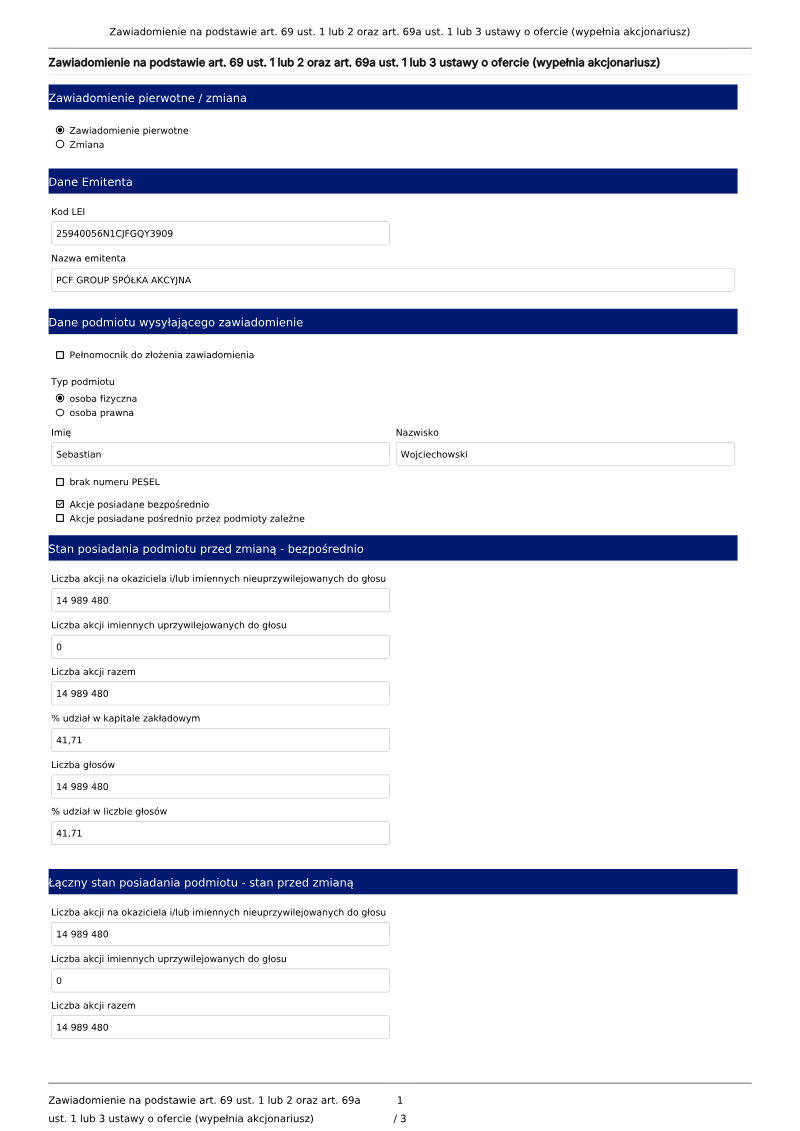
PCF Group · 2025
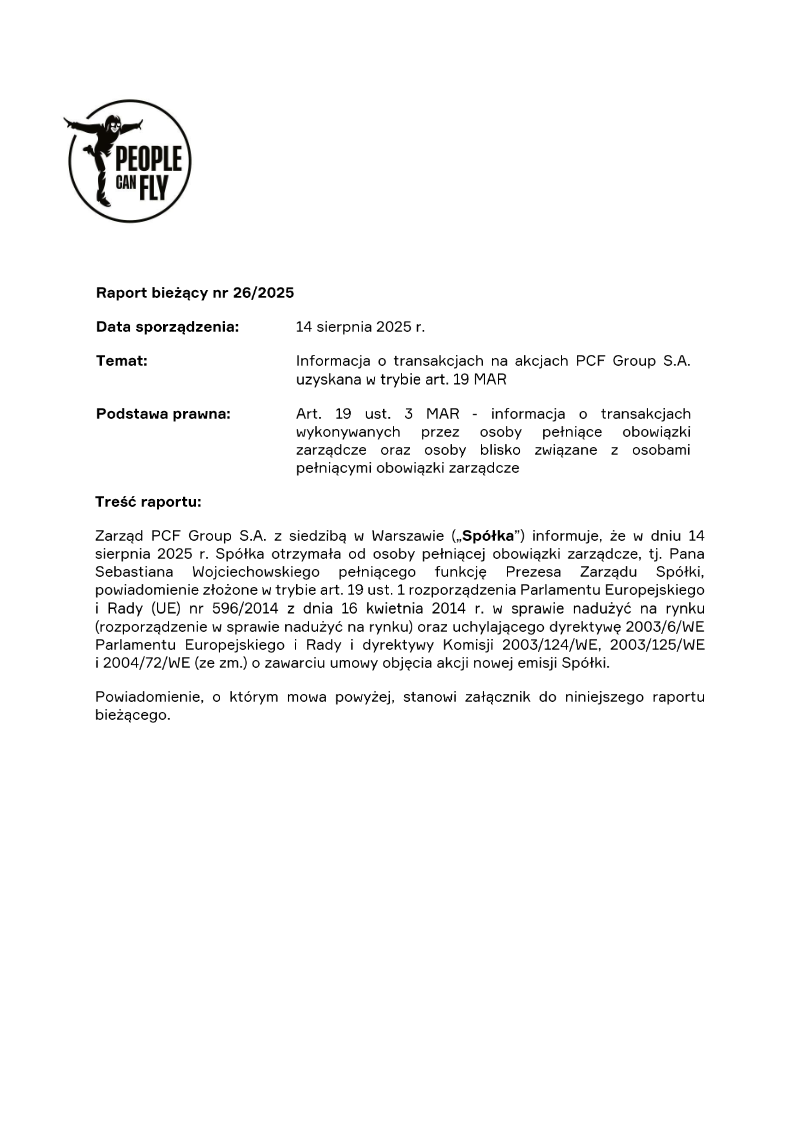
PCF Group · 2025
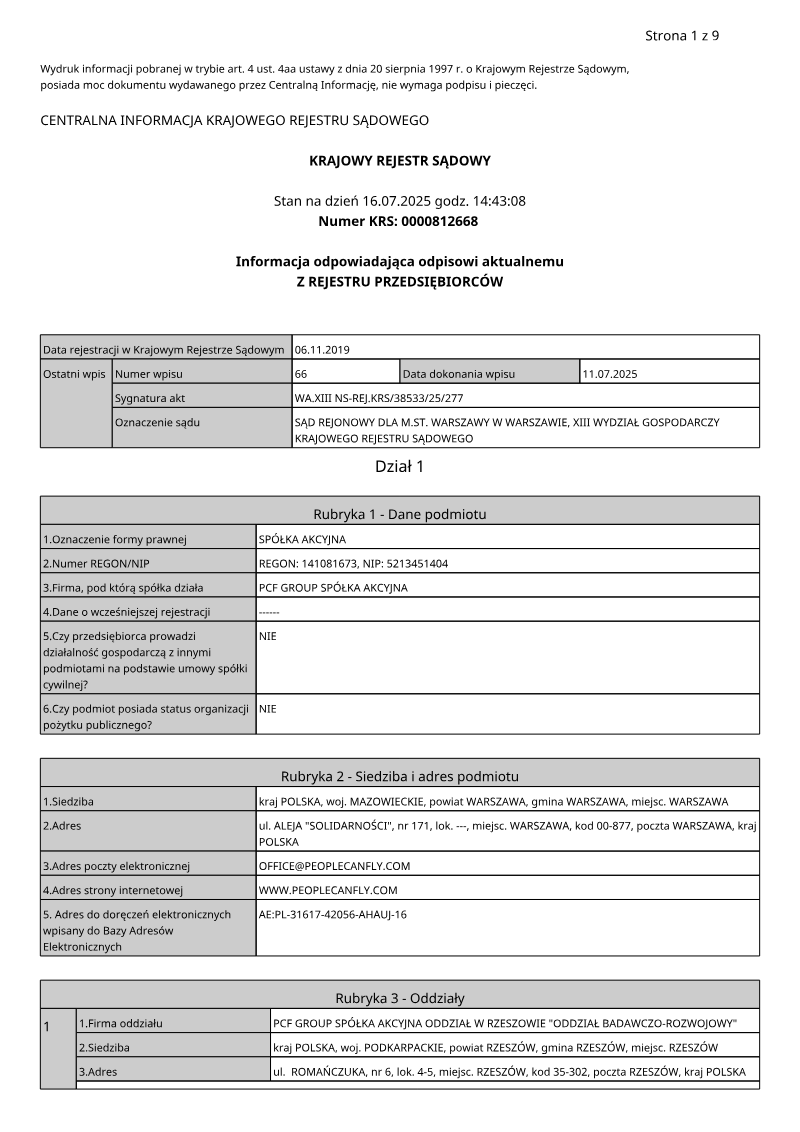
Centralna Informacja Krajowego Rejestru Sądowego · 2025
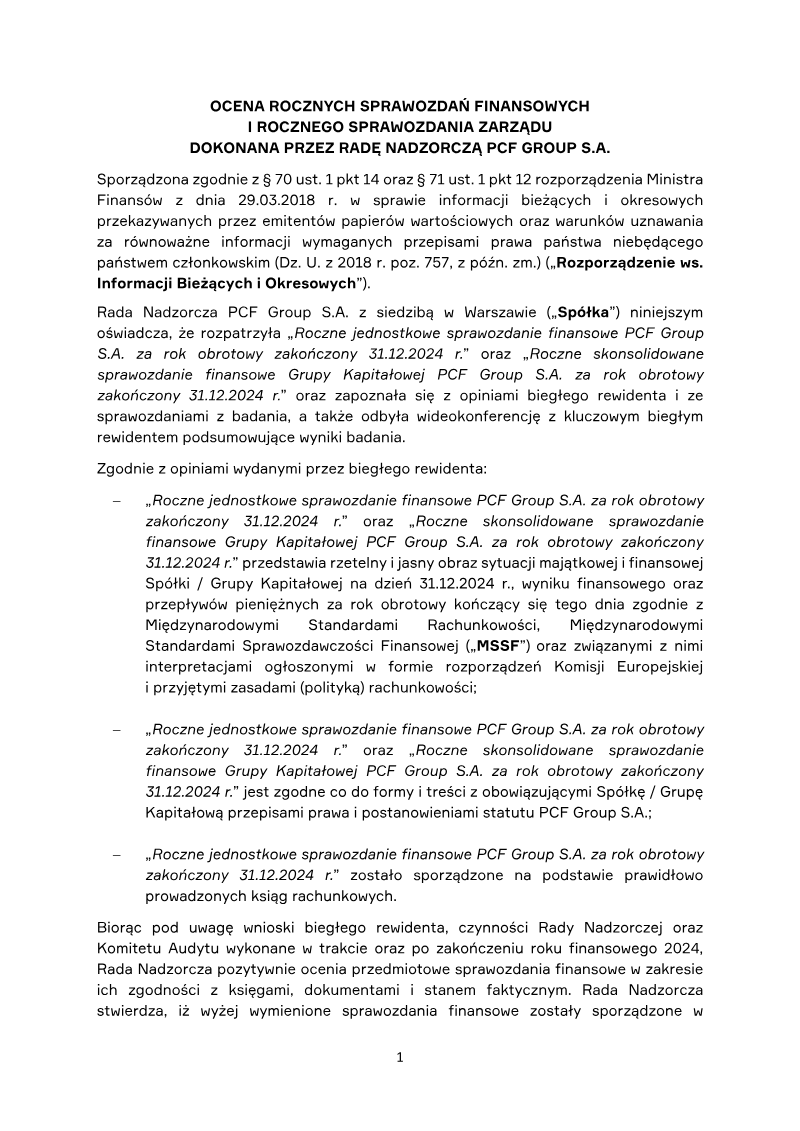
PCF Group · 2025
PCF Group · 2025