1 free read left. Create a free account for unlimited reading + AI research.
Create free accountWhitepaper DiGRA
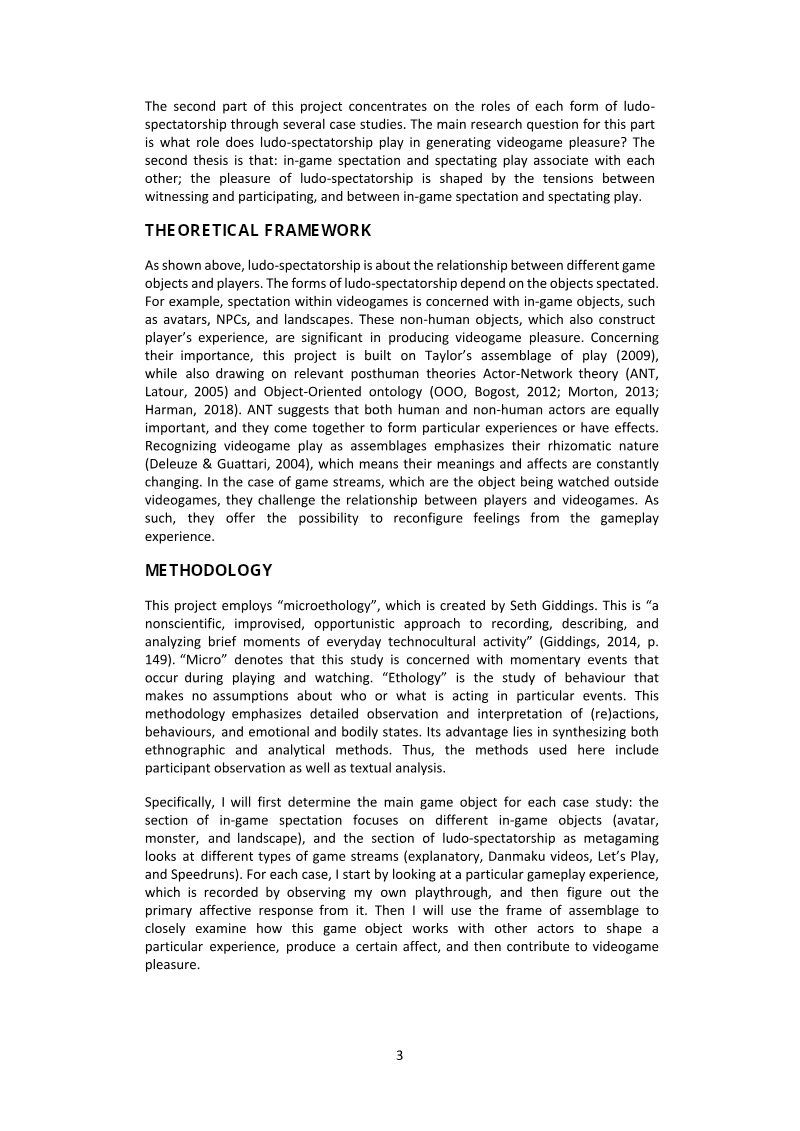
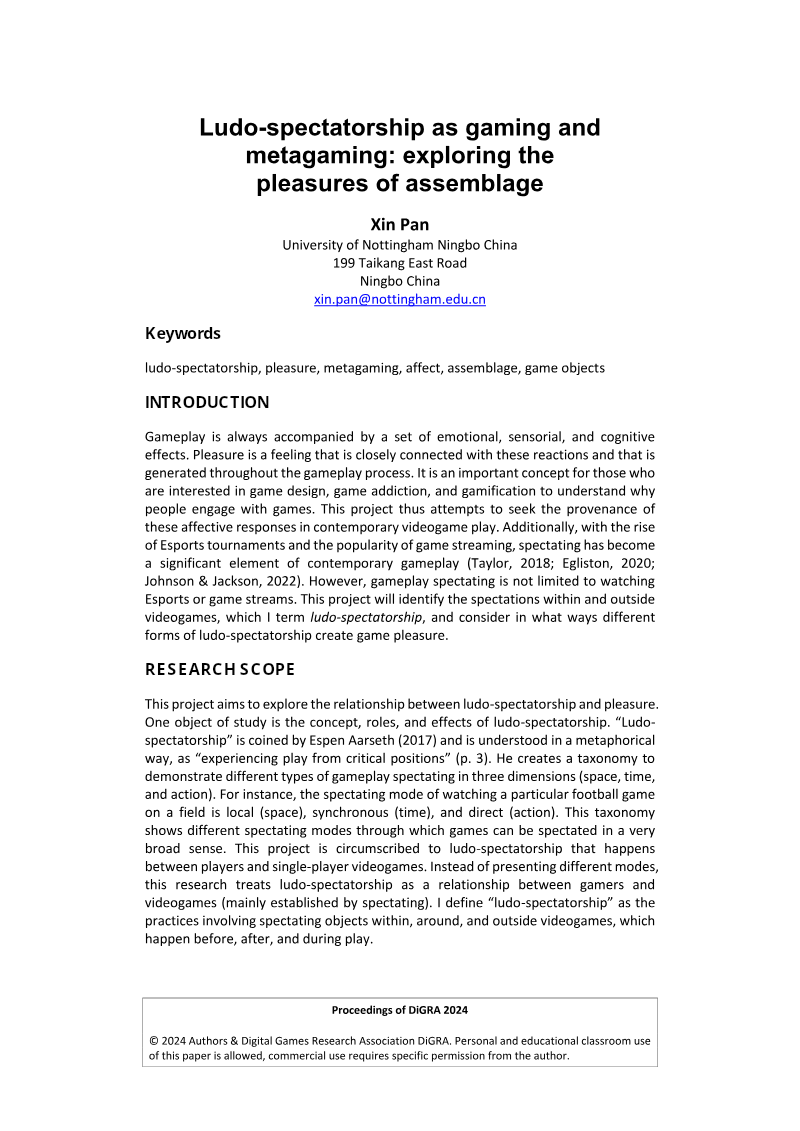
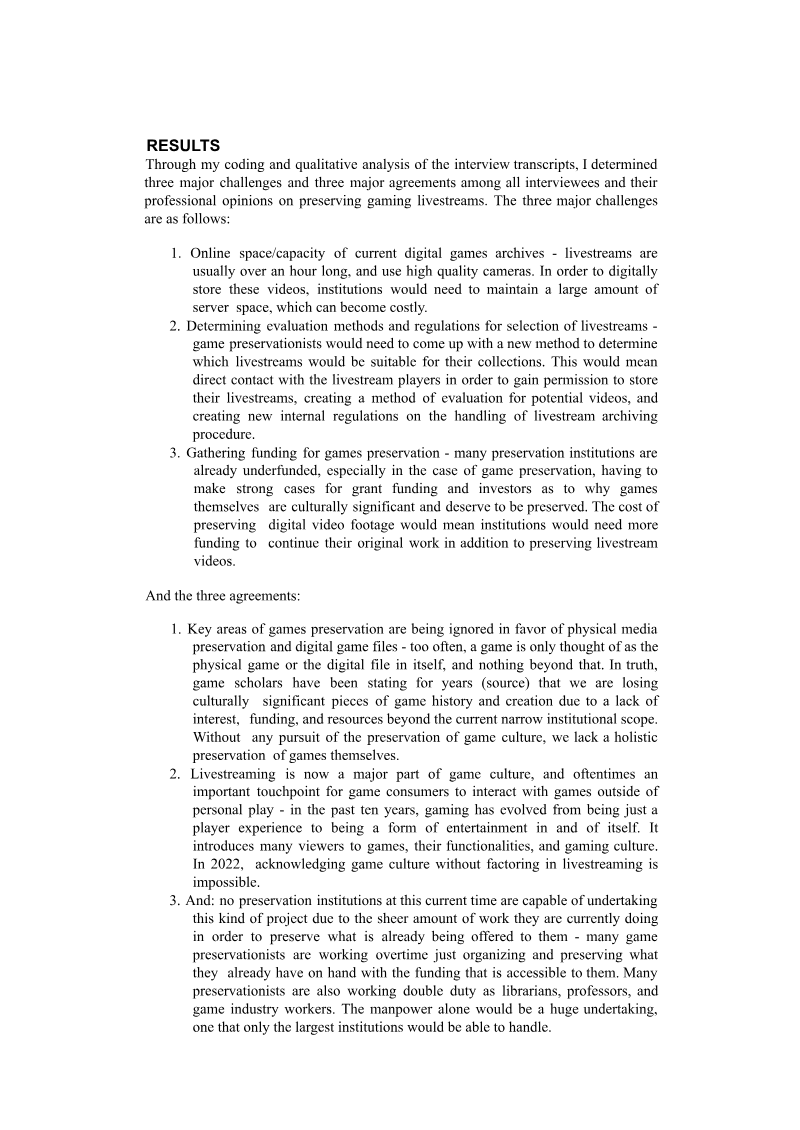
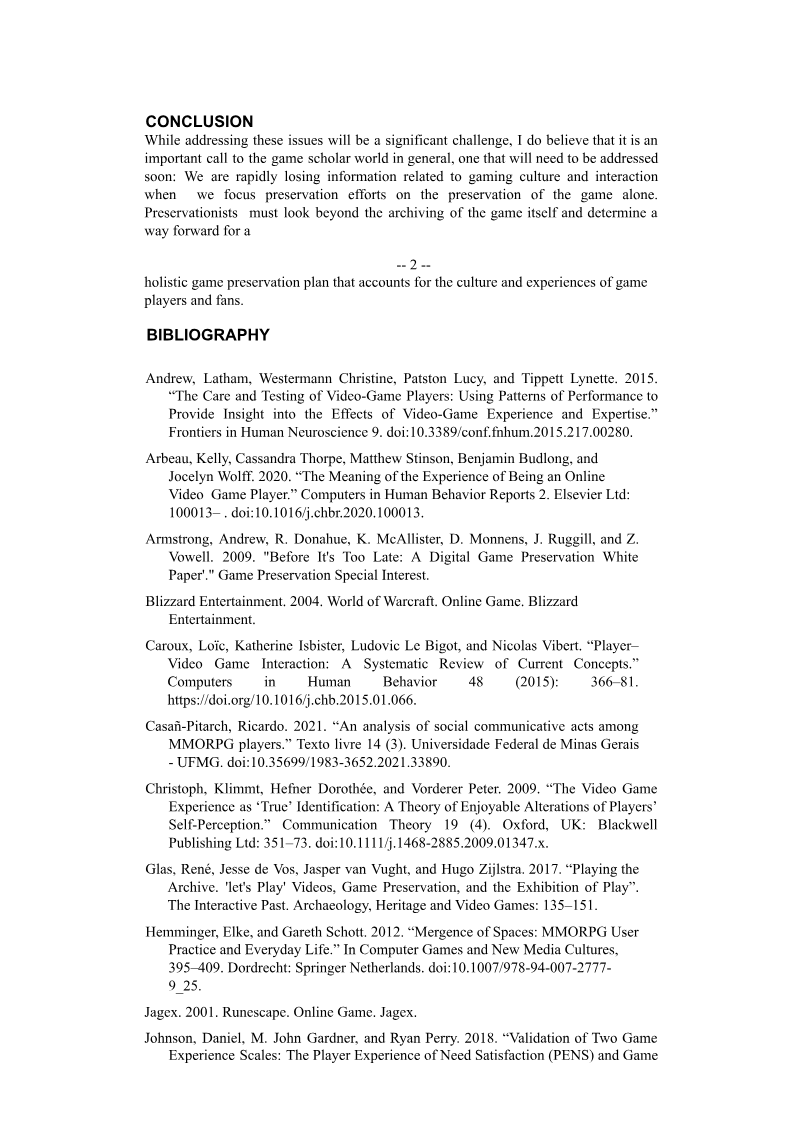
1 free read left. Create a free account for unlimited reading + AI research.
Create free accountWhitepaperDiGRA
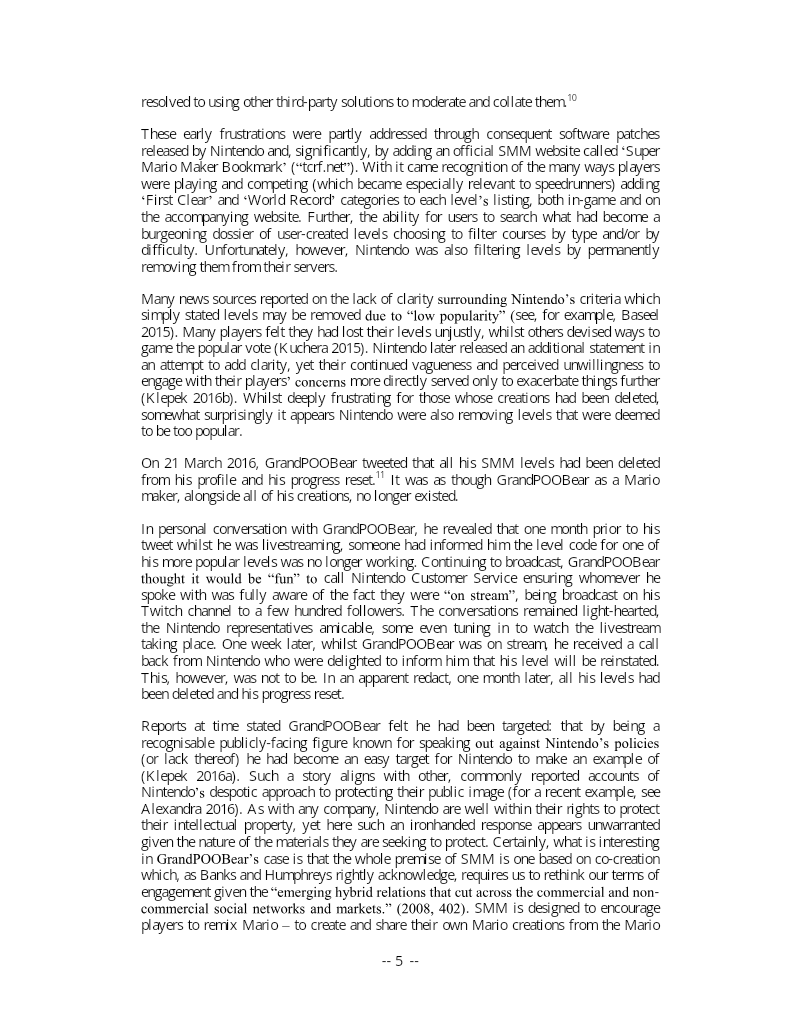
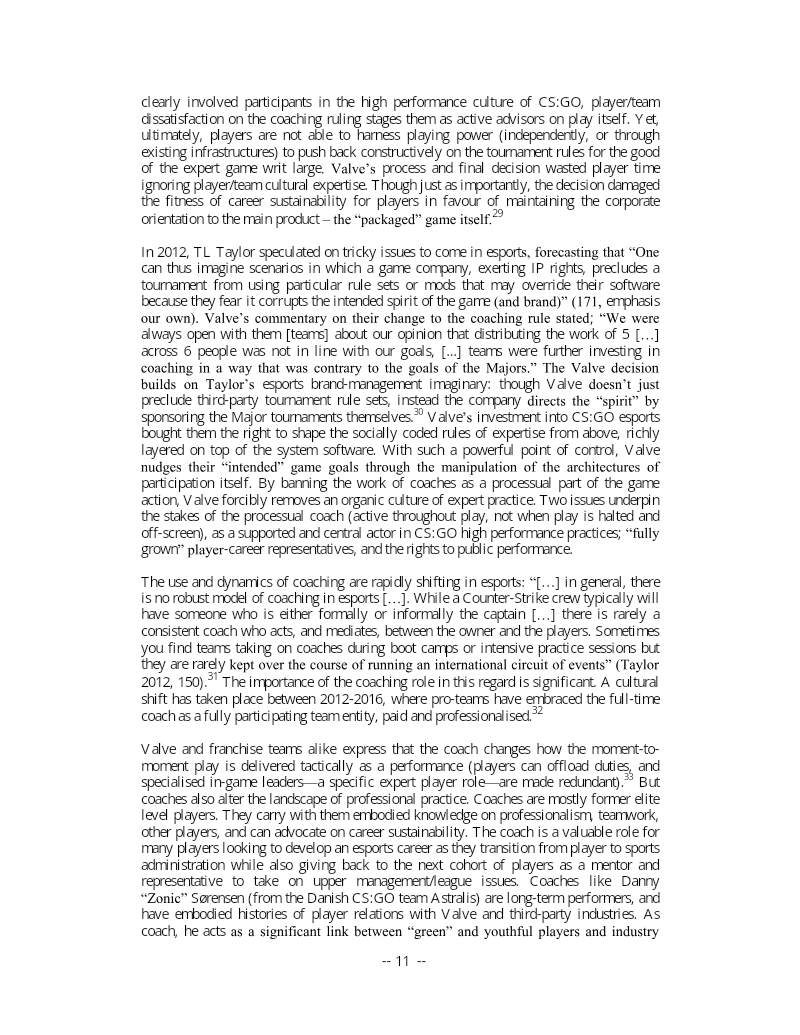
Super Mario Maker launched on the Wii U in September 2015. Nintendo reported 2.2 million player-created courses within the first month and 7.2 million within eight months.
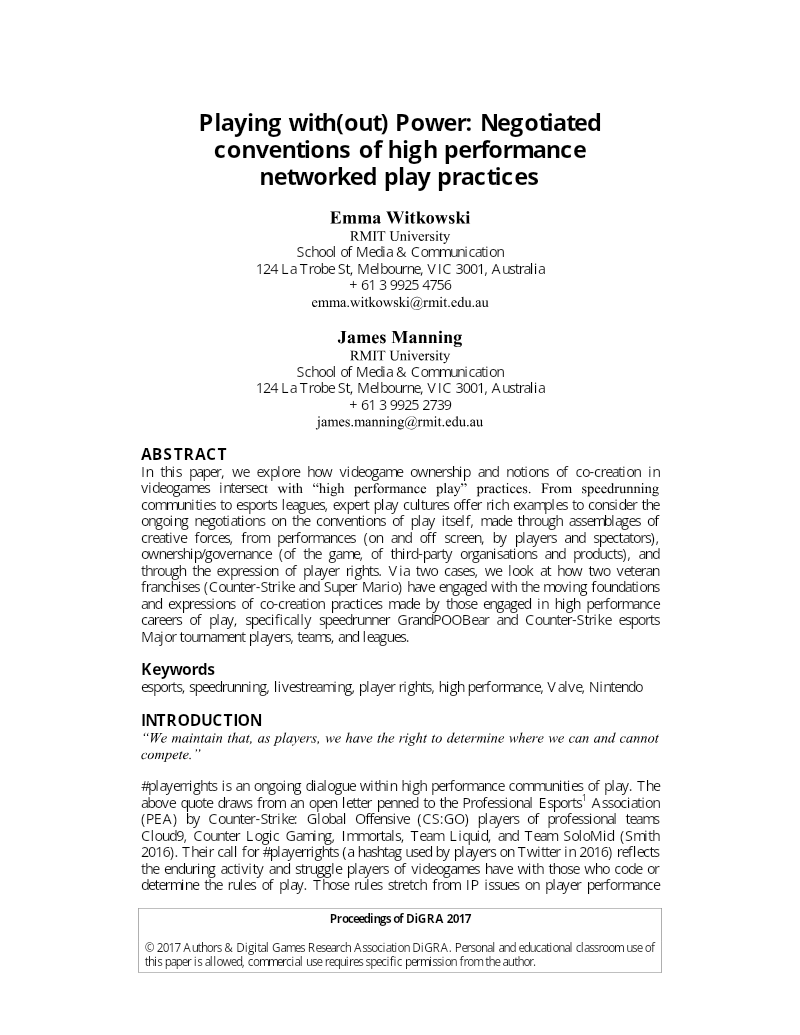
This paper examines livestreamed and player-produced gameplay of Super Mario Maker as a source of "incidental archives" of videogame play, using the game's rise and eventual decline as its case study. Its central argument is that while the enormous volume of high-performance content, such as speedruns and virtuosic feats, documents the technical affordances of the game, its prevalence risks obscuring the more autotelic, exploratory forms of play that Super Mario Maker encourages, producing a distorted historical record. The author frames this concern within the broader problem of preserving videogames whose networked, continually updated nature makes traditional software preservation and emulation inadequate, and argues for shifting attention from preserving games to preserving gameplay itself.
The paper's motivating context is the game's commercial trajectory. Super Mario Maker launched for the Wii U in September 2015, and Nintendo reported 2.2 million player-created courses within its first month and 7.2 million within eight months. Its successor, Super Mario Maker 2, appeared on the Switch in 2019, and Nintendo discontinued the upload features of the original in March 2021, while courses remained accessible at the time of writing. The author raises the question of what becomes of this large body of player-produced content once the service and hardware end their supported lives.
The argument proceeds in three parts. First, livestreaming is presented as a practice that preserves the shifting assemblage of play as it unfolds, which can be combined to chronicle how games evolve. Second, the paper contends that audience expectations and dominant cultural norms shape what gets performed and captured, so that streams are often curated for entertainment and personality rather than neutral documentation. Third, it argues that a "hegemony of play" marginalizes certain players, including those shaped by gendered and racial exclusion online, and favors competitive, agonistic styles over other forms of play. The paper concludes by identifying the struggles faced by players whose styles and goals fall outside dominant expectations.
Each row is a game or company this document names, each column a document, oldest first. A mark means that document names it. Select a row to see those documents.

DiGRA · 2026

DiGRA · 2026



DiGRA · 2026



DiGRA · 2026



DiGRA · 2026



DiGRA · 2026



DiGRA · 2026



DiGRA · 2026

DiGRA · 2026



DiGRA · 2026



DiGRA · 2026

DiGRA · 2026
DiGRA · 2023