Key insights
4 slides
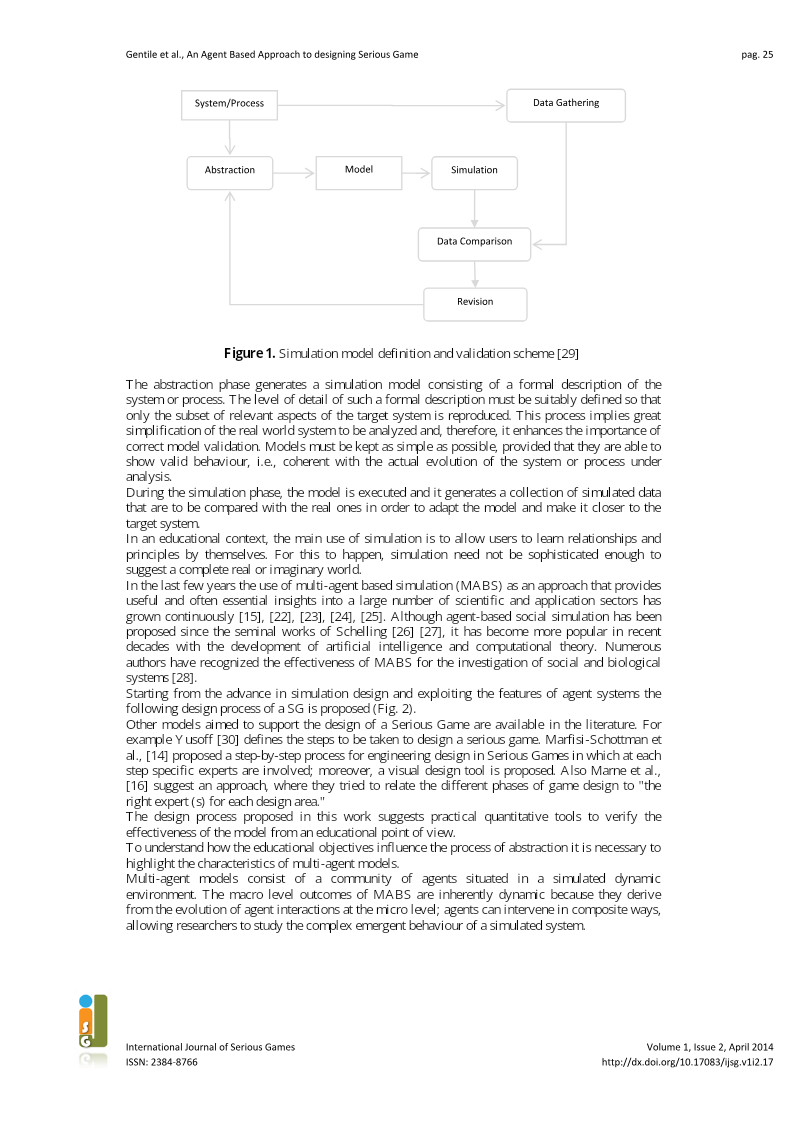
The solution
A new framework uses social practice theory to enable autonomous agent architectures.
This approach allows virtual characters to interpret context, manage expectations, and adapt conversational strategies dynamically.
It's like a seasoned doctor who instinctively knows how to talk to patients in different situations, rather than reading from a script.
New framework. Social practice theory provides a framework for autonomous agents to adapt conversations dynamically.
1 / 4
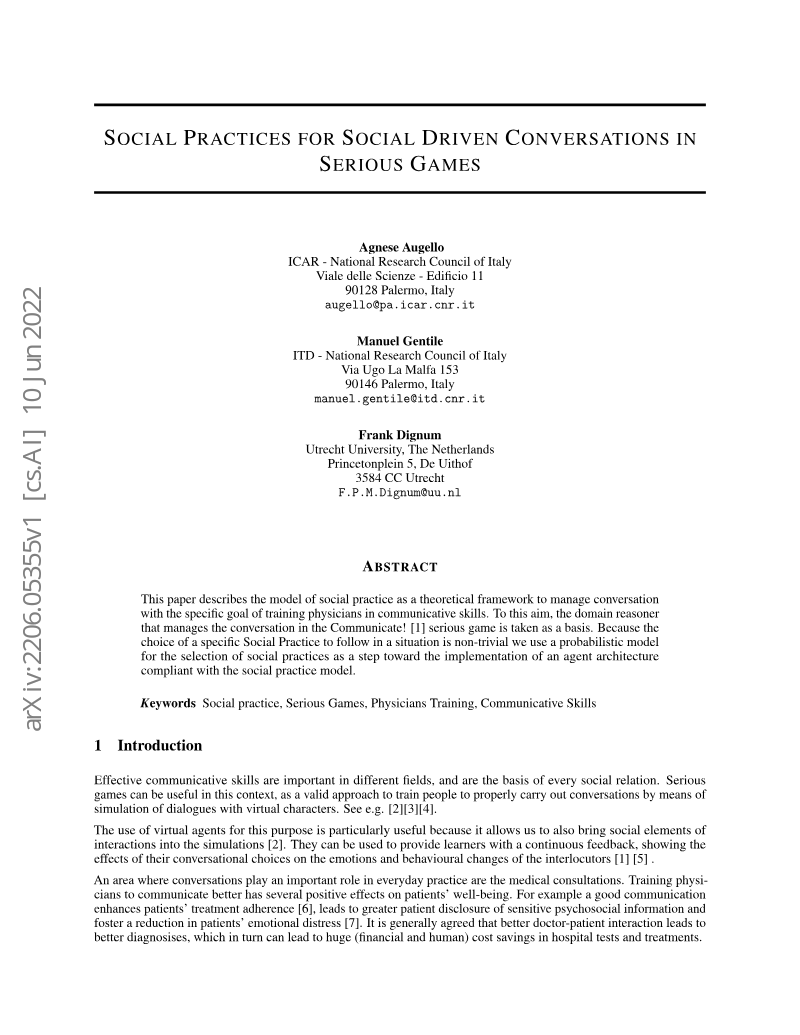
- 01A new framework for medical training simulations replaces rigid, script-based dialogue with autonomous agent architectures based on social practice theory.See it on page 1
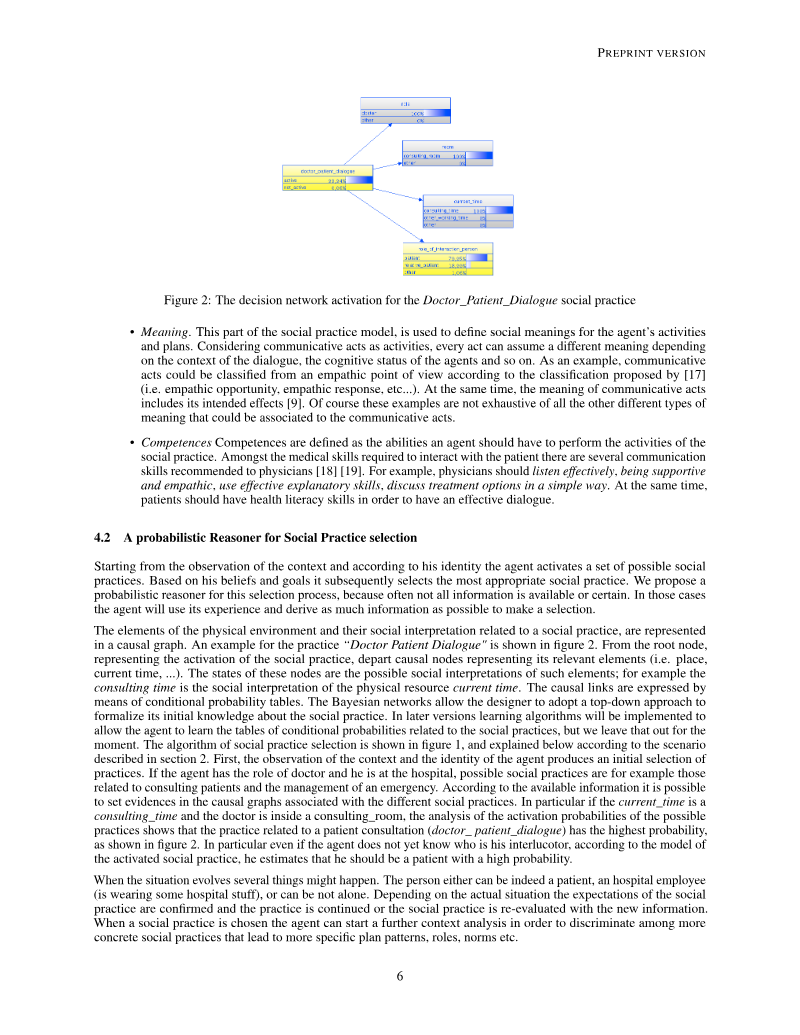
- 02The system utilizes Bayesian networks to process physical and social context cues—such as location, time, and participant roles—to dynamically select appropriate conversational strategies.See it on page 6
- 03By treating social context as a first-class construct, the model enables virtual characters to distinguish between scenarios like standard consultations and emergencies to handle conversational uncertainty.See it on page 2
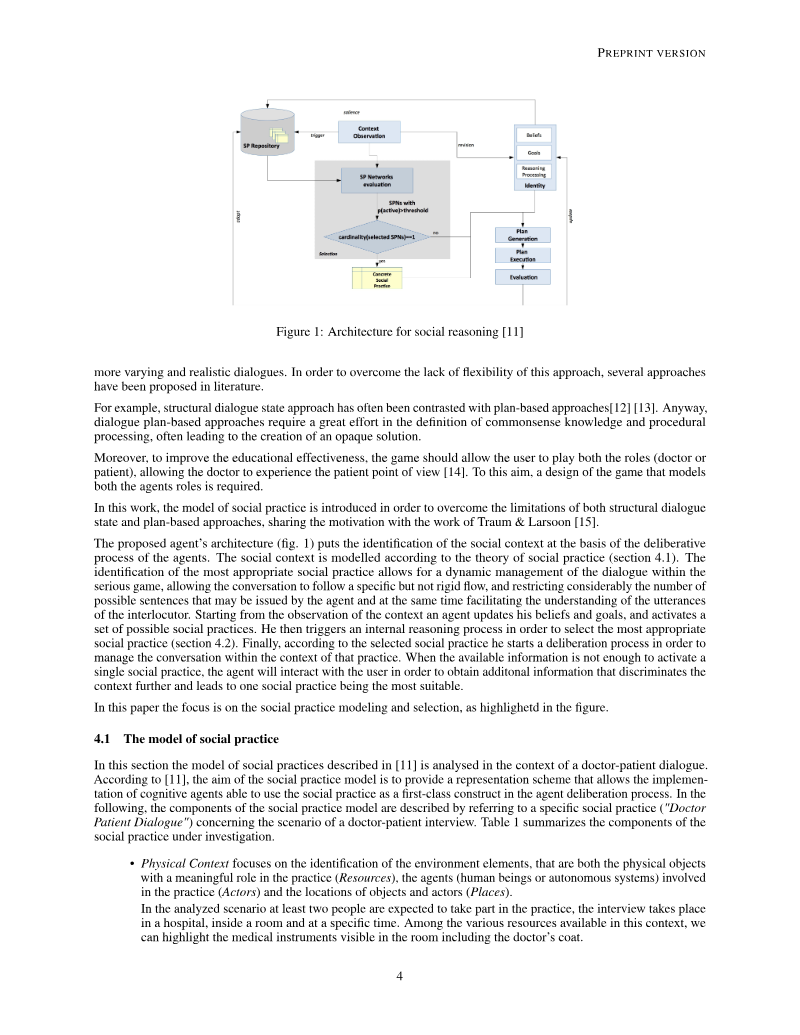
- 04The architecture incorporates four core components into the agent's deliberative process: physical context, social norms, activity protocols, and required professional competencies.See it on page 4
- 05This approach bridges the gap between static, scripted dialogue systems and complex, plan-based approaches to improve the realism of virtual medical education.See it on page 7
- 06Future development is focused on implementing full agent architectures capable of learning and adapting these probabilistic models to enhance educational efficacy.See it on page 7
Ask AI about this report
Summary
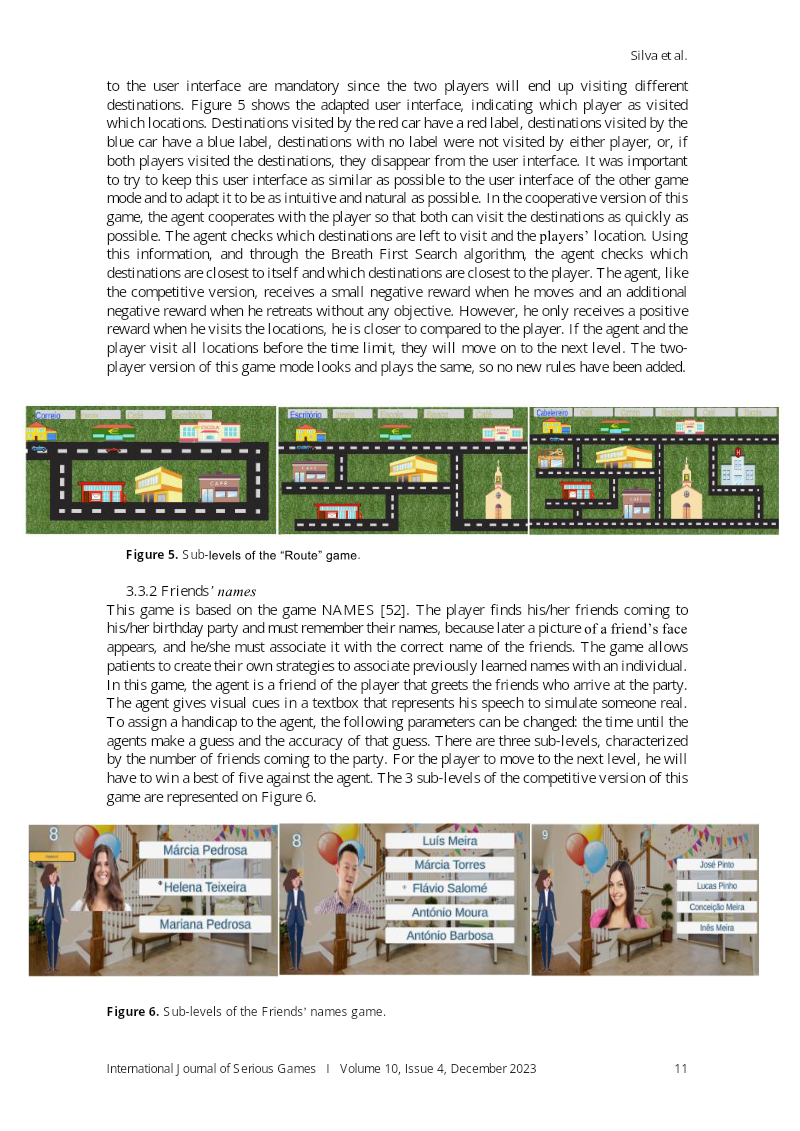
This analysis explores the integration of social practice theory into serious games designed to train physicians in communicative skills. The primary objective is to move beyond the rigid, script-based dialogue management found in existing medical training simulations, such as the Communicate! project, toward a more flexible and autonomous agent architecture. By utilizing social practices—defined as habitual, socially situated behaviors—the framework enables virtual characters to interpret context, manage expectations, and adapt their conversational strategies dynamically based on the evolving social environment.
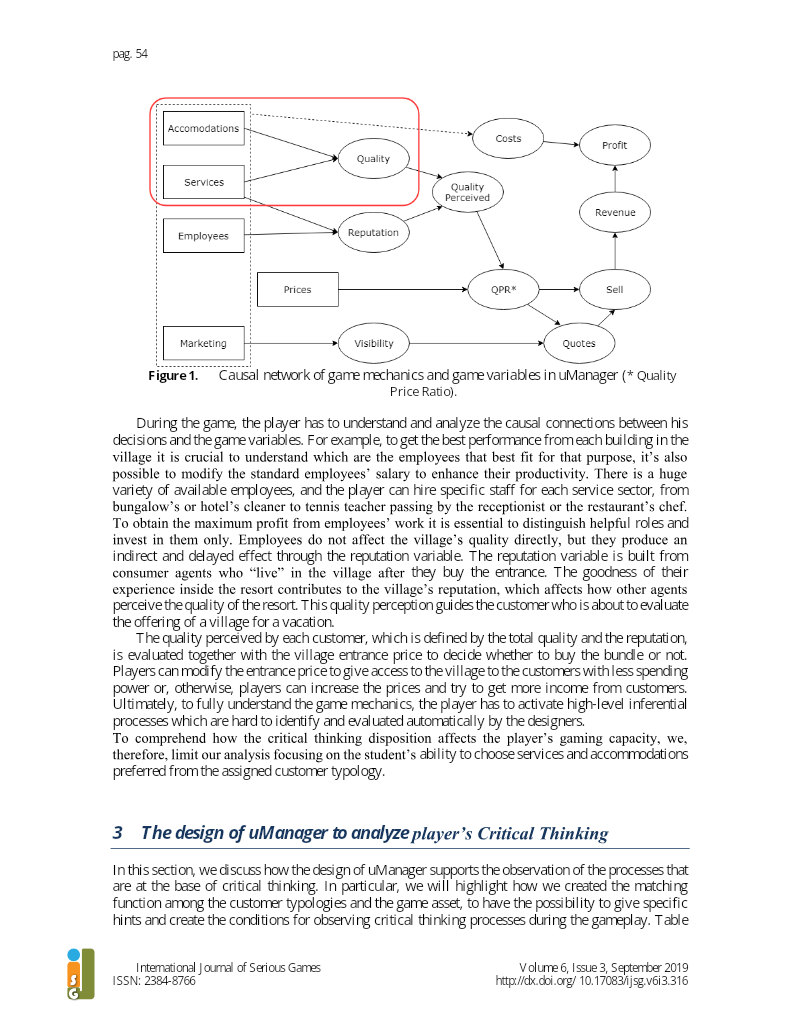
The proposed methodology centers on a probabilistic model for selecting social practices. The architecture utilizes Bayesian networks to process physical and social context cues, such as location, time, and participant roles, to determine the most appropriate social practice to activate. This approach allows agents to handle uncertainty by evaluating the probability of various scenarios, such as distinguishing between a standard patient consultation and an emergency, thereby enabling more natural and responsive interactions. The model incorporates key components of social practice, including physical context, social norms, activity protocols, and required competencies, which collectively inform the agent’s deliberative process.
The research concludes that social practices provide a robust theoretical framework for enhancing the realism of virtual interactions in medical education. By treating social context as a first-class construct, the model allows for flexible, goal-oriented dialogues that remain grounded in professional standards. While the current focus is on the modeling and selection of these practices, the findings suggest that this architecture effectively bridges the gap between static, scripted dialogue systems and complex, plan-based approaches. Future development aims to implement full agent architectures that can learn and adapt these probabilistic models to further improve the educational efficacy of medical communication training.