More from Delft University of Technology
View all
Whitepaper
Stimulating Ideation in New Teams with the Mobile Game Grapplenauts
Delft University of Technology · 2019
Whitepaper
Uncovering Seams in Distributed Play of Tabletop Role-Playing Games
Centrum Wiskunde & Informatica · 2019
Whitepaper
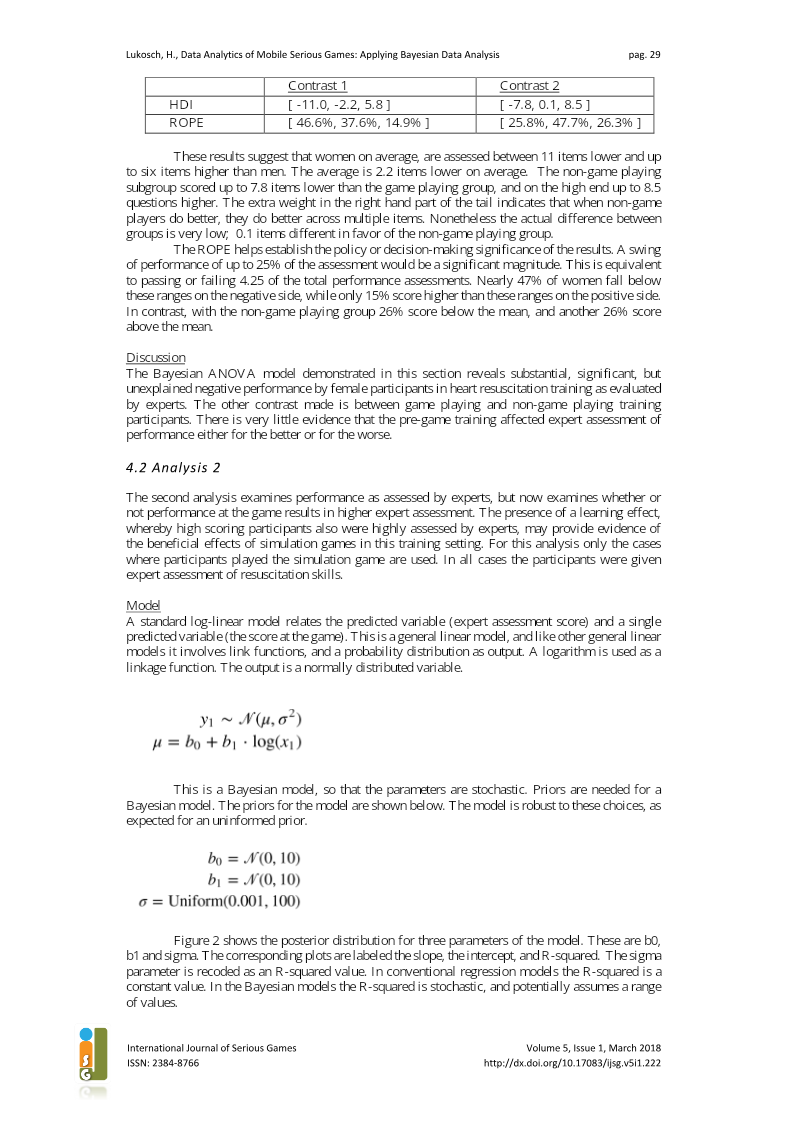
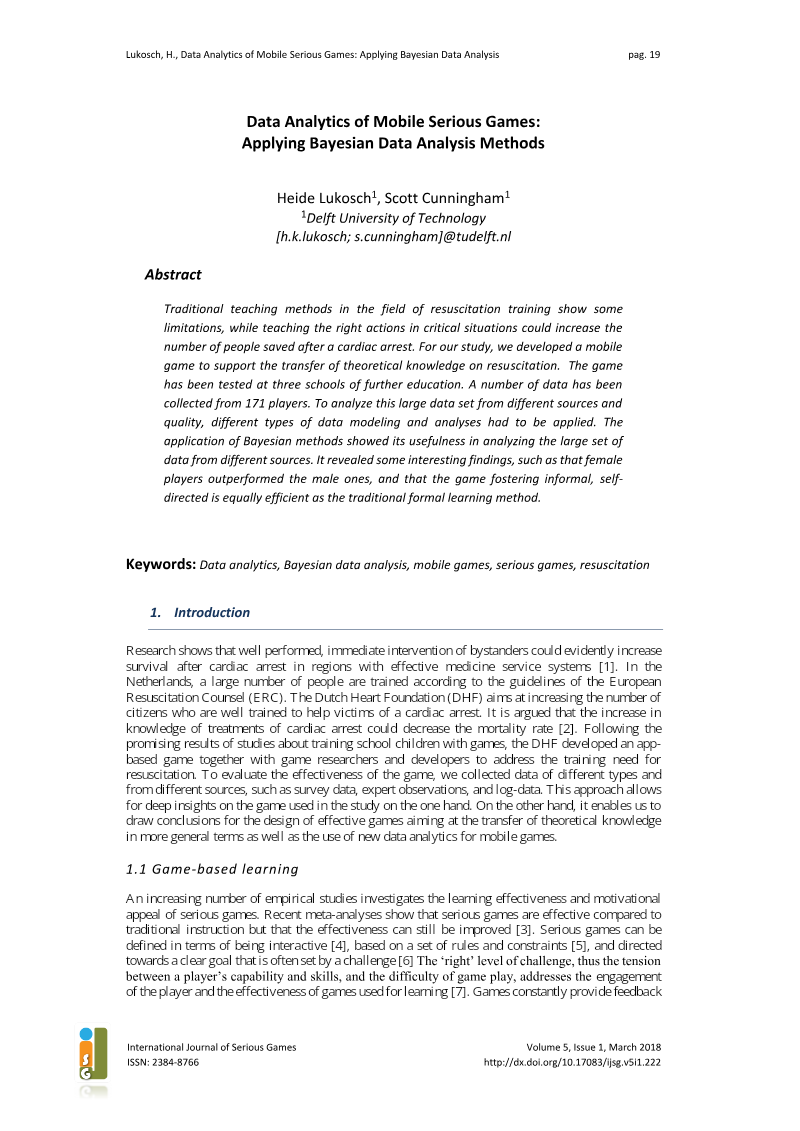
Data Analytics of Mobile Serious Games: Applying Bayesian Data Analysis Methods
International Journal of Serious Games · 2018
Whitepaper
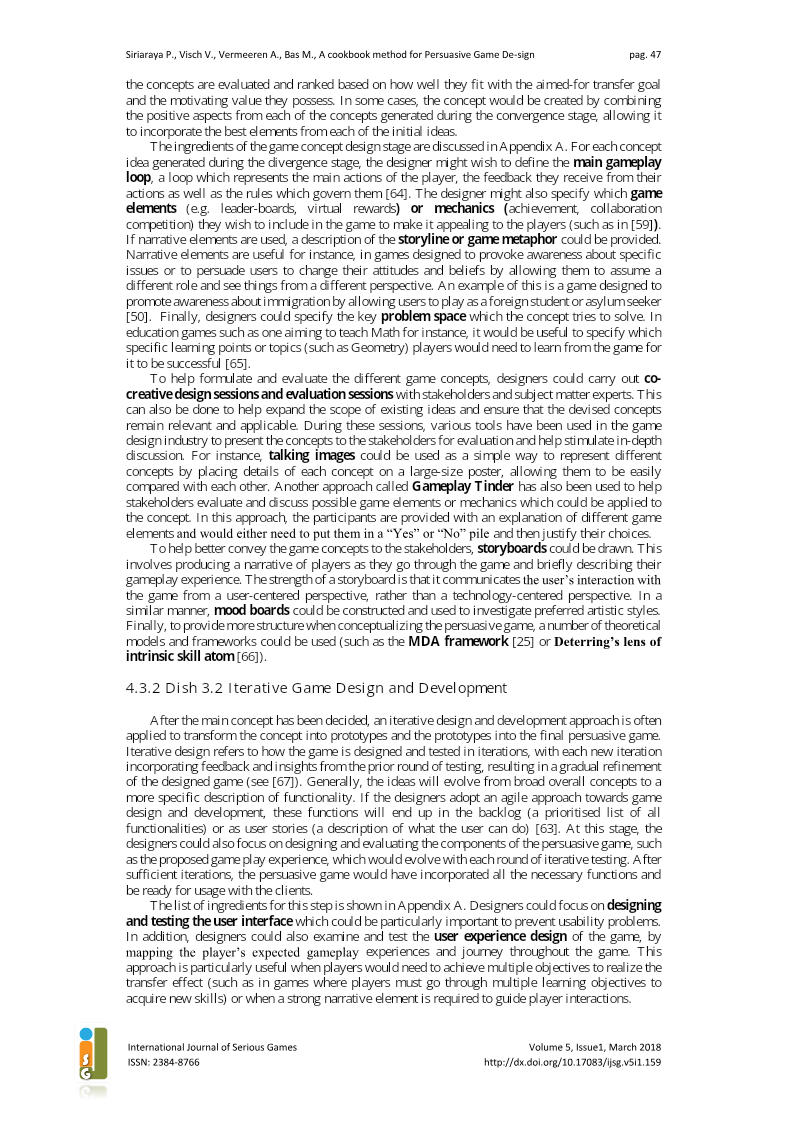
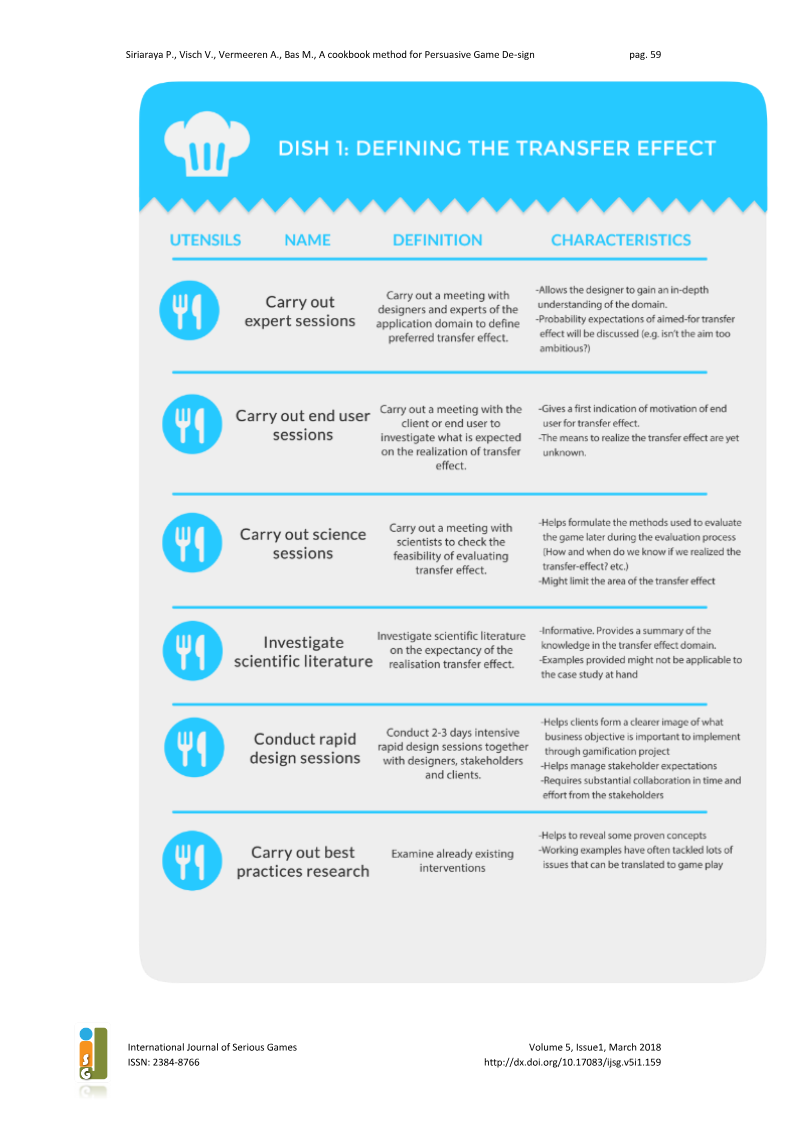
A Cookbook Method for Persuasive Game Design
Delft University of Technology · 2018
Whitepaper
Ecologically Sound Procedural Generation of Natural Environments
Hindawi · 2017
Whitepaper
Player Experiences and Behaviors in a Multiplayer Game: Designing Game Rules to Change Interdependent Behavior
International Journal of Serious Games · 2016
Whitepaper
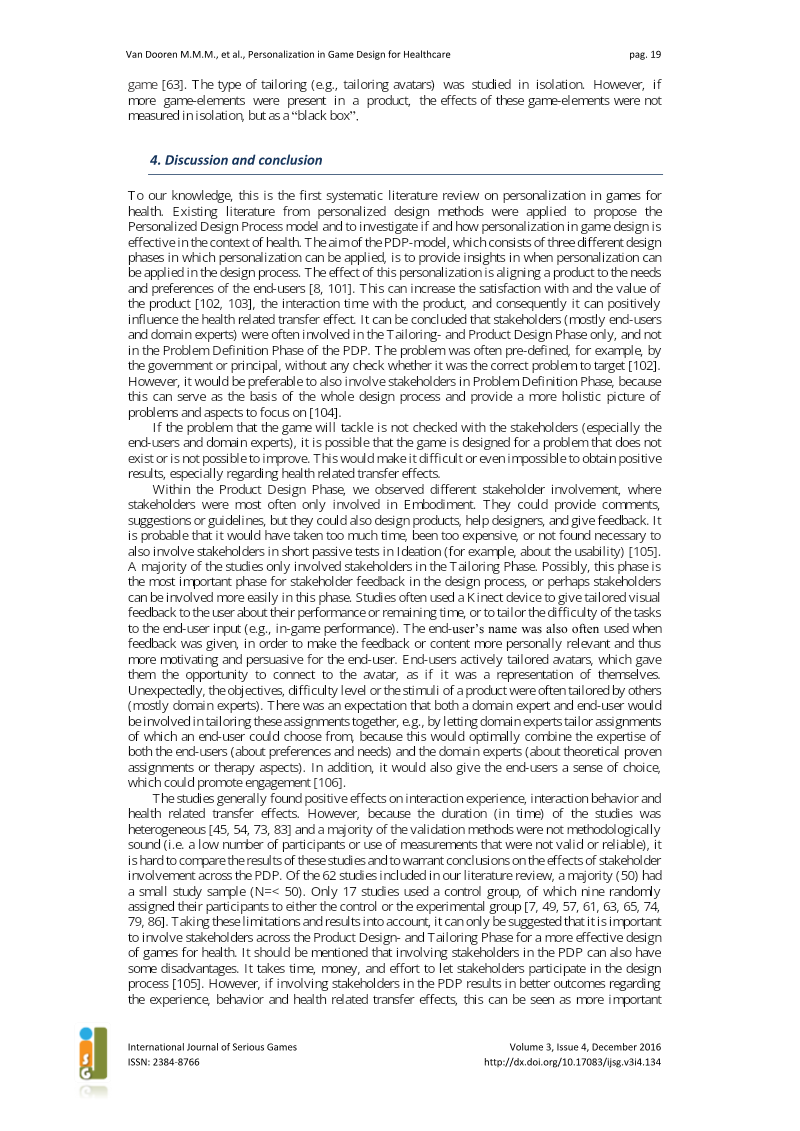
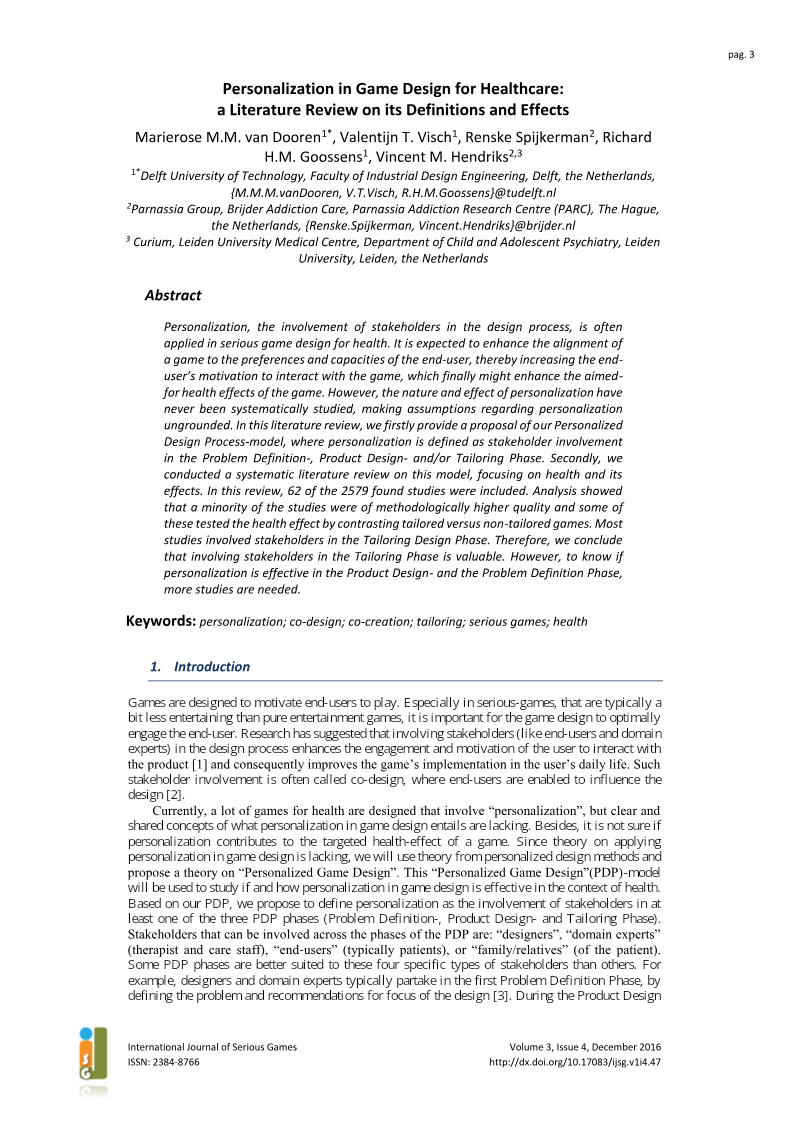
Personalization in Game Design for Healthcare: A Literature Review on its Definitions and Effects
International Journal of Serious Games · 2016
Whitepaper
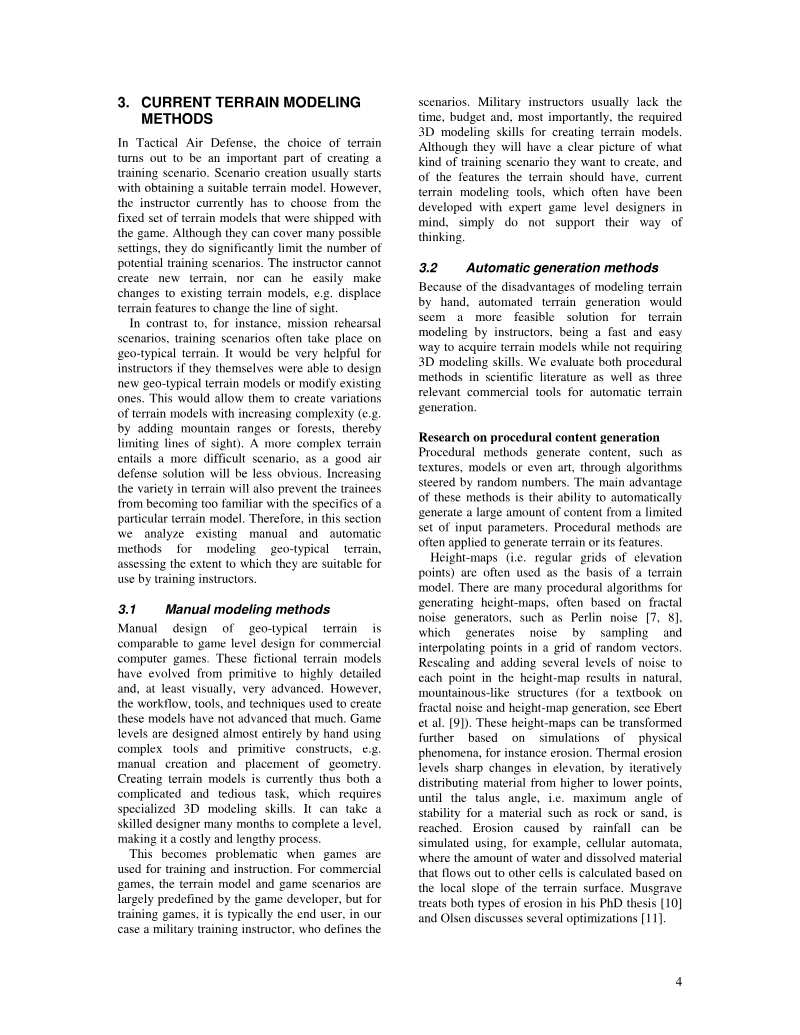
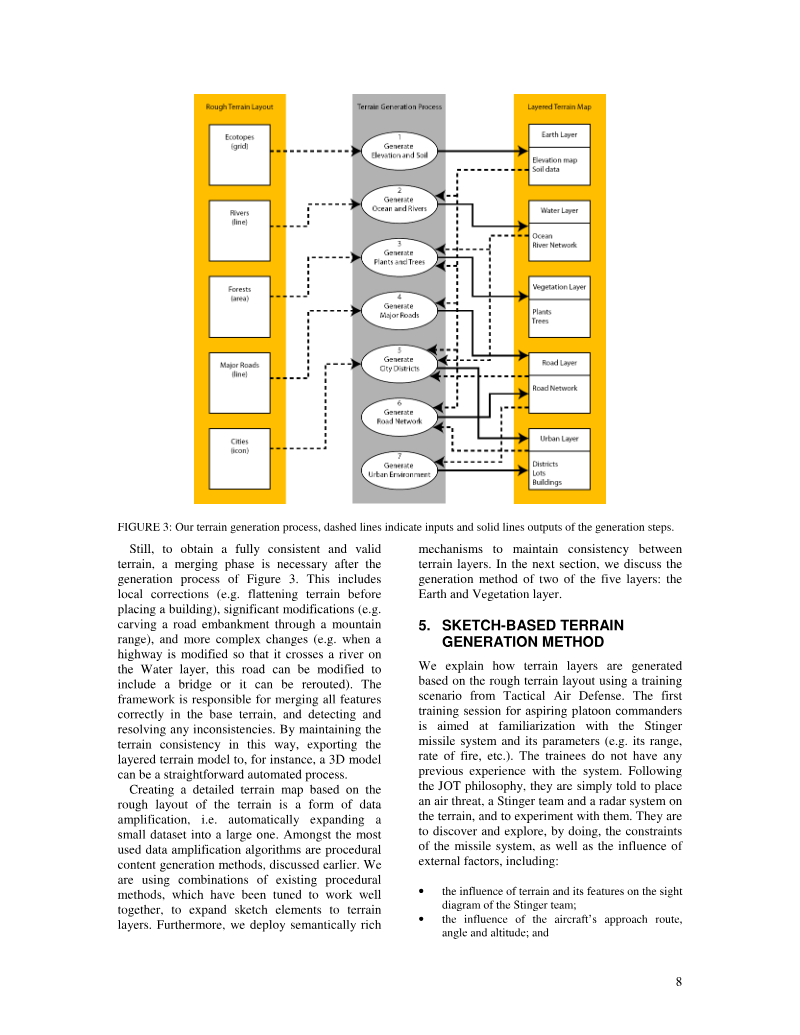
Declarative Terrain Modeling for Military Training Games
TNO Defence · 2010