1 free read left. Create a free account for unlimited reading + AI research.
Create free accountFinancial report Sega Sammy Holdings
1 free read left. Create a free account for unlimited reading + AI research.
Create free accountFinancial reportSega Sammy Holdings
SEGA SAMMY faced a period of significant financial contraction during the fiscal year ending March 31, 2015, recording a net loss of ¥11.2 billion alongside a 6% decline in net sales to ¥354.9 billion. This downturn was largely attributed to a challenging market environment for traditional pachislot and packaged game segments, compounded by substantial extraordinary losses incurred during a comprehensive structural reform process. Despite these fiscal pressures, the organization maintained a stable financial foundation, reporting total assets of ¥528.8 billion and a robust equity ratio of 60.0%.
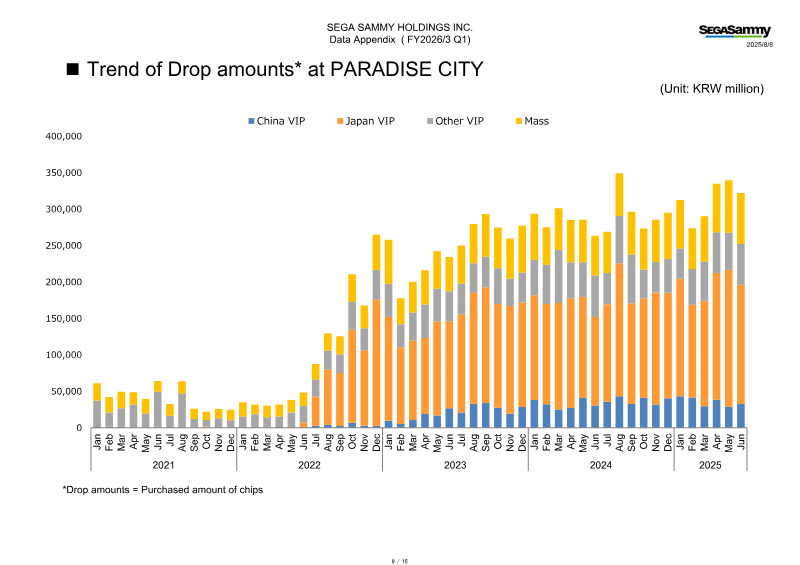
To restore profitability, the company underwent a major organizational restructuring, consolidating operations into three core segments—entertainment, digital games, and resorts—while establishing SEGA Holdings and SEGA Interactive to improve operational agility. These reforms, which included targeted personnel reductions, are projected to generate ¥6 billion in fixed cost savings. Management is now pivoting toward a growth strategy centered on digital gaming, which has already achieved a milestone of over 200 million total downloads, and long-term capital investment in integrated resort development, exemplified by the PARADISE CITY project in South Korea.
Looking toward the fiscal year ending March 31, 2016, the company anticipates a strong recovery, forecasting net sales of ¥420 billion and a return to profitability with a projected net income of ¥19 billion. This optimistic outlook is supported by a diversified portfolio that includes the expansion of KidsBee family entertainment centers, the continued deployment of the Noah Pass marketing tool, and international growth initiatives such as the launch of casino machinery in Macau. By leveraging its established intellectual property and streamlining its business model, the group aims to transition from its recent period of structural adjustment toward sustainable, long-term performance.
Each row is a game or company this document names, each column a document, oldest first. A mark means that document names it. Select a row to see those documents.
Sega Sammy Holdings · 2026


Sega Sammy Holdings · 2026


Sega Sammy Holdings · 2026


Sega Sammy Holdings · 2026


Sega Sammy Holdings · 2026


Sega Sammy Holdings · 2026


Sega Sammy Holdings · 2026
Sega Sammy Holdings · 2025
Sega Sammy Holdings · 2025


Sega Sammy Holdings · 2025
Sega Sammy Holdings · 2025
Sega Sammy Holdings · 2025
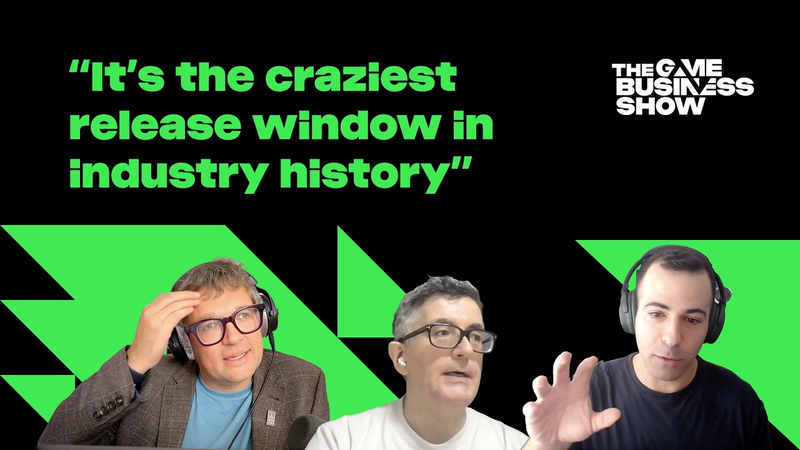
The Game Business · 2026