ReportPCF Group
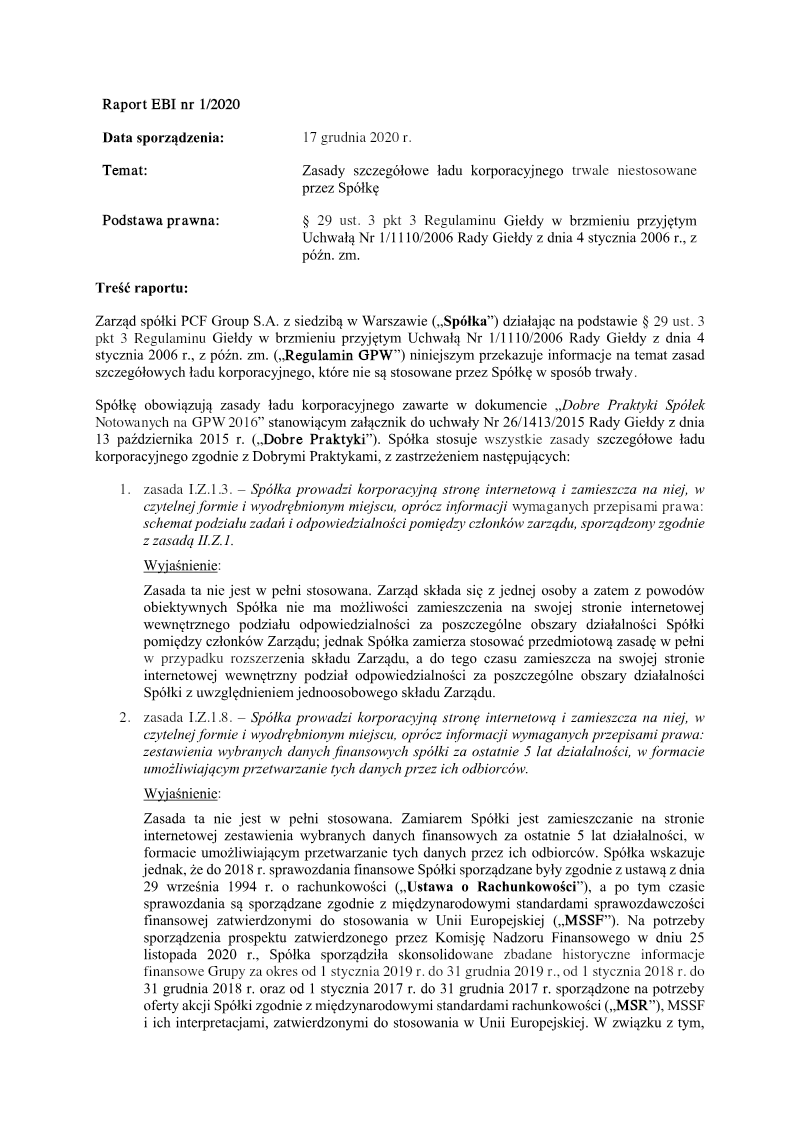
Raport EBI nr 1/2020: Zasady Szczegółowe Ładu Korporacyjnego Trwale Niestosowane
5 pages~12 min full read
The report outlines PCF Group S.A.’s compliance with detailed corporate governance principles required by the Warsaw Stock Exchange regulations. It confirms that the company adheres to all “Good Practices” for listed companies, except where specific circumstances prevent full implementation. The governance framework is evaluated against seven key principles covering board responsibilities, risk management, audit independence, shareholder communication, and conflict‑of‑interest policies.
Key findings reveal that the single‑member board limits the ability to publish a detailed internal division of responsibilities and risk‑management oversight, though the company intends to adopt these practices if the board expands. Financial transparency is partially met; the firm plans to provide five‑year financial summaries in a machine‑readable format, noting that earlier reports were prepared under national accounting standards and recent ones under IFRS. A formal diversity policy is absent, with recruitment based solely on qualifications and experience rather than demographic criteria.
Shareholder engagement practices are largely compliant, with real‑time webcast provision for registered participants and a commitment to publish meeting recordings if demand arises. The company does not maintain a separate internal audit function but relies on an Audit Committee that meets independence criteria. Conflict‑of‑interest procedures are acknowledged in statutes, though detailed internal guidelines remain undeveloped.
The report covers the Polish market, focusing on PCF Group’s operations in 2020. Methodology is descriptive, based on board disclosures and regulatory requirements rather than external sampling. Overall, the company demonstrates a largely compliant governance posture while identifying areas for future enhancement as its board structure and operational scope evolve.
PCF Group · 2026
PCF Group · 2026
PCF Group · 2026
PCF Group · 2026
PCF Group · 2025
PCF Group · 2025
PCF Group · 2025
PCF Group · 2025
PCF Group · 2025
PCF Group · 2025
PCF Group · 2025
PCF Group · 2025
Modern Times Group · 2026
Nacon · 2026
PlayWay · 2026
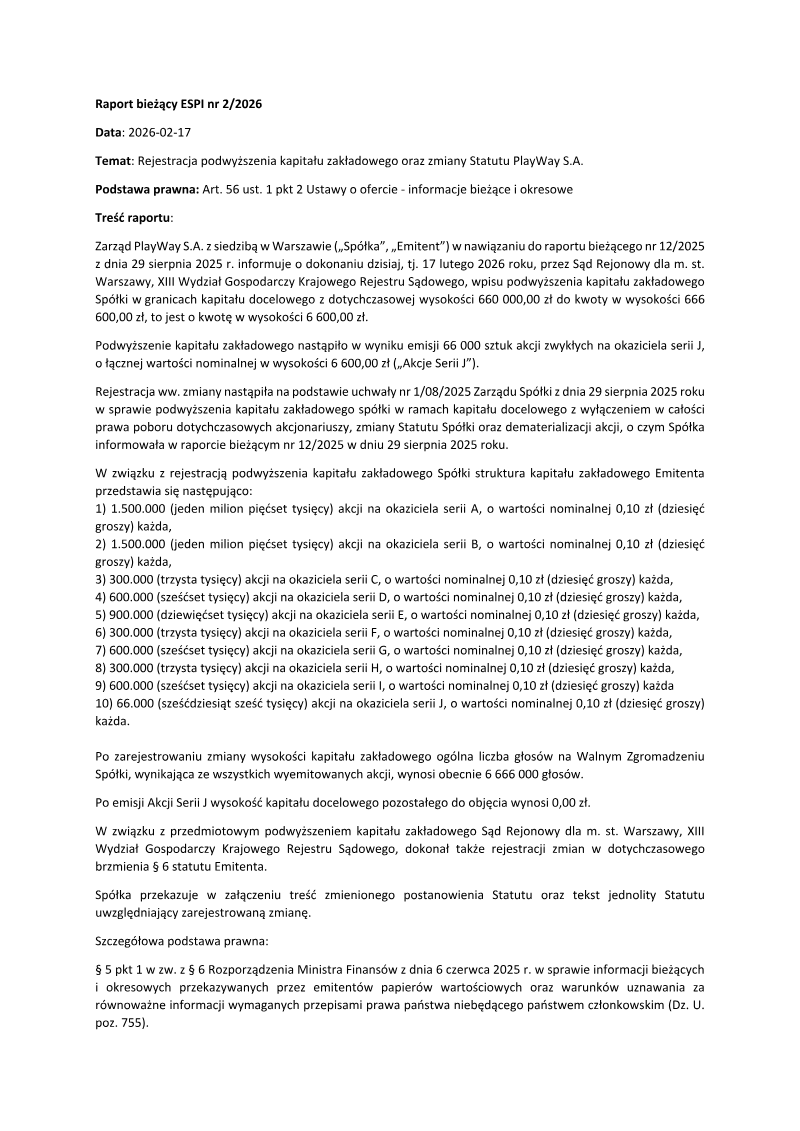
PlayWay · 2026

Stillfront Group · 2026
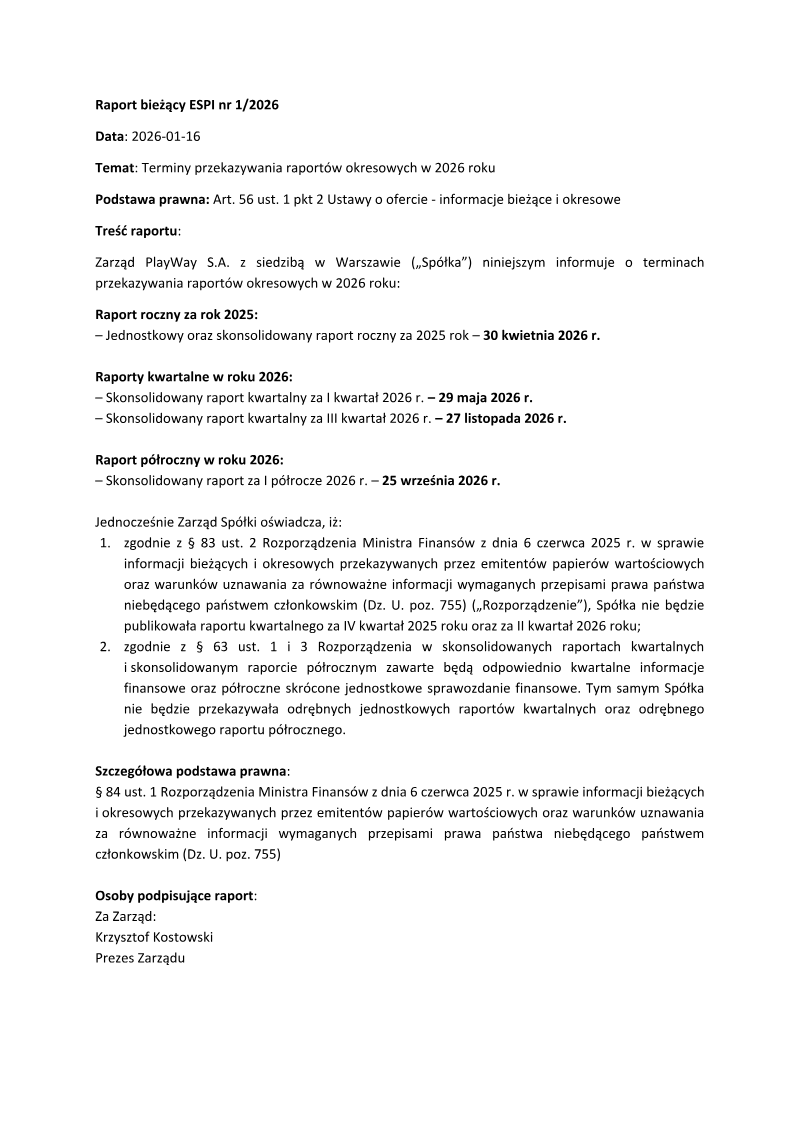
PlayWay · 2026
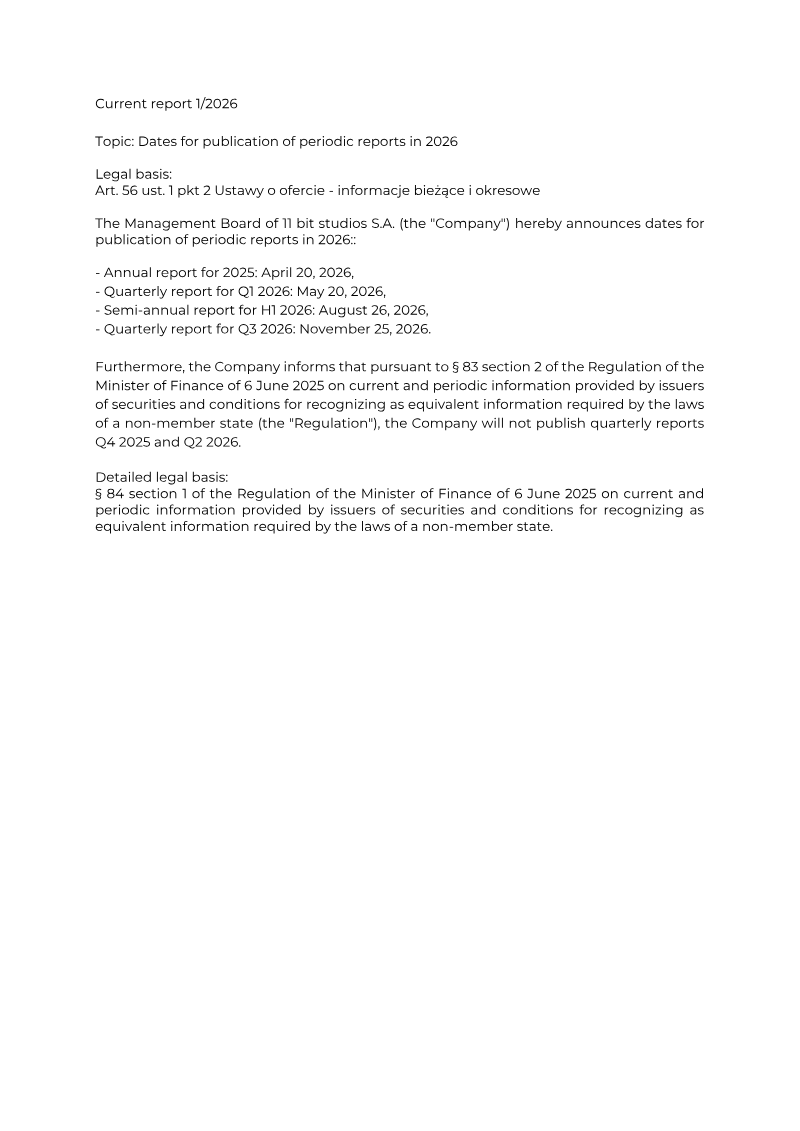
11 bit studios · 2026
11 bit studios · 2025
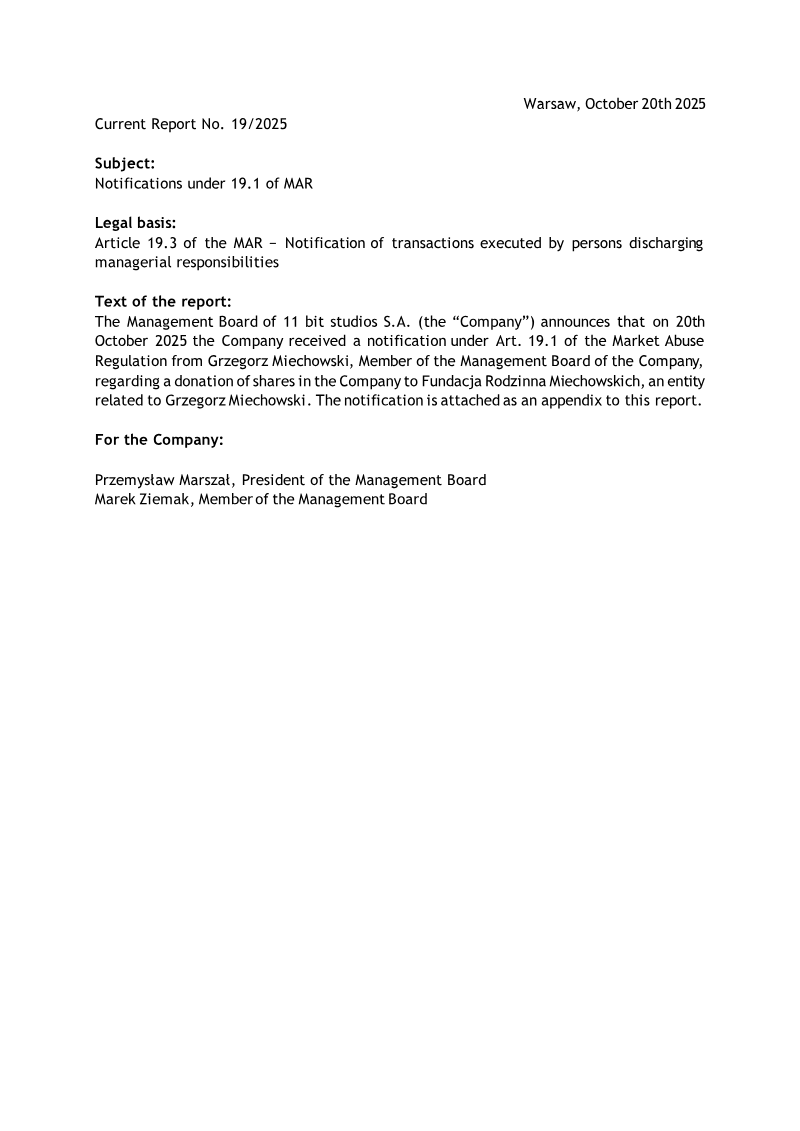
11 bit studios · 2025