The volume of digital content has exploded from 296 total Nintendo 64 releases over five years to over 19,000 new game releases on Steam annually.
A 33-year-old reading 50 books per year has only 2,500 books left to consume in their lifetime, illustrating the mathematical scarcity of time.
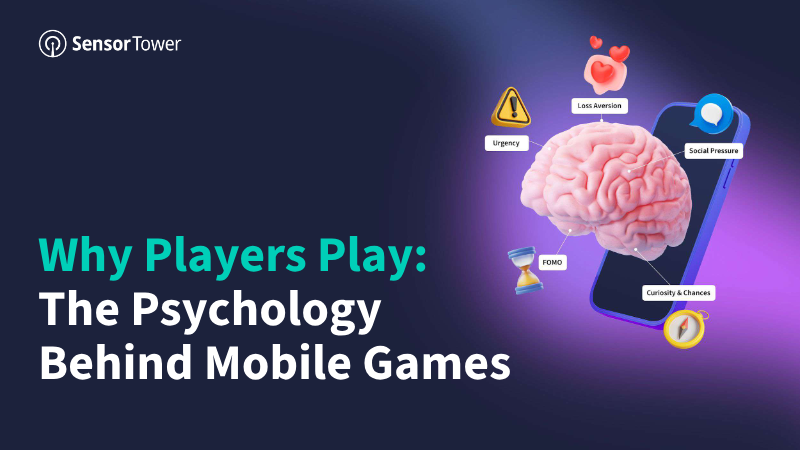
Average smartphone users now spend four hours daily on mobile devices, subjecting the brain to constant, passive algorithmic stimulation.
The modern digital landscape has shifted from a manageable era of content discovery to an overwhelming state of information deluge.
To combat the infinite scroll, individuals must exercise agency by intentionally ignoring the majority of internet offerings to focus on high-value, niche experiences.
Prioritizing deep engagement with specific interests, such as indie games or historical research, is a more effective strategy than attempting to clear impossible backlogs of media.
The central thesis of this analysis is that the modern digital landscape has created an unprecedented "information deluge" that necessitates a more disciplined and intentional approach to personal attention. By calculating a finite remaining lifespan based on United Nations life expectancy data, the author argues that individuals must confront the mathematical reality of their limited time. For a 33-year-old reading 50 books annually, only 2,500 books remain, a figure that serves as a metaphor for the scarcity of time across all forms of media and life experiences.
The scope of the discussion covers the evolution of the entertainment industry, specifically focusing on the transition from the manageable content libraries of the late 1990s to the overwhelming volume of the present day. For example, the Nintendo 64 saw only 296 releases in the US over five years, whereas Steam now hosts over 19,000 new game releases annually. This explosion of content, combined with the average smartphone user spending four hours a day on mobile devices, has shifted the consumer experience from one of discovery to one of constant, passive "DDoS" attacks on the human brain by algorithms and feeds.
The conclusion emphasizes the necessity of exercising agency to avoid being drowned by the infinite scroll of digital platforms. Rather than attempting to keep up with every cultural trend or clearing an impossible backlog of podcasts and games, the author advocates for a "New Year's Resolution" of deep reading and focused engagement with niche interests. The analysis suggests that true value is found by intentionally closing oneself off from the majority of internet offerings to prioritize specific, high-value experiences like indie games or historical research.