1 free read left. Create a free account for unlimited reading + AI research.
Create free accountWhitepaper DiGRA
1 free read left. Create a free account for unlimited reading + AI research.
Create free accountWhitepaperDiGRA
It argues that game networks actively pressure players to log in and stay engaged.
This paper challenges the prevailing psychological explanations of "game addiction" in online multiplayer games by proposing a sociological account centered on what the authors call socio-technical pressure. Rather than attributing excessive play to individual traits such as social anxiety, low self-esteem, or weak social networks, the authors argue that game-related networks actively pressure players to log in and remain engaged, and that game design reinforces this pressure by engineering the sociality of play. The central research question asks how game communities exert social control over individual players and what role game design plays in that process.
The study is qualitative and empirical, based on interviews with 21 self-identified "heavy" gamers in Flanders and the Netherlands, defined as those playing more than seven hours per week, aged 19 to 33. Respondents reported neglecting study and/or relationships with family and friends. From these interviews the authors derive a typology of three socio-technical mechanisms arranged on a continuum: persuasion among friends, which involves repeated requests to play together and is especially prominent in games requiring specific group sizes or divisions of labor; obligation within formal groups such as guilds and clans, where scheduled sessions, raids, and assigned roles create a sense of duty; and coercion, the most intensive form, in which players are monitored through surveillance software, reward systems, and performance metrics and face expulsion from their group if they underperform.
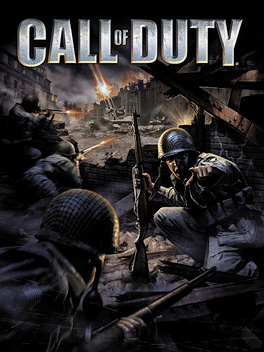
The authors conclude that these mechanisms help explain why players neglect offline obligations, as game networks compete with non-gaming friends and family as well as institutional commitments such as school and work. The scope is focused on young adult players in a specific regional context across a range of popular titles, including World of Warcraft, League of Legends, and Call of Duty, and the work is presented as a complement to, rather than a replacement for, psychological accounts of gaming excess.
DiGRA · 2022