
The video gaming industry is currently navigating a period of significant structural evolution, characterized by shifting consumer engagement models and the integration of advanced digital ecosystems. The primary objective of this analysis is to evaluate the trajectory of the gaming sector as it moves into 2026, focusing on the convergence of interactive entertainment, social platforms, and intellectual property management. By examining the broader landscape of digital media, the analysis highlights how gaming has transitioned from a niche entertainment vertical into a foundational pillar of the global digital economy.
Key findings emphasize the increasing importance of long-term retention strategies and the expansion of gaming beyond traditional gameplay loops. The industry is moving toward a model where games function as persistent social spaces and platforms for broader media consumption. This shift is driven by the maturation of live-service architectures and the integration of cross-platform connectivity, which allow for more seamless user experiences across diverse hardware environments. The analysis suggests that the future of the industry relies heavily on the ability of developers and publishers to cultivate deep, ongoing relationships with audiences through continuous content updates and community-driven features.
The scope of this assessment encompasses the global gaming market, with a particular focus on the strategic maneuvers of major industry players and the evolving expectations of modern gamers. By synthesizing trends in technology, business model innovation, and content distribution, the analysis provides a comprehensive overview of the challenges and opportunities facing the sector. Ultimately, the industry is positioned to maintain its dominance in the entertainment landscape by leveraging its unique capacity for interactivity and social immersion, effectively blurring the lines between gaming, social media, and traditional entertainment.
GameVault System
GameVault System
GameVault System
GameVault System
GameVault System
GameVault System
GameVault System
GameVault System
GameVault System
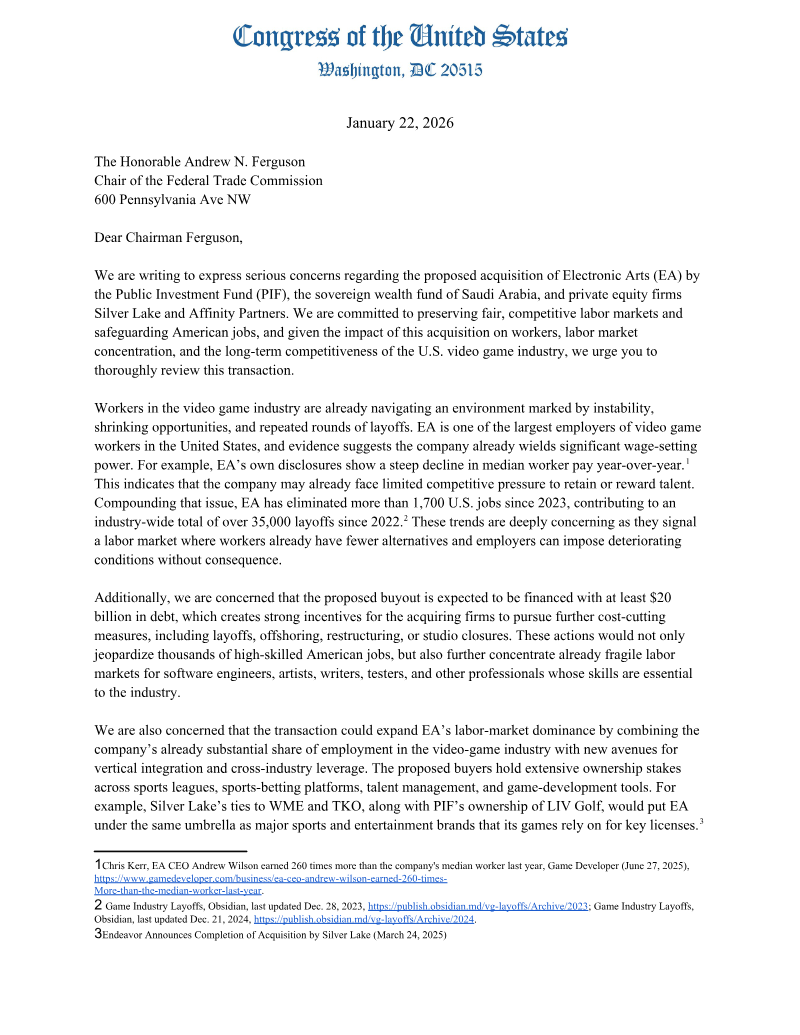
GameVault System
GameVault System
GameVault System
Modern Times Group · 2026
InvestGame · 2025
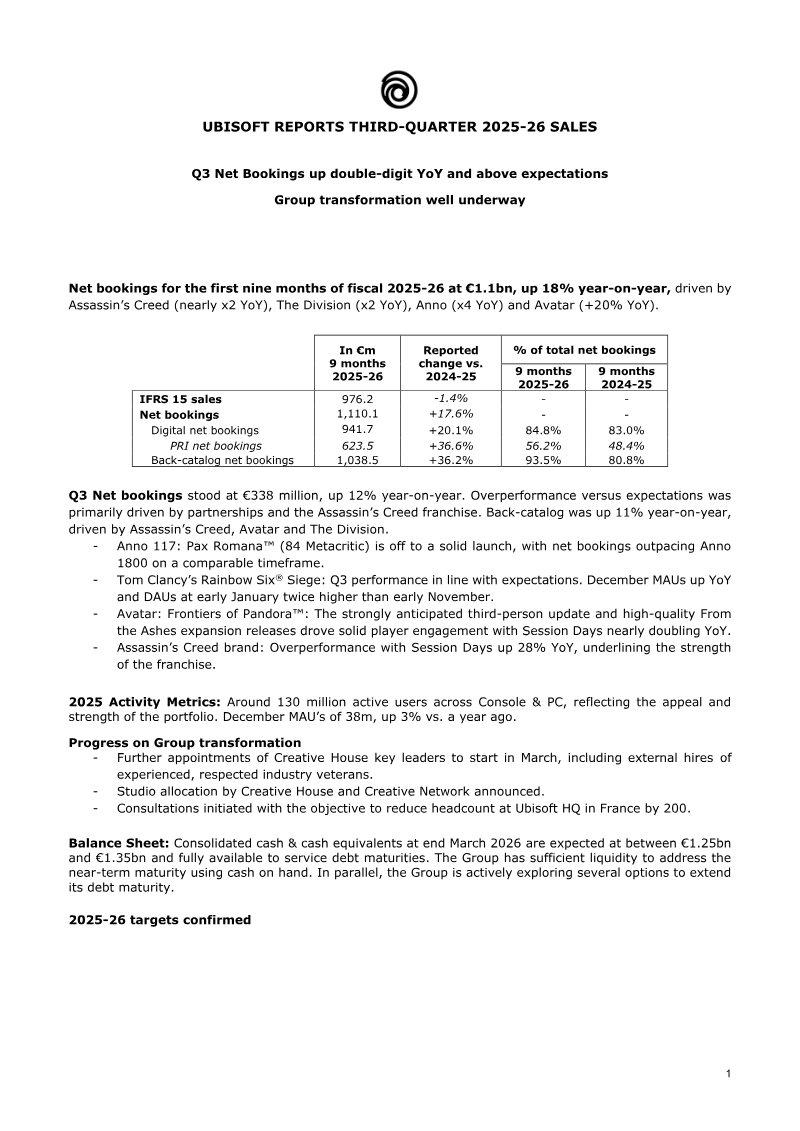
Ubisoft · 2025

G5 Entertainment AB · 2024

Paradox Interactive · 2024

Bandai Namco · 2021
King · 2021
GREE · 2020

GREE · 2017

HPvX Partners

Stillfront Group

Stillfront