
The episode examines the current state of “agentic commerce,” a concept that envisions independent, AI‑driven checkout experiences. It argues that the initial hype has stalled because consumers remain wary of intermediaries and the paradox of choice limits single‑option transactions. Major retailers such as Amazon and Walmart have instead integrated AI assistance—Amazon’s Rufus and Walmart’s Sparky—directly into their own platforms, thereby capturing the benefits of agentic commerce within existing ecosystems rather than creating separate autonomous channels.
A key finding is that Amazon’s Rufus already influences roughly 40 % of holiday‑season transactions, positioning it as a dominant force in the middle‑funnel stage where shoppers build confidence before purchase. This shift signals a new advertising paradigm: behaviorally‑targeted, middle‑funnel display that can unlock incremental value but demands new metrics and attribution models. While large platforms can leverage their data to demonstrate impact, smaller players face a “small‑platform syndrome” that hampers monetization of this emerging opportunity.
The discussion also highlights the nascent but growing role of AI‑powered referrals, with current rates ranging from 0.1 % to 2 % for large retailers and a positive correlation between Gen‑AI referrals and traffic growth. Emerging channels such as performance TV (closed‑loop CTV ads) and in‑store digital media offer CMOs a way to blend brand building with measurable sales impact. However, the episode cautions that non‑standard metrics like WAU can mislead investment decisions and stresses the need for better comparability in attribution to prevent advertisers from being steered toward less valuable channels.

Mobile Dev Memo · 2026

Mobile Dev Memo · 2026

Mobile Dev Memo · 2026

Mobile Dev Memo · 2026

Mobile Dev Memo · 2026

Mobile Dev Memo · 2026

Mobile Dev Memo · 2026
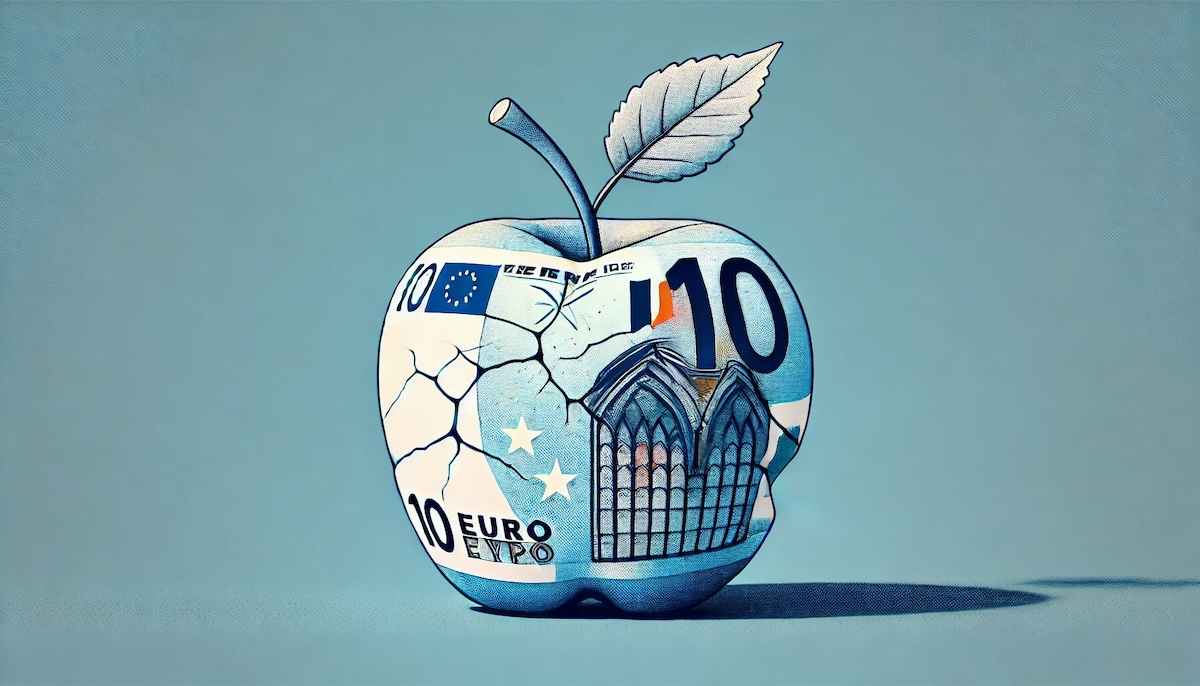
Mobile Dev Memo · 2026

Mobile Dev Memo · 2026
Mobile Dev Memo · 2026

Mobile Dev Memo · 2026

Mobile Dev Memo · 2026
GamingReport · 2025

Almedia · 2026

Sensor Tower · 2026
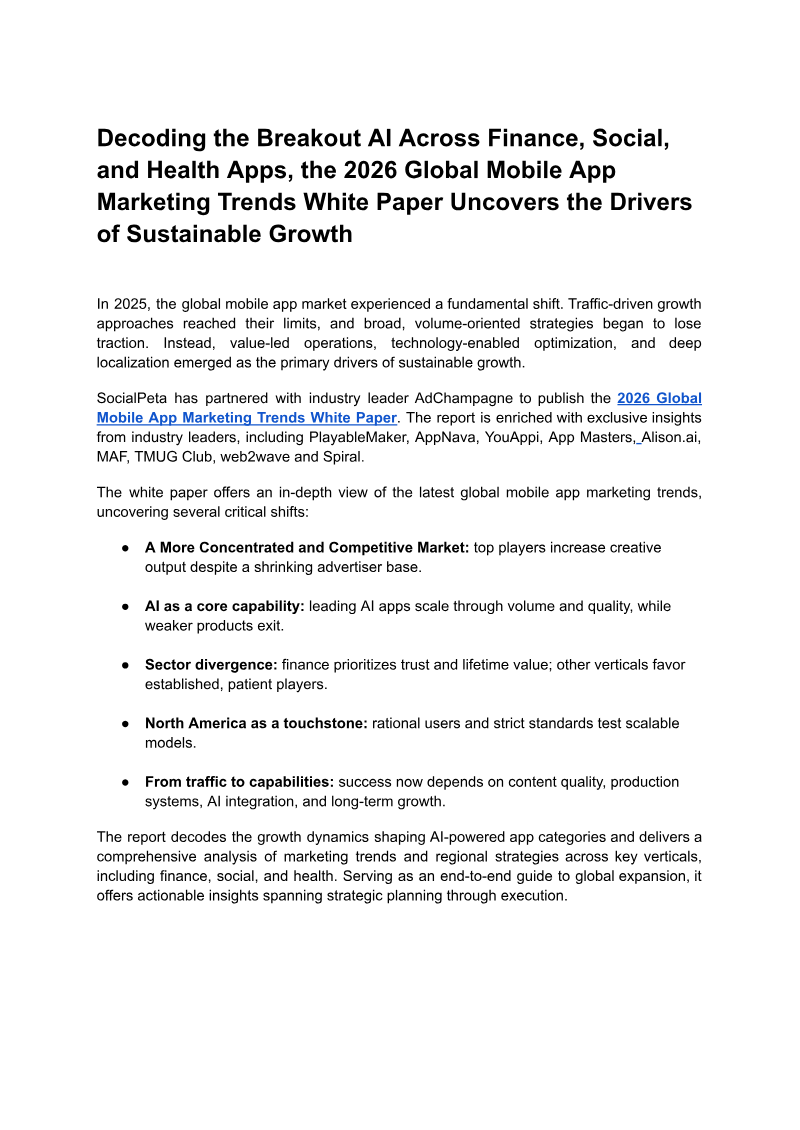
SocialPeta · 2026
InvestGame · 2026

SocialPeta · 2026
SocialPeta · 2025
Sensor Tower · 2025
King · 2025
AppsFlyer · 2025
SuperScale · 2024

SocialPeta · 2024