More from University of Duisburg-Essen
View all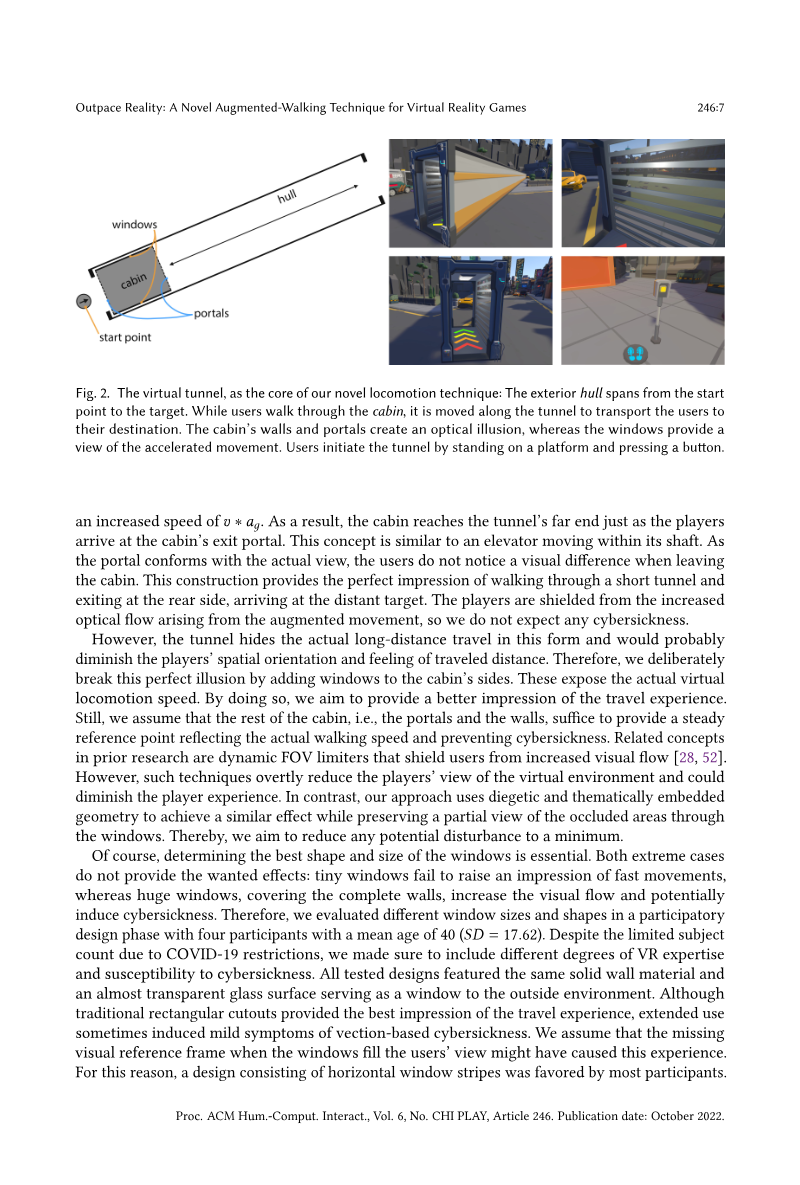
Whitepaper
Outpace Reality: A Novel Augmented-Walking Technique for Virtual Reality Games
University of Duisburg-Essen · 2022
Whitepaper
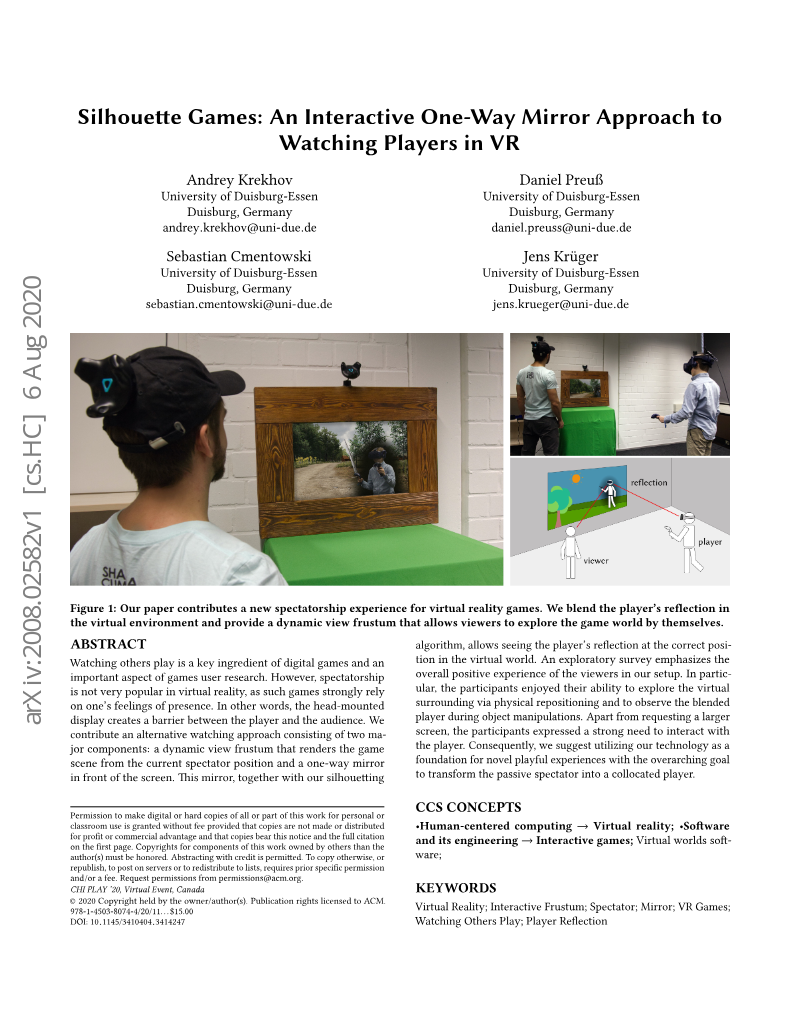
Silhouette Games: An Interactive One-Way Mirror Approach to Watching Players in VR
University of Duisburg-Essen · 2020
Whitepaper
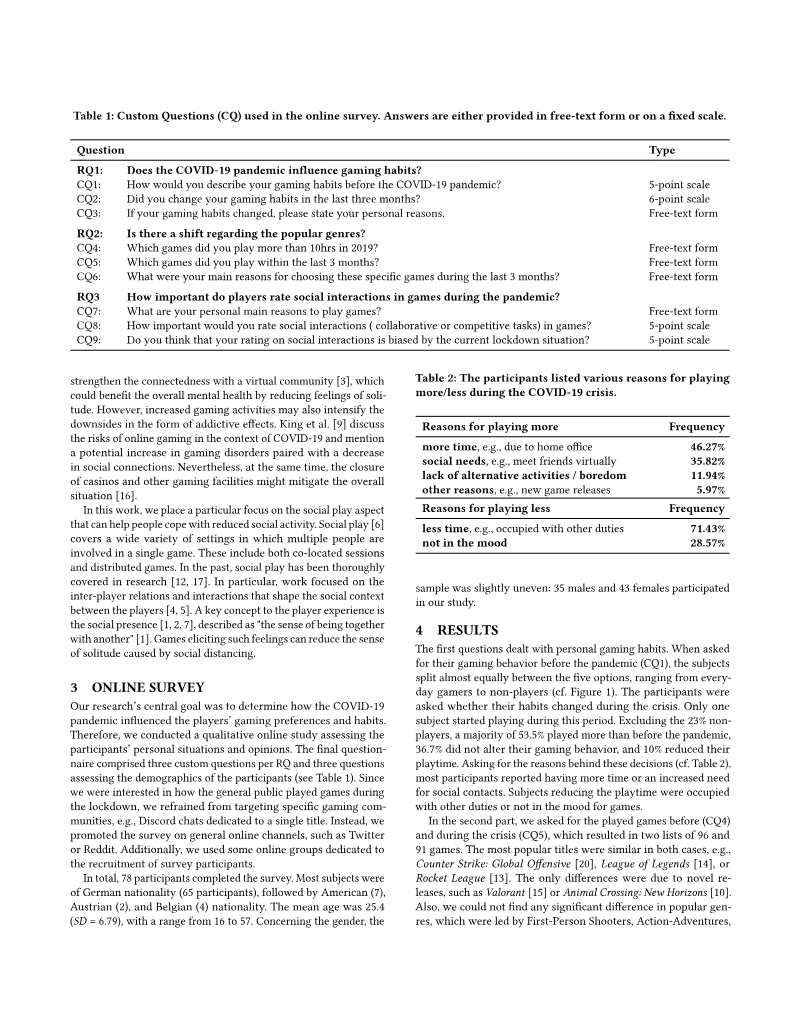
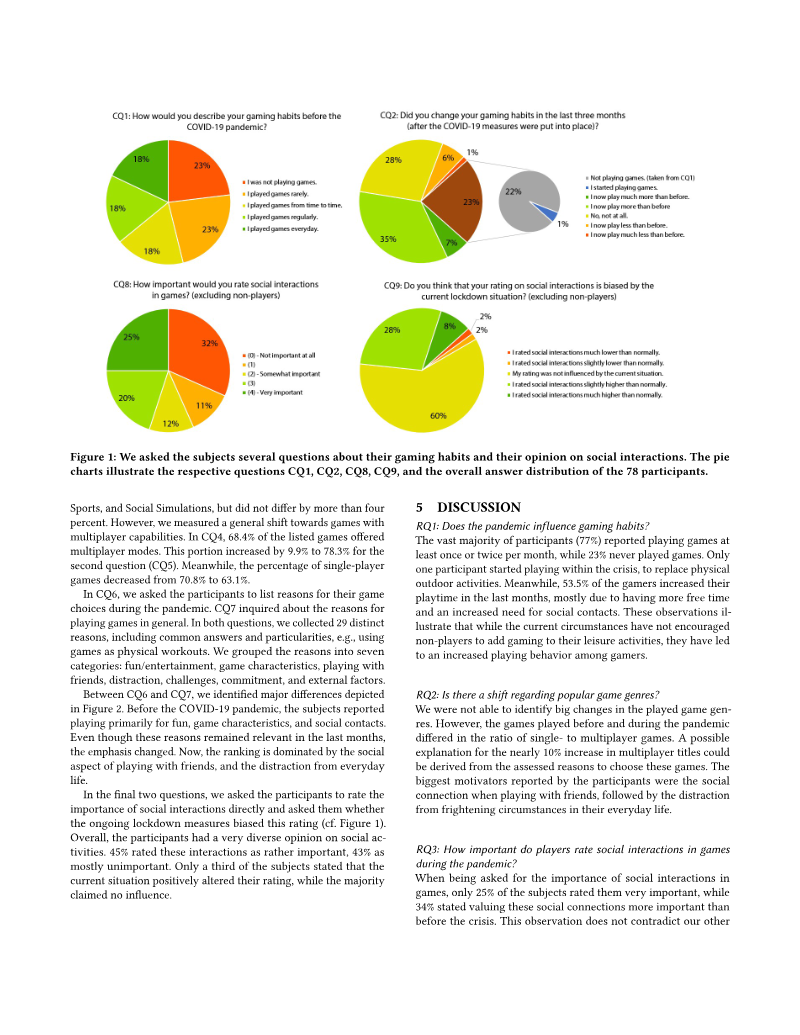
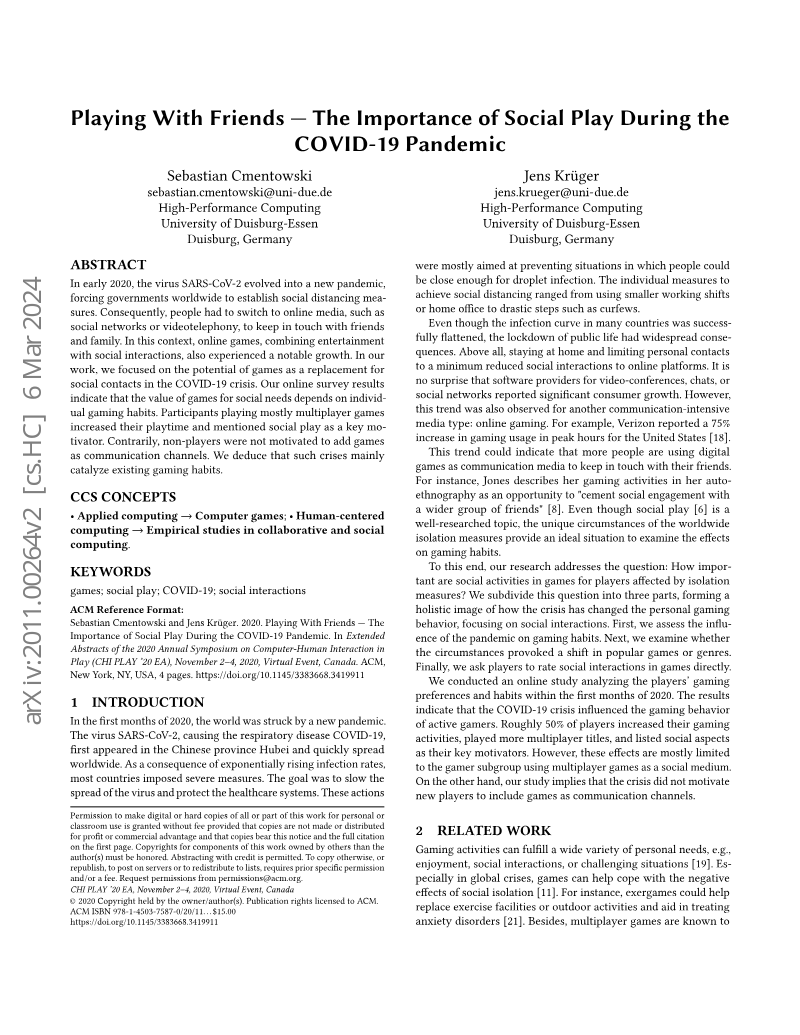
Playing With Friends: The Importance of Social Play During the COVID-19 Pandemic
University of Duisburg-Essen · 2020
Whitepaper
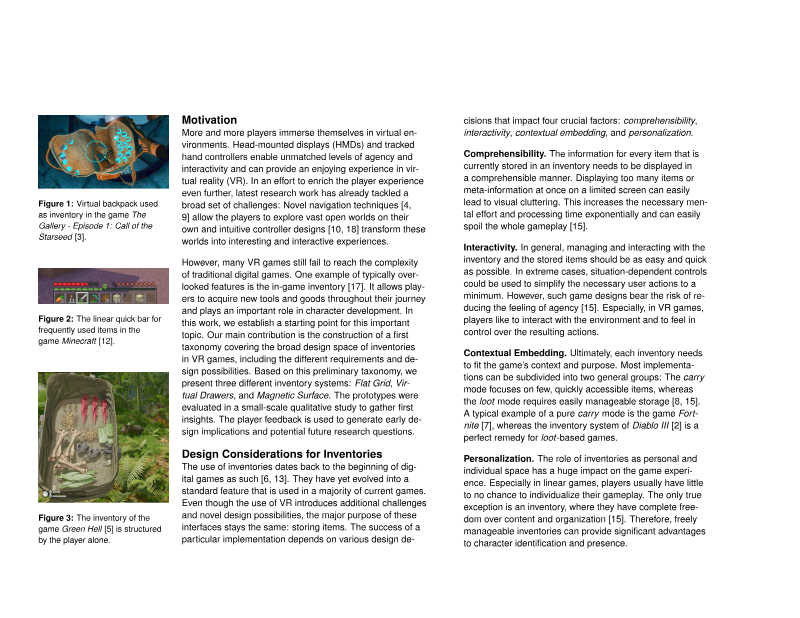
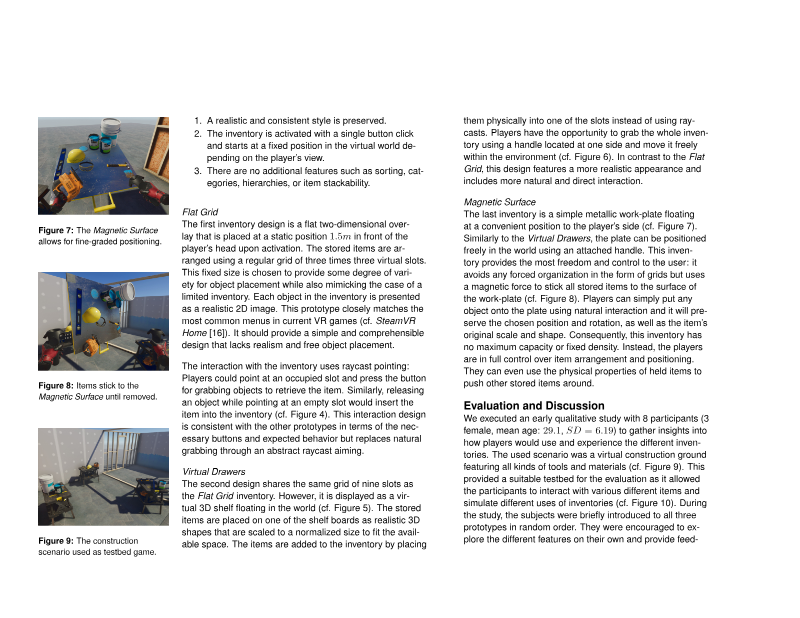
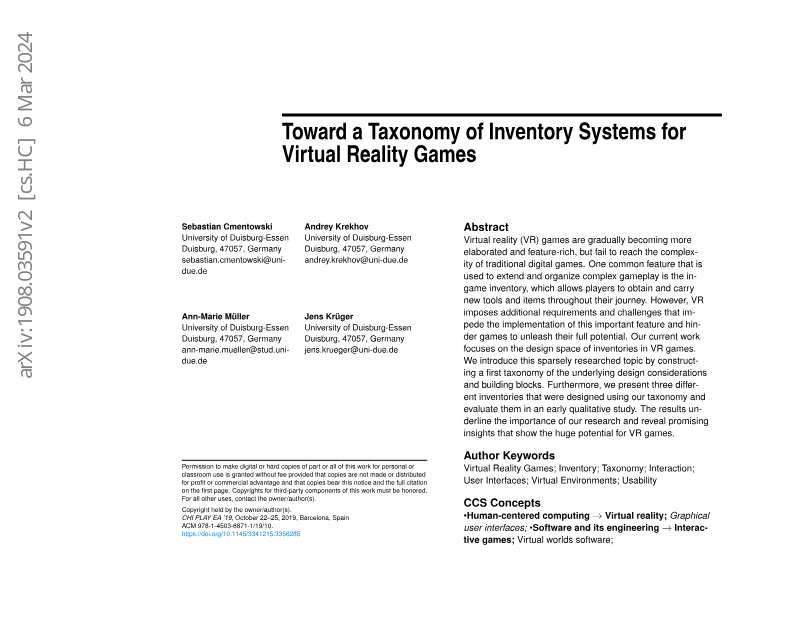
Toward a Taxonomy of Inventory Systems for Virtual Reality Games
University of Duisburg-Essen · 2019
Whitepaper
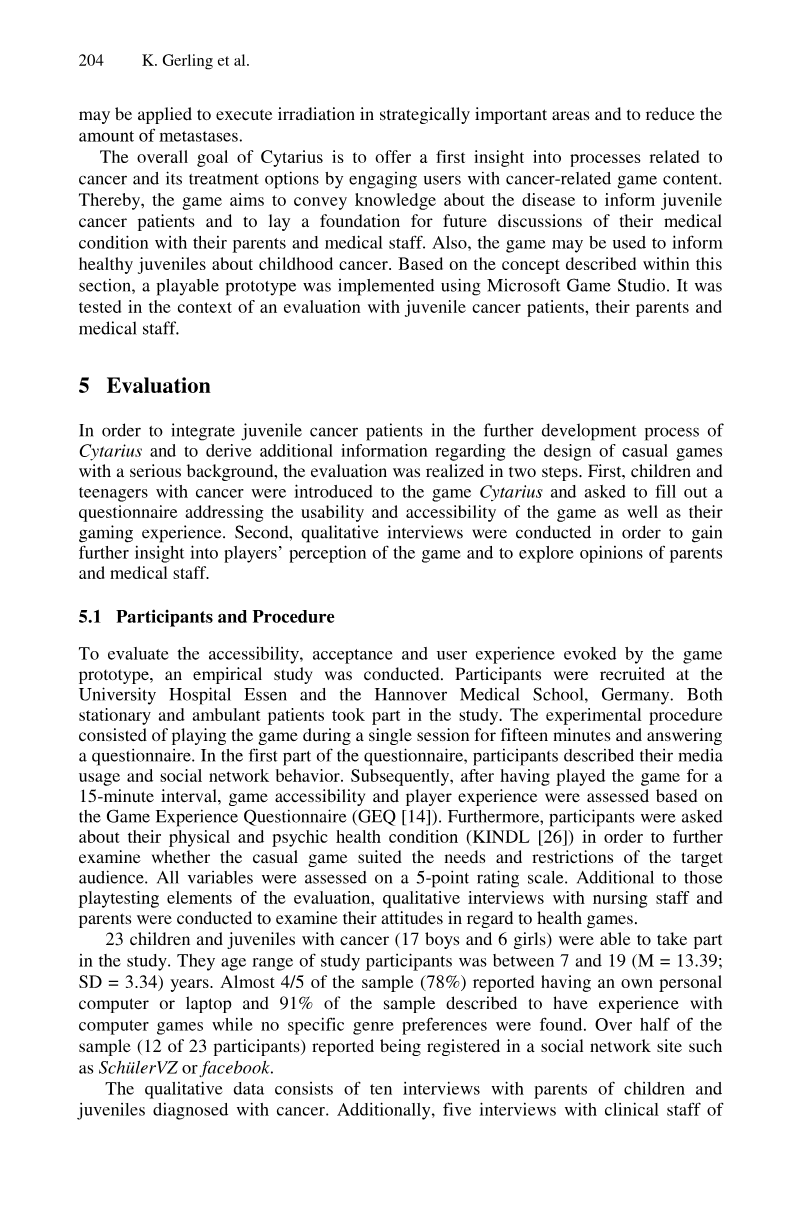
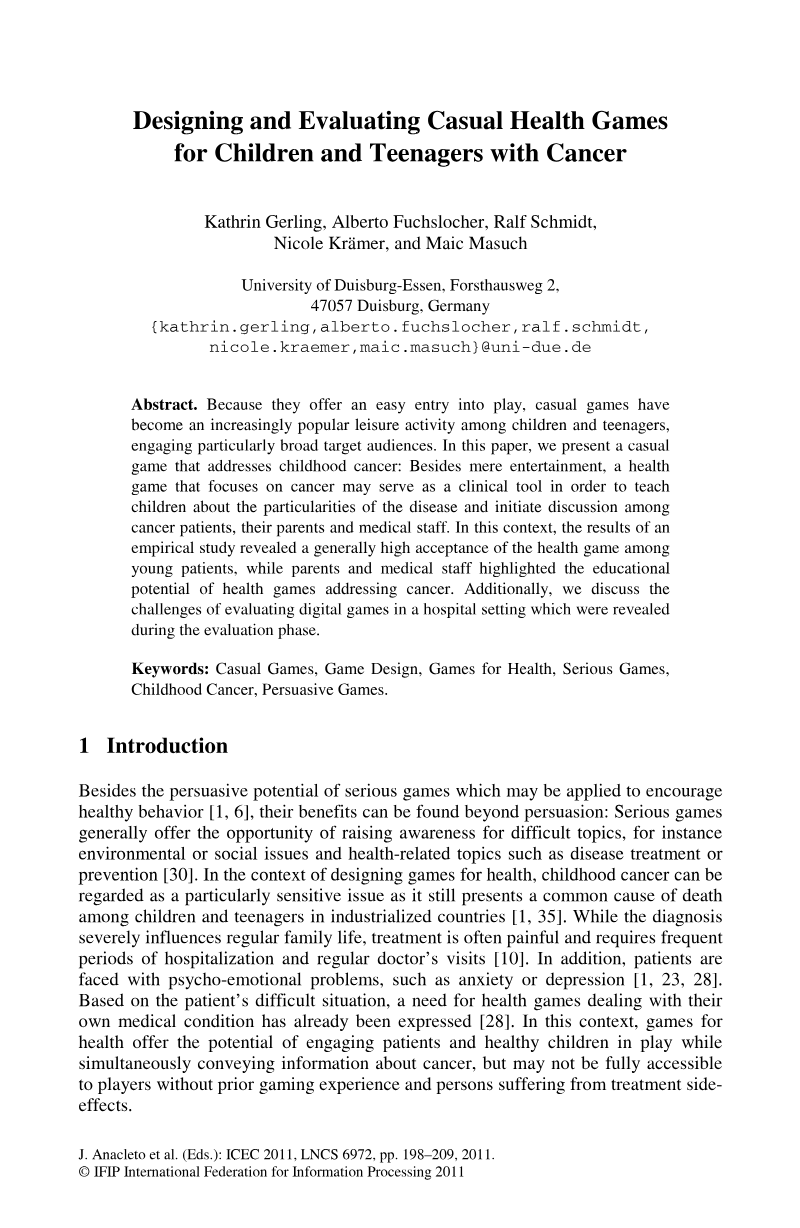
Designing and Evaluating Casual Health Games for Children and Teenagers with Cancer
University of Duisburg-Essen · 2011
More on Game Design
View all


Whitepaper
AI-Assisted Scene Synthesis in the 3D Educational Game Authoring Tool GameTULearn
European Conference on Games Based Learning (ECGBL) · 2026



Whitepaper
Building Digital Educational Escape Rooms: A Modular Toolkit With Low-Code Authoring Approach
European Conference on Games Based Learning (ECGBL) · 2026