Loading the document
1 free read left. Create a free account for unlimited reading + AI research.
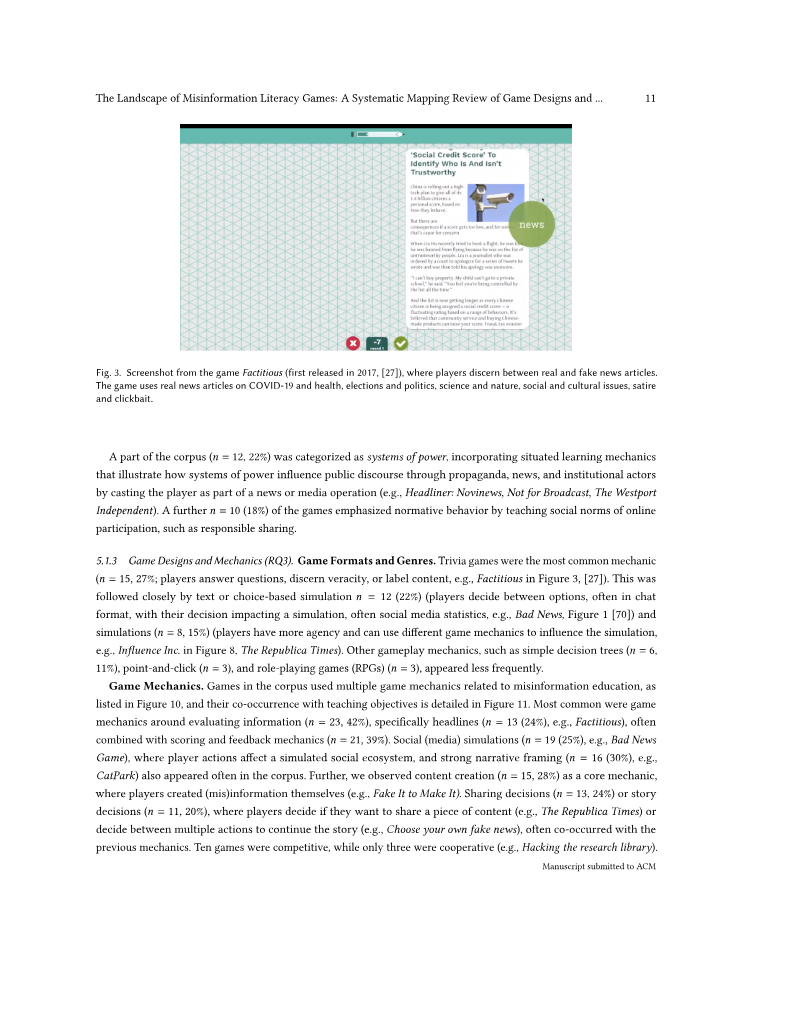
Create free accountWhitepaper DiGRA
1 free read left. Create a free account for unlimited reading + AI research.
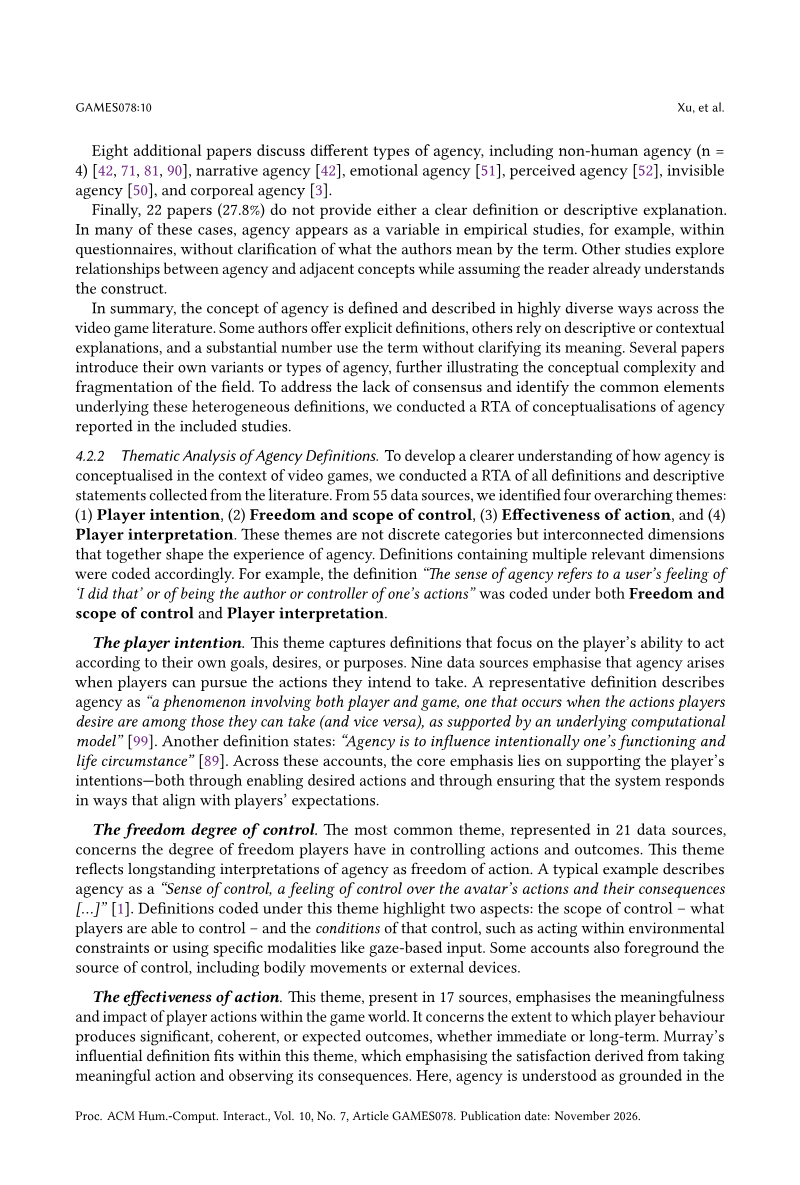
Create free accountWhitepaperDiGRA
Most remaining speakers of many languages are elderly.
The document examines the potential of digital games as a mechanism for preserving and revitalizing Indigenous languages and traditions, advocating for a co-design model rooted in Indigenous sovereignty. Its central thesis posits that successful and ethical game development in this domain requires deep, authentic collaboration with Indigenous communities, guided by principles such as "Two-Eyed Seeing" and "Nothing about us, without us." The scope of the analysis appears global, drawing on examples and principles applicable to diverse Indigenous contexts, though specific geographic coverage is not detailed. The time period of the research is implied to be contemporary, reflecting current trends in game development and Indigenous cultural preservation efforts.
Key findings emphasize that games can be powerful tools for identity formation and cultural transmission, particularly for urban Indigenous youth. However, this potential is contingent on Indigenous communities maintaining full control over cultural representation to prevent misrepresentation and appropriation, which have historically been damaging. Successful examples like "Tipi Kaga" and "Katuku Island" illustrate the positive impact of Indigenous-led development, contrasting with games like "The Mark of Kri" and "Assassin's Creed III" where collaboration was insufficient or representation flawed.
The analysis underscores that appropriate content for gamification often includes children's games and universally applicable cultural philosophies, such as the Seven Grandfather Teachings, while sacred knowledge must be protected from digital dissemination. Indigenous learning pedagogies, characterized by hands-on, visual, and reciprocal approaches, are identified as highly compatible with interactive digital game design, offering experiential learning opportunities. The document draws on research concerning ethical global education and social movements, reinforcing its focus on inclusive and respectful development practices within the digital games industry.
Each row is a game or company this document names, each column a document, oldest first. A mark means that document names it. Select a row to see those documents.

DiGRA · 2026

DiGRA · 2026



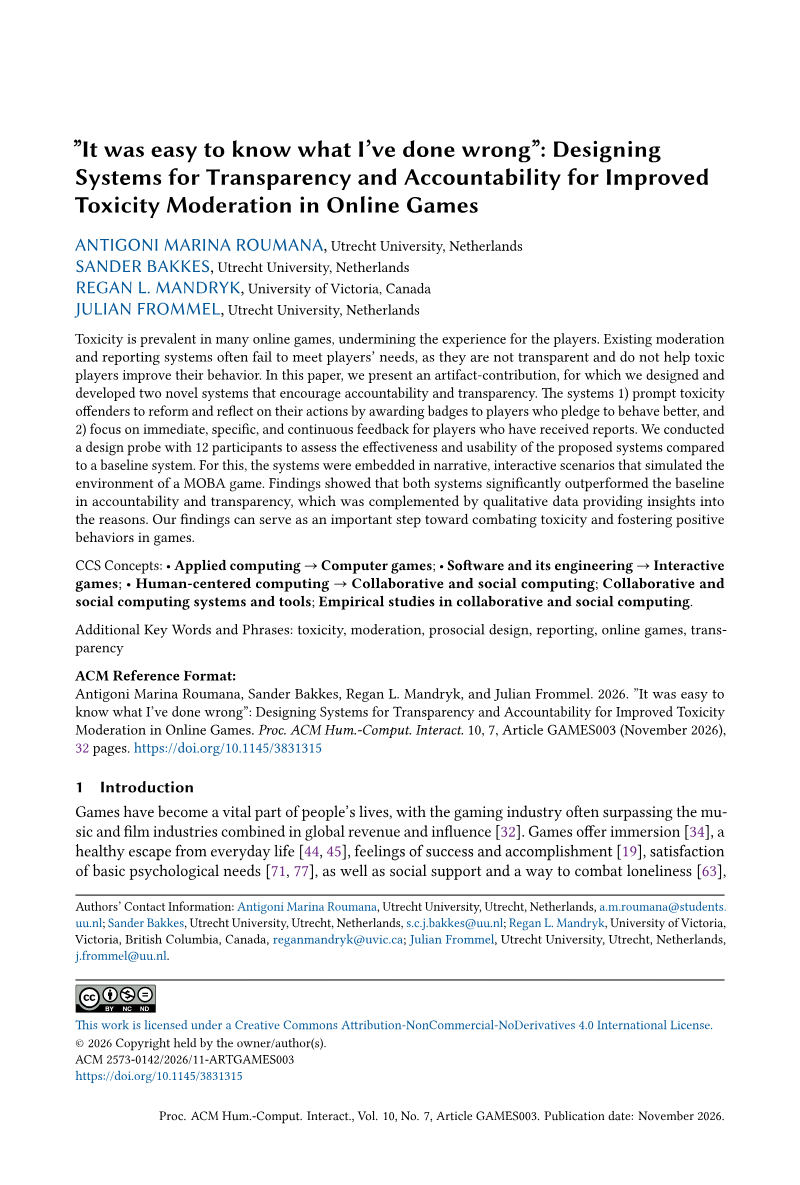
Utrecht University · 2026
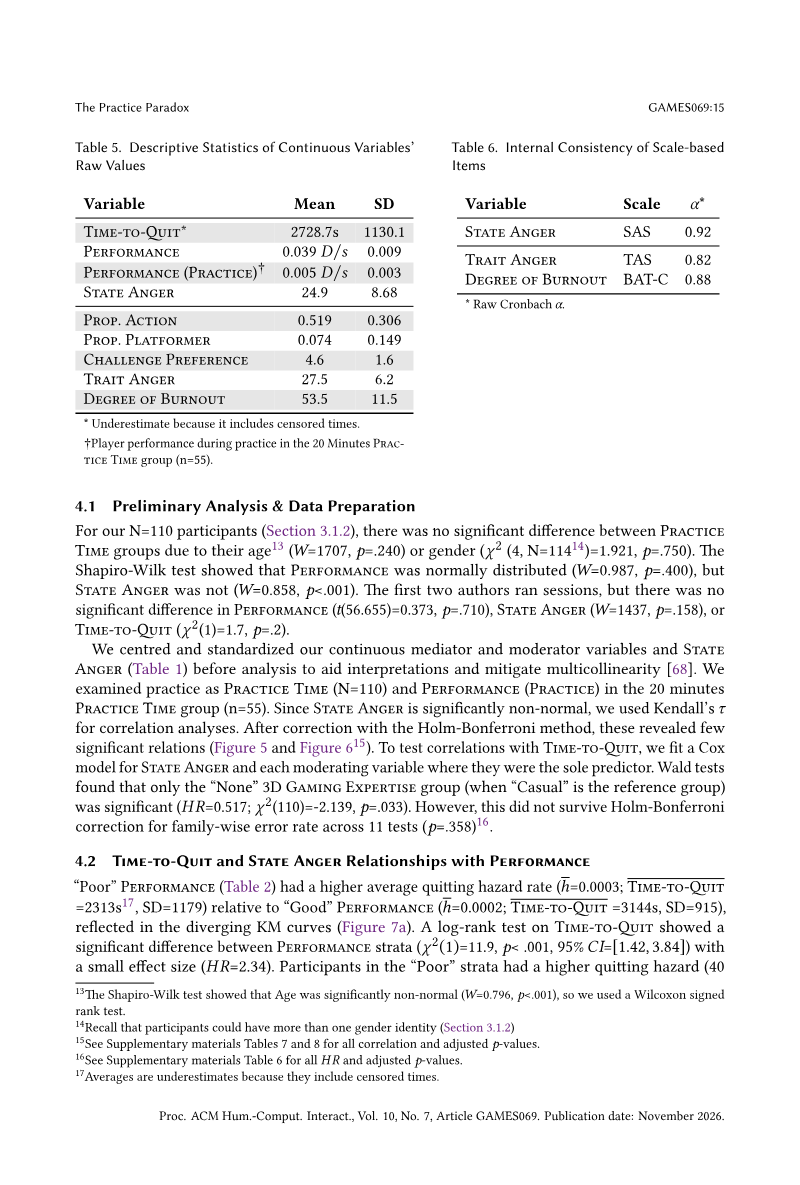
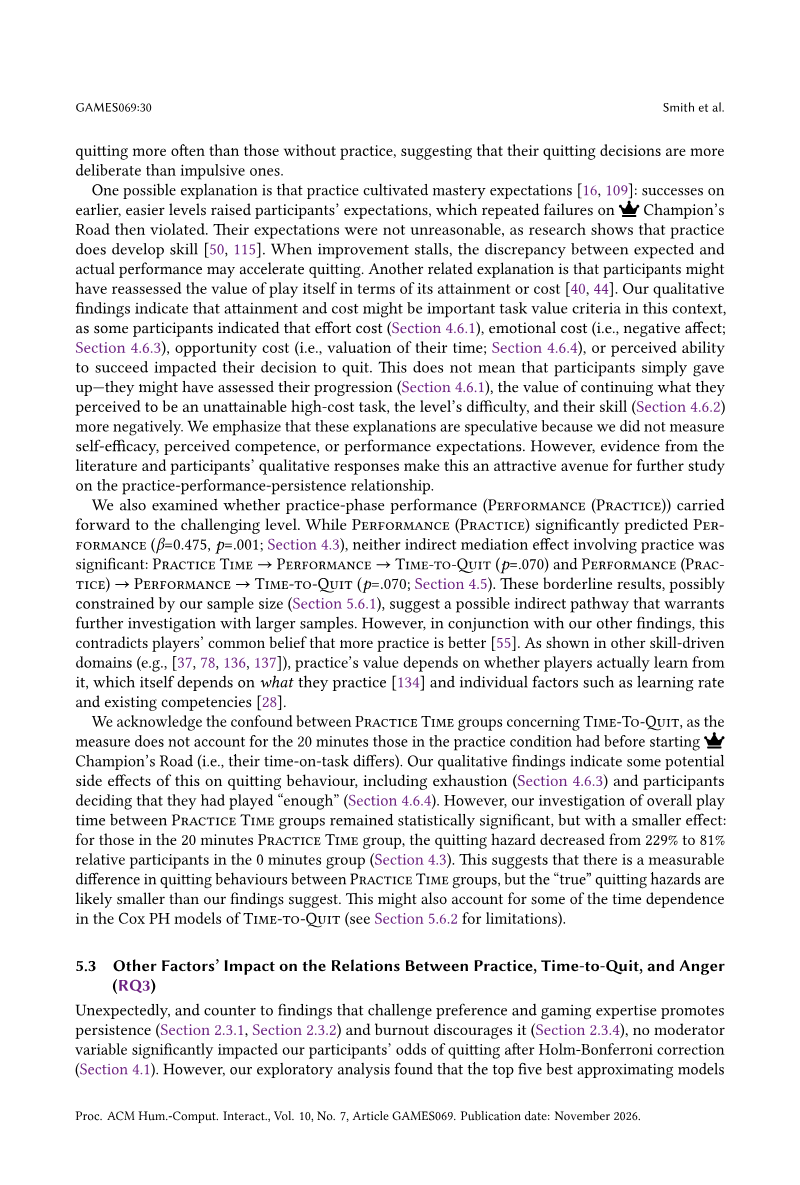
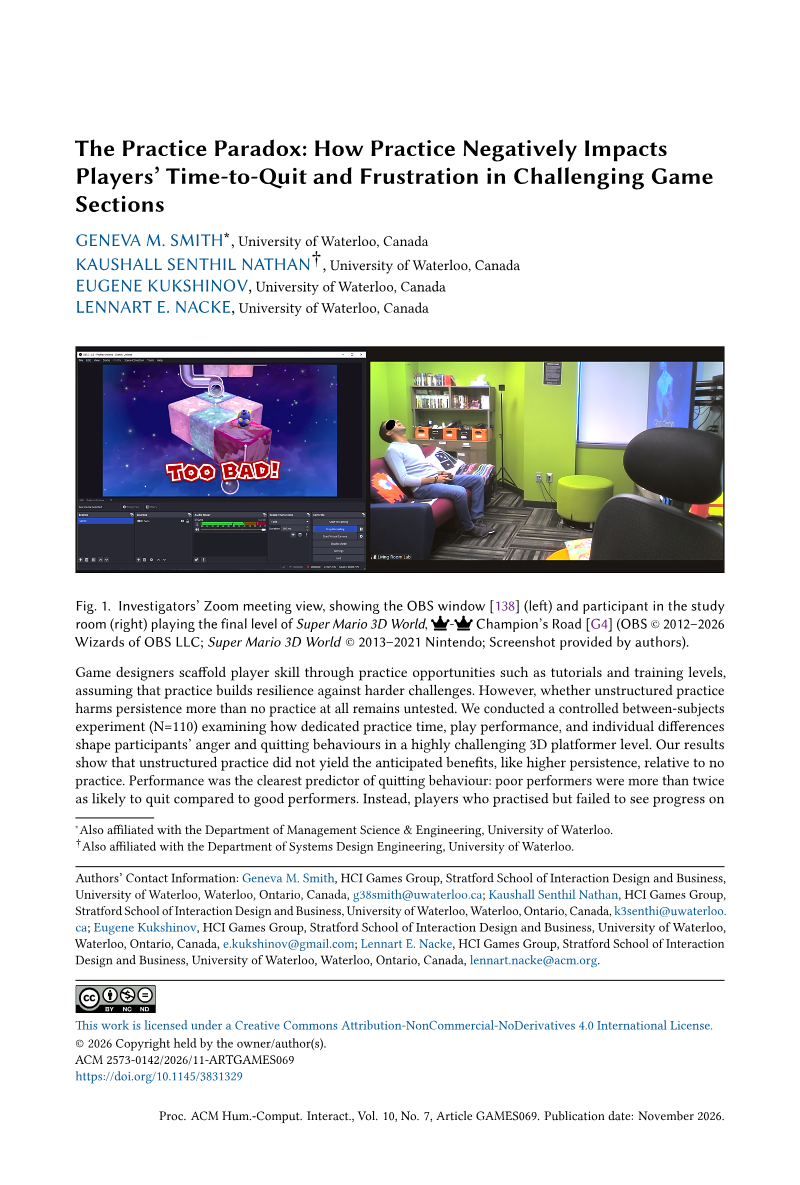
University of Waterloo · 2026
DiGRA · 2026

Technische Universität Darmstadt · 2026