1 free read left. Create a free account for unlimited reading + AI research.
Create free account
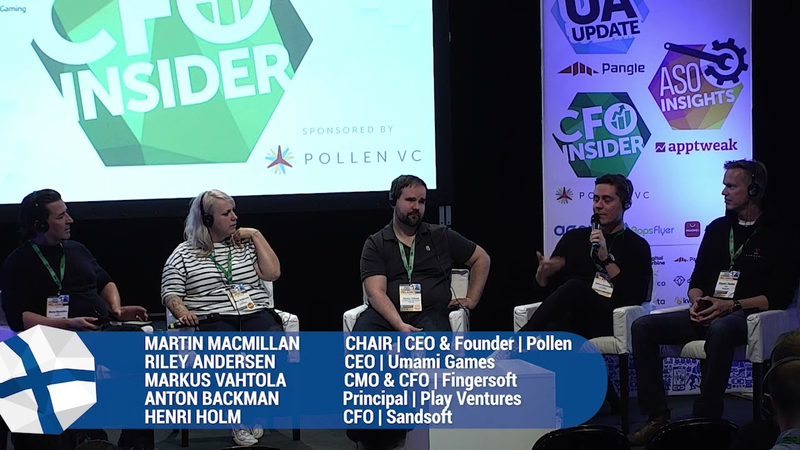
Panel: Weathering the Storm Insights From Mobile Gaming CFOs
Key insights
6 takeaways- 01Rising user acquisition costs, driven by macroeconomic pressures and privacy regulations, have forced a transition toward operational rigor and fiscal discipline.
- 02The current economic climate is acting as a catalyst for studios to refine business models and move away from experimental growth frameworks.
- 03Operational efficiency is being achieved through lean team structures that align product development directly with core company objectives.
- 04Long-term viability is increasingly dependent on sustainable live operations and resource optimization rather than a reliance on external funding.
- 05Studios must now prioritize shorter payback periods and provide realistic, data-backed roadmaps to secure capital in a cautious market.
- 06Investors have shifted priorities from rapid, speculative expansion to companies that demonstrate financial resilience, sufficient cash runways, and measurable returns on ad spend.
Ask AI about this video
Transcript
[Music] thank you [Music] there's a final panel of the day on this particular track do make sure that you come back tomorrow we're going to do not this all again but a whole lot of new stuff all over again it's going to be it's going to be great so this is the a panel entitled weathering the storm insights from Mobile gaming CFOs and how to prepare for tough times ahead so we got our panel of experts let me have a little look here I'll leave this one with you to do do take it away if you need a clicker it's there I'm not sure whether it's a presentation but go for
it I think we're just gonna be talking um great thank you for the introduction so uh my name is Martin McMillan I'm going to be moderating today uh CEO of Poland VC some of you were here for the last presentation so uh just like hogging the stage for it for a little bit longer so we've got some really interesting um folks in the panel today we're going to try and keep it sort of not I'm going to try and keep it positive so what can you actually do as the as the world is changing and not just sort of sit there and cry into your pint glass so I'm here to talk about that with me I'll let uh maybe everyone just whistle down the panel and just do a very quick intro uh to everyone that'd be great yes I'm Riley I'm the CEO for mommy games and we make casual puzzle games and I guess what's unique about us is our strategy towards development hello I'm Marcus I'm from fingersoft we do Castle racing games best known for Hill Climb Racing
uh hi I'm Anton from play Ventures I'm not a CFO but I deal with them on a daily basis so we're we're an investment firm focused on growth companies in the gaming sector good afternoon everyone my name is Henry I'm from sansoft we are a company out of Riyadh operating in Saudi Arabia we have offices in UAE south of Spain Barcelona we developed games in the UK and we have a publishing function here in Finland cool maybe maybe first question for Henry actually um just because you have the mic or you had it um like in terms of obviously like the macro convert macroeconomic environments changing we had a like a 15-year Bull Run whatever where everyone just thought everything was up and to the right for a long time and then you have you have covid and Ukraine hitting in very very quick succession that is reform reframing everyone's kind of um perception so
um you know any any sort of like high level thoughts in terms of like you know as the world is changing what what's everyone kind of doing to prepare how you know what what can you do at a very high level to uh to make sure you come out the other side okay so let me start from you know my perspective um so I operate and work in the Middle East the world looks quite different from that angle why it does look so different is that actually there is a lot of job opportunities countries are relatively young for example Saudi Arabia the average age of the country is 31.8 years of age so 70 of the people are under 30. they look at very optimistically and positively the world we are creating jobs and the industry as an entertainment industry and and gaming industry is new so that gives a lot of positive vibe it doesn't mean that you know it makes any work day any easier the macroeconomic
facts are around us as well but I would say that um from a CFO point of view it's really important to understand your company strategy there has to be a true Unity within the company on the objectives what you want to achieve and what you want to you know measure as part of your success and then you need to have cash it is important that you have a Runway ahead of you and you don't end up into a situation where you do just decisions based on the facts that you know you don't have enough resources which in this case is money um Marcus you're you're not enjoy take them out next on that sure so basically from our Viewpoint of course like um we can see a little bit of decline of course in certain markets but at the same time of course uh I always say like these kind of events and turn off events
it's like things that build a right kind of culture for your company as well because they force you to consider about like how how when when you're planning your operations on anything you have to be expecting the uncertainty that anything can happen and um kind of rethink as well the operations as well like from our user acquisition marketing point of view we more we kind of we always like considering like all the new channels how to how to reach the consumer in a different way for example because there has been that privacy uh changes uh have affected a lot on the on the acquisition costs of users for example but we've been having like really great performance actually so for the best six to seven months our roles in a year scale for campaigns on average has been 125 percent for it so for us it hasn't been like that big of a
thing it has just more Force our teams to be really really focused and not to not to get into the despair but be more optimistic and try to find like how to fund the growth are you almost thinking about putting UA in a box and treating that because it's almost like a little micro climate of its own right if it's working it's working and you know yeah and it's very product related as well like you cannot take Just One racing game like our game and then another racing game like for example asphalt um the audiences and all that it's quite different so you have to really know the users and who you're aiming for so yeah cool and then Anton so I guess a double-edged question for you so like how are you guys sort of thinking about the market and the change of the market the sorts of Investments you're looking at and then second part of the question is like how are you Translating that into advising portfolio companies you've already invested into yeah it's definitely a tough one Martin
so and I really don't know where to start here but I think if I if I sort of look at our portfolio more broadly and especially if I start for example when we're looking at new Investments right now so I think as an as an early stage investor as we do mostly preced and Seed investing we do we do series a to some extent but but very little I think a big factor also on or I think we need to factor in is sort of what are the chances of raising follow-on capital for those companies because um we're still looking at companies having to raise for almost two years before there are any sort of scalable product metrics that would warrant for for larger investment rounds and during the bull market this was definitely this was viewed very differently from from from Downstream investors mainly mainly I'd say there's a lot there's a couple of specialist funds uh focused on our level very industry specific funds focused on gaming startups but most of the growth Capital comes from more
generalist technology funds that are barometric and Benchmark driven uh and um in a bull market there's much more willingness to be experimental there and investing in these growth rounds but but now the reality is that sort of I've heard sort of straight comments from these funds that now is not the time to be sort of another word escapes me but but um experimental and yeah experimental and uh and and really they're sort of clinging to stuff that is very familiar to them I mean recurring Revenue always is very interesting for for later stage investors because that recurring Revenue has good chance of surviving certain downturns and where there's less spending what I would credit gaming though for is that that even also during the the pandemic we saw good amounts of spending in gaming Etc so not saying that gaming is recession or or pandemic proof but I think there's also a big educational
part missing as well for the downstream investors and really understanding the nuances of the industry where a lot of the especially revenue on the free to play side is of the quality that is almost the quality of recurring Revenue also from from SAS companies but obviously the margins are behaving a bit differently when you're doing UA at scale um one sort of more top-down perspective that also allow one to allude to in your keynote here previously is also what those really late stage runs look like for these companies so if a lot of growth investors were willing to do these large Equity around the fund UA and they were con they were comfortable with payback periods of two to three years and even beyond that because there was this notion that the further Equity funding will always be available but now I think it's probably more than ever important for these companies to look at alternative Finance like
alternative Solutions like credit facilities and and the stuff you guys are also providing and other means uh but and then there's obviously some other things now before I stop my monologue here for a bit but but um also things that sort of free to play spacing here is like you know how this web 3 fit fit in all of this because it's certainly been very popular in the investor Community for the past couple of years and um really trying to find more sort of blue ocean opportunities there especially in a post post idfa world where um there is um at the institutional level uh increasing worries about you know can these are these models sustainable anymore with the paybacks going Beyond three years are the user lifetimes gonna be gonna be that long anymore will it will you actually see a return in investment so I think these are just some of the major themes also early stage investors are
pondering about when considering investments in new startups especially in in a lot of red ocean categories within free to play where we need to evaluate that sort of what are the chances of this company for raising follow-on funding naturally we understand the business model we understand the potential in these teams and what those games good at sometime in the future achieved but but we're also reliant on that Downstream Capital as well so it's something we've definitely seen is like you know you see core gaming investors who really understand they're doing the seeds in the series a and then all of a sudden you're like you know names you just don't expect to see on cap tables who made big and SAS or whatever and they lots of these bigger funds have tried to sort of dip their toe in the water and it's almost like you can see them and with us sitting on the sidelines but like you're looking at SAS you're looking at recurring metrics but free to play is a one shot it's totally dependent on the amount of new UA going into it and you can't believe you know you can't look at sort of the same metrics to value a SAS companies to Value
um to Value gaming companies so that that's interesting it's almost like there's a core group of investors that really understand this stuff but of course over the last few years gaming has become very sexy so all sorts of people sort of want in and then now I think that what seems like the kind of door is closing it's almost focusing back to the people stick to really stick to folks who really understand the worst thing you can have is a running Studios investors who don't really understand your business because that's that's when the you know the capital can drop off and that you know it impacts yeah and I think I think that's going to be a a question imposed by by probably most investors and so how are these companies going to find growth especially when most actors have been very depend or almost fully dependent on traditional Performance Marketing so so um if you're a company with Organic appeal for example now I'm looking at Hill Climb Racing and stuff uh some other ones too but also that you're able to prove that you know you can amplify that growth also with a with this like sophisticated Performance Marketing then I think those are very
interesting opportunities for growth Capital right now because you have that kind of security from the strong organic appeal but if there's a way to amplify that then that obviously it makes source makes you attractive in in sort of ways of like because the investors they have these large funds now because all the funds now are the result of the longest bull market we've ever had the fund sizes have increased year on year and the fact is also which is the Light Side here that we all need to deploy this money and we do have a mandate that within the next two to three years the all of that Capital needs to be deployed and there's a lot of money going specifically into gaming both on the studio level platform level SAS within gaming Etc and that needs to be deployed at some point deal activity hasn't really picked up in our view yet as we would have guessed my personal guess is that we would have seen more deal activity happening already now during Q3 but
and now this is only I guess not advised in any in any form but during now the upcoming quarter or q1 that deal activity should be picking up again at some point because the fact is that this growth Capital needs to be deployed as well yeah so there's a lot of gas in the tank there and you know so there's still plenty of money needs to be deployed just on the right opportunity it sounds like the focus is changing um Riley um for you what what and how are you thinking about just in terms of your own plans are you getting any kind of you know change of tax or any any solid advice from your investors you know you're sitting there in the operating seat with lots of different hats to where how are you thinking about things so I think I see it a little bit as Henry trying to be a bit optimistic I think um we come from hybrid casual originally so we're used to a lot of Market changes constantly so I think what we have seen is we just need it is what it is right then we need to work around it and but we have focused a lot on is the development of the games and for focusing more on the early stages so
making sure that once you get to that UA place you have something sort of as a Anson also said that already caters for certain morality um of course when it comes to investment I mean I think everyone sort of agrees and it's tough times right but Anton also has a point in there are still Capital that need to go out right um so of course I mean our investors is a little hesitant in exactly what you say how do you race the next round as well and how do we even race these rounds right um but with that is said I mean the best teams that in my opinion it just caters for some new strategies you need to rethink the way you're doing things right and um that is that gives naturally gives opportunities yeah I mean My My Views there's always opportunities right so we just came back um from living in California for four years my single biggest takeaway from four years of California living is trying whatever bad stuff happens try
and figure out the positive from it so how can you you know benefit from you know the downturn don't just sit there and be like well the Market's gone to that's why my company blew up or whatever you can always take actionable steps there's all with something in my view that you can do to turn things around to the positivity and it may be unfortunately someone else's failure becomes your success it may be something within the company but I think there are always things to to focus on where you can draw um draw the positive from the negative I mean the facts we've just had we have two cycles um two economic Cycles rolled into one of the super bear Market obviously stuff is going to change how you know what what can you use to kind of you know recalibrate I don't know if anyone's got any specific thoughts of going a bit off script but um any specific thoughts on that anything that they've been able to latch on to that uh a little glimmer of hope Thanks Martin so so we we looked at you know the the market to group for example a year back you know it was very different nowadays you know
it's easier to attract people to join um first of all you know the the new innovation I mean Riley spoke nicely about you know really testing new game Concepts come up with a concept that actually is scalable you can go into a marketability testing get the data out and you feel more comfortable that you know your investment time resources skill skill set and you know the opportunity cost of doing something else on top of the money will actually pay back so I think you know for for many even the smaller Studios it's really you know look after the talent you know it is a people business so looking after the well-being of the you know of the employees making sure that there's enough Runway but giving that trust and room to innovate because if if the if the triangle of thinking about the game on the top and your user acquisition you know assets and creativity or even the marketing mix on one corner of the of the triangle and then finally our user acquisition activities and conversion to
a paid user in one so that equation instead of going into you know a blame mode you know my game doesn't work maybe it is in a combination of many of these things you know that needs to be looked into and uh at least for me it's a really trial and error quick learning fast and I love you know marking your point of this one return on the 28 to 30 day window looking at that one you know whatever your metrics is if it's not going to direct you know profitability metrics but metrics of you know for example conversion really important um Marcus you you were you were two hats right so you are you've got the CMO and the CFO that's what right so that's interesting so you're bringing together you bring together a kind of UA in finance which is you know like for us music tutorials right because it's it's in return well exactly it's all down that one thing but in in terms of the like in terms of The Wider you know how
are I don't know maybe you can talk to how people are sort of you know the the team I know you guys focus a lot on culture and so on as well are you are we talking openly about this do we have you know puddles you know how are we sort of preparing our our teams to to think about well um it's pretty much like Clarity and ownership and focus so basically we've been focusing a lot on the incentive schemes making everyone to have stake uh in the company and everything we're one of the well I guess we're currently biggest in the uh Finnish company at the market um two billion downloads on the last year it was 24 million euros in revenue and the growth is well I haven't been on the growth track for the past two years and um also one of the things like I'd say like we trust the teams so basically all the teams are up on their finances so
that's why it's even possible for me to kind of have this kind of a dual hat because uh we do the processes to be kinda so that every team has their own ownership in in their finances and if um there's ever Aviation like UA for example is one of these like as I mentioned we've been raw as positive in the campaigns on average so that's just a happy return of an event if for example UA had Mikko will come to me and say like Oh Marcus um I budgeted his money and we're doing so freaking well that we need to spend more so basically we don't have we we're really adaptive actually and um on the marketing side of course like we try to be more holistic and I I love the point that Henry was talking about like um about the optimism and all that and I I feel like what especially in our our game it monetizes slowly it's very fair monetization so it takes the window can be really slow like it can take six months that it turns out through US
positive but we've been we have a really good tale so people play it for years sometimes people go out and return to the game two years after and come playing and spending a lot on them so they are live services so that's one of the things that um oftentimes teams may lose focus when they're building a new product especially like I think Riley for example um one of the key ideas is that you should always kind of consider the unique product offering and what's what makes the game special so you never start like chasing some kpis only because that can end up that you lose the bigger picture and then it's not gonna end up as a remarkable success story so that's like I'd say like one of the key takeaways because um back in like three years ago we did a huge investment which is not huge investment it was just one more additional resource to the original Hill Climb Racing team which is a small team and we refactored the whole code base
and that brought an e minute return on investment because it became really fun to develop their new content so a game that's 10 years old got lots of new content and it became like a startup again although it's like 10 year old product so people are loving the develop for it now that's something I would say especially on the product team now we're a seven person team right now so way smaller but we have found that it's it's super crucial that everybody understands the vision which is also why we focus a lot on building like a dashboard and visual tool so everybody from the artist to the developer to the designer understands the vision where we're going what we're trying to achieve and are able to also talk with because it's so a data and marketing is driven so I thought at least for us the entire team sort of needs to understand what we're trying to achieve how does something become viral either what could be viral factors so at least for us it's very crucial that
everybody really understands the vision and it will also make I had an artist too I think I don't know we cannot do Dennis art style that's not casual 2.0 the sort of getting the entire team to work together and achieving this goal I think has is a big strength for us at least and I think this is just to add a quick comment there on the on the head count and team size and I think this is a topic that especially European mobile free-to-play companies have been traditionally pretty good at is keeping the team sizes really constrained and especially before you find a product that can hit scale and sort of I guess the general advice would be and I obviously I can't speak for every investor that's out there but I think we sort of strongly prefer smaller teams than bigger teams especially in the beginning because it's just going to be more people to manage and especially if if not also given the experience that we have in the European ecosystem that people are able to wear many hats within those teams and then keeping keeping them small either right they're much faster much more cash
efficient also from the company perspective and that those big head counts are likely not gonna they're not gonna woo the investor but it's almost a positive signal the more constrained you can keep that Team all of course given that kind of the key the key Italian is in place even within that team well in in Finland generally you guys kind of really like we're right at the cold face of you know the organizational side and supercell in the early days and so on as well so lots of learnings about how to do things and how you know how to keep things sort of separated out and not not bloated yeah the sort of metric of like yeah we're 200 people probably just makes investors big yeah yeah but also also keeping in mind that it's a living organism so I think I think also what was supercell's biggest learning probably during the now obviously I can speak for them but from an outsider's point of view it looked like the biggest learning for them in the past couple of years was to when you're large enough to also be able to expand outside of that original thinking of only having eight people to work on a game because they noticed that
some of their key titles were bleeding because you didn't have enough resources of focusing on live Ops and really focusing on the long tail of players but once they were able to kind of get rid of that mindset that was had been a core uh core component of their culture for 10 plus years it it did wonders for the company from that perspective and now some of those like titles are like super alive and well because it's also yes having that culture from the get-go was a key success factor for them but the reason they're still a key success factor is they were able to evolve from their thinking as well and understand what's best for what's best for Superstar right now was probably not like the best thing 10 years ago but now it's the best thing that works for the company right so that at that level of care just think of every game as a living breathing organism and then feed feed it you know based on based on what it needs and I guess that was also a few markers with um right yeah that's basically like the product teams are the
king but we also kind of have been like always very flat structured leadership team is three people and then team leads are basically there microorganisms that are doing and focusing on their function level but then of course organizing instead of not not siloing the information they focus on organizing their work based on the end goals so for example monetization and data on these teams they work together of course on me so it's pretty much the same um one thing that I forget to mention uh while talking about um the performance side was also like the transparency of financials of course that's something that I feel that is really important to have like most Fitness companies do have that but it's not the case for of course every team and especially like when investor money is a little bit more scarce it can be really beneficial to be really open about the financial situations in any company because that you should keep the
trust to the whole employees because you never know who knows who so it could be that that can bring some um a better possibilities of racing further rounds as well came to my mind Henry you spend a lot of time here you're with Rovio you saw how how it's done right you're you're finished and then uh now in the Middle East were you able to sort of take some of the thinking that was that was crafted here and then to to export that if you like yeah we have all also started from a very small team structures uh very flat organization we have you know call it the sea level only two people so MD and the CEO everybody else is a team lead we try to create as seamless information sharing data sharing as possible financials as we have it you know I share it with that all team team heads so I do that on a monthly basis that creates an ownership of the budget everybody who has a plan they have also then resources time money and decision
making power to execute those plans which then makes it easier it's following I would say very International and even maybe a Nordic examples in a way that um you know as you keep your team size small you know you can make your decisions faster when we look at the studios for example right now we talk about this very small you know five seven team member structures and even when we go into the you know work for hire we like to see you know those teams to be also close to us and small insights and they do scale of course as the production of you know the game involved so then you have of course bigger teams but I think it's an international business really yeah and I mean it seems like um Riley when you were talking I was thinking it's like the the transparency the dashboards the ownership that everyone has almost that became more acute through covert if people are remote working you
know you don't have the formality if you're just all like you know shooting the around the water cooler in the office all day you'd know what's going on but when you're more remote you have to be more kind of rigorous about it yes of course but I think we have been very lucky with covid and uh with Umami and in Denmark and with them so it's not been the biggest issue of actually having to work from home it was actually more the reason we made it was the fact that we could just see that was all the way back from hyper casual if you don't understand the entire production cycle when you're such a small team they will just there will not be an advantage to you at all or actually be uh it would be a roadblock because then people are working and for example if imagine the creative manager doesn't understand how the marketing and data things around and the videos actually work if they don't know what a click through rate is or a conversion rate and then then they don't know how to optimize and become better and better so that was like been the key also for our level designers if you don't understand
what a level funnel is I can do basic SQL how will they be able to like be curious about a subject and become better so we actually created a lot of these visualization all the tools to make people understand the entire process of development more than more than than the Quran but sure of course that also helps and also yeah I guess working with Publishers that are remote then that has been beneficial cool and then I guess and some one for you in terms of um how things changed over the last couple of years you obviously you see some companies do things really well how do you sort of like share the best practice um between between different portfolio companies so I think on our end so we don't I think we respect the Integrity of each portfolio company in a sense that we don't relay information very actively between the companies because it is
obviously in in many cases sensitive information it's competitive Advantage it's um so it's uh without going too much into detail it's it's tough not to crack also for us but but I think uh what we can avoid obviously is that subconsciously subconsciously going through these these subjects with the companies when we have seen from from earlier portfolio companies where things have gone wrong and what things haven't worked and naturally it affects also our sort of Motors operandi and how we how we work with the our company's post investment but we do try to facilitate as much knowledge sharing as possible I do think that people in this industry are generally very open about sharing best practices uh and um but but then again it's up to us also on operational level to facilitate that but but especially in times like this and and I think what the first Catalyst that we had that created a lot of internal discussion within our portfolio of Studios was the idfa
deprecation right and how people were dealing with that so so now I think it's more than timely to also like bring this subject Also the table and and naturally the the boring part about it is that that information usually stays within our portfolio when it could be very useful for The Wider industry also uh to to to partake in but but um I think that's something we just have to figure out how to do that more that it's a bit more ubiquitous also outside but but a lot of the discussion is happening also between our companies and they do reach out they do ask from each other how are you dealing with this and right and um I think I think that works also outside of the portfolio yeah I think I mean people are generally very happy obviously there's the sensitivity around numbers and metrics and secret Source you're not going to do that but in terms of and you always see when when people have a collective problem right so idfa let's sit down and have a powwow about it whatever it's a problem for everyone uh
you know same a little bit in terms of like we've seen companies connecting saying okay how are you thinking about this how are we you know how are we going to you know get through the next 12 18 24 months so um yeah I think there's a I think as an investor could like being the facilitator of having the conversation not trying to broke or control the conversation say you guys you know sit in a room we'll provide the team coffee and then let's see what we can figure out and and hopefully then you get the the rising tide floats all the ships yeah exactly I think the last part you said is is kind of the key there and I think that's the that's the notion you want to instill also with the people you're working with and um sort of maintaining our neutral position with it with the companies but also being helpful and sort of putting our experience to you is because that's also what the companies are expecting from us as we're investing in them but we're also there's sort of high level Operational Support when it comes to those when those matters and because we have a bird's eye view on the industry because that's where we spend most of our time looking at Best Practices
looking at trends uh and um but yeah I think that has been very sought after post-investment from us to to to get advice to what to do not not like a Playbook to what to do but at least being a sparring partner to the companies in terms of hearing them out and then together figuring out the best practices of what they should do to go full circle you're way better placed as a specialist investor than someone more generic who's you know who's probably trying to you're too kind but we're trying to we're definitely trying to end up but I I think I think one thing I can for sure share that I think we have probably brought up with everyone is to sort of tighten the belt uh secure Runway Etc because we don't know how bumpy it's going to be but it's without being too cliche it sure it sure is going to be a bumpy uh so I think that's just the general advice so so and we've been or I've been also dealing
with a bunch of bunch of layoffs also from some studios to make sure that the core team is intact what's needed so that there's no excessive spending on on everything because we don't I might have a guess when funding activity might pick up and we can't keep the same investor won't be funding your company forever because um it's integral to the investors model as well that they get outside validation on their own Investments and that's a part of that or the most important part of that is that there's a new outside investor investing into the company usually including us we do support companies in all future rounds we do maintain our ownership and invest more capital in each round but it's super important to have that outside validation for all parties involved and therefore you can be relying on your on your existing investors to only keep the party afloat through uh because um obviously we're doing that too we're doing we're facilitating Bridge financing we're um we're doing internal rounds Etc but but at some point you
will need that outside money and that that's tied to kind of the deal activity taking sort of generating more or like the pace increasing on that front which hopefully will happen sooner than later fingers crossed um guys we've uh two minutes left um whilst we've got um these guys here maybe we open it up and see if anyone's got any uh any burning questions they they want to uh they want to ask anybody out there I have a mic panel uh any suggestions on the runway for any company out there looking to secure the future so would I would from what we have talked about is there's the whole work for hire could it make sense
to work with someone else to just cover the entire burn rate until you are at a place where it's it's more open to uh to actually to race but of course we have seven people so that that's an option for such a small team and not necessarily for a giant one but that could be I think there are so many different uh options depends what kind of plane you've got right whether you've got a microlight or a Dreamliner yeah I know for sure it's I guess it's the million dollar question but but really making sure that only the core team member or the people you need are in place because naturally you know team is everything at that early stage before there is a scalable product in place so making sure that the core team is intact I think keeping the making sure that everybody is in it 100 uh because we will also see when things get tough that then some people just don't want to be part of those tough times and and those tough times are inevitable uh for the for the if it's a if it's a game Studio
startup and they're just looking to be a venture-backed venture-backed company so so um making sure the Integrity of the team is in place uh and um not obviously not overspending on UA trying to be smart about the channels working for the best audiences again depending on what you're building if you're building an indie PC game it's very different from from the mobile free to play title cool well we are officially now overtime um thank you very much guys for taking part of the panel and if there's anything burning you want to we can we can we can take one more oh we can do one more yeah cool we officially knock off uh in a few minutes time okay it's just flashing red on me I thought don't worry don't worry we're cool hello so my question is uh with the current economy um do you look at different kpis now uh when you think of investing in a company so you mentioned about overspending a new a uh but when it comes to retention or monetization what would you think is a great opportunity with the current
economy like long-term retention or um I I can start this one so uh yeah that's a very good question um so the benchmarks if we look at stuff like retention that doesn't directly at before we look at modernization metrics then I'd say those are are still quite close to what industry standards per pre-idfa obviously they I think there's some kind of fun inflation there as well that we would expect from some casual titles that we say better better earlier attention day by day but if if we look at something like mid core then we aren't we don't get that smart about seeing the seeing the really early metrics uh because um what we're super concerned about is the targeting how are they going to find those Big Spenders even though there are some encouraging early early retention signs so I think where more emphasis is now definitely lays this is is on on sort of return on investment project so looking at roast
looking at what you know what are the payback times and and especially as the cohort sizes start increasing so I think there's definitely more like across the investment landscape there's definitely more um people are a lot more conservative about those and and we definitely want to see or investors generally definitely want to see very encouraging sort of rows metrics so they can see that there's actually going to be a return on this because um still during the bull market there was a lot of funding that was very comfortable with this two to three year payback times and even even longer ones and some of the big casual titles we have in the space are seeing those kinds of uh sort of payback times currently but but then if the user lifetimes don't don't increase in the same at the same Pace then uh we maybe don't get confidence we're going to see that sort of money back because um now they're not going to be able to raise perpetually more Capital to to input the UA so so I think there
in addition to finding alternative ways to find users outside of traditional Performance Marketing is kind of the combination of of what potentially could make investors at later stages more comfortable with investing large rounds into scaling up games um maybe last last week for Marcus anything that's happened in terms of you know focus on particular metrics whatever well to add on that I'd say like more Focus to look beyond the metrics actually and see that the opportunity size and be more holistic about the view of the investment and um that's like I'd say the main goal and um if we we haven't been any more so active on the investment side but um of course like what I definitely look is uh on the roadmap and seeing the realism on Beyond there so as Anton was mentioning like the core Team all that there should be a Runway of 15 months always because this this is an industry that requires
pivots and if the team doesn't realize to include that on their in their plans that's always a big alarm sign so we've got to wrap it up that was it that was the end of this panel and the end of the day give it up for Martin Riley Marcus Anton Henry thank you so much for that guys that was that was fantastic
Summary
The mobile gaming industry is currently undergoing a significant transition, moving away from experimental growth models toward a framework defined by operational rigor and fiscal discipline. As macroeconomic pressures and evolving privacy regulations drive up user acquisition costs, the primary objective for studios is to demonstrate long-term viability through sustainable, data-backed performance. Investors are no longer prioritizing rapid, perpetual expansion; instead, they are shifting their focus toward companies that can prove financial resilience, maintain sufficient cash runways, and deliver clear, measurable returns on ad spend.
Success in this cautious capital market requires a fundamental recalibration of internal operations. Studios are encouraged to adopt lean team structures and prioritize transparency, which fosters a sense of ownership among staff and ensures that product development remains tightly aligned with core company objectives. By focusing on long-term live operations and optimizing resource allocation, developers can build more scalable, resilient game concepts. The current economic climate, while challenging, serves as a necessary catalyst for studios to refine their business models and move away from a reliance on external funding.
Ultimately, the path to sustainability hinges on the ability to balance creative innovation with strict financial accountability. Investors are increasingly demanding realistic roadmaps and shorter payback periods, signaling that the era of speculative growth has been replaced by a demand for proven performance metrics. Studios that can successfully navigate these headwinds by maintaining operational efficiency and demonstrating a clear, data-driven strategy remain well-positioned to attract capital and thrive in a more disciplined industry landscape.