1 free read left. Create a free account for unlimited reading + AI research.
Create free account
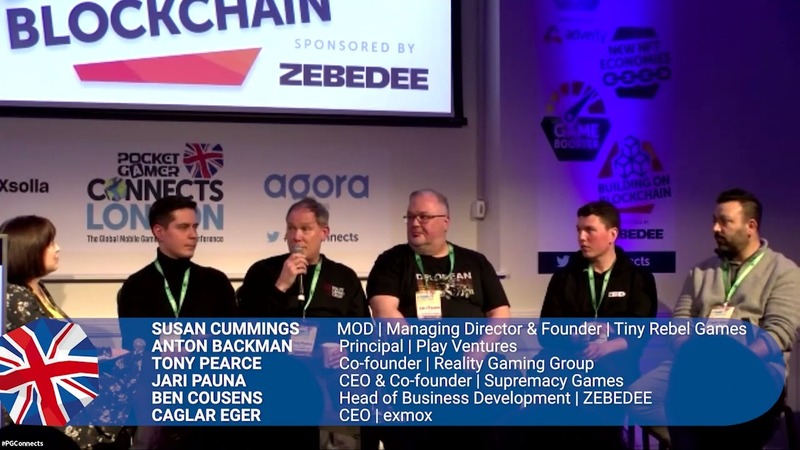
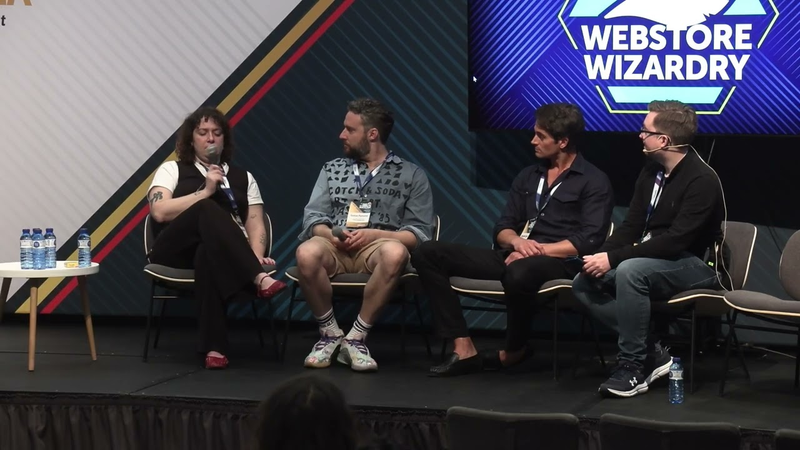
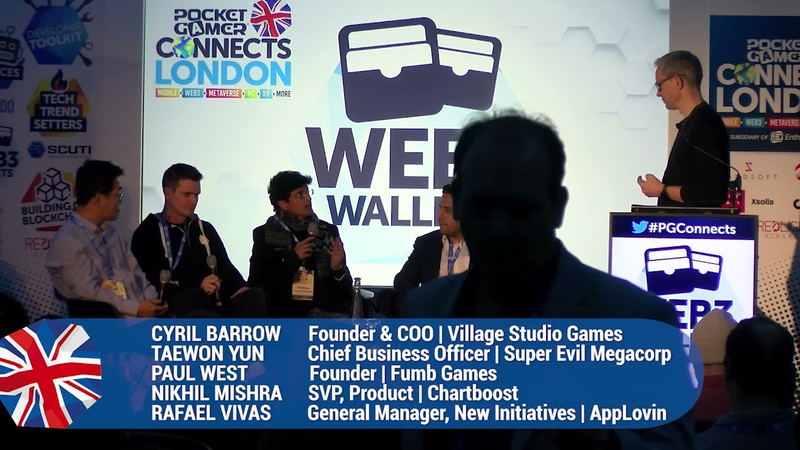
Panel: Keeping Up With the Times: What Do Developers Need To Know....
Key insights
6 takeaways- 01Revenue models are shifting from one-time transactions toward subscription-based ecosystems like Microsoft Game Pass and Apple Arcade, which prioritize long-term user engagement metrics.
- 02Developers should diversify distribution beyond standard app stores by utilizing web-based shops and alternative platforms to bypass restrictive payment constraints and reach global markets.
- 03Monetization strategies are expanding to include in-game advertising and the repurposing of proprietary code for external client-based projects.
- 04Long-term commercial viability requires balancing free-to-play accessibility with metagame layers and viral growth loops to maintain player engagement.
- 05Web3 and crypto-based mechanics, such as NFTs, are most effective for retention when integrated as community-focused rewards within the core game loop rather than as speculative financial instruments.
- 06While cross-game asset interoperability and decentralized treasury models are being explored, the industry maintains skepticism regarding their current governance structures.
Ask AI about this video
Transcript
foreign [Music] [Applause] so the panel is sort of continuing from from this talk talking about monetization methods and web three um and I think it actually is interesting from from your talk which sort of I I did wonder where you were going to go if you're going to head off to some sort of massive anti-web three sort of diatribe but uh you brought it back in and actually I think a lot of developers in the web 3 space have sort of taken a similar approach to you and sort of looked at sort of what we saw last year with some of the sort of stuff that was going on and sort of realized it's actually quite hard to create value
within a game um when it's so open-ended and so actually I think a lot of the best practice in the space now is actually coming back to where you are which is which is sort of um you can have one of this one um so so the best practices in space is coming to sort of tighten up the variables and make sure you have you have better control over things like tokens and using nfts in a bit more of a sort of um like a you know like a community badge type thing where people really people there's no reason for people to sell them so I think it's interesting that actually um that's where it's coming to but I will leave Cyril to who's gonna be running this apparently to um to introduce his panel and uh and continue the conversation absolutely thanks John over here hi everyone I let few people get the chair so here we have a very great panel are we going to think trying to keep up with our times and we're going to explore alternative monetization so this
is what we're going to do we got Nick Hill here we get Paul we got Taiwan and Rafael I'll let you guys interest yourself my name is Rafael Vives I helped start app loving a little over a decade ago and started uh lion Studios which is one of the biggest hyper casual game developers recently uh I'm running new initiatives and our first new initiative was building the first compliant nft Marketplace on IOS and Android called vessel I'm excited to share my learnings and talk with the rest of these guys uh hey hi guys my name is nikhil malinkar I'm the founder and CEO of gaming on Studios we're a game development company based in the city of Mumbai uh currently we are in the mobile space and we're also working on our next PC and console title uh it's a game called Mumbai Galis which is an open world game based on the city of Mumbai hey everyone I'm poorest I'm the founder of thumb games we make idle games and our biggest game right now is Bitcoin miner it's a play and earn mobile first
game um I'm excited to learn and hopefully share something that I've been figuring out the last 12 months hi I'm Taiwan noon um again like uh SPS people magical we develop AAA cross-platform games we didn't really start like proactively actively working on our three games but something we've been studying it for over the last probably two years and then we're actually starting a development for that like this year excellent thank you very much I'll take the opportunity to introduce myself so I'm cereal I'm going to lead the panel I'm the co-founder at Village Studio a studio we are looking at making interoperability work so we are taking 15 17 years experience in free to play and we're looking at the web 3 and thinking how why people will care to own anything what would players care to carry things from one game to another and why we develop a care
so as a way of introduction because we're going to talk to Alternative monetization I just wanted to highlight the obvious uh what are the traditional monetization that maybe we will not talk too much about it today so of course there's the ads some expert on the panel here we can talk about offer wall banners uh interstitial video rewards so let's call them traditional let's not answer the debate IEP and premium will be traditional not covered today subscription in the sense of App Store subscription I think there's a lot of discussion we're going to have during the panel about how subscription can can be the next thing but the traditional App Store subscription is is a traditional one and then brand integration where we just feature Brands within our games so I understand from preparing this panel that this quite significative different experience in in in the topic of alternative monetization so I'm kind of interesting to hear so we have time I'd like us to hear from you a little bit of your experience about what
kind of specific monetization uh alternative modernization we've been looking at in which game maybe a little bit about the challenge that you've had um so maybe we'll we'll start with Taiwan yeah so most of the games we develop uh like using we'll be using uh free to play mechanics mainly for IAP we are not that much interested in in ad um but one thing we we do I think that the interesting is that you know we're actually working with Publishers to be a part of the um their subsequent ecosystem meaning that the um games like together like a Microsoft Game Pass Apple arcade you know Netflix and so on and so forth they essentially um like fund to develop your game and then the um um like you can just get into DM like their ecosystem now there's no specific uh monetization inside the ecosystem but you know the subscription company Microsoft like apple themselves uh collect revenue from the players and
then that revenue is distributed to the like different developers based on the engagement it create um in in their ecosystem so it is not exactly a a specific monetization but I think that it is a a weight a part of the intense model you can take as a game company game developer yourself cool do you have any experience with maybe not using Apple not using Google as a distribution Channel yeah so there are a few different uh angle there as well that are like uh quite a few especially on the um second third year countries where the credit card is not used that much there are like various like third-party vendors technically enable you to accept payment using their local payment systems and then they're also a you know for example the um like Samsung as a company they have their own app ecosystem that's that
also can be the alternative-like system um for mobile developers um Huawei has a similar one um and then they get a bunch of them like Chinese um like telecom companies that has the similar system as well so those are the I'm like slowly I'm like not traditional Apple outside of Google um and apple ecosystem that you can utilize very nice maybe one last question for you Taiwan so in in uh in let's say tier one country is there is there also Solutions like alternative App Store where you're able to purchase things well interesting thing is that yes it's not as as well known in in the first year countries but yeah like companies like exola payment solution companies they actually have a give you like solution that that goes outside of the um your own Apple ecosystem and provide your own shop on the web front um they will handle all the um like uh
payments for that it is a is a good way to explore you know what can happen in that ecosystem at the same time it is a um like you can catch two birds at the same time because like those guys are usually a global so you can actually create those alternative uh shops for your own shops like full first tier and second third year at the same time all right very good thank you very much so before we move into web 3 maybe supported uh alternative a musician I like to stay a little bit on the on the traditional gaming here with nikhil who's got quite a lot of experience working in uh in those countries and those methods with those measures methods Yeah so basically what we've observed is uh as you rightly mentioned right you need a different distribution channels for your games so we've seen quite a bit of success with alternative App Store so we are working with this operator called glance back in India and what we've seen is that uh glance in India they've got about 300
million plus users and that's a solution that sits on your lock screen and you know they just push out content over there so we tied up with them and some of our games get pushed out through that and thereby those Drive installs for us so that's one area where we monetize the second aspect is uh monetization through in-game assets so a lot of the traditional ads that work nowadays they are very much active right I mean there are parts of your screen and they're like skippable video ads non-skippable video ads that's very frustrating for a user uh so we've also identified Solutions wherein we work with ad networks and then have them monetize through our in-game assets uh another aspect is that right right now as I mentioned we are working on this game called Mumbai police which is an open world game based on the city of Mumbai and over there what we are doing is we are building proper real estate like virtual real estate right so we can actually lease out some of the Billboards inside the game say for example you know a lot of you guys are aware of Grand Theft Auto right uh if at all you're walking on the streets there are some Billboards so you can see some
advertisements over there that can be one and the third part is majorly you know since we are from India we are looked out as a service based country uh so what we've also identified is whatever games we are developing in-house we have access to the repository and most of the client servicing work that we get is more or less on similar lines so we've also identified ways through which we can create our own repositories and have them you know reskinned and then sold them separately to different clients based on their requirements so just by you know changing your art assets and all you can make a completely different game so that's one area of alternate monetization that I'll look at okay that's very interesting usually we are coming from you know free to play You're always very predictive about your code you never want to share it or sell it or anything like that it's very interesting that some company like heroes are taking their code as an asset that you can sell and risking that's very interesting and of course I think it's interesting today to to dive into traditional gaming because I'm pretty sure that a lot of solutions we're going to find in the future for web 3 are going to be
inspired from what we've learned in the last 15 20 years so that's why it was interesting for me to start this panel with how do we do restoration for gaming so let's move into into web three maybe Paul you want to share some of your experience you've had yeah sure so um we have again Bitcoin I know I mentioned uh we actually made it five years ago during the last um oh during the last last Bull Run if you want to know when a bear Market's coming after me because anytime we do something with this game it triggers a bear Market um basically we made it five years ago and we couldn't do anything with it uh we weren't allowed to we could put on the App Stores but we couldn't promote it through the normal channels Facebook Google because it had the the word Bitcoin in it even though there was nothing web3 about it at that time it was just the theme and then last year we added the ability to earn Bitcoin by by playing the game uh and that kind of changed everything um the earlier cohort was incredible uh we put it live on a Friday it was my birthday weekend and we had like 70 75
day one retention that weekend from 50 000 organic users so we're like okay this web three things quite cool um and yeah the the kpis have dropped but it's been pretty interesting uh stable growth of a game in Mobile web3 um and I think like I'm doing a talk on it at 5 PM little side plug if anybody wants to come listen about that but uh we we found like the interesting thing that for us was the when you give something back to a player they're more likely to engage commercially with you uh whether it's engaged with ads and you know we're coming from the the other angle where most of our games were like ad primarily ad Revenue driven um we saw that SKU with this game like people were a engaging more with that but also engaging with an app purchase and subscription more like the conversion rate was higher and we we've made quite a few idle games and this kind of really did lift those kpis so I have to ask because I know you're making a token where you're going to give us a lot of information we'll come back we'll
come and we'll come and listen but for these funnel it's it would be interesting to understand a little bit about the kind of the game mechanics what's the game design behind the idea about your play and eventually you earn Bitcoin what can you give us a bit cool so um so you dig down into the Earth you own like you convert a farm into a a play on on the idea of mining obviously you don't mind Bitcoin by digging into the Earth but we play on that uh you dig down you mine these coins they're like cryptocurrency simulation coins they don't give you anything and but as you play um there are like events where you can actually tap or collect or or uh yeah accrue satoshi's which are a millionth of a Bitcoin so these kind of occur over time and then you can cash them out um and you know we have uh we noticed like day 30 retention is probably where we see the biggest impact because the players who are invested and love getting a free speculative asset are really invested and you might think this is just kind of more Emerging Markets because we're giving away satoshi's they're like fractions of ascent but actually our biggest user base is the US so Everyone likes Bitcoin and you're
using a third-party solution for that yes we're using Zebedee shout out if you're in the room okay maybe like me I never heard this name some days ago so are they would you recommend them are they good yeah I would recommend them so there are third-party partner of ours they have a payment solution that facilitates the transaction between the game and the web 3 wallet so they're a web free wallet um they are upstairs they're a really cool team I I wouldn't say a bad word about them at all nice nice thank you moving on to Rafael which is what has been your experience here yeah so I'll talk about it from The Vessel perspective we came to the market we built an nft Marketplace because we saw it as a new alternative monetization method that was going to be big kind of we saw the evolution of of ads than IEP and we looked at nft monetization being a big uh Avenue where developers could pick up incremental Revenue we've seen we've learned a lot
throughout the year that we've we've had the product out I'd say the biggest learning that we've seen is that it is different than it's different than ads but more similar to IEP you cannot just go and slap nfts in your game and think that you're going to go and generate a large Revenue lift and tell you wouldn't really hit on this or table I'm sorry in in his last panel which is the games really need to be designed around it for us we've gone live in hyper casual games casual games mid-core games uh we tried all different types of genres and what we've seen is actually not that midcore itself works the best but the developers and the game designers that really spend the time to be very intentional about how these assets are implemented into the game really tuning the economy right those are the ones who see the biggest lifts right nice I would decade that as well like Bitcoin minor works because it's Bitcoin theme Bitcoin simulation like we tried to make a game following on from Bitcoin minor where there's like a different theme and just think oh well I'll just add web 3 into it and it totally totally flopped so yeah it has
to be designed from the outset that's good so I'd like to come back to this topic obviously as game game makers it's very easy to be skeptical about it as you say you just bring nft and then certainly change everything so I will come back to it in a second but I want to ask have we forgot anything I think we discussed about Discord moving into a subscription uh method I think Paul so um this is just web 3 is about Community I think as everyone kind of is aware and like we've we've grown our Discord from like 4 000 to 80 000 people last year through this game uh which you know is is fine but one of the things I think could be interesting going forward is like how do you monetize that audience in a different way so um Discord I believe has opened like a patreon type you know uh subscription model where you can literally monetize those users for a more premium experience and I think that's where nfts can come in really in an exciting way as well to give another touch point it's not just value in that game or across a portfolio of games what can you do special for your users in the Discord
Community to really Empower those super users um that's something that I'm quite interested in obviously it's a totally separate Revenue stream but um one that could could be something interesting to explore interesting do we have any example of somebody who has been trying already this is just me spitballing no I haven't seen anyone do it yet but um I think you know if you can some of these communities are a significant volume of players right and obviously they're spending a lot of time in there um championing your game sure but is there other ways that you could give them unique experiences to also monetize that's kind of that's the idea I had it's not directly um like related to that but the um one of the ideas we are looking into is actually integrate Discord Community as a part of the game experience so that them like people can directly influence what's happening in the game from Discord and the other way around as well so the um like it's like part of the unlike design space we are looking into right now yeah I love I love that I love to chat to you about that we've we have a like it's around
nine percent ten percent conversion rate from our game to Discord because we heavily push users back and forth between it so we've got a feature which is like a weekly like uh bonus uh to we make an idol game numbers go up so people like multipliers so if you go to the game uh uh every week There's a new code in Discord you go to Discord get the code put in the game it enhances the multiplier in the game and it Stacks so it keeps people coming back and we want to keep that like cycle rotation going through the game through the Discord so yeah I I think that's interesting it's very interesting it's uh we could say almost it's it's on the side of the topic of monetization but eventually retention is driving monetization so if we're able to get people uh invested into going to the community getting a code and maybe participating a little bit there and then coming back that's definitely a plus and for this like security as well like we can do a lot more in Discord with Bots we built a custom bot to verify the users who withdraw so
you know if you give away Bitcoin in your game exploiters will come in their drive so how do we it's quite healthy extra security layer as well that we've we've added in so yeah obviously Community is not a new thing but this is bigger in web3 can I can I correct one thing from this one who said it's not you know uh it's not about Bitcoin if you have any kind of economy somebody tries yeah that's right and one more thing I'd like to bring before we move to the next topic which is about game design and how complicated it is but um and of course I'm interested because in web3 we're always thinking about hey can we put a token in a virtual good and that token will be valid for a physical good and I believe there are method I think nickel you mentioned about method where in the game you can upsell some physical Goods yeah yeah so uh we worked with a provider in this regard so basically their solution was that uh they have this entire e-commerce platform built out uh within the game
and that acts as an SDK all we have to do is use some trigger points to act that SDK say for example you know there's like a new pair of shoes all right so we'll say that you can either buy these shoes directly or you complete level 48 inside our game and then get like a 20 discount on the shoes so that has worked out really well for us and it also incentivizes us for selling this that shoe thereby adding another layer of monetization for us which is going beyond the traditional means and as you mentioned rate for the Discord thing this is very much similar to that and then it keeps people playing the game over and over again thereby driving the retention so you can do this at like major points of your game like level 48 or if if it's an endless game then perhaps maybe you can look at having achieved like an N number of score something of that sort so that that has worked out really well for us and we look forward to include this in some of our other games as well yeah yeah that's interesting um maybe an open question for me like just triggered by this panel is like how many companies have been really looking into it so I've been spending five years of my my career at
Rovio it has a big vertical on physical Goods we tried but it was always very very mild and I'm super excited Super inspired to hear you you know that you have game mechanics around the purchase of a physical good that's a full integration invest nurse not hoping that the player will click on a button that is a shop okay it incentivizes the player as well and and it just works in both of yours okay so good Bridge we talk about those features so we've got a good a good set of features so I think it's a it's a good visibility on on what could alternative meditation could be and then the question is yes but it's going to break my game yeah you're going to start to force feed these new features this nft as you mentioned Raphael it could be it could be a shop it could be uh you know go and collect your Bitcoin you know whatever it is so any maybe an open question to the panel um any specific design hurdle that you manage to overcome I mean I look at it from a first principle's perspective whether it's
nfts or I think rewarded video which is traditional or this e-commerce product that you're speaking of it's first you need to have a good game right and then you need to have a reason for a user to engage in this right and so for rewarded video it's get an extra life when you die like in a runner an example for an nft it's access to something that the user wouldn't have in the first place so for example a game of ours match 3D has about a million Dau massive game we saw a we did a very interesting integration where users could win something called a pro batch and a pro badge was an in-game emblem which would give you an advantage during our live Ops tournaments and on the leaderboards allowed you to stand out and what we saw there was that was something that was really engaging to our core users and so initially we did like a sale for the asset for a hundred dollars now if you go on the vessel Marketplace it sells for about 300 80 percent of the top players worldwide
have one a hundred percent of the United States users have one and so it really goes down to knowing what who you're serving in your audience that would be my feedback nice any other feedback yeah I mean it really depends on your core game Loop right I mean if your game is not good then definitely all of these things will not matter so uh I think you need to just dissect your uh game into multiple parts and obviously like if you're providing some value to the end user uh I don't think it's a breaking experience breaking experience would be when you're as you said right you're forcing things on them but if it's like a seamless experience I remember playing this game I forgot the name but they didn't show any ads to the user unless the users wanted to watch those ads so I think it's more about creating that experience of a really good code loop and once that is in place then you know you can you can cross sell anything you can even cross promote your other games and then have that monetization layer in them as well so I don't think it will become frustrating for a user in that
regards if they are incentivized to it yeah I would add if you think it's gonna break your game or you're worried about how your users will react then you probably haven't thought about it enough in terms of like you know it's got to be part of the core design it's got to be something you run by players and you you know test out that it's actually a positive thing um will web 3 features make every game better arguably not potentially but it has to be you know it has to be it has step right it's got to be a player first view that's kind of average like why does it make sense for the player so I mentioned this uh in my previous session but um one if I go into a little bit detail of what I plan to do with equity and creative AI Android 3 is um like is a um competitive game we we have like vainglory and Chris black they uh like a little bit hard to monetize really well because I you
cannot break the balance uh because of the PVP if we introduce anything that actually Impact gameplay like we'll have a massive like backlash so but at the same time like we have a massive fan base and then they also love to create content the a few things that we couldn't really do about that was that I'm like one is that it did a really small number of you know people who are telling you to create a.m like really really interesting um like fan fan made you know like artworks all the whatever content that is um and then we didn't have am like much of the platformal system that they actually monetize that now I think that the generative Ai and and referee give us two tools one is that using Jetty AI we have a bunch of different artists that that actually allow people to tap into to create their own
um AI assisted user as a content and the rav3 can actually allow people to ship that Minted as a MLT and then they can like plugging can go use trade their own you know um like user critic content as IP owner we can actually regulate a little bit and then maybe I'm having a some some sort of fee charging some fee of creating that asset and trading um that could be um like I think an interesting model that that can be explored um so I think that that's one of the stuff that will be happening fairly soon and that I'm looking into that as well so same panel next year we talk about generative AI monetization right you name it okay that works okay so the million dollar question is okay it's good um we try this or there's a potential with those methods how much do we get back so it's difficult to talk about money because it's is it abda is it
total revenue it it depends but any flavor there for any one of you that can share some kind of numbers to us so I've got some interesting data I can share and this really you know goes back to the quality of integration I've seen certain developers integrate nfts and it's one percent of the revenue on the other hand I've seen some developers do some really great Integrations and what we've seen actually is they will drive massive monetization lifts across everything so an example another game of ours match Ball 3D there was this play to earn event where you're effectively competing to get the limited quantity of nfts and if you get them you can turn them in for cash or virtual currency which then could be redeemed for cash and IEPs went up two and a half X because users were spending their boosters to try to be able to win to get those limited nfts rewarded video went up by one and a half times which was insane now the downside of that was because it was played earned there wasn't many secondary transactions so the nft or
revenue generated was slim to none but overall it was a massive lift for the developer and it was really cool to see that they were able to use this alternative monetization method to in a way to really get users engaged in a way that they haven't been able to in the past very nice thank you for sharing for us basically like identifying different distribution channels has really worked out well uh so earlier we were seeing like on one game maybe like 100 000 users in a month uh we started off identifying different distribution channels uh from there uh the first month on day one we saw five thousand five thousand users right now we are sitting at 100 000 users coming in every single day to our games so what has worked out for us is figuring out that you know uh we are good at development and there are people out there who are good at distribution so we just find the right set of Distributors and that piece of puzzle is sold for us yeah something I can share is um my background is marketing so I expected giving away free Bitcoin to have a
really good CPI um and it didn't really move the needle too much um on that side to be honest but what it did do is really accelerate the K Factor so like our Android K factors like 3x so we every install we buy we get another another two sorry um that's something that we hadn't seen before so the word of mouth you know you find one Bitcoin fanatic they will tell two more kind of thing or or more and that has been quite an interesting learning for us so it netted out good but it was because it wouldn't the way I planned it nice before I talk about myself like equally I'm like your model is really interesting to me because it's kind of like the um like reverse application of 99 problem that like we face all the time meaning that the um like like it's a like free to play game developer like people we try to have people to spend something so that
they can get a habit of spending more like there is a really big you know like psychological barrier for people spending on you know uh intangible good and now you actually again put it in different way in a way that by giving away even though really really small amount of um like crypto coin but the fact that it it it was something exactly more important to to players and then that easy I'm like reverse psychology of of the problem you used to face like I think it's brilliant um from uh yeah uh from myself like but so I have been doing like forecasting has been a part of my job all the time and then the um like rapidly Focus thing has been probably the the most difficult thing I ever tried to do because like between the different IAP uh Revenue side and how the tokens stuff works out and then New Jersey I'm like really big uh fluctuation on the uh um all those uh
like the tokens and so on and so first but with that aside you know what I'm trying to do is that the um like I what I'm trying to do is that here like mix those traditional iaps and everything and then having like potential X Factor from the red three side so one thing I didn't really go into too much in my bridge talk was again is that the um how I'd like to leverage web3 as a um like to solve that the um whale and free to play people problem and then I uh I think that it is a solution I'm thinking of is that you have like creating a meta game on top of our game so that we don't have to touch the core game system that we know that we works but the metagame better game layer essentially works as VM like interactions forum web3 and whale audiences and then in that way I think SDM like we can provide a like like really good experience team like
most of the um free players but at the same time to make sure that you have like uh like X Factor model revenue from from rails and so on and so forth so the um something that I'm really excited to like to try out thank you well thanks for sharing it was very very complimentary so I I like to keep a bit of time for for the question but I've got I want to put a kind of project uh ourselves into the future so there is an hypothesis on the table and people are looking at Netflix looking at Spotify where basically all the money goes to essentially a treasury and according to the engagement the content provider are rewarded from the treasury and a lot of people are looking at that in the web screen and thinking well why don't we have a marketplace where all the processes go through Treasury and whenever those items game item nfts are used in games the game pulled from this treasury so it's a little bit out there but that's a dream again when we look at what exists today and what could exist tomorrow we could get inspired so any
I'm looking at Rafael here because it's a little bit of La any any comment do we see that so interoperability because you know effectively the treasury would go to the to the game developers where the items are used it sounds good in theory my hard thing with it is it's hard to implement but I think that if you give developers a incremental or sorry a economic incentive to tune their game and these items in a way where it actually is useful I could see it working so I think it's actually an interesting thought I hadn't thought about it the way that you just mentioned so I could see it being big cool any other comments well that definitely sounds to me it sounds like the unlike typical uh way that daos like and Game Trader game game treasure works out and I'm like honestly I'm a little bit like skeptical about it uh because you know like the question of like who really owns and controls the AO like it is supposed to democratize but to me it sounds much like the individual
invisible hand um and then you know like like so like look at what's happening in capitalism and what what what does invisible hand did to them like uh democracy of the um like money and then I think at the end like Diego the treasury idea has a really big title of fall into the Trap um and then like as you know that there is a lot of them like criticism about how VCS actually own like a16g alone uh even though like they are our investor but um they greatly take great they're great by the way and they own 30 of all the crypto and then that is a like one really interesting conundrum to think about that very good so I'll take a pose here I'll turn to the audience to see if there's any any questions we have a couple of minutes do we pass along the yeah oh yeah thanks hey guys uh Thomas Webb CEO Volo web or web3 game
um I just want to ask with with what's happened recently in the terms of service that apple have released relation to secondary Market um transactions and royalties uh on their App Store and with this being mobile games the frictionless requirement you have of using these app stores and these Platforms in order to collect like in-app purchases and so on um and as well with what's happened recently with nft marketplaces in the community pushing back with creative royalties you see marketplaces like blur aggregators that go around and prevent people from earning royalties on nfts where do you see the mobile platforms like the App Store and Google Play Store going with their terms of service to incorporate what is happening in the nft space so this is a question I get asked a lot of time I'm going to start with one specifically vessel the way that we were compliant we got live on the App Stores our coins are actually sold through in-app purchases and we sell them at a peck price we're more of a virtual currency than a traditional cryptocurrency and how the how the Apple
guidelines work is that any nfts need to be available via in-app purchase because users have to buy our coins through the App Store to purchase the nfts we're compliant now I would say how do I think Apple how do they think about nfts I think it really just comes down to how does it enhance the user experience and uh table said this really well and his last talk is that there's no really great web 3 games or any really really great use cases of it I think we're gonna need a little bit more time for that but assuming that players really like and it's delivering great use cases and I could see it being something to go further in and then also from a revenue perspective what is the incremental Revenue that they that it drives them I think what we've seen from Apple over these past years is that they're always doing things to improve player experience and do making incremental Revenue um so that would be my feedback about the first part of your question um you might be repeating the second one because it actually slipped my mind yeah
oh yeah yeah so so I think that the the Creator is always going to get their money right so like I've seen a lot of these marketplaces push back on giving the royalty directly to the developer but what I end up saying is that the marketplace ends up taking a fee and they give it to the Creator themselves so 100 uh my feedback there would be is that if there's not an economic incentive for these creators they're not gonna they're not gonna you know create on that and what you end up seeing right now is that that's why there's less investment going in into those types of marketplaces um so I I really think that there there's always got to be a way the creator has to get paid or else you know there's going to be no funding for these developers or these creators to actually build uh in those ecosystems all right thank you very much we're running out of time I've got a blinking uh timer in front of me so I have to thank Theron Paul nikhil and Rafael for this great panel thank you very much for
joining us today thank you John [Music] thank you
Summary
Modern game development requires a strategic shift away from traditional in-app purchases and standard advertising toward diversified distribution and integrated revenue models. By leveraging alternative app stores and web-based shops, studios can bypass restrictive platform constraints and penetrate global markets where conventional payment methods are less prevalent. This evolution is supported by participation in subscription-based ecosystems, such as Microsoft Game Pass or Apple Arcade, which prioritize user engagement metrics over one-time transaction volume.
Innovation in monetization now extends to virtual real estate, such as in-game advertising, and the repurposing of proprietary code for client-based projects. Furthermore, the integration of Web3 and crypto-based mechanics has emerged as a viable method for boosting retention. Successful implementation relies on treating digital assets like NFTs as community-focused badges or rewards rather than purely speculative financial instruments. These features are most effective when they are woven into the core game loop, enhancing the player experience rather than feeling like an intrusive addition.
Long-term commercial success hinges on balancing free-to-play accessibility with high-value monetization strategies. Developers are increasingly utilizing metagame layers and viral growth loops to sustain engagement while navigating complex platform compliance requirements. Although concepts like cross-game asset interoperability and decentralized treasury models are under discussion, skepticism remains regarding their governance. Ultimately, the industry is moving toward a model where digital assets and e-commerce integrations provide tangible value to the player, ensuring that economic incentives remain sustainable for both the creator and the community.